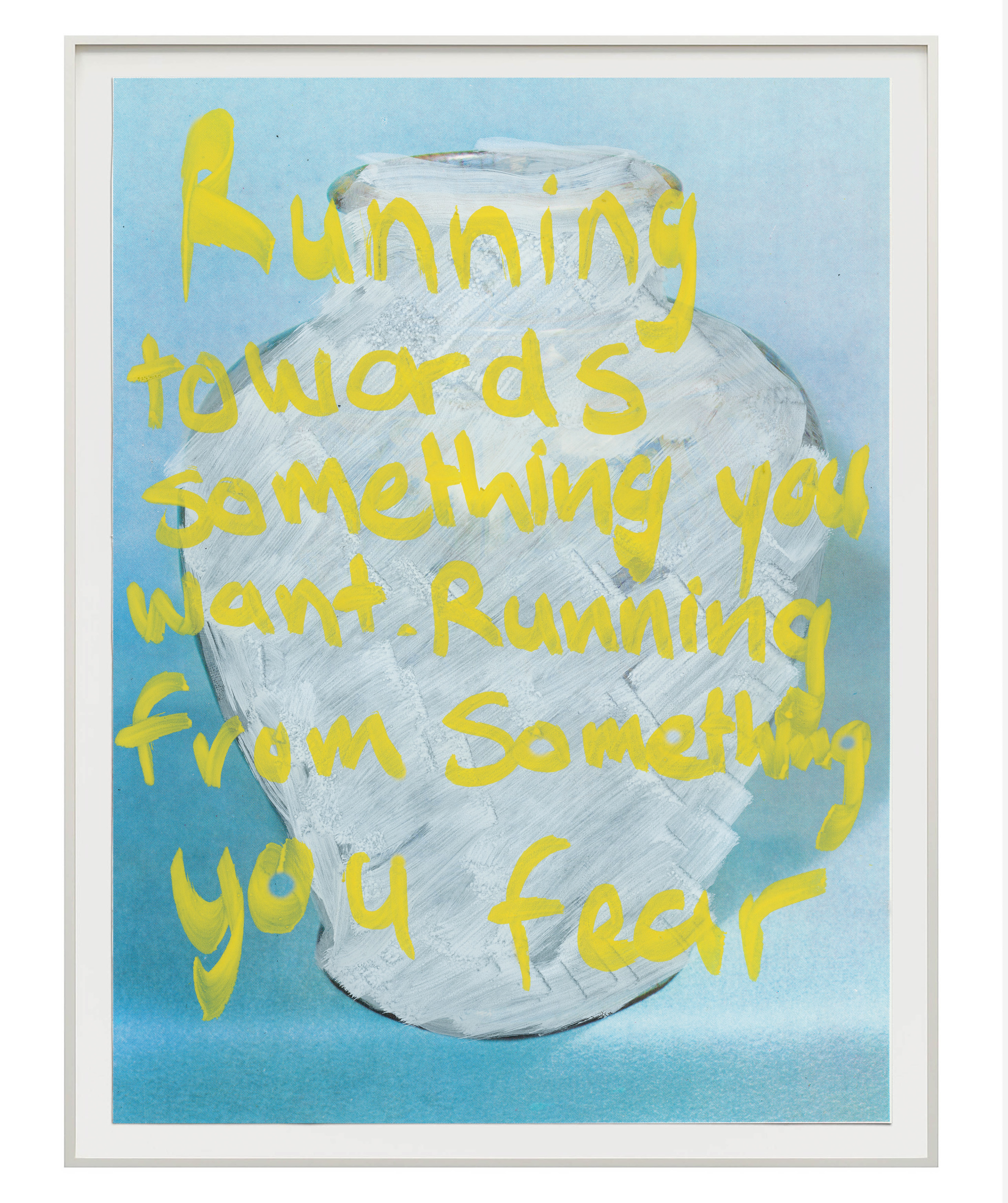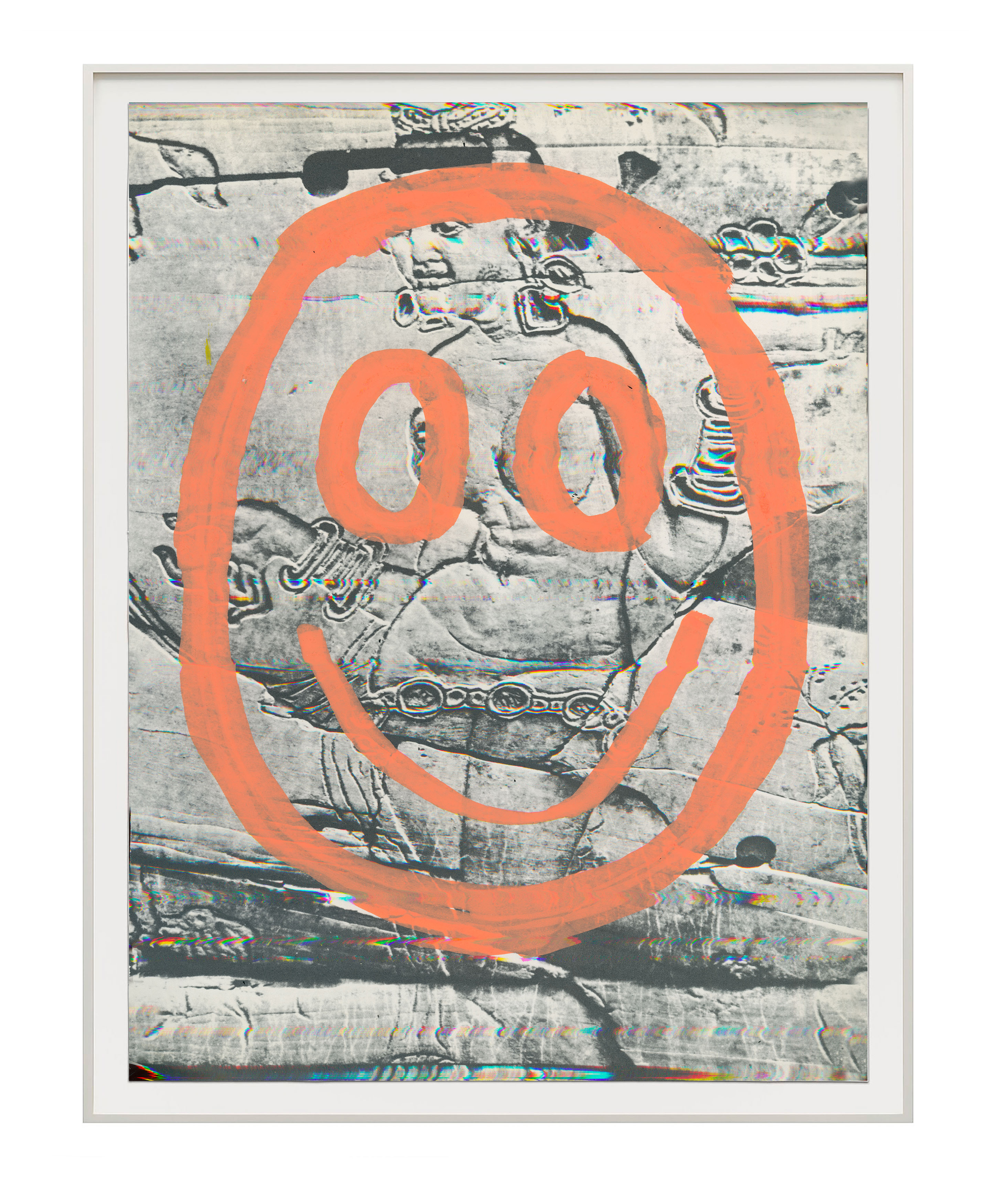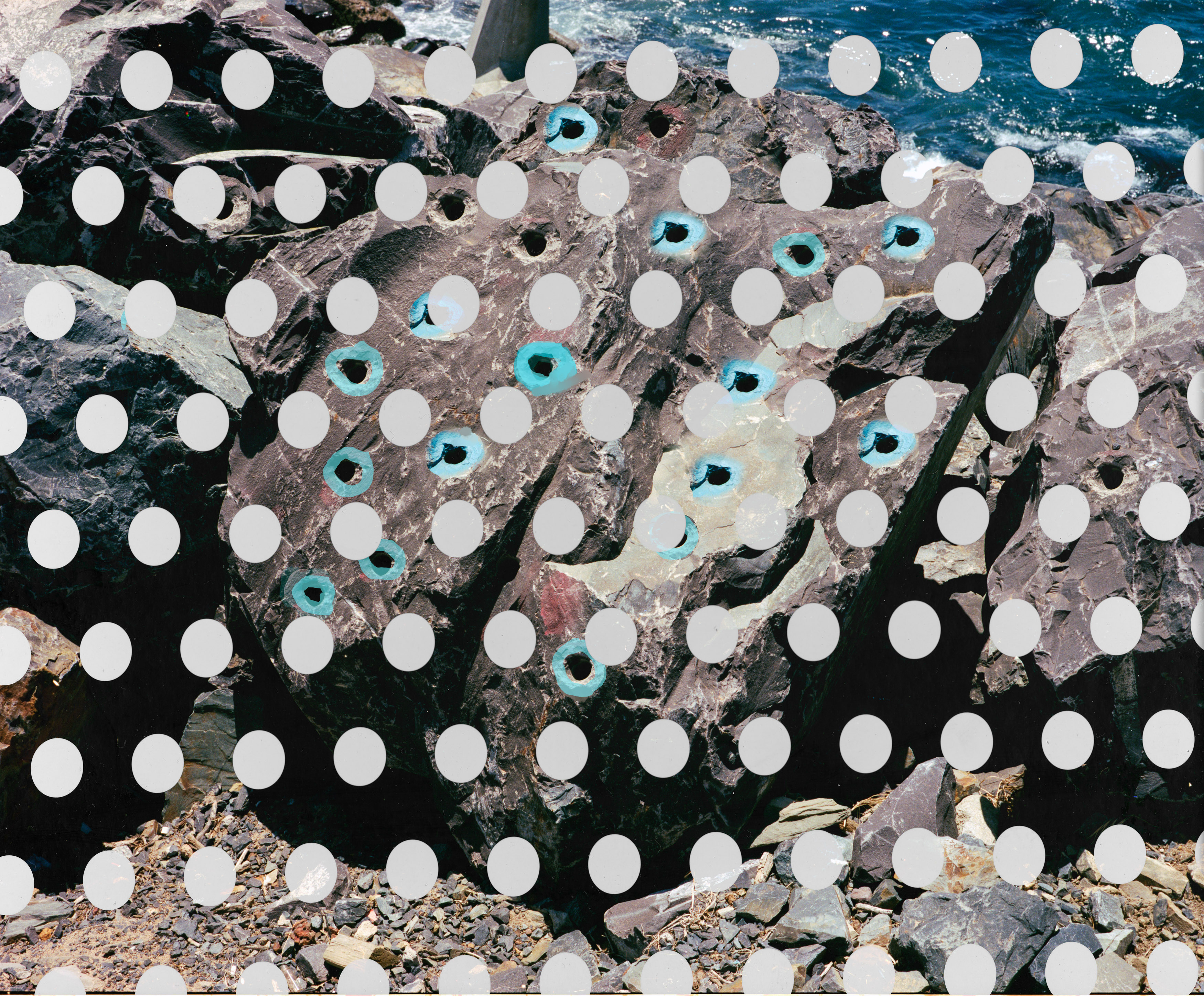

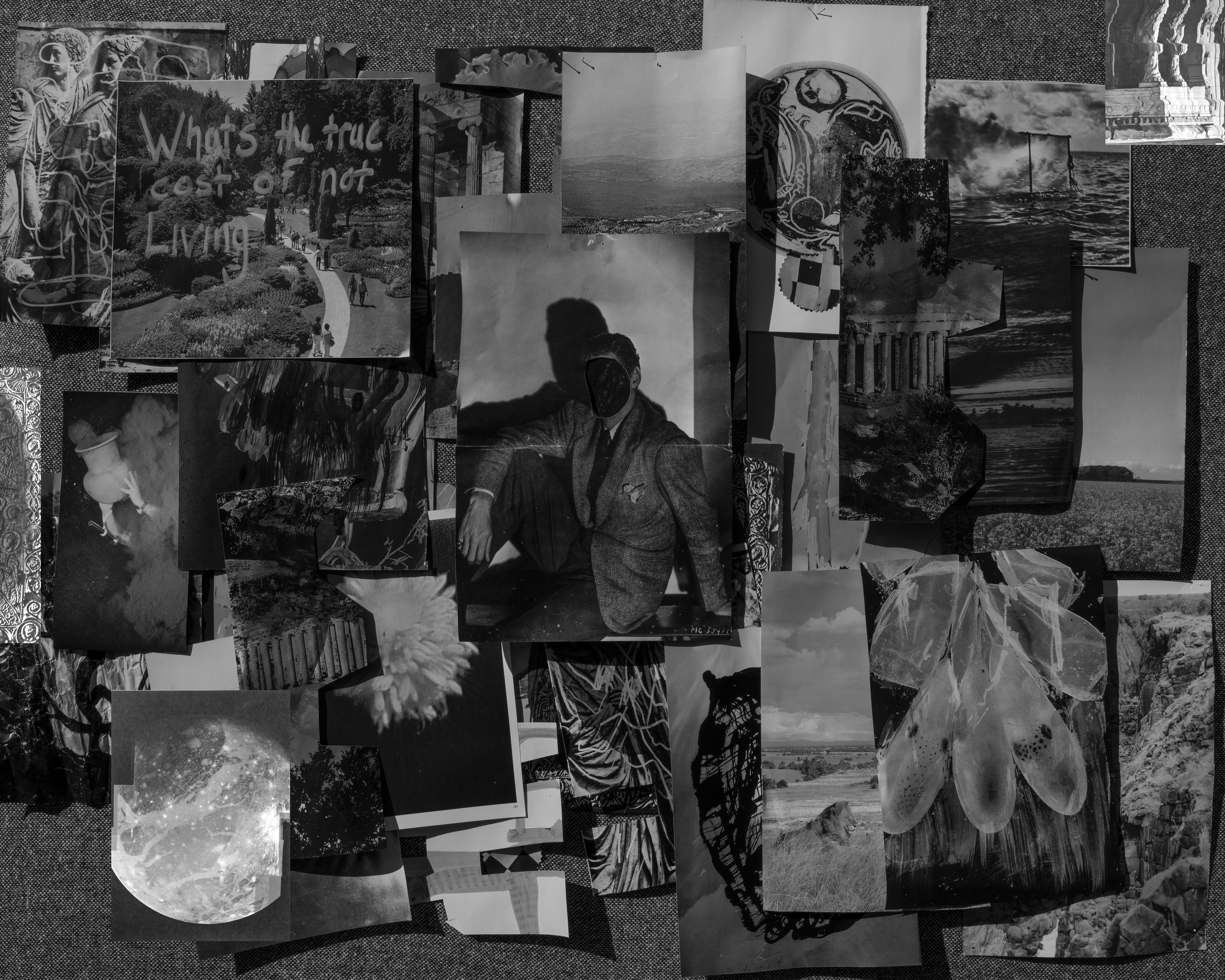


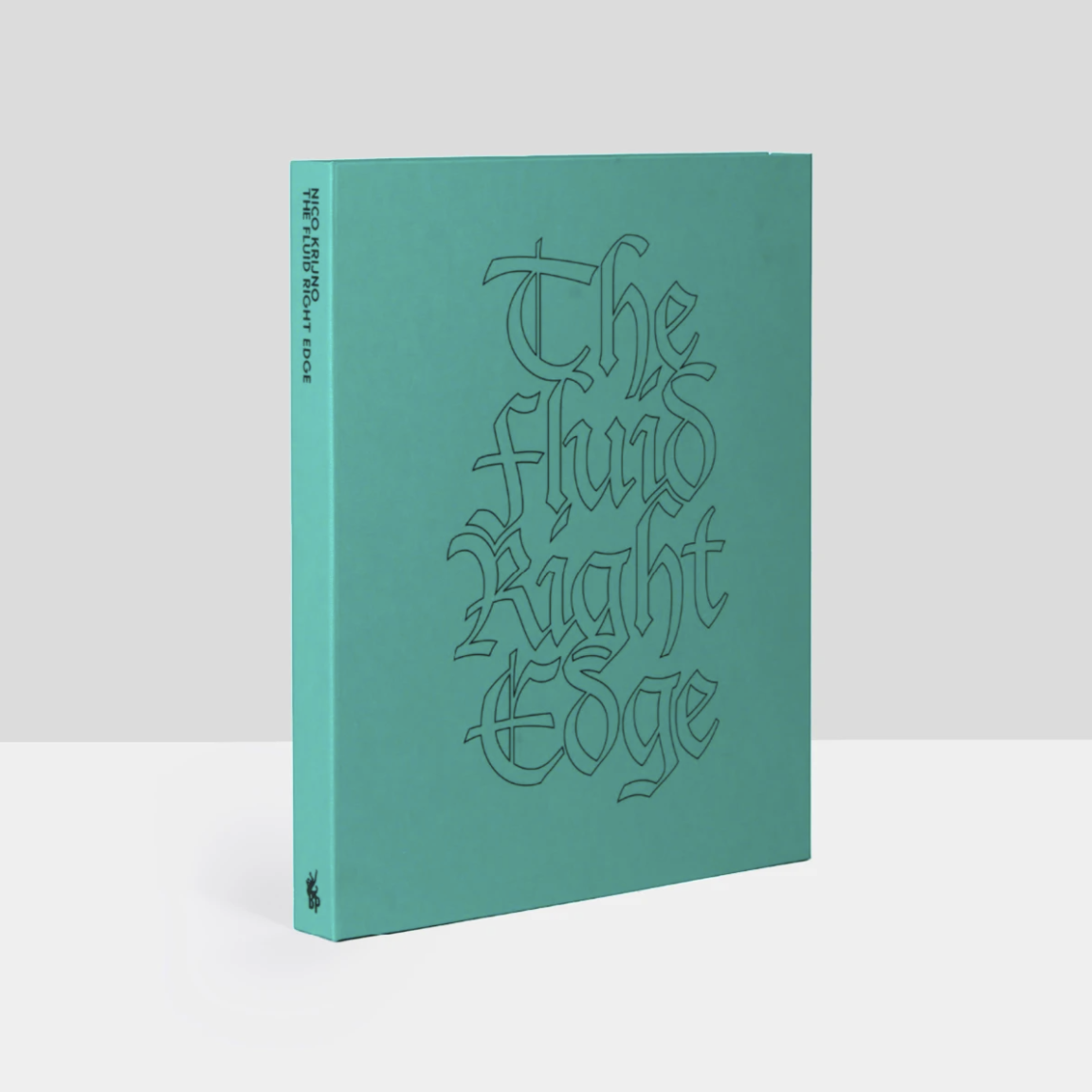

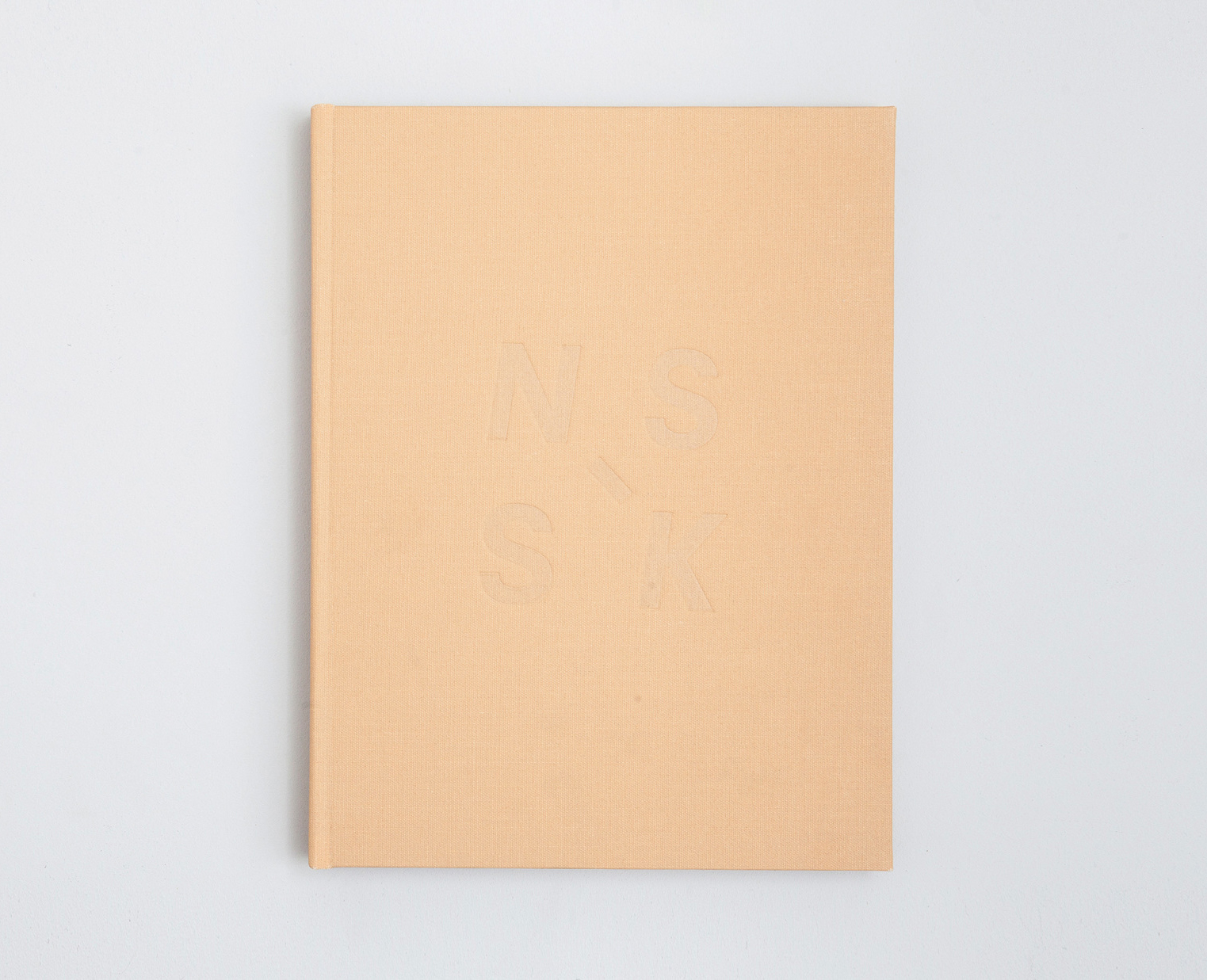
Nico Krijno (b. 1981, Cape Town, South Africa) is an artist working across photography, collage, sculpture, and moving image. With a background in theatre, experimental video, and filmmaking, he began developing his visual arts practice in the late 2000s, treating photography not as a recording device but as a material process through which objects, gestures, colour, and performance could be continually reconfigured.
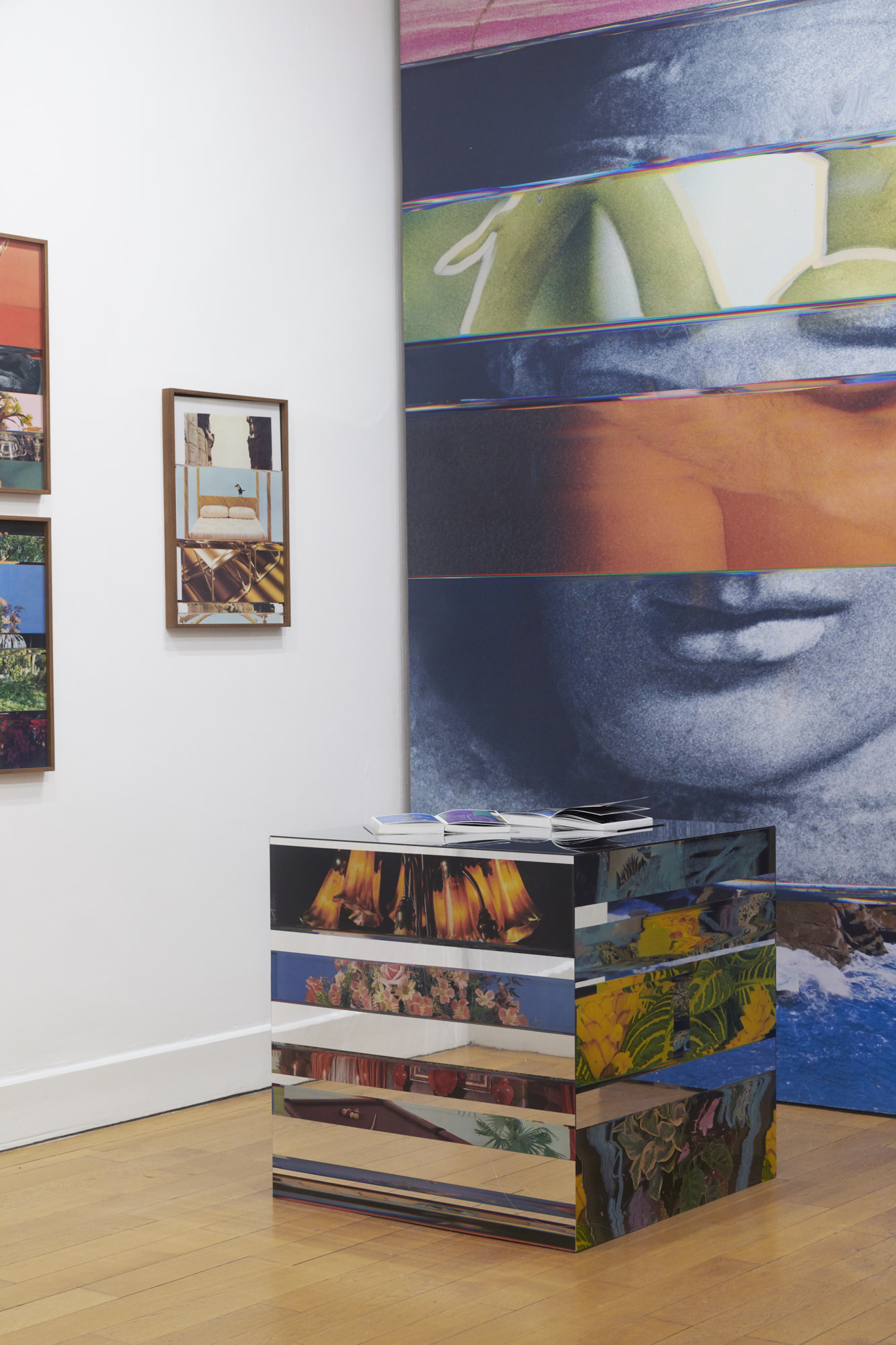
Working at the intersection of analogue and digital image-making, Krijno constructs ephemeral arrangements from found materials, domestic objects, natural forms, painted surfaces, and printed photographs, which are then photographed, manipulated, scanned, cropped, and reassembled. His practice resists fixed categories, moving fluidly between photography, collage, sculpture, installation, and film, and exploring how meaning emerges through accumulation, chance, repetition, and transformation.
His work has been presented internationally at venues including the Henie Onstad Triennial for Photography and New Media, PHOTO Melbourne, Images Vevey, and galleries in Amsterdam, London, New York, Los Angeles, and Cape Town. Solo exhibitions include The Constellation (The Ravestijn Gallery, Amsterdam), The Fluid Right Edge (The Ravestijn Gallery, Amsterdam; Beetles + Huxley, London), Leave Your Body Behind (Elizabeth Houston Gallery, New York), and New Gestures: Fabricated to be Photographed (WHATIFTHEWORLD, Cape Town).
Krijno was selected for Foam Talent in 2016 and was nominated for the Paul Huf Award in 2015. His work has been featured by Aperture, British Journal of Photography, LensCulture, It’s Nice That, and other international publications. He has published the artist books New Gestures (2016), The Fluid Right Edge (2017), How to Leave Your Body Behind (2019), and the forthcoming monograph MURK (Witty Books, 2026).
He lives and works just outside Cape Town, South Africa.
Nature vs Culture:
I work with photography as a space of uncertainty, transformation, and experiment. My practice moves between photography, collage, sculpture, painting, and moving image, using analogue and digital tools, found materials, staged forms, and improvisation to construct images that resist easy interpretation.
Rather than treating photography as a medium of description, I approach the image as a mutable object. I build temporary structures from discarded materials, domestic objects, plants, textiles, painted surfaces, and printed photographs, then photograph, manipulate, scan, crop, and reassemble them. The camera becomes less a witness than a participant in a physical performance. The resulting works occupy an unstable territory where abstraction and representation continually exchange places.
I have never been interested in the single decisive image. My work develops non-linearly, with photographs, collages, sculptures, videos, books, and installations feeding into one another over time. Images migrate across different forms and contexts, accumulating meaning through repetition, variation, and interruption. A photograph may become a sculpture, a sculpture may become a video, a video frame may return as a collage, and the cycle continues.
The central tension in my work is between nature and culture—between organic growth and human systems of order, manufacture, categorisation, and control. I am drawn to moments when ordinary things begin to lose their certainty: a flower becomes a gesture, a piece of plastic becomes a landscape, a curtain becomes a horizon, a photograph becomes an object among other objects. These transformations are not symbolic so much as experiential; they ask the viewer to remain with ambiguity rather than resolve it.
At a moment of visual fatigue, AI-generated perfection, and growing uncertainty about what an image can be trusted to show, I am interested in the opposite: error, materiality, friction, and play. I want images to retain the evidence of their making, their instability, and their capacity to become something other than themselves. Photography, for me, is not a fixed document of the world but a living surface through which perception, memory, performance, and imagination continually reorganise reality.