






















All content copyright the artist. No commercial use without express written permission. 2026. All images copyright © Nico Krijno 2026.







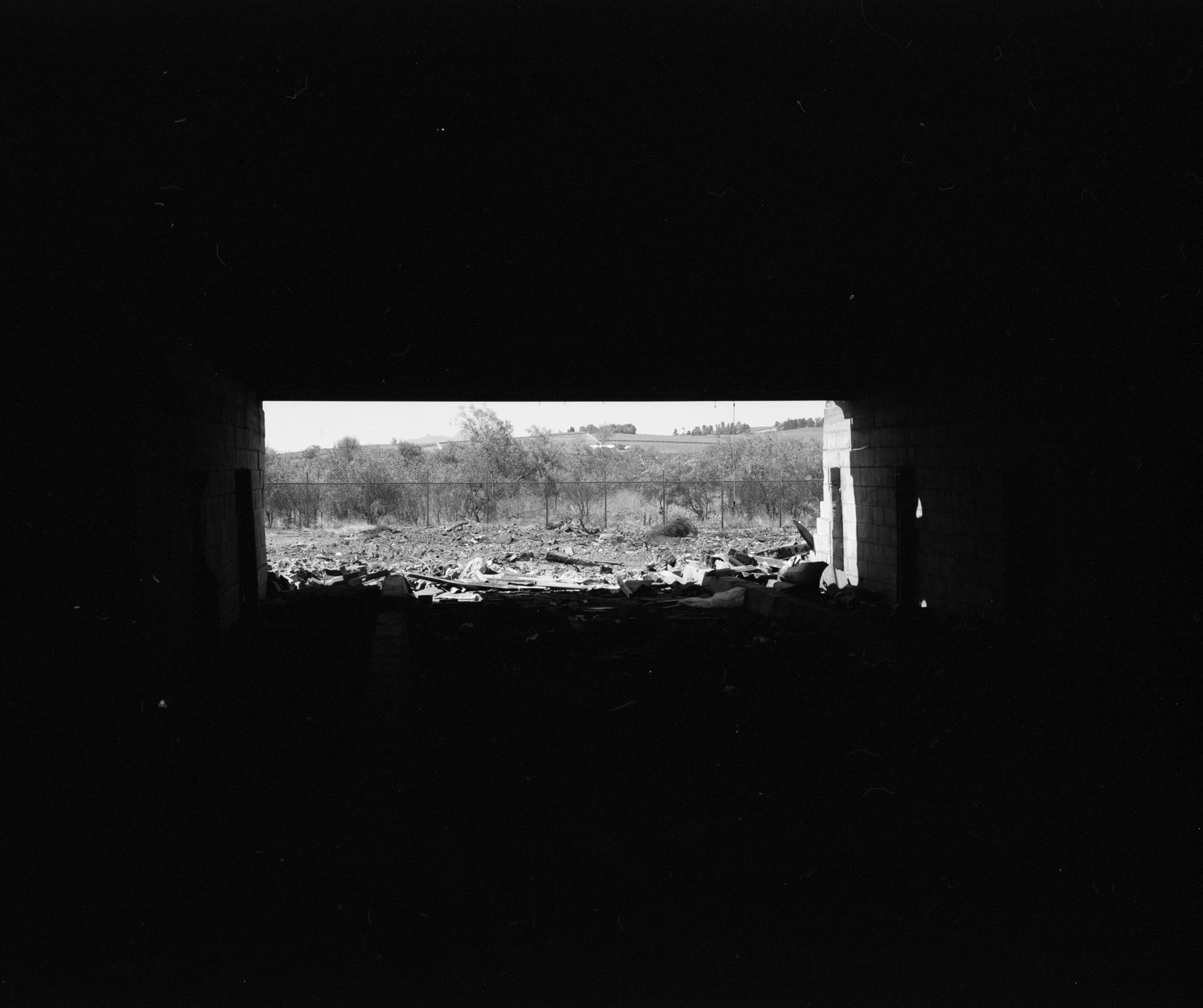

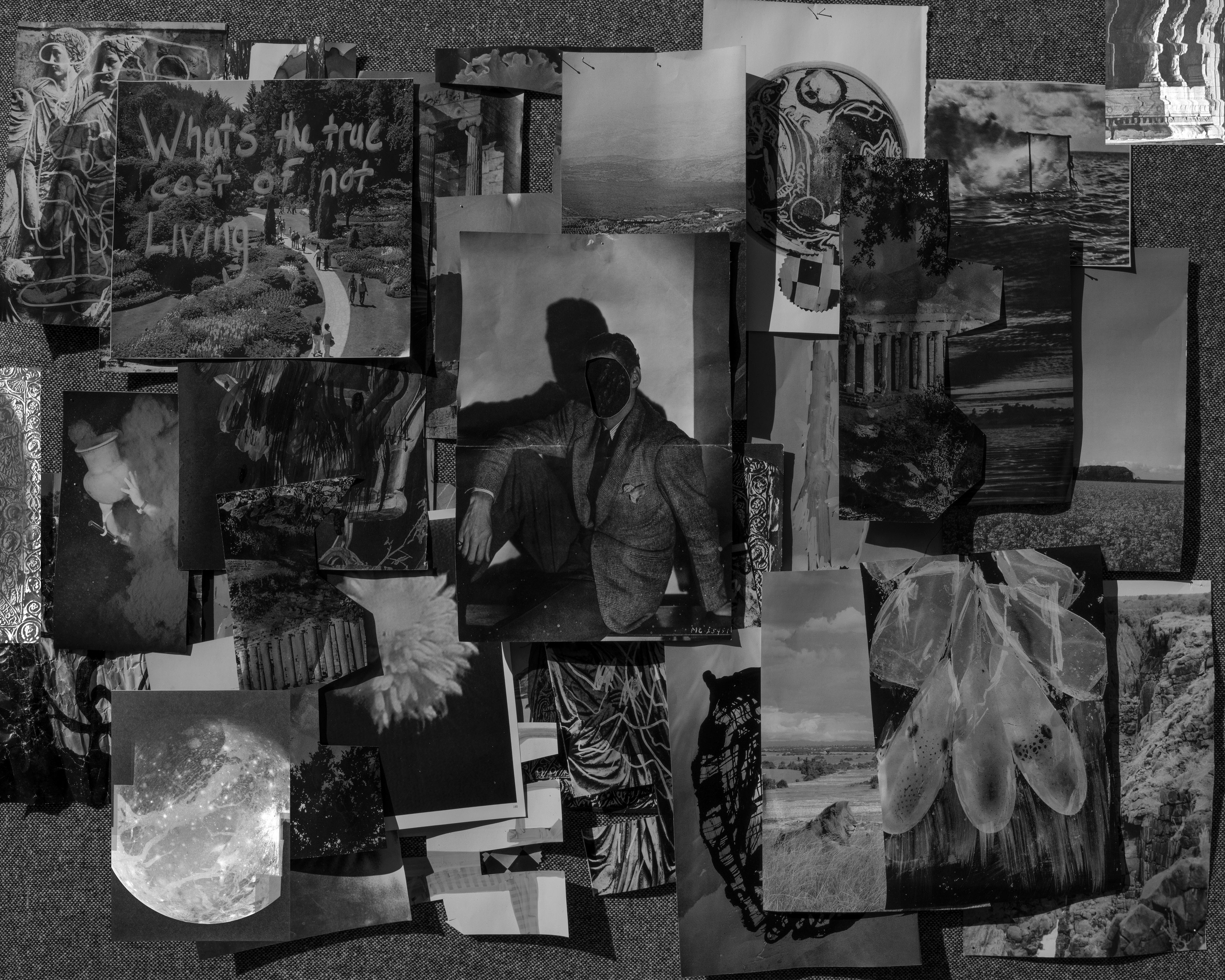


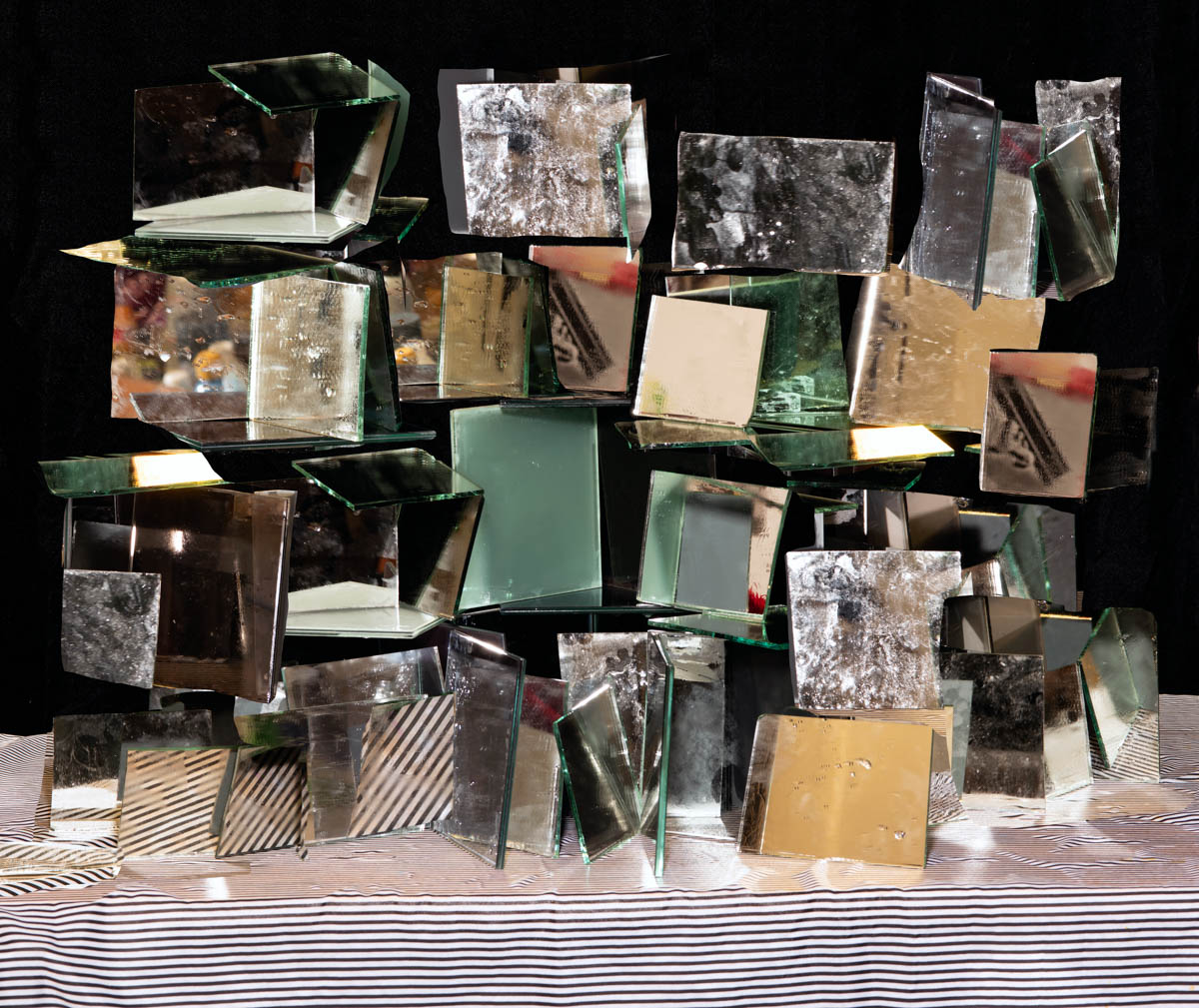

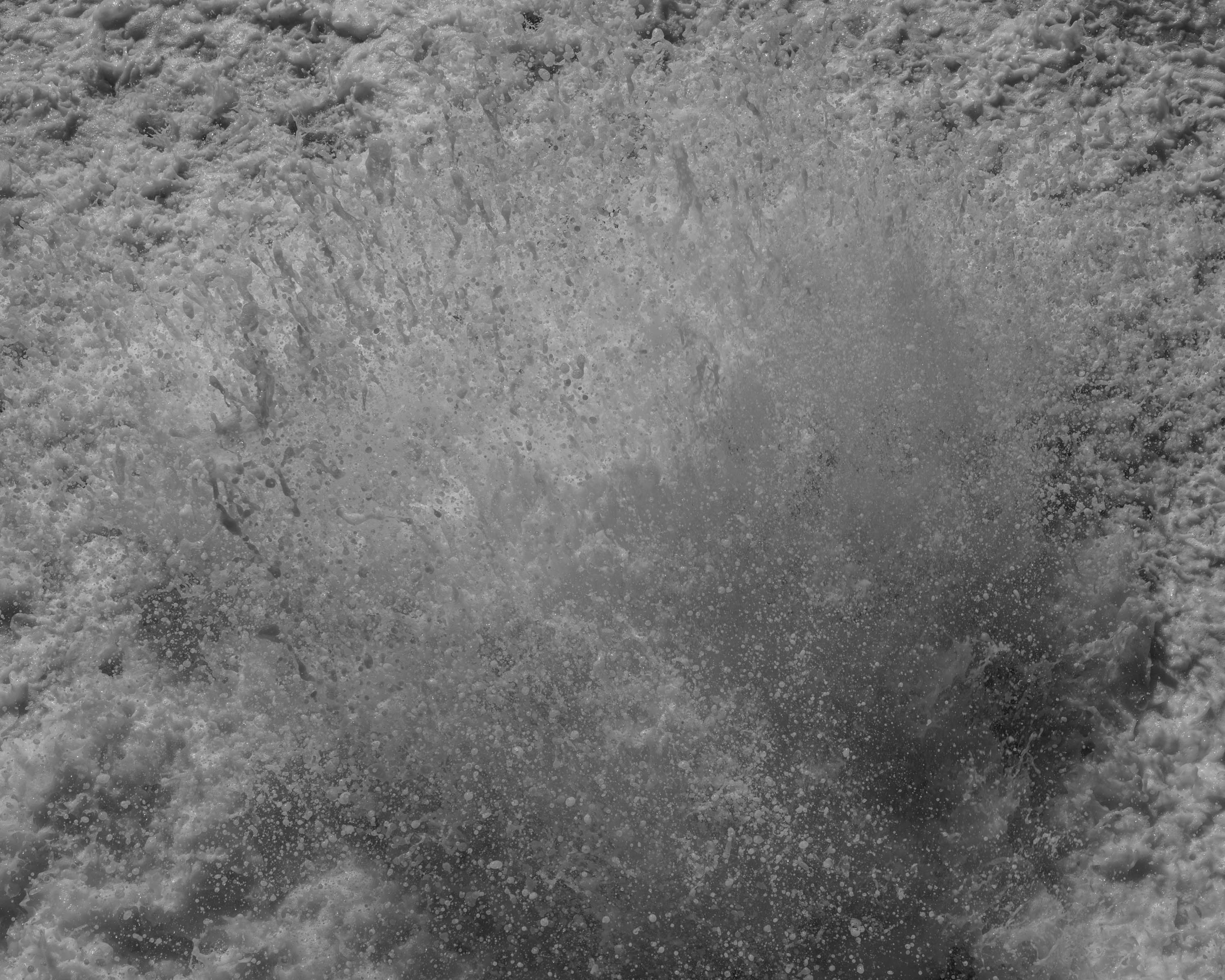

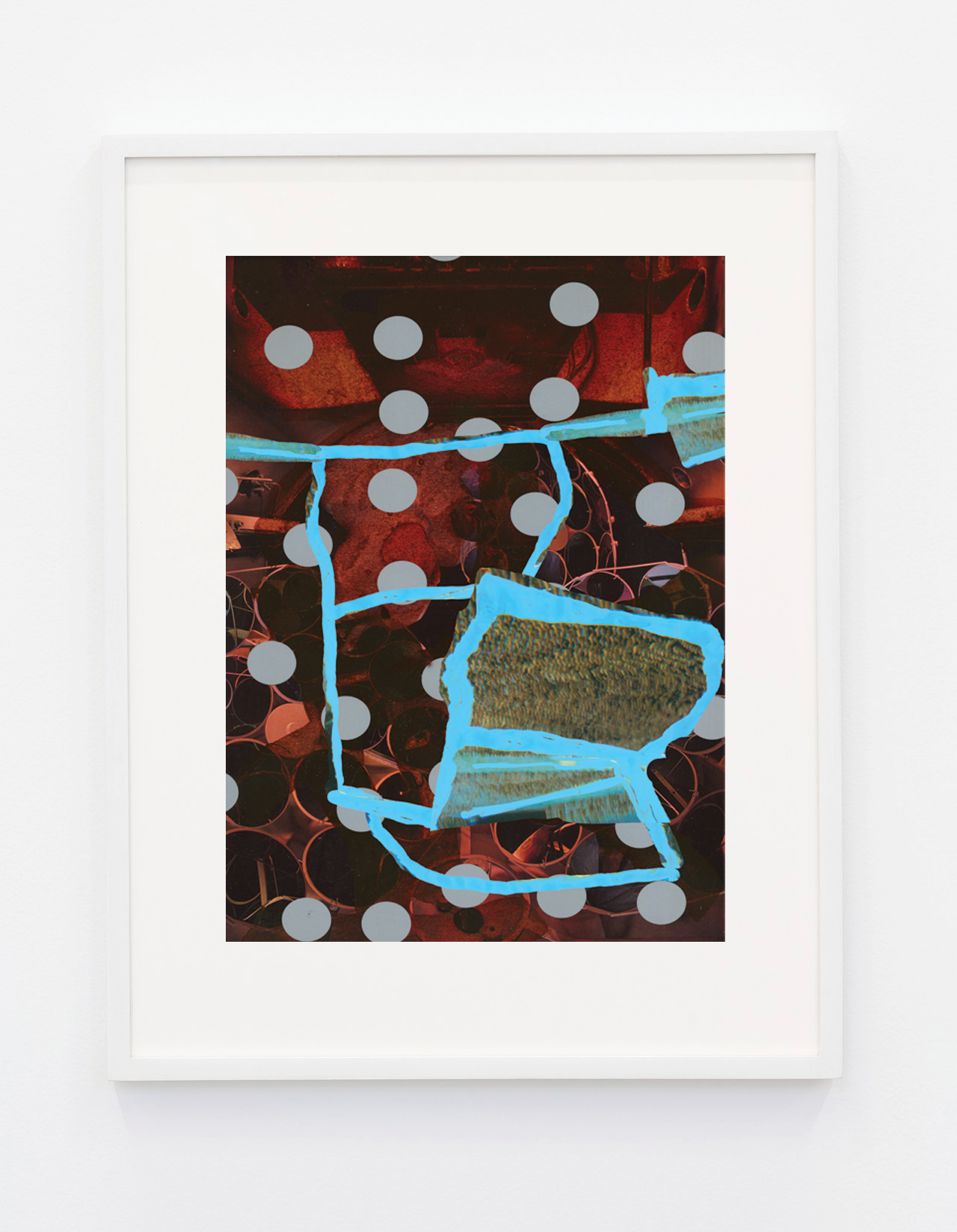

I am not in search of the perfect moment. im suspicous of most images. im seduced by images.
The work begins in not-knowing. That unresolved tension, that refusal to land on an answer, is not a problem to be solved but the point itself. Mystery is the entry point
I use photography to create new worlds within my perceived reality, to ask questions about memory, photography, and its representation and re-presentation.
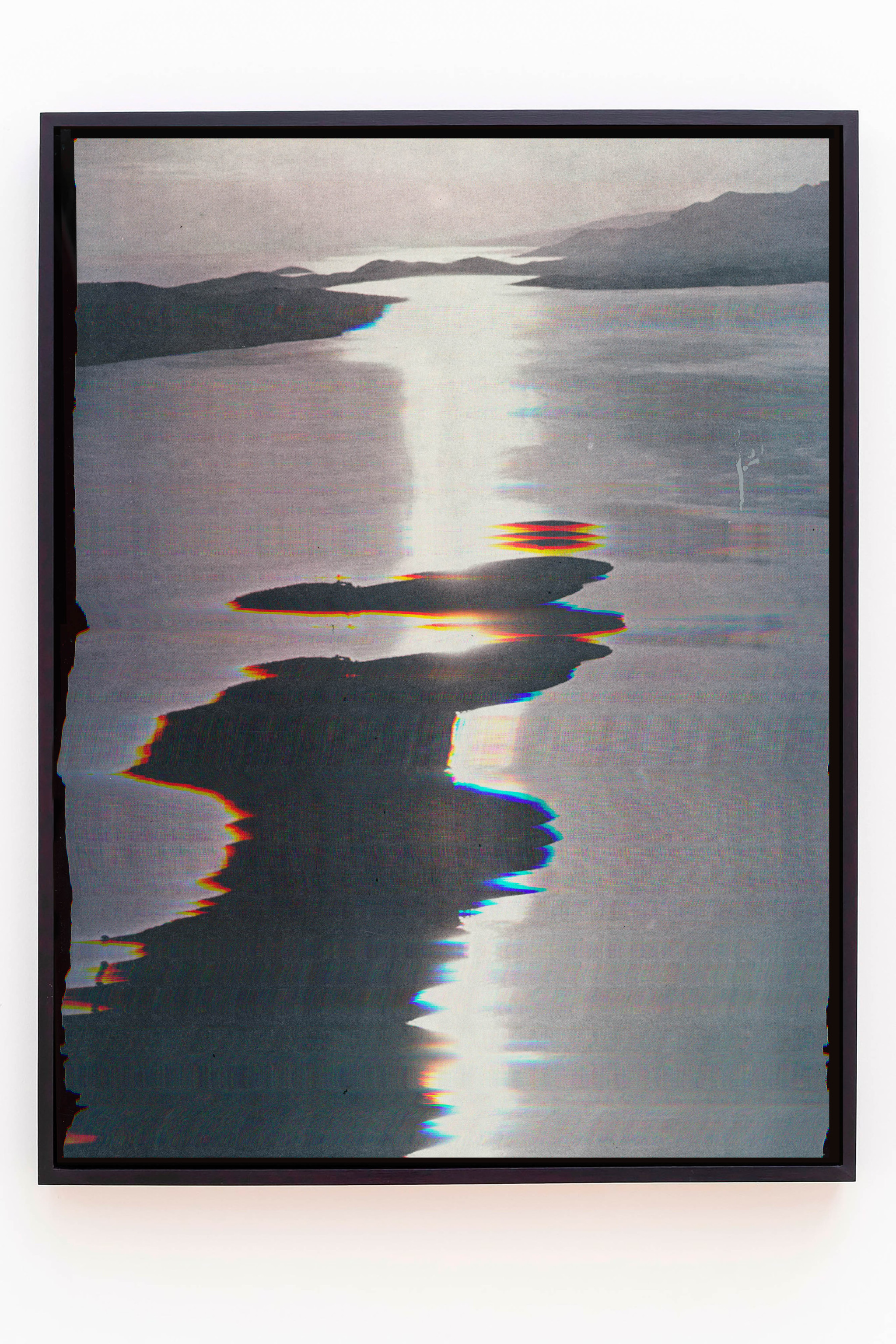
I work with both analogue and digital tools, and I also use the clone stamp and the lasso tool.
Rather than merely capturing emotion, I aim to evoke an emotional response in the viewer that feels strangely familiar. A kind of alchemy, a trompe l’oeil, a Brechtian making strange.
My work does not follow a linear series. It is one continuous and interwoven body of work, like a conversation that never stops. Ideas shift over time, older themes return, and new ones appear.
I am not only interested in what lies in front of the camera. I am equally drawn to what lies behind, beneath, and to the side of the frame.
Good ideas matter more to me than sharp or colourful or pretty pictures.
Photographs should rarely need text to support them, although that itself may be untrue.
I am guided by the basic tenets of Gestalt theory: proximity, similarity, continuity, closure, and connectedness.
I follow gut feelings through my one right eye. (unreliable evidence)
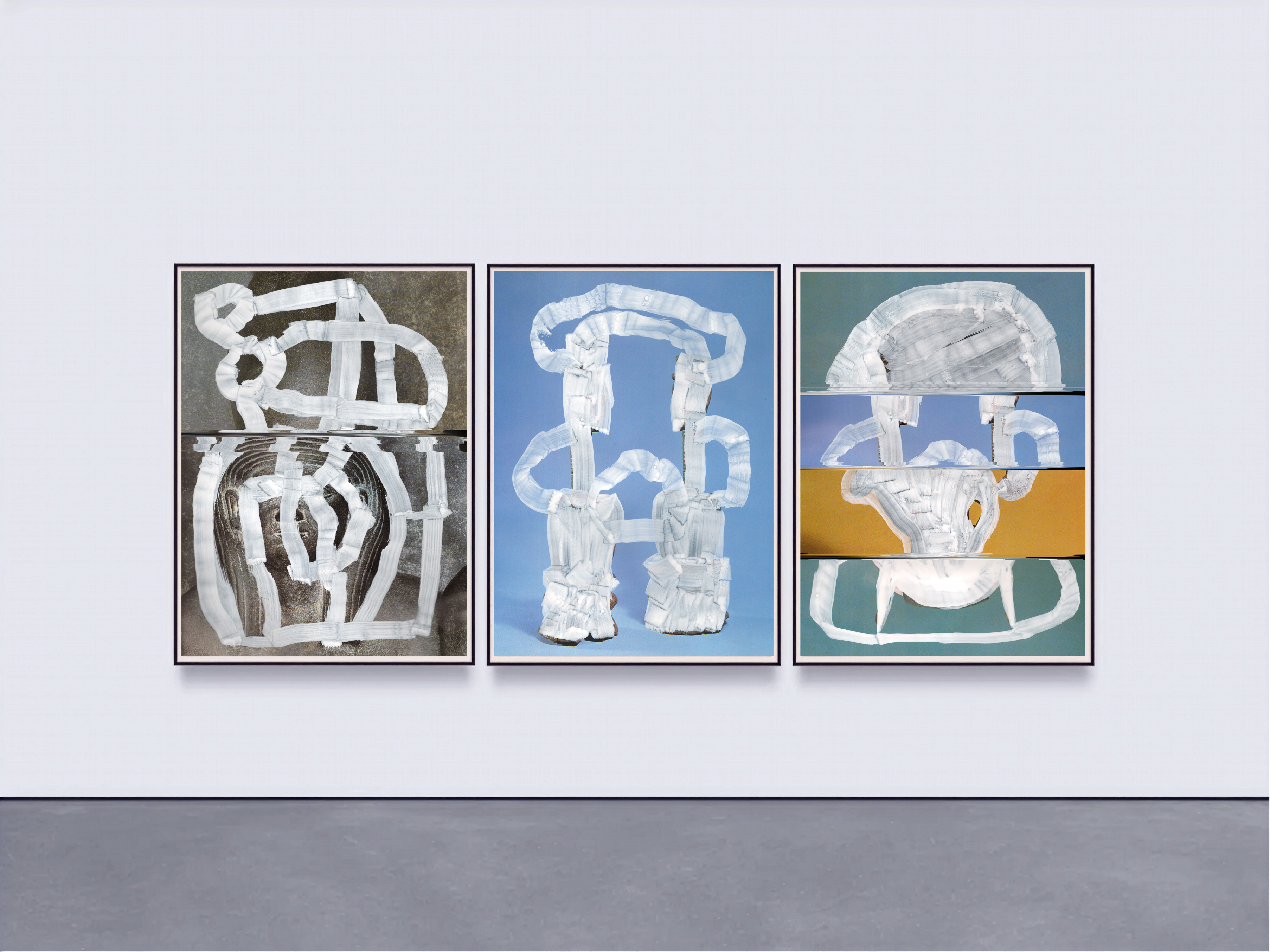
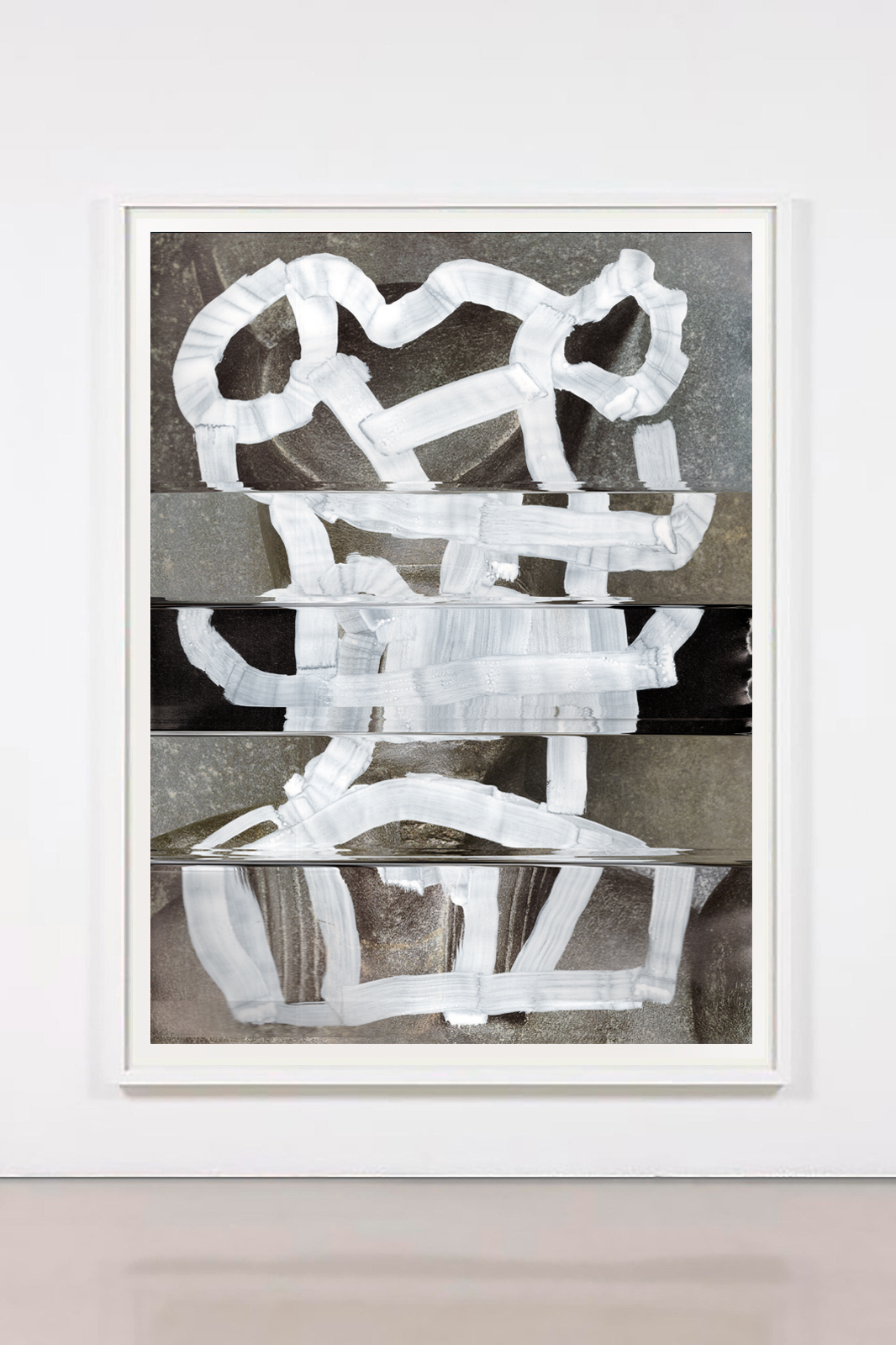
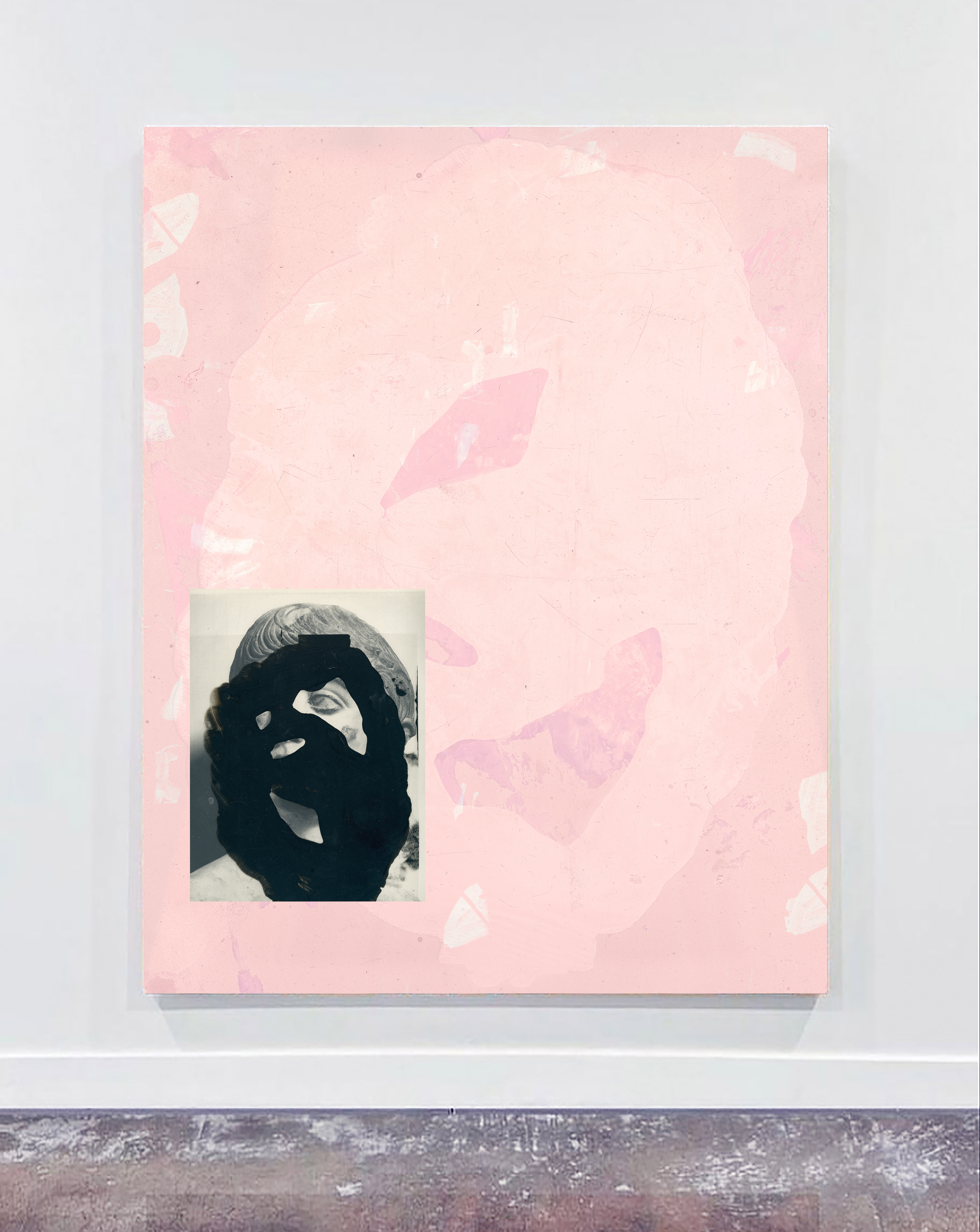
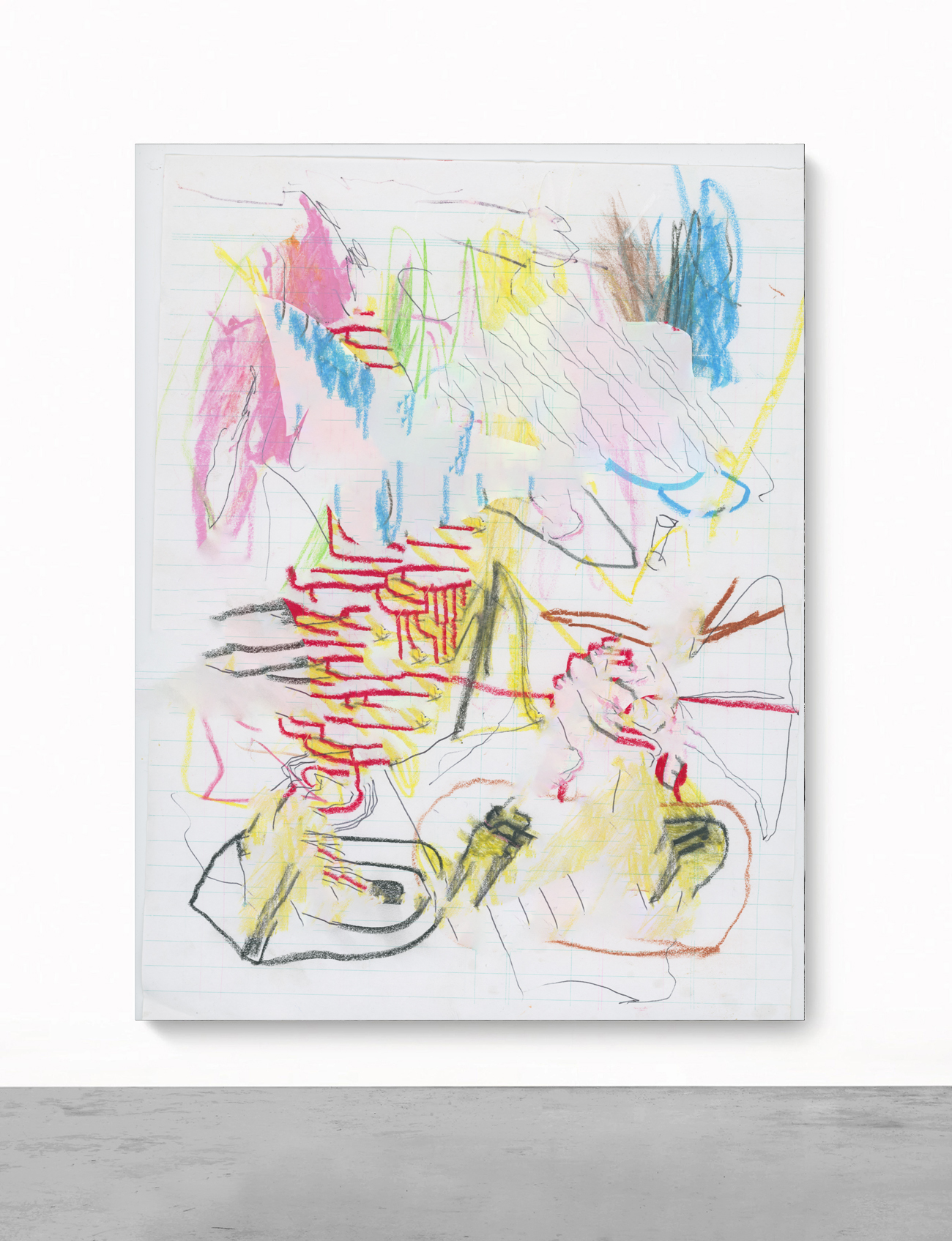
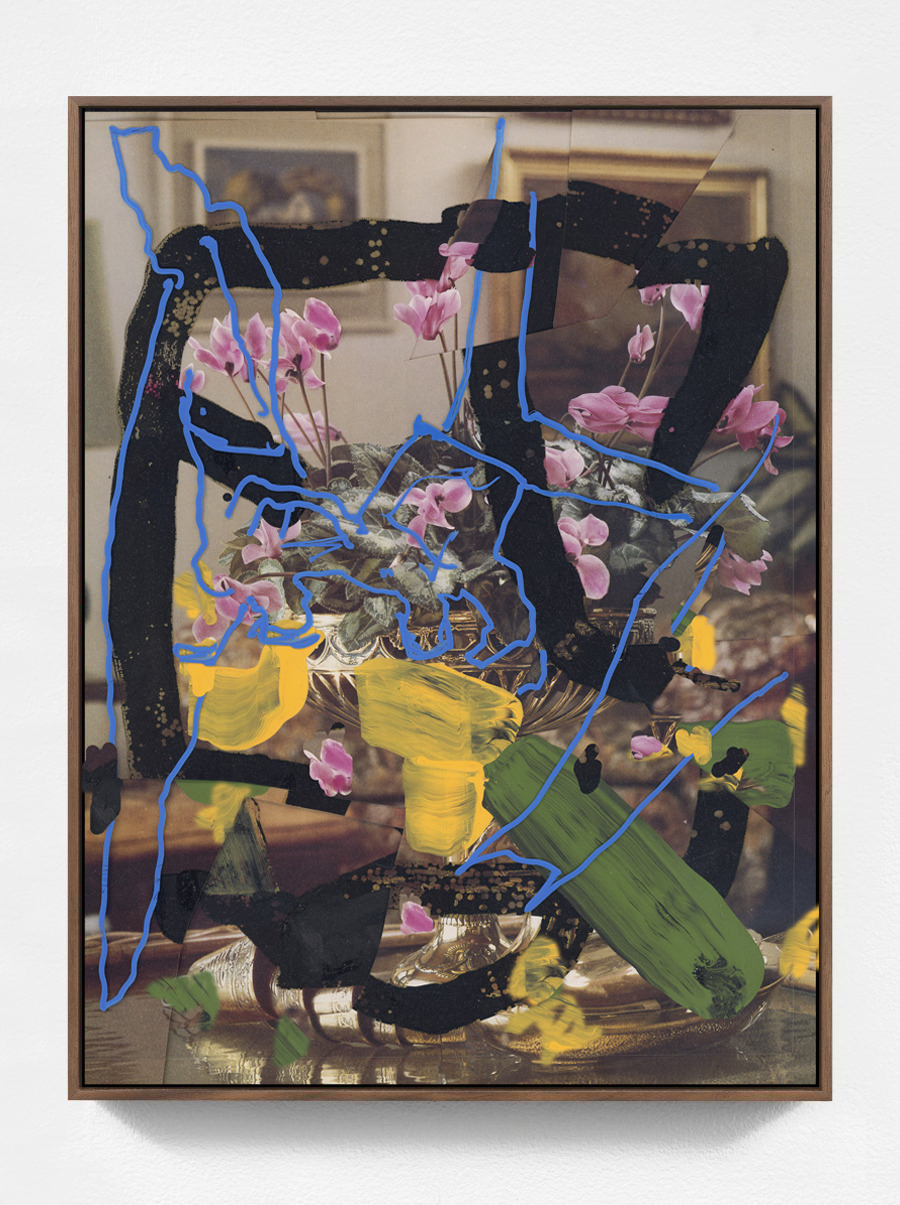
I use video, photography and painting in conversation with each other.
My influences include Michael Schmidt, Roe Ethridge, John Divola, Thomas Ruff, John Gossage, Lucas Blalock, and Robert Cumming
An image made with a smartphone is as meaningful as one made on large format or with a potato pinhole camera.
I knew all of this before, but I lacked the language to express it.
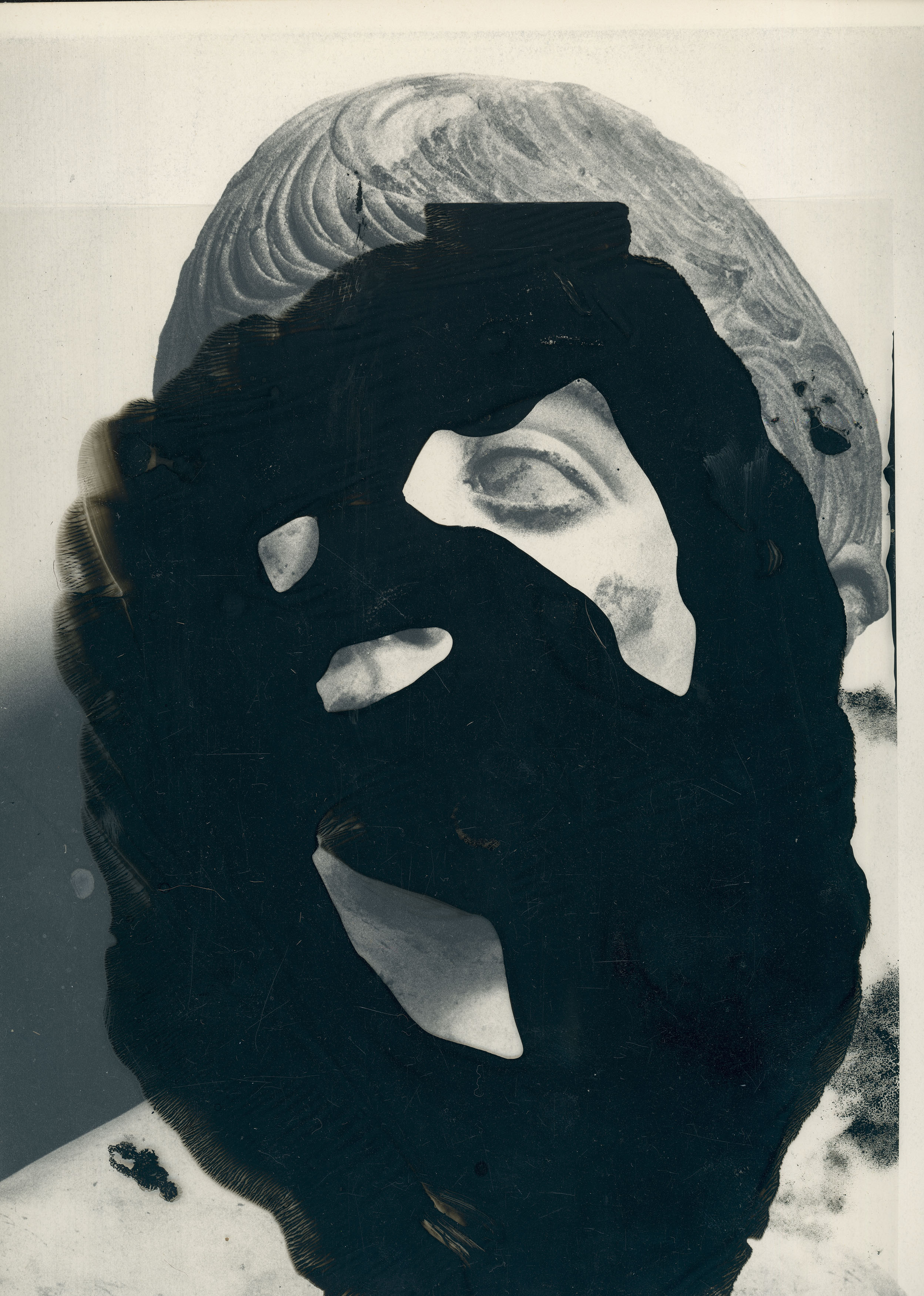
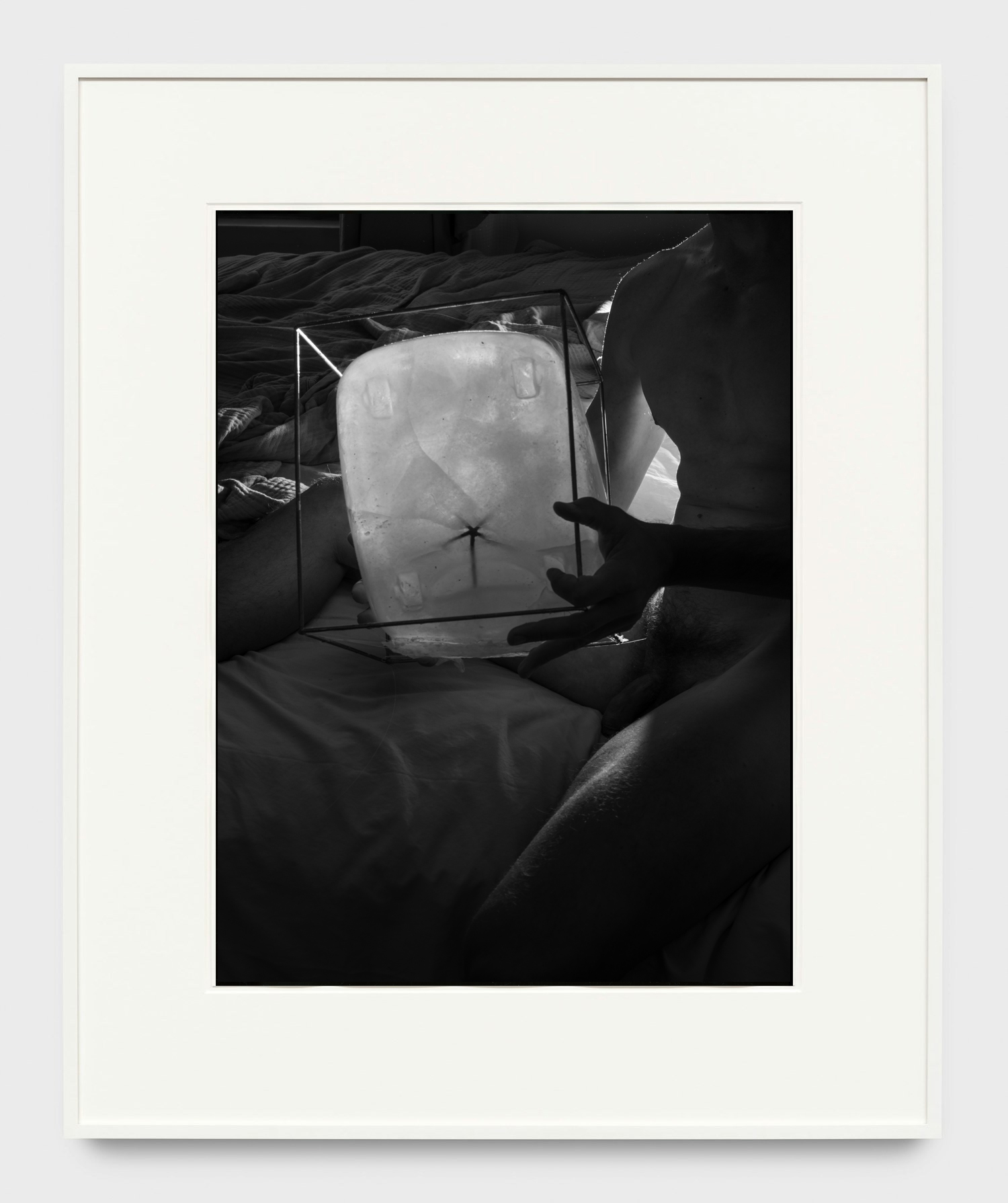
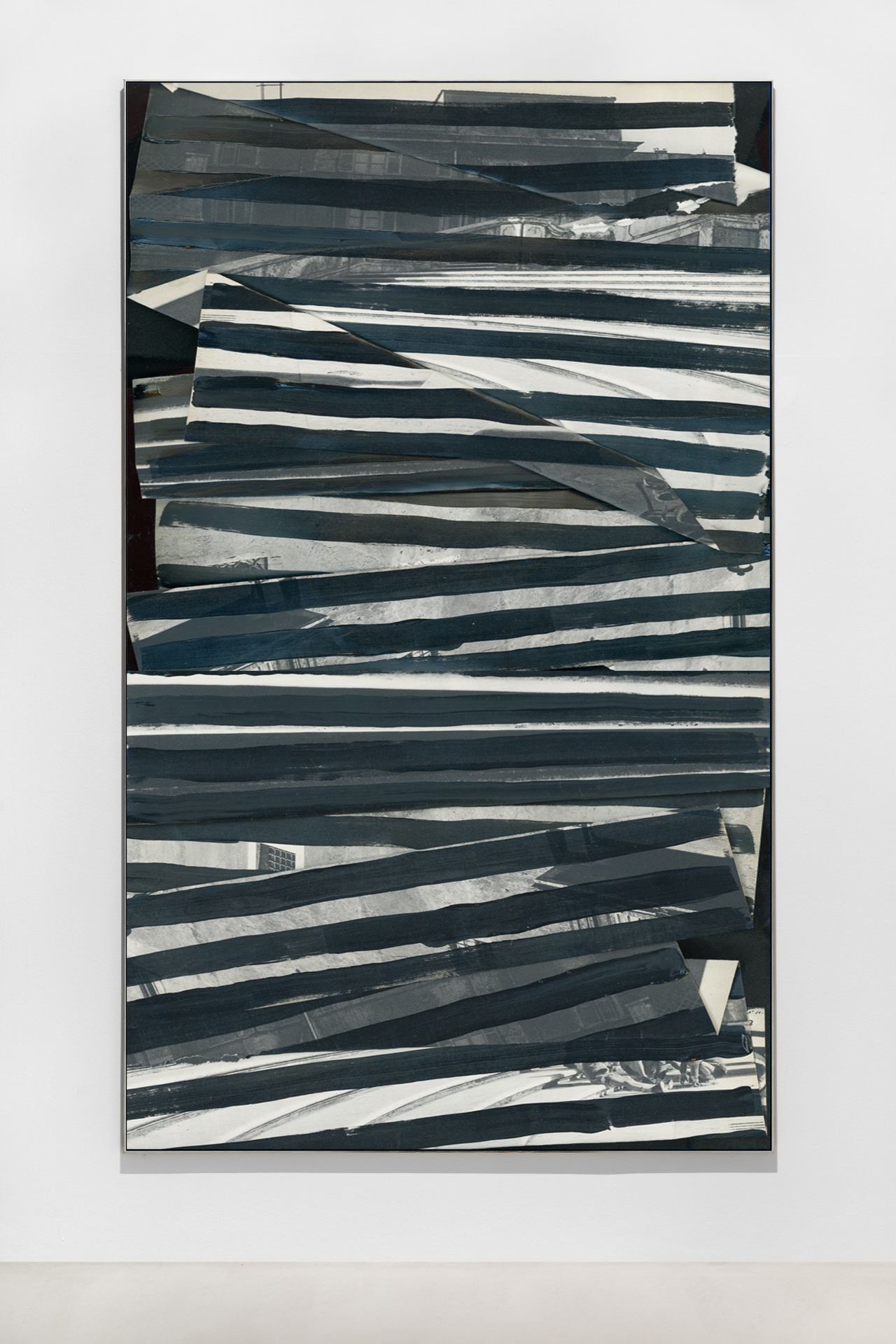
I am interested in sculpture and form, but my main concern is transformation, the moment when a thing becomes something else through the camera.
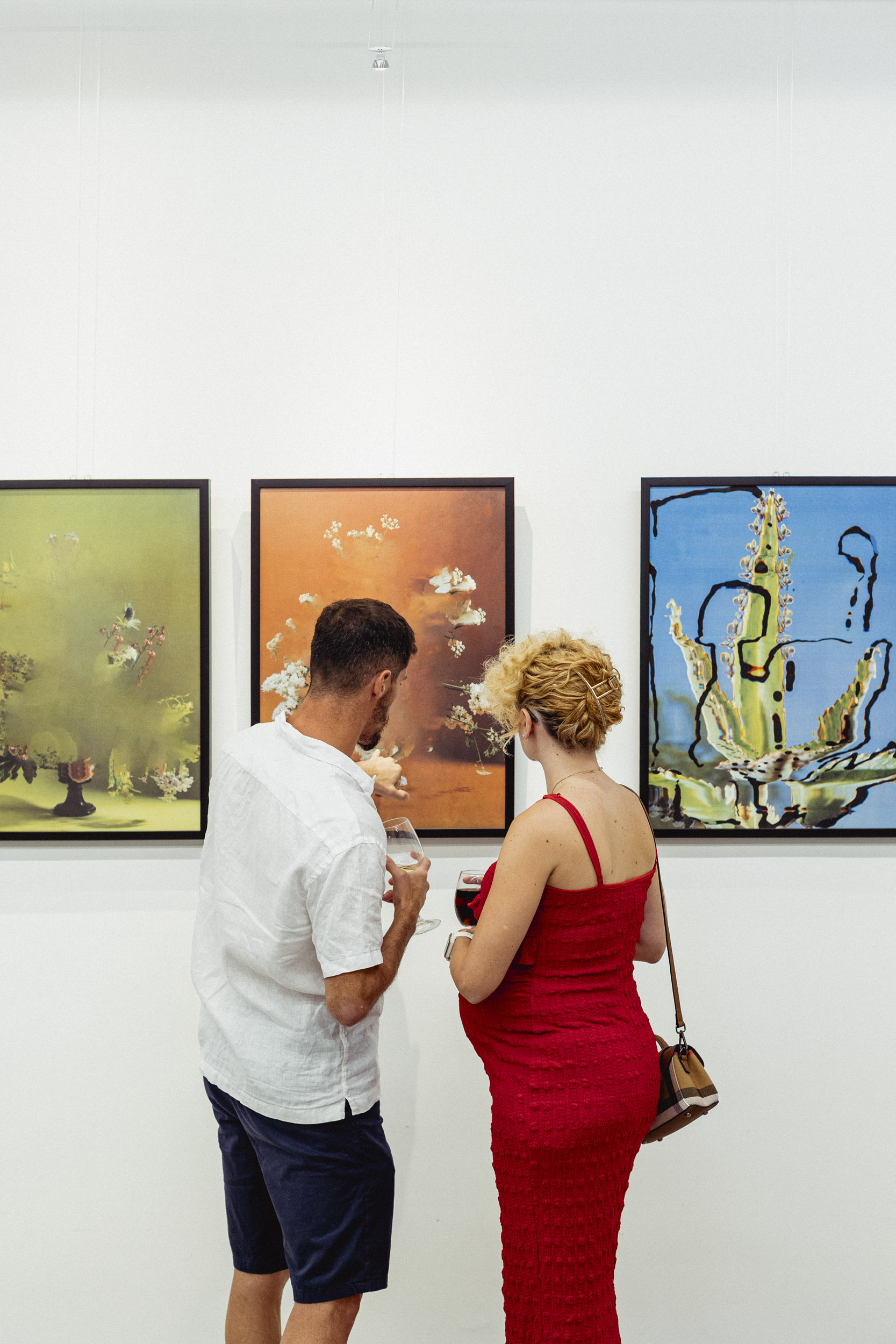
My work can be read as a sampler of photographic genres. Portraits, landscapes, nudes and still lifes sit together to reveal the medium and its limitations.
The only part of my process that I truly value is intellectual curiosity expressed through experimentation. Strategy over certainty.
If I ever begin to know exactly where the work is going, I will stop.
This is an ode to effort.
My work lives inside my body. Mind, body and technology.
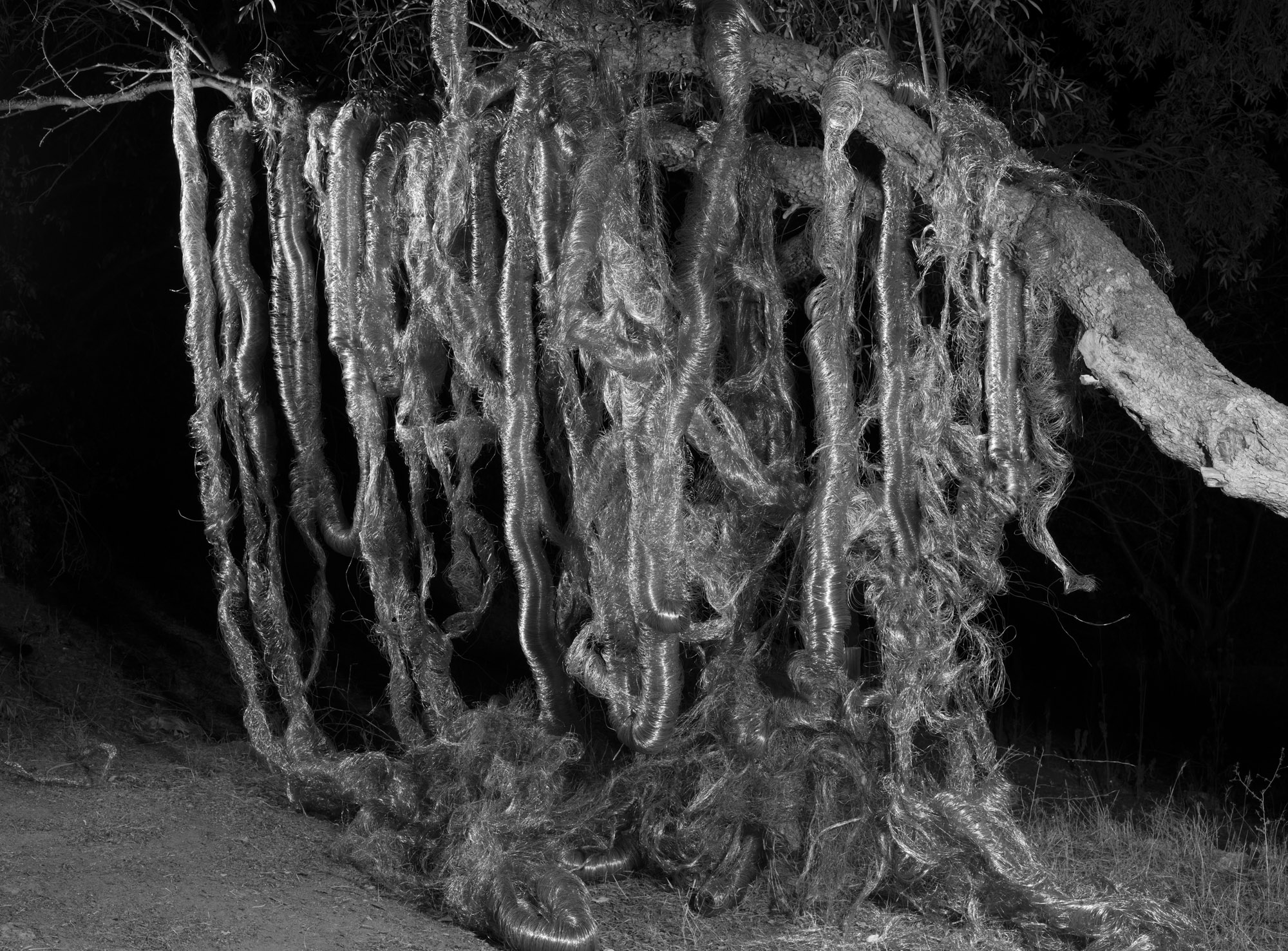
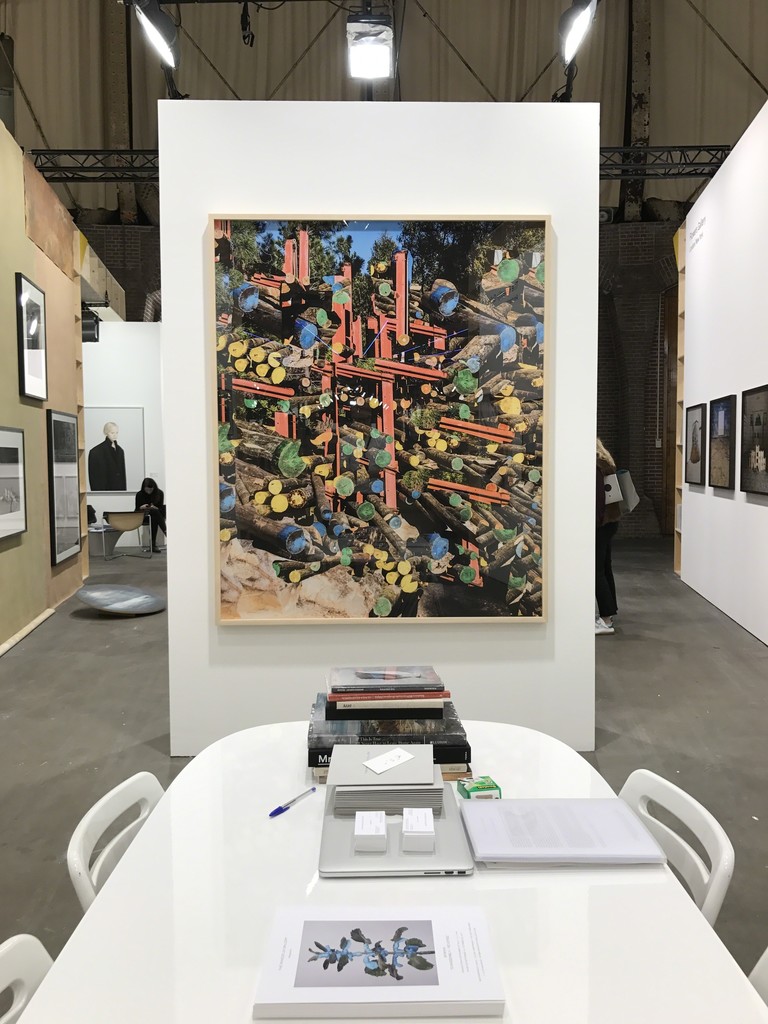
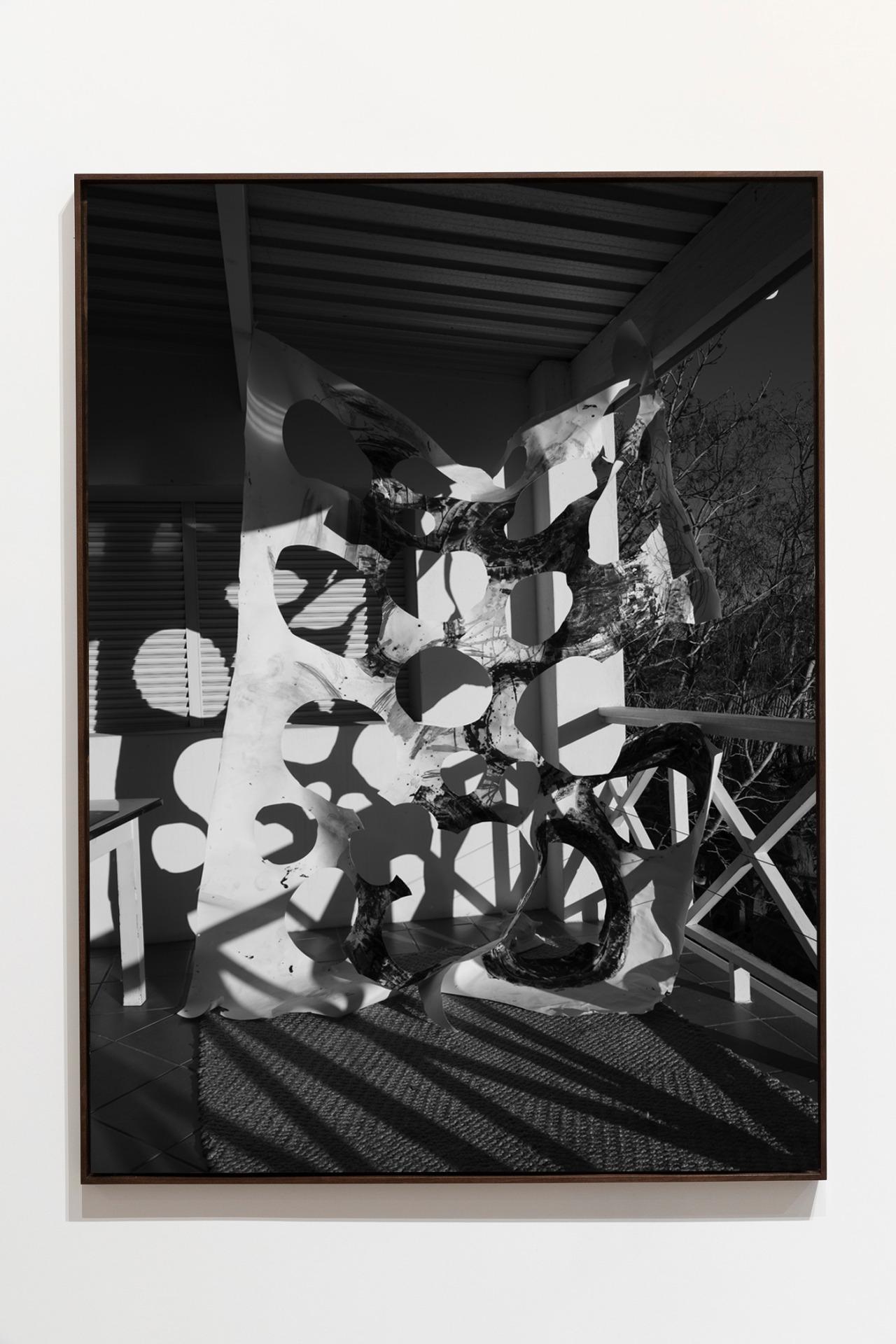
I use what I find lying around and convert this debris into a theatrical mise en scène through a form of creative alchemy.
This urban flotsam and jetsam carries its own knowledge and its own built-in aesthetic, which I unearth and explore in my constructions.
I try to surprise myself, to make unsolvable pictures that I have not seen before, and to get beneath the surface.
I trust the indecisive moment.
Like music, it operates below language, in the space where meaning is sensed before it is understood.
Don’t dissect it, pin it down, label it, kill it
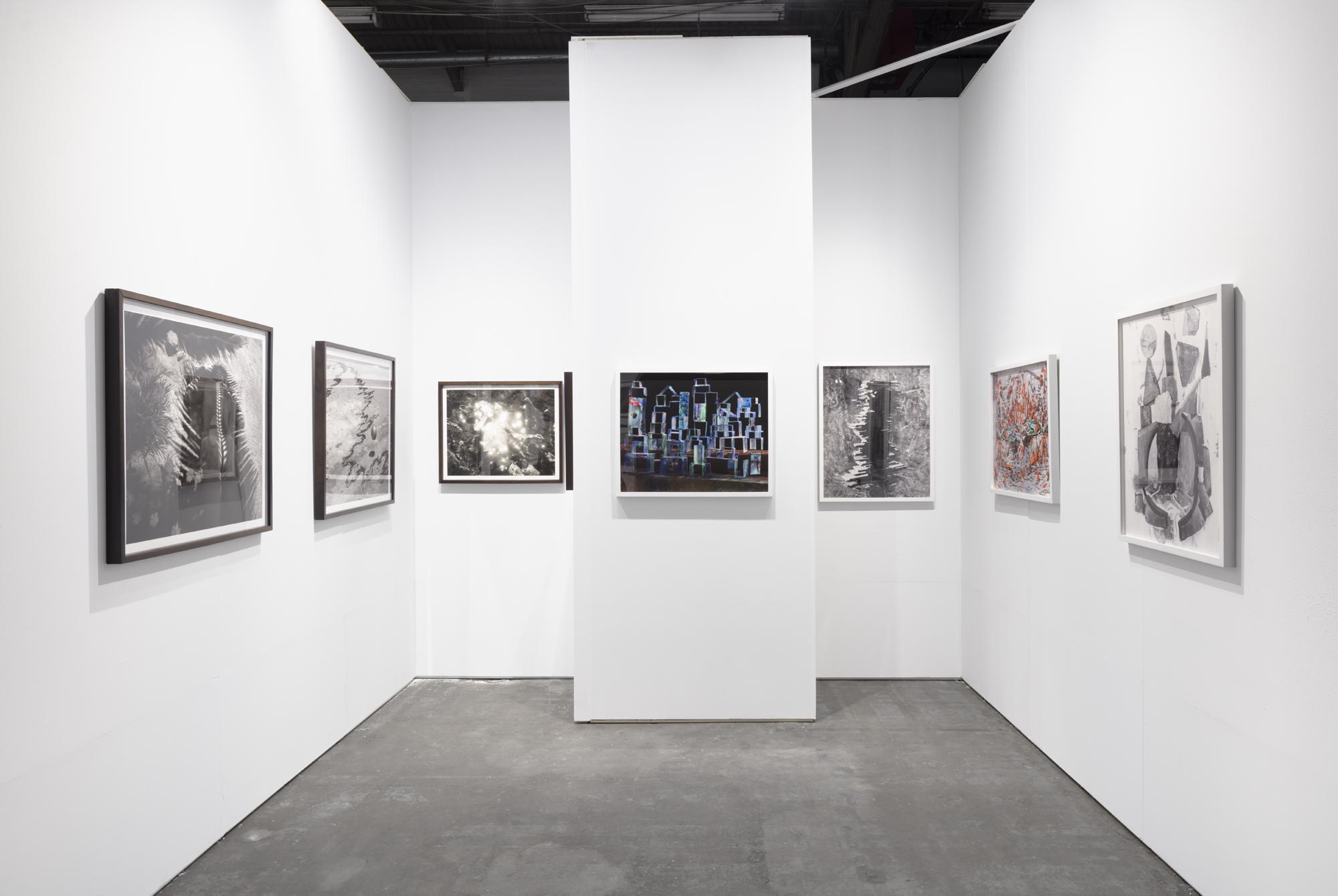
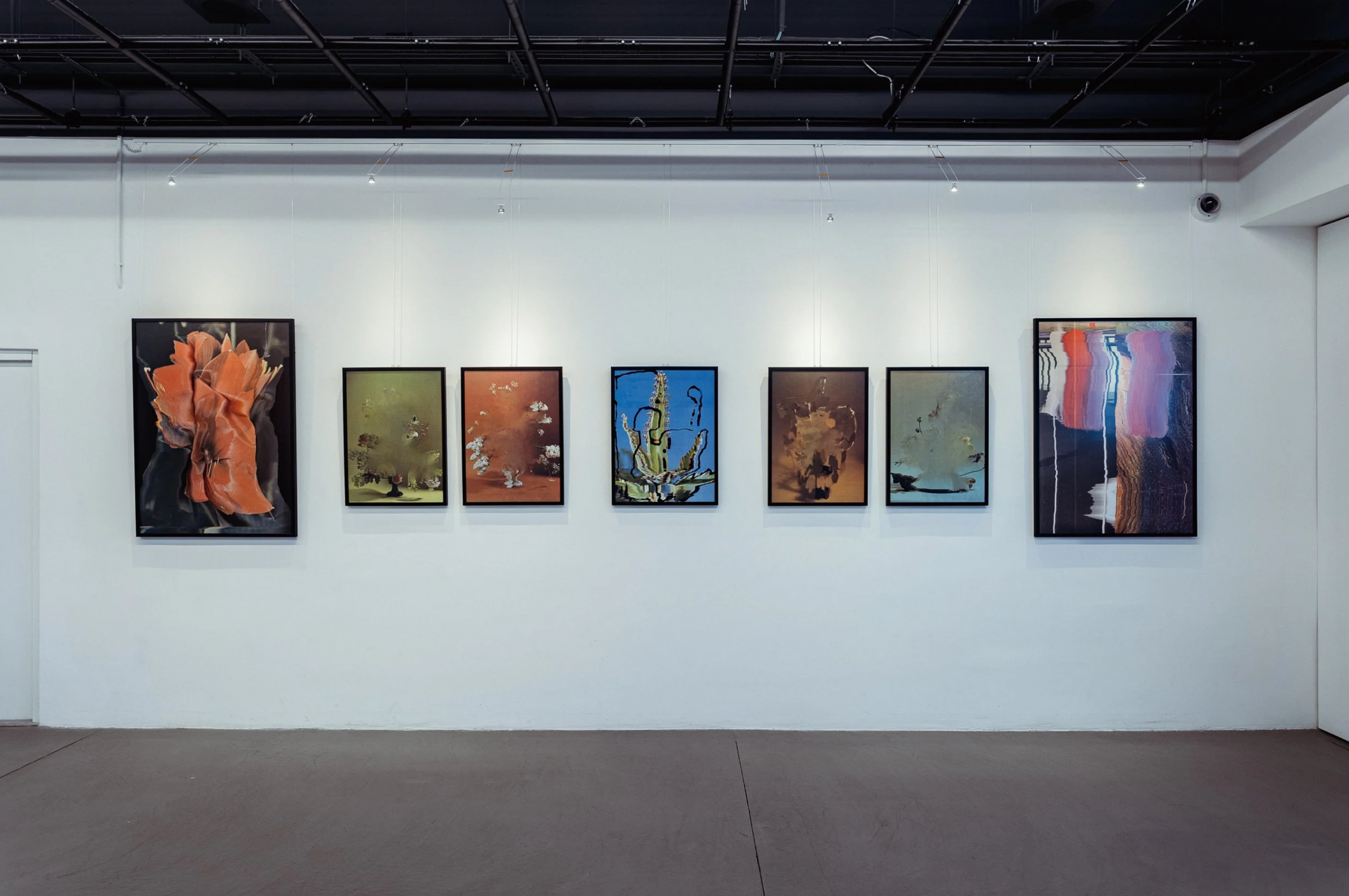
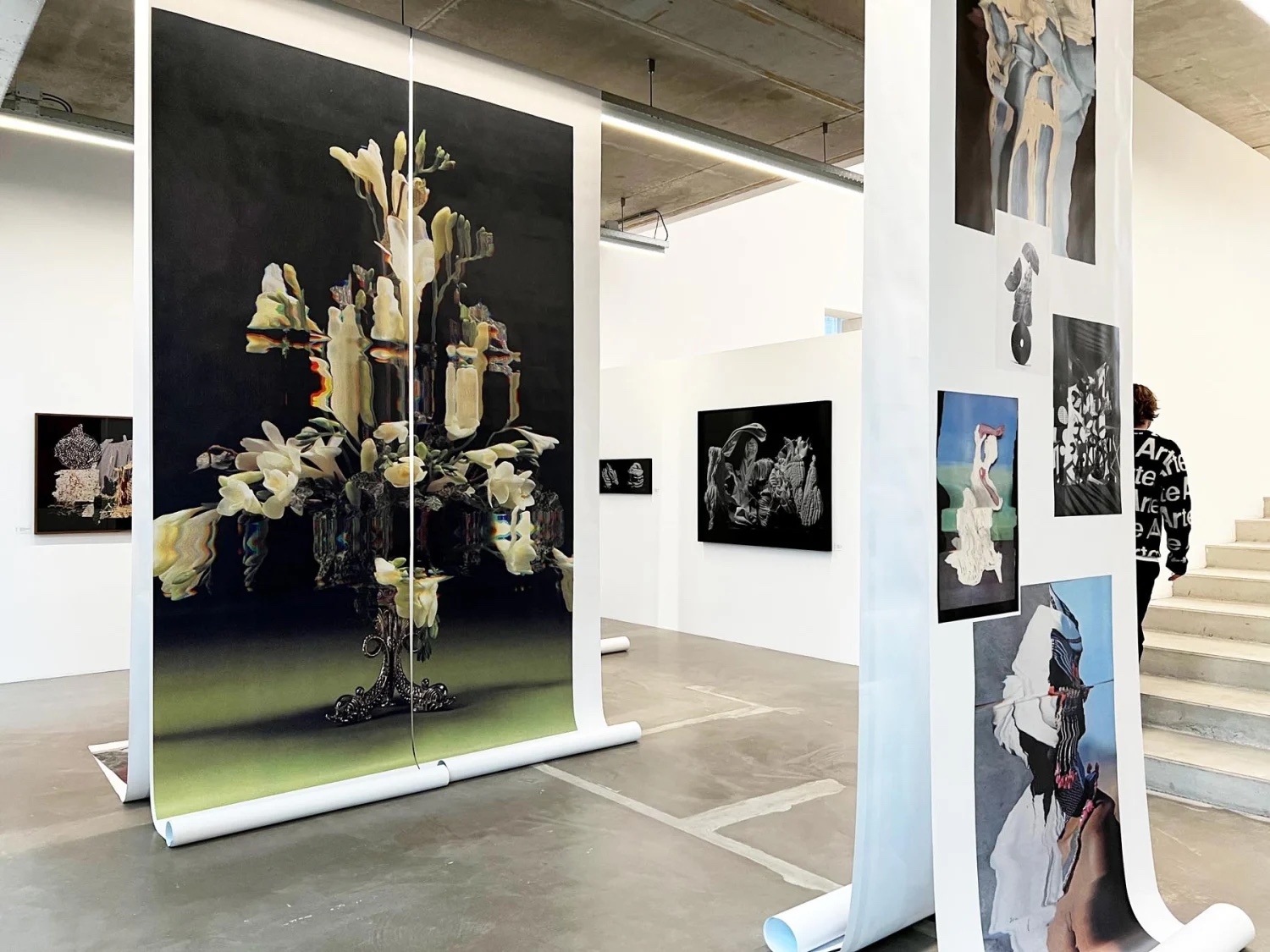
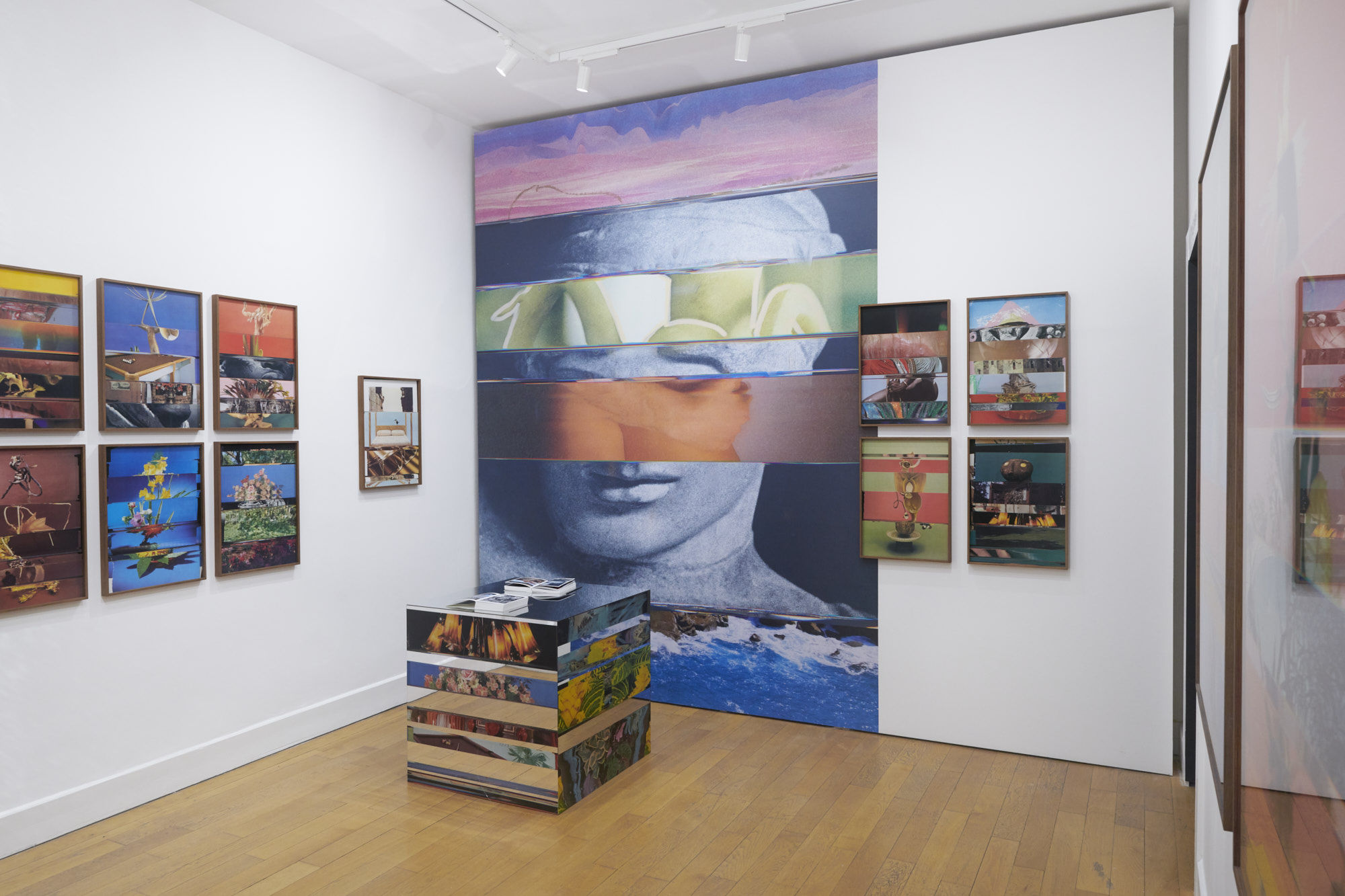
I believe in the power of the single image, but I am increasingly interested in the patterns and associations that appear when images are sequenced in a book or on a wall.
In a time when the internet is overwhelmed by slick and generically stunning AI images that cause visual fatigue, I sense the rise of a counter image. The idea of photography as a truthful index of reality is dissolving.
What is an image of, when anything can be faked? Does subject matter even matter?
A lo-fi Polaroid of your untattooed lover may one day feel more radical than a billion midjourney hallucinations.
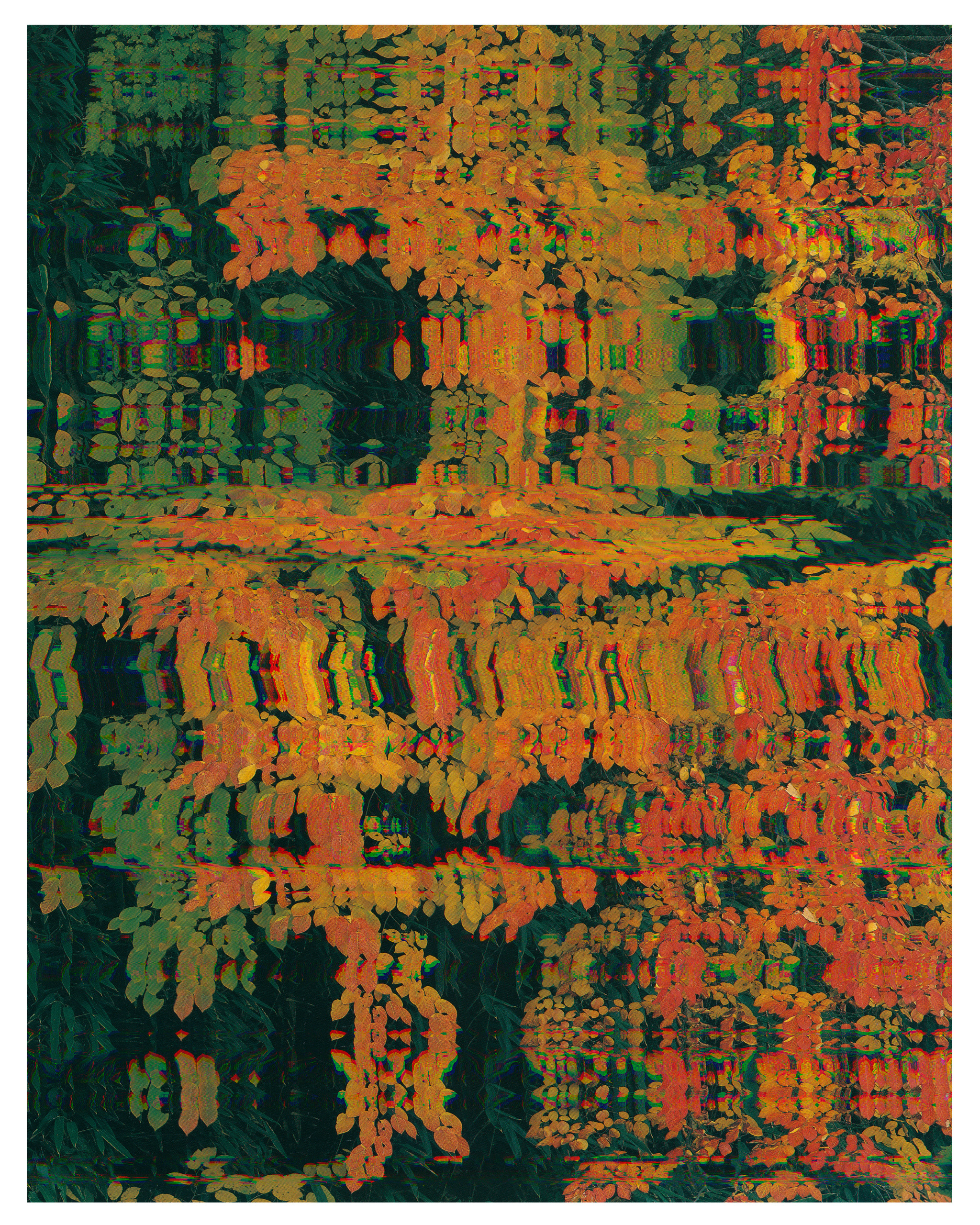
The near future of photography feels post gloss, grainy and unpolished, tactile, raw, and full of error. Embedded work such as film, damaged negatives, timestamped chaos. Work that asserts presence.
Make more than you complain

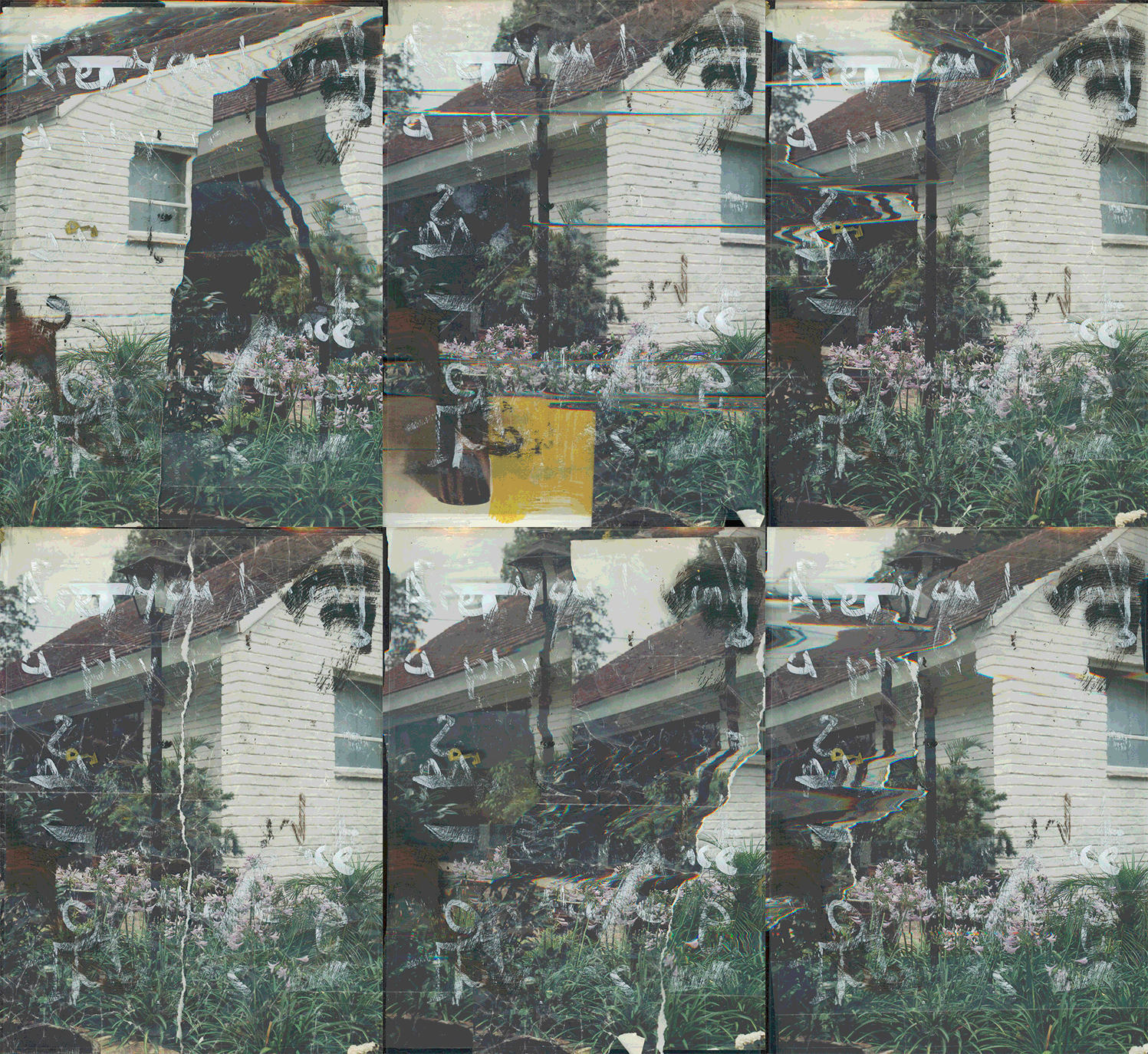


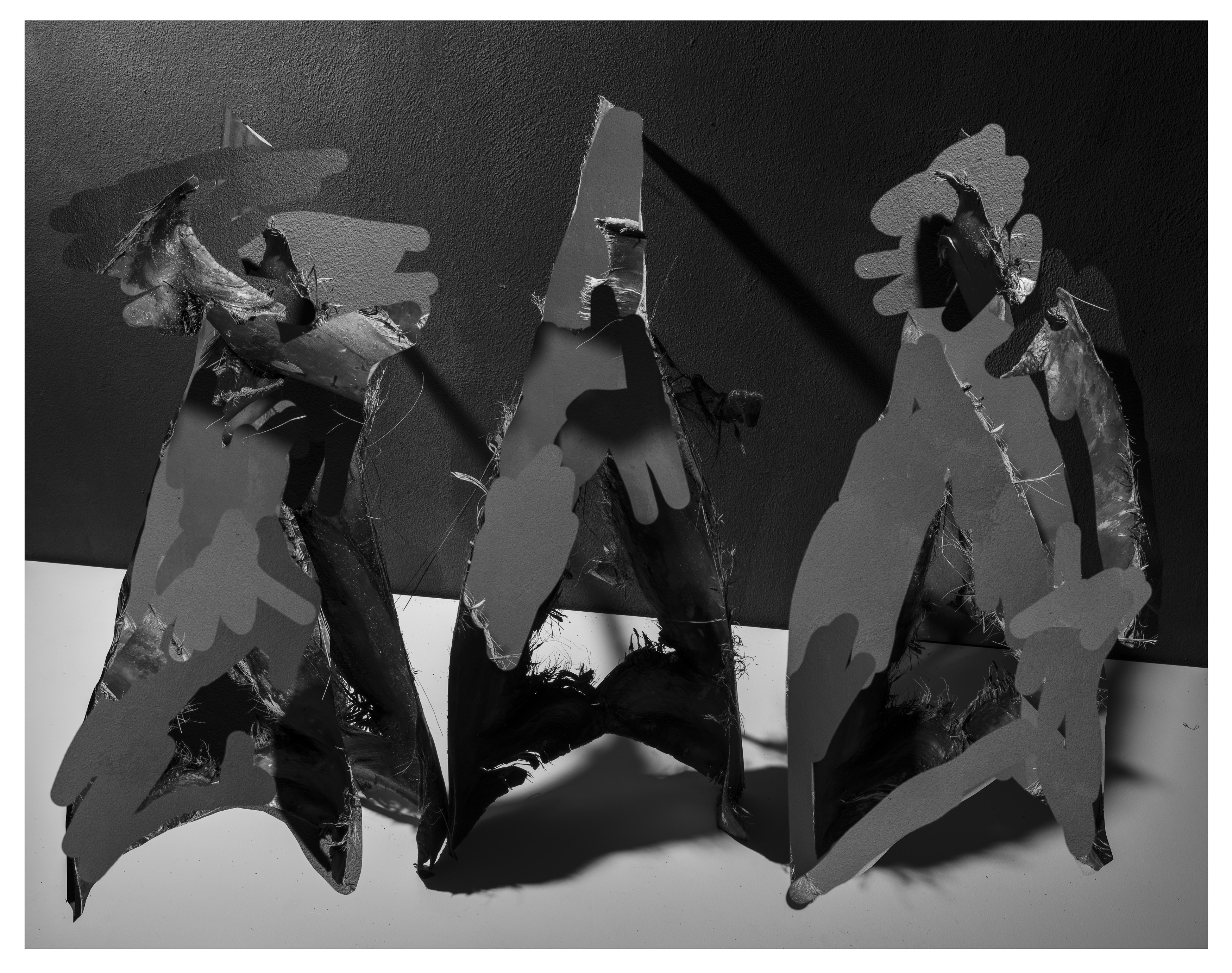


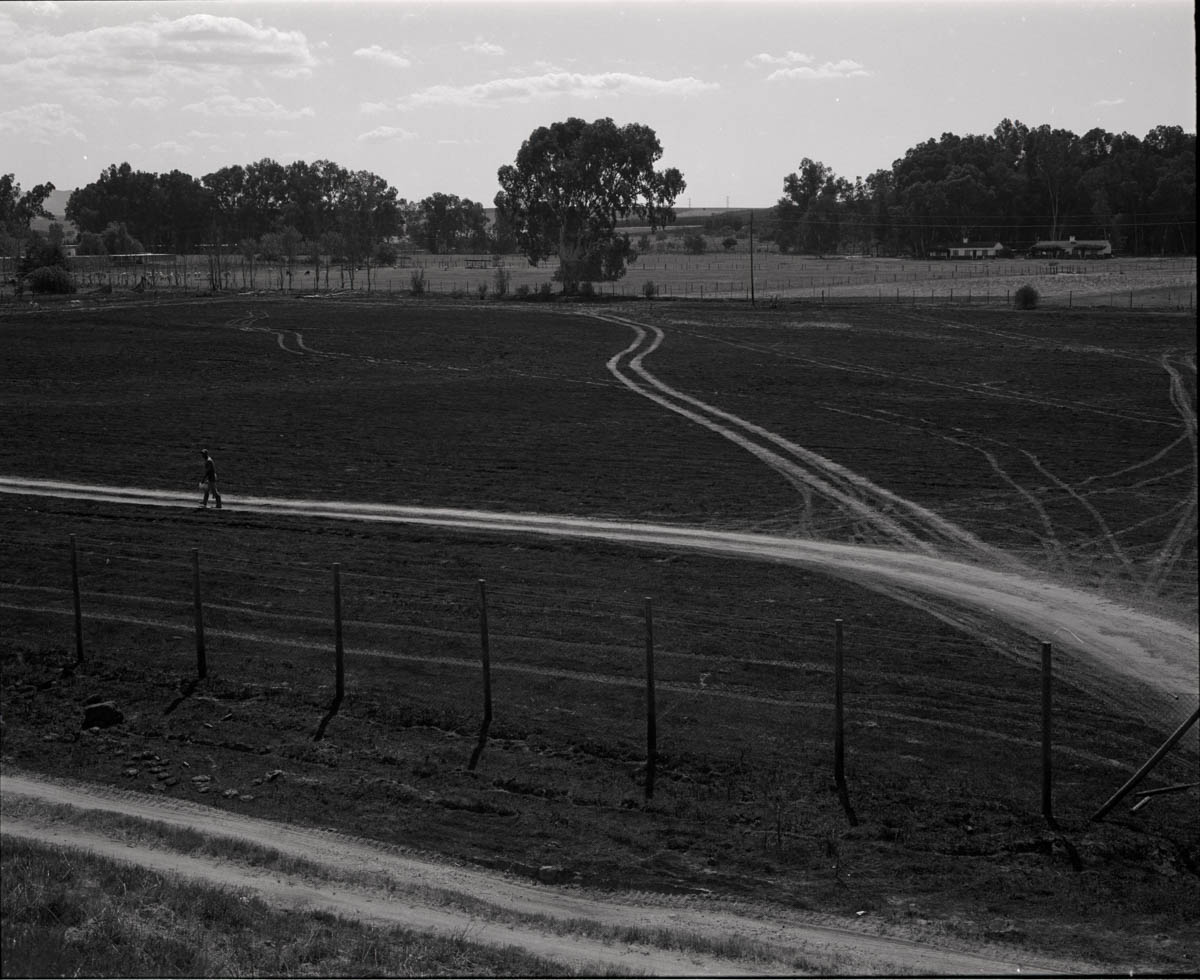
Nature vs Culture:
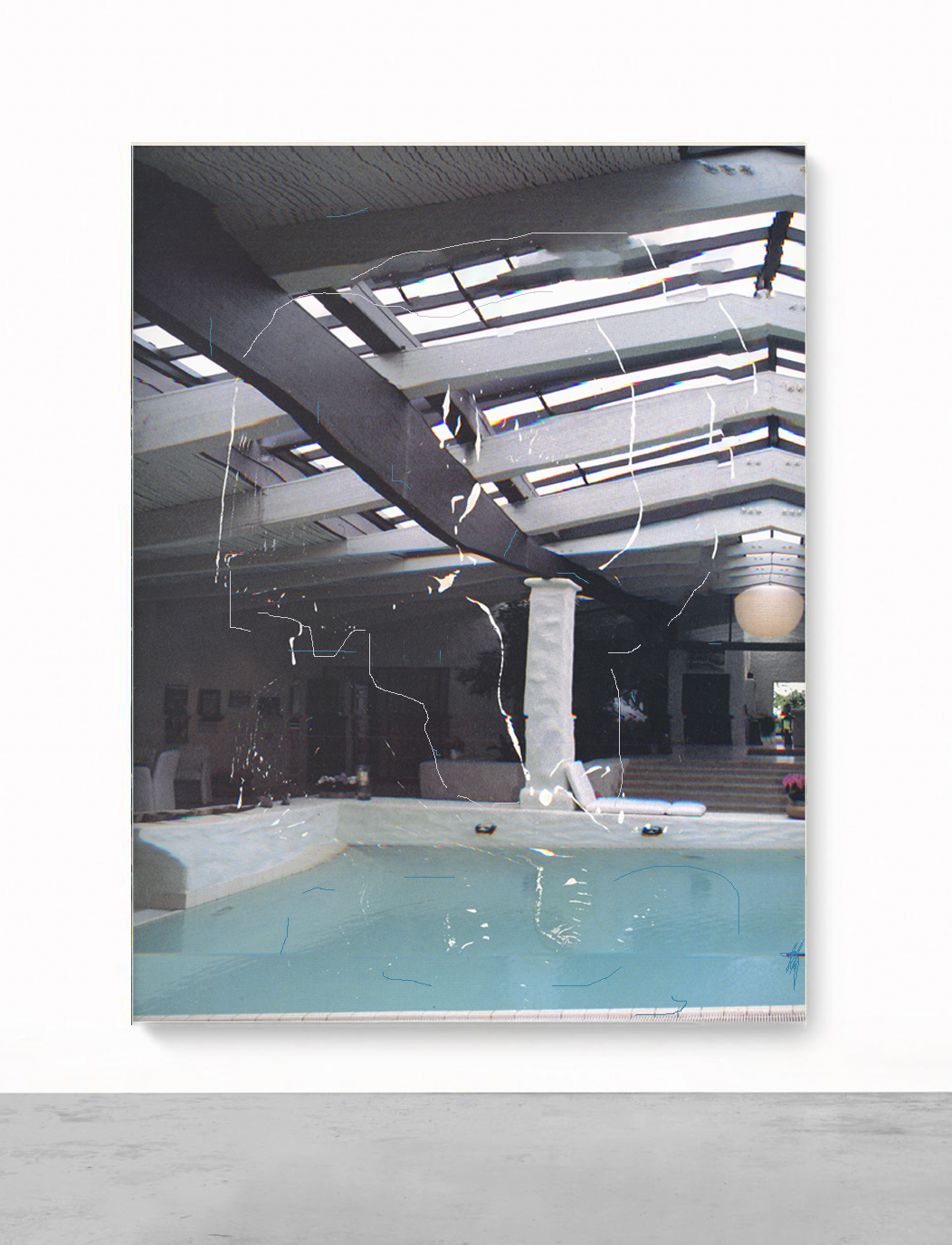
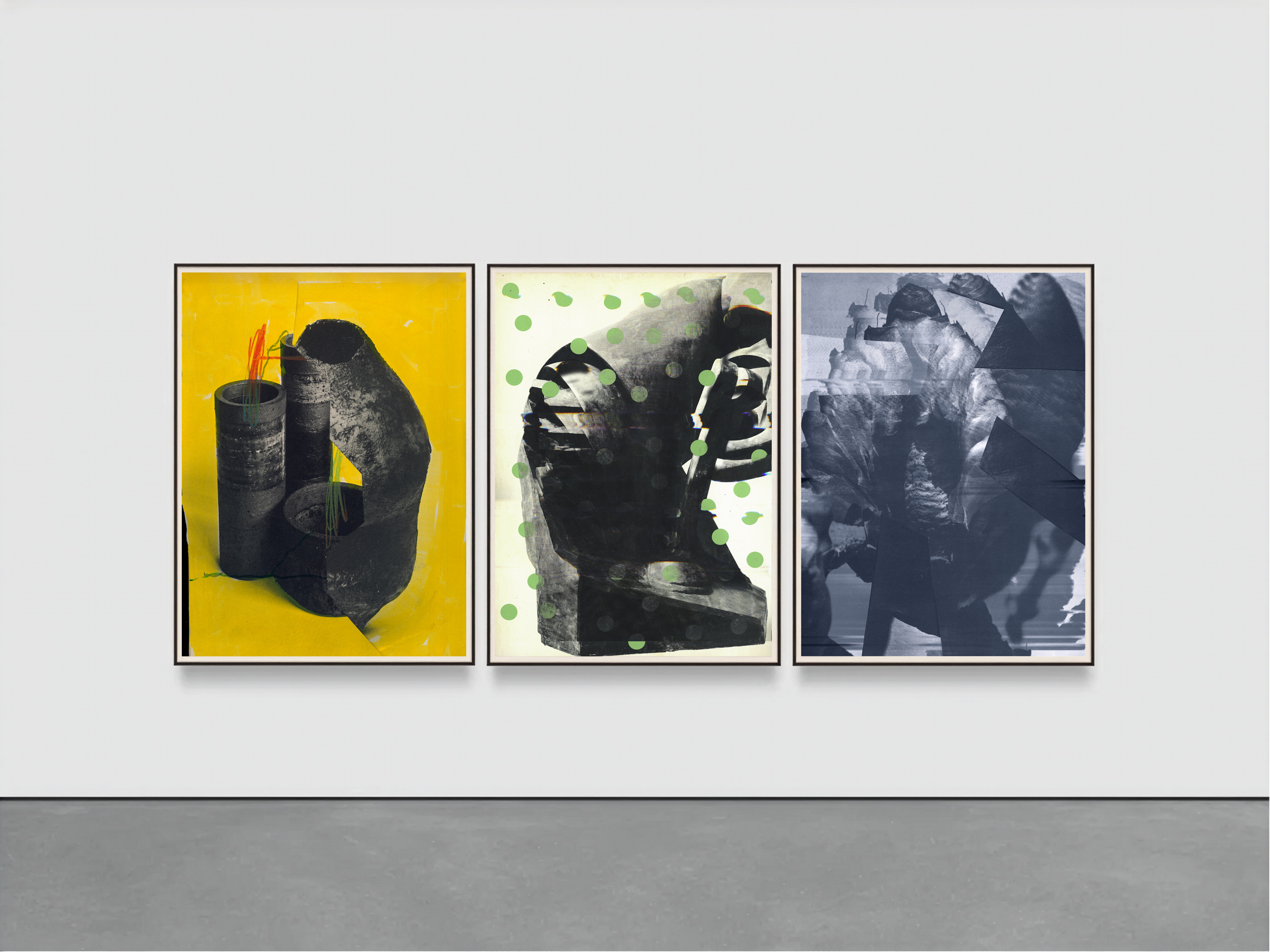
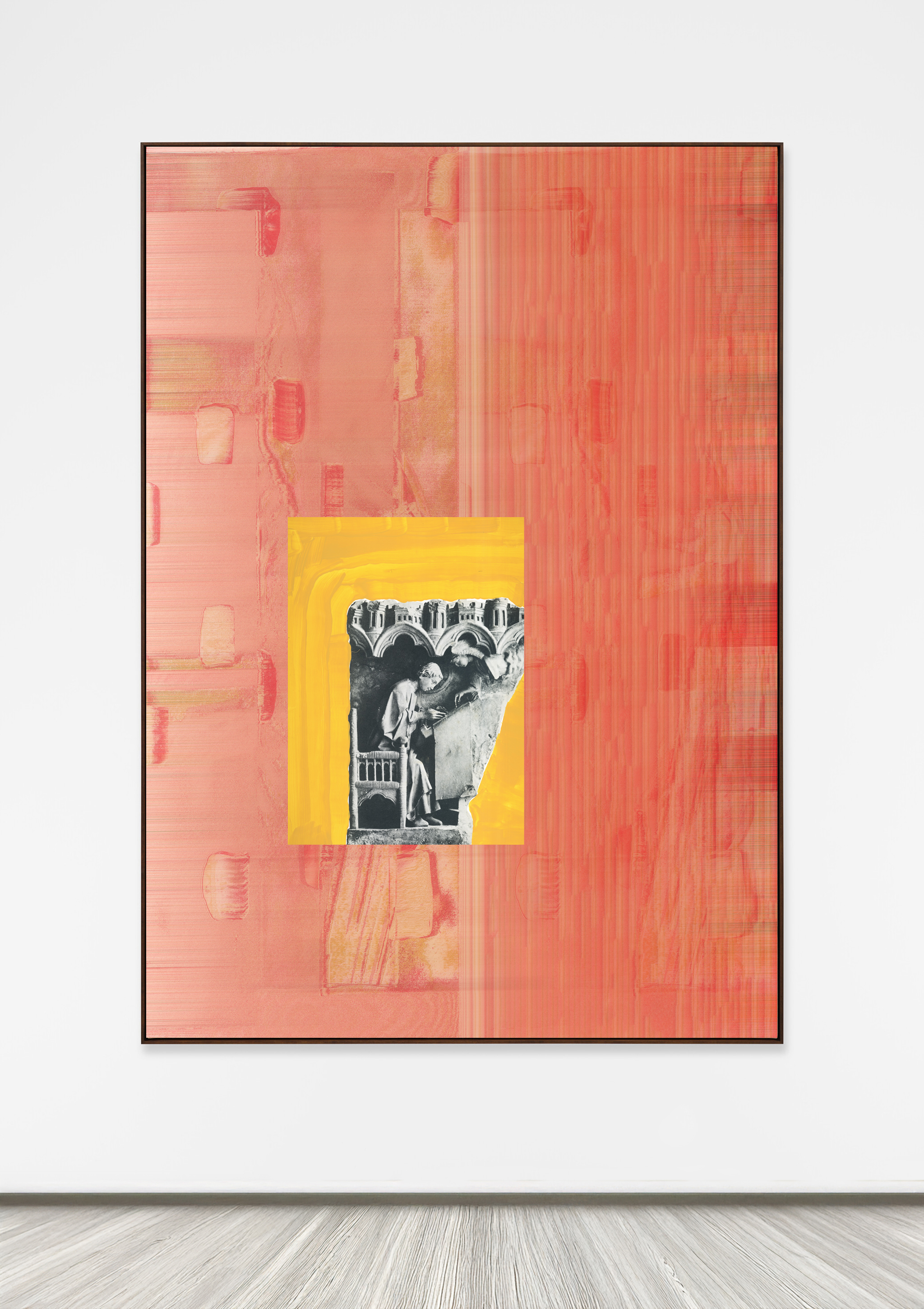
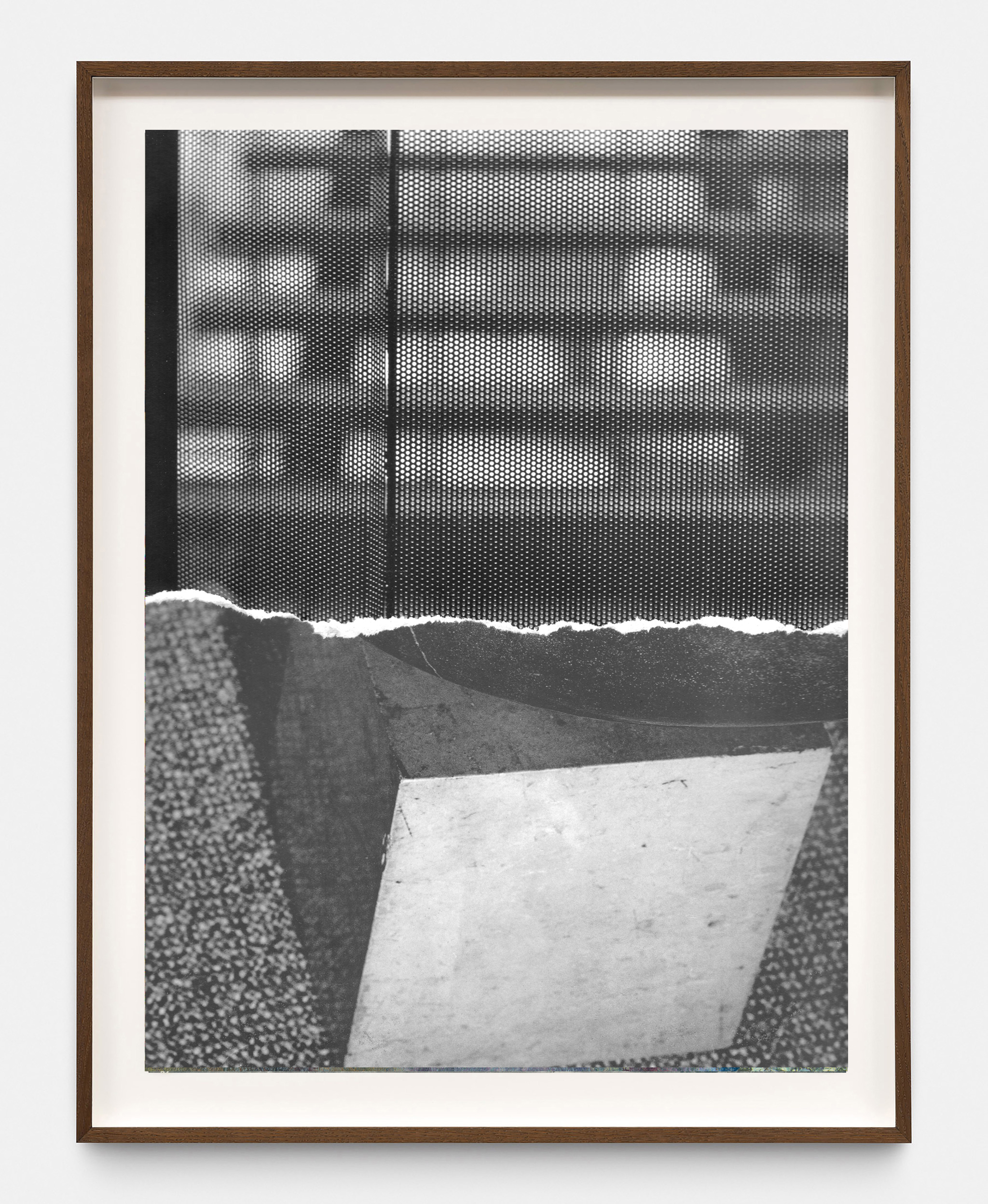
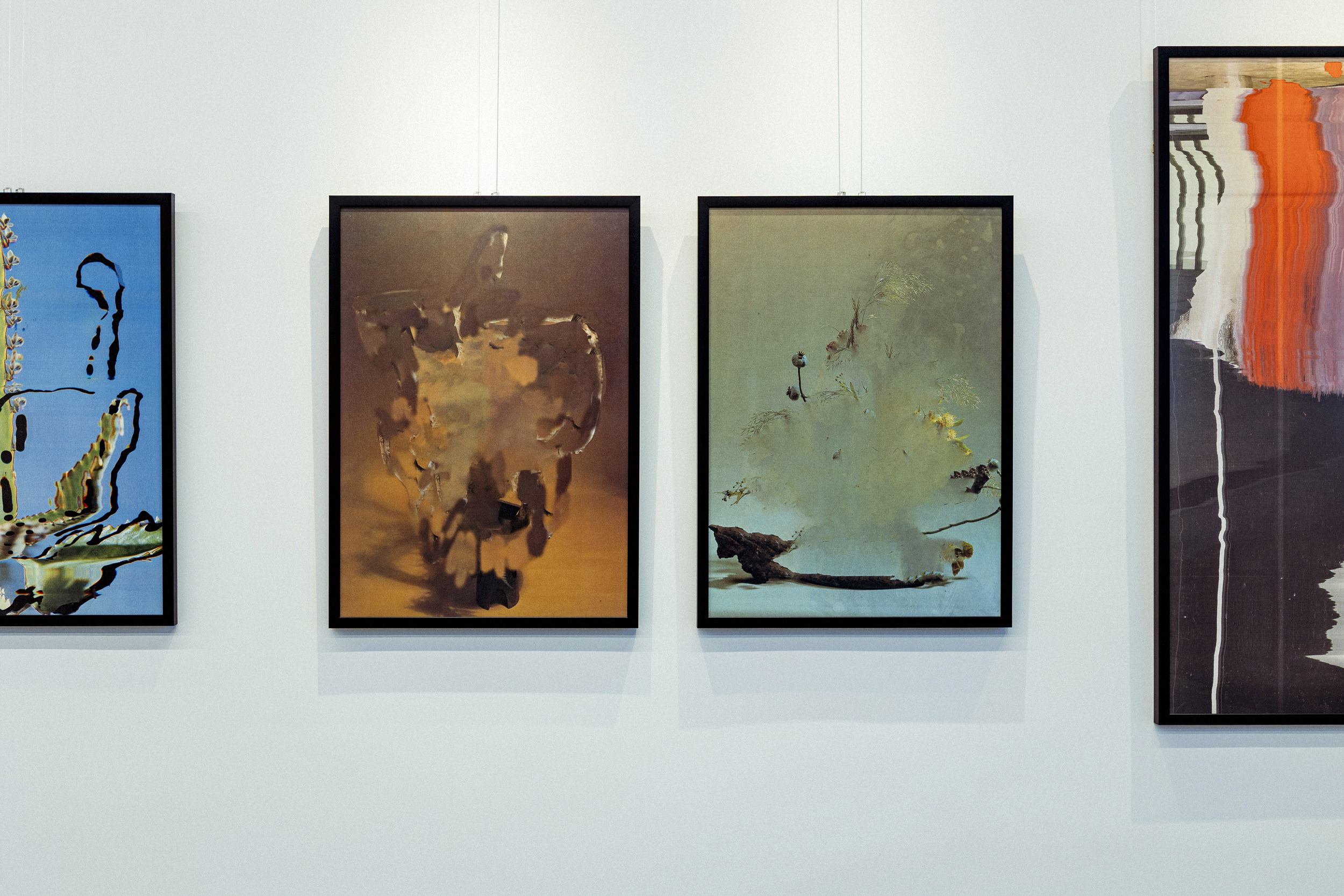
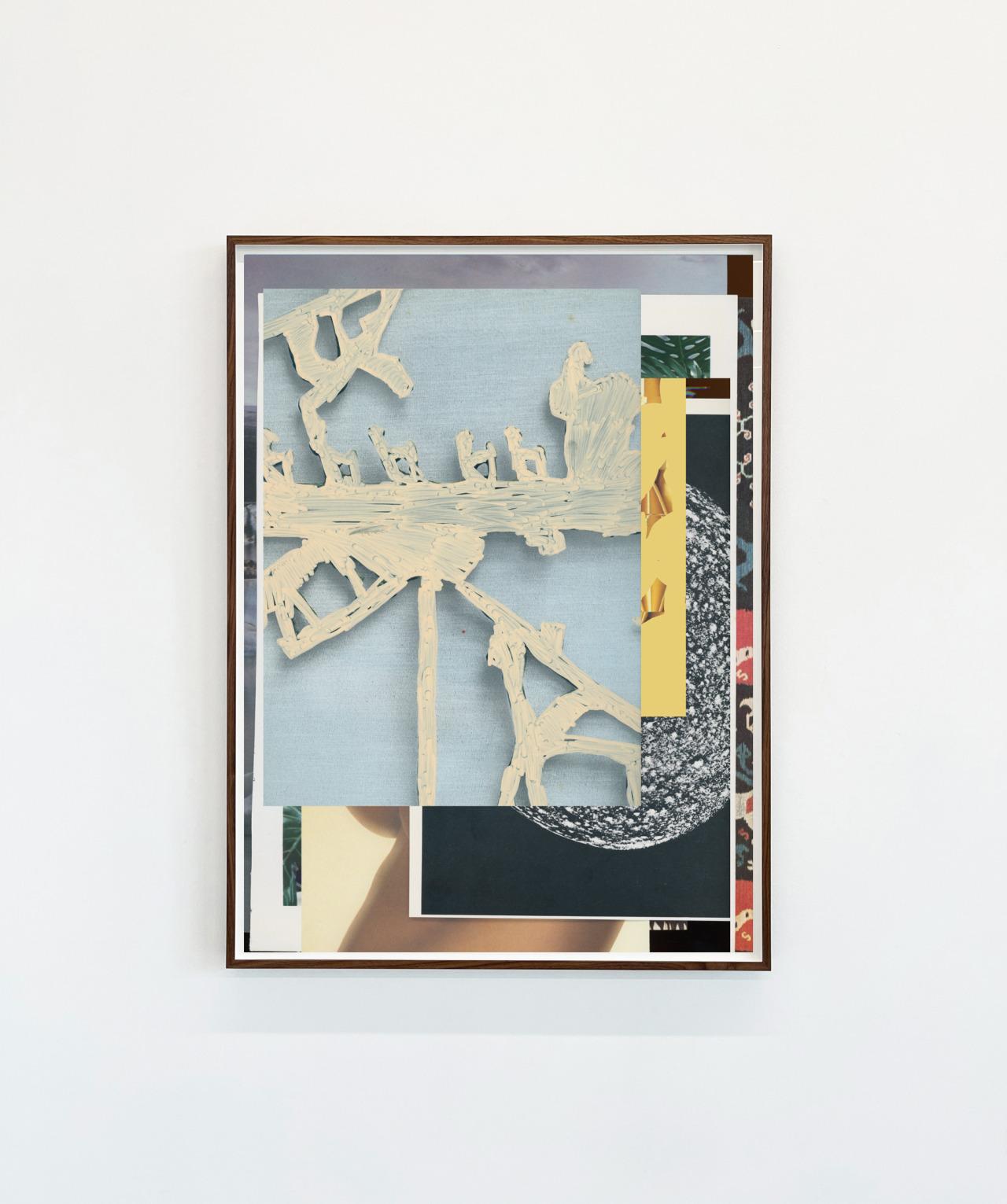
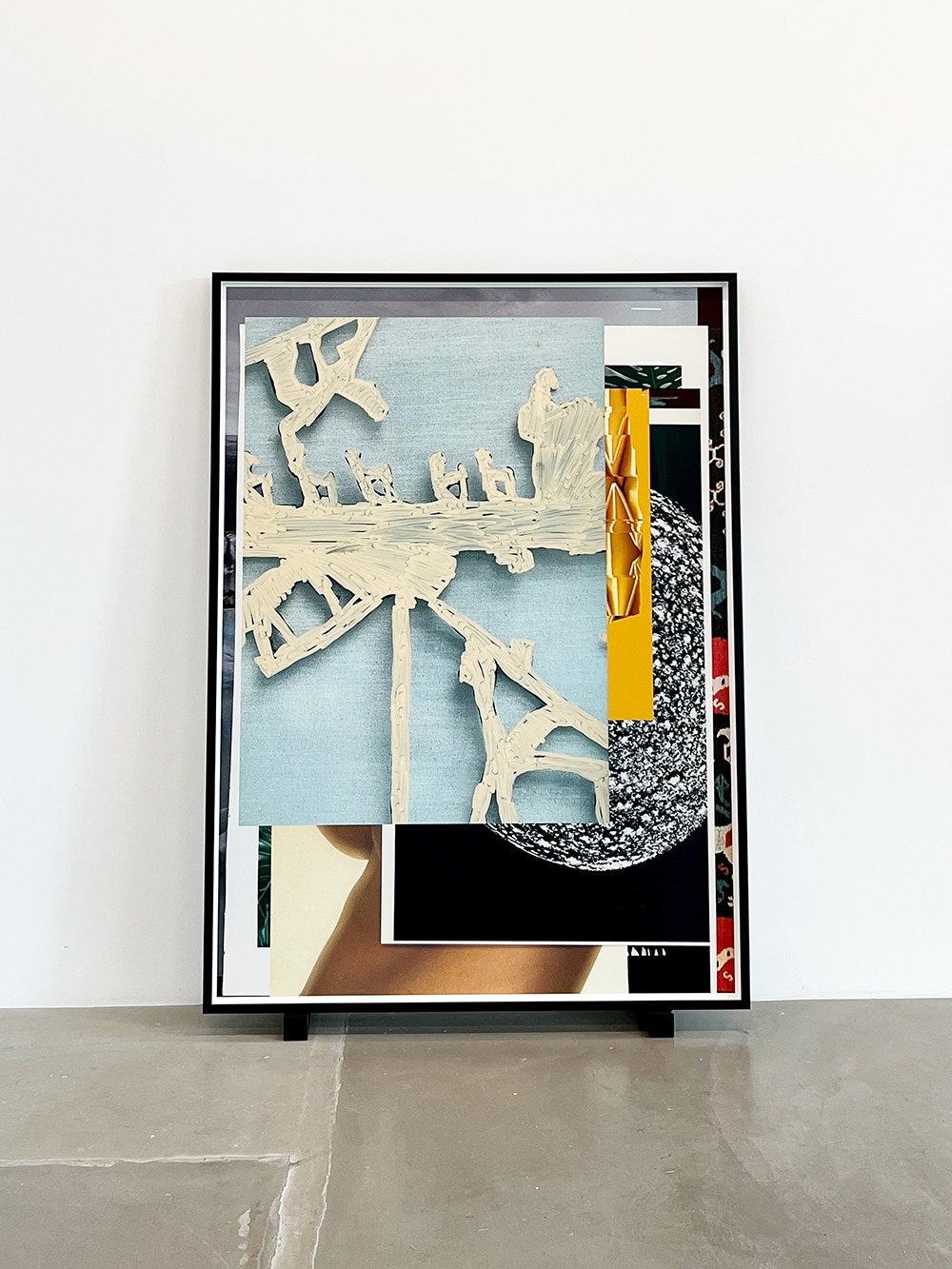
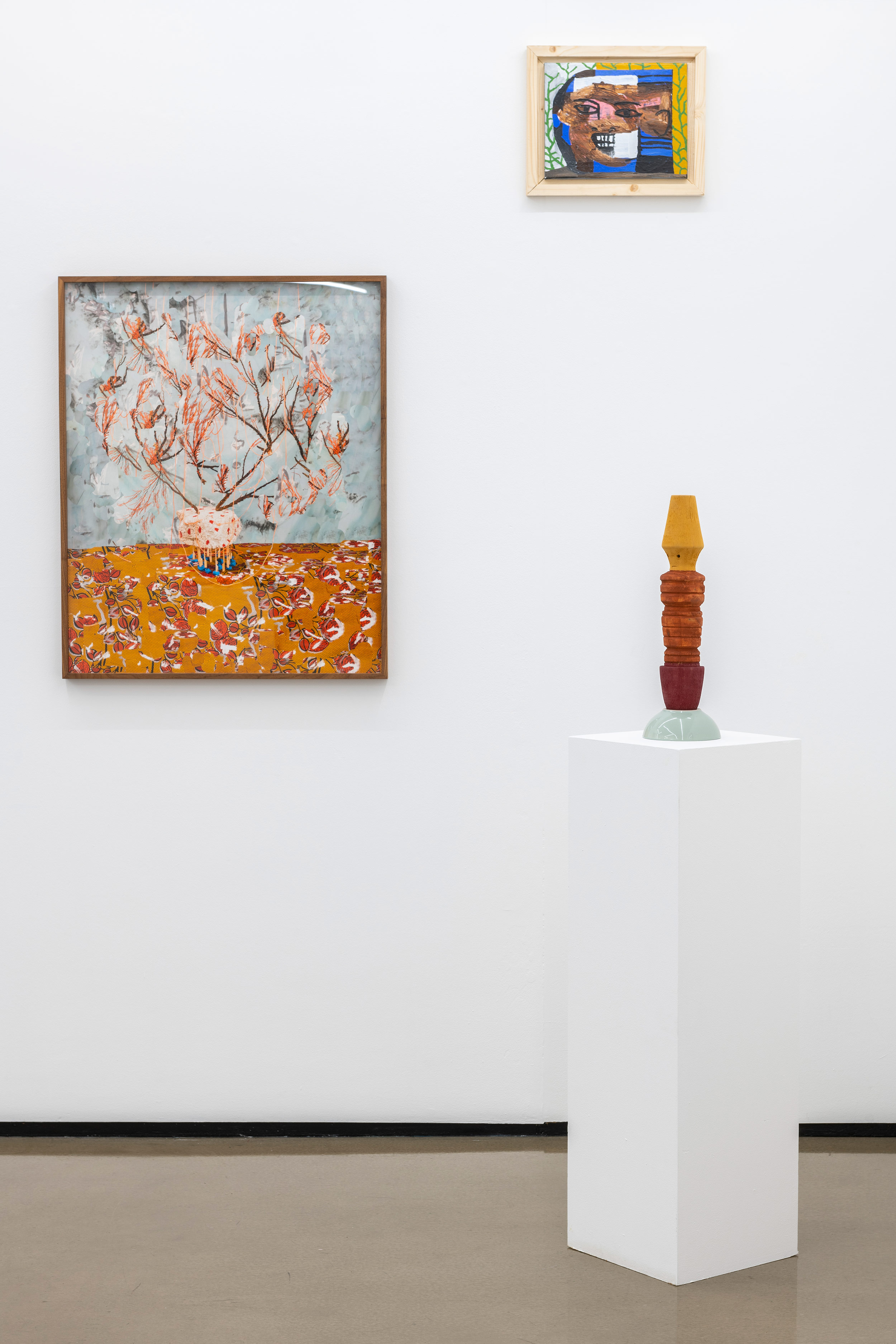
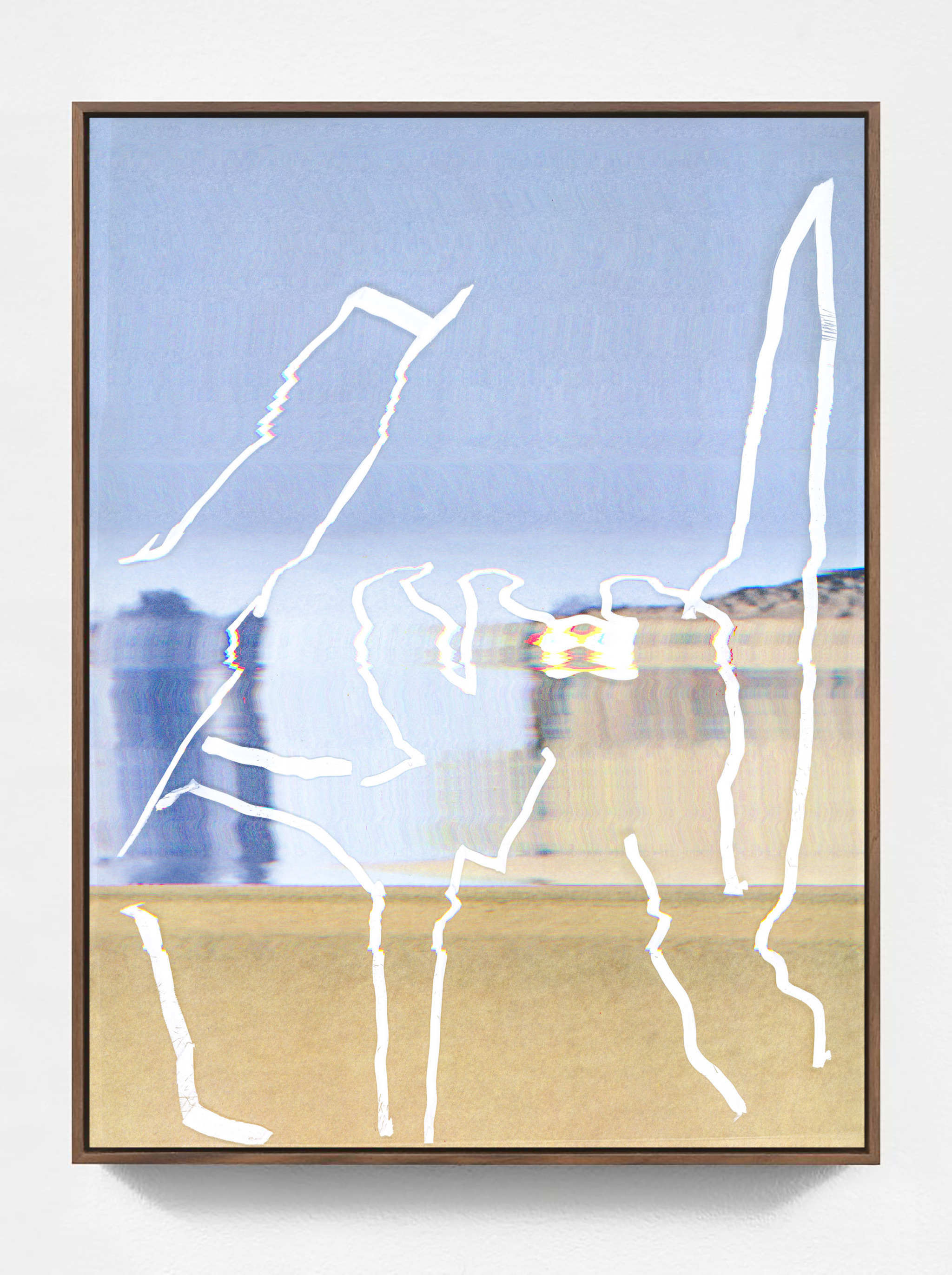
I work with photography as a space of uncertainty, transformation, and experiment. My practice moves between photography, collage, sculpture, painting, and moving image, using analogue and digital tools, found materials, staged forms, and improvisation to construct images that resist easy interpretation.
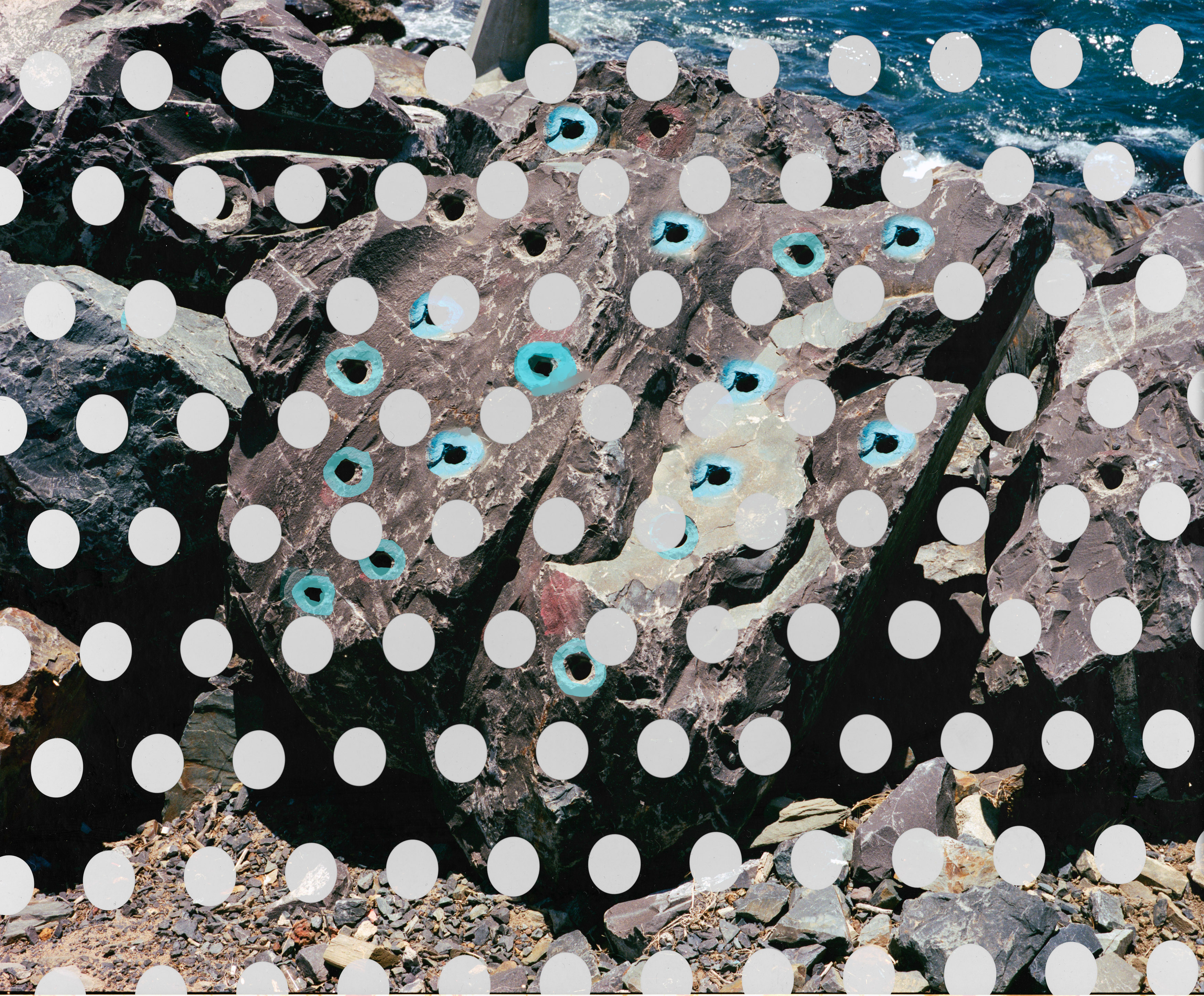
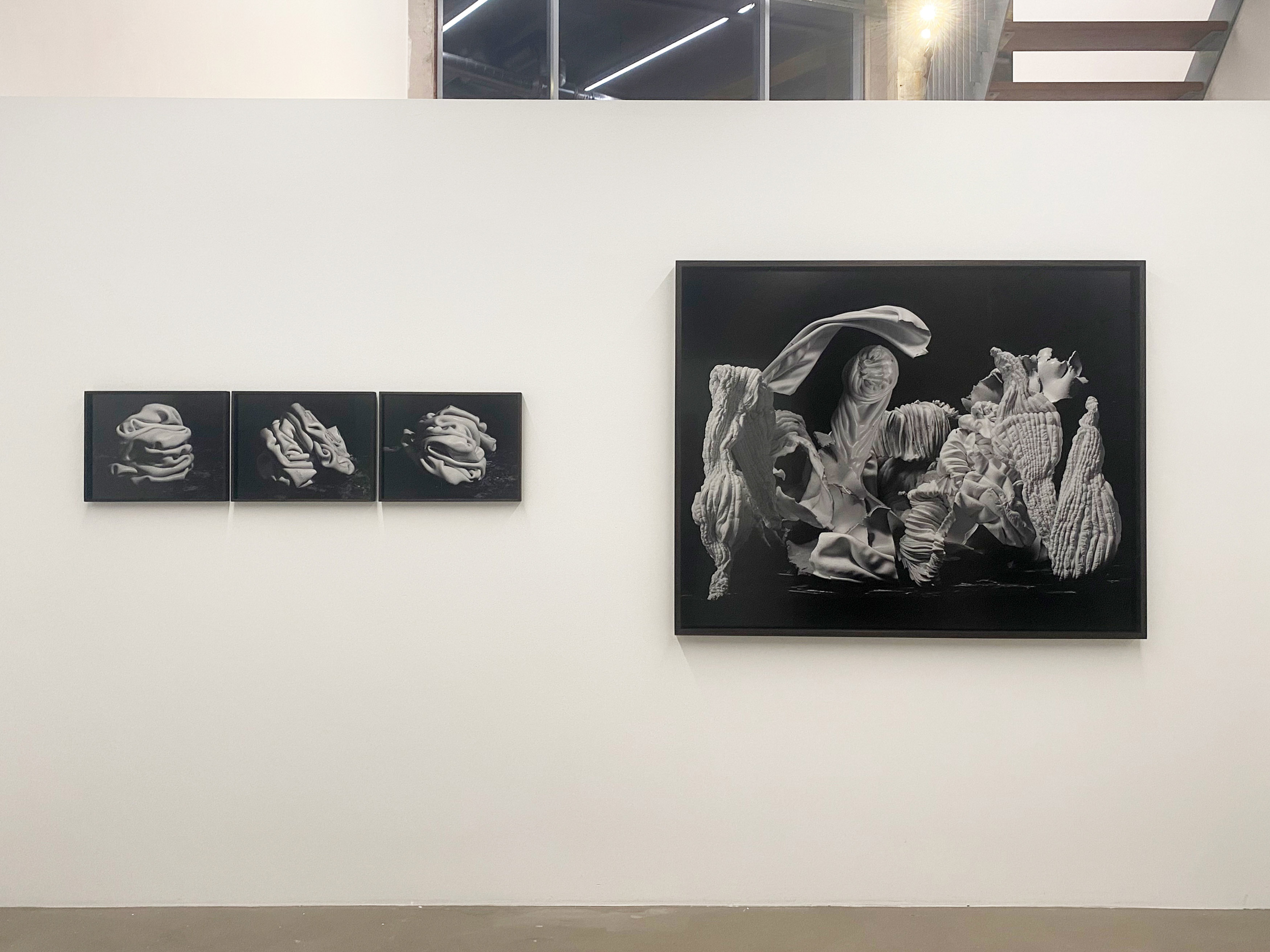
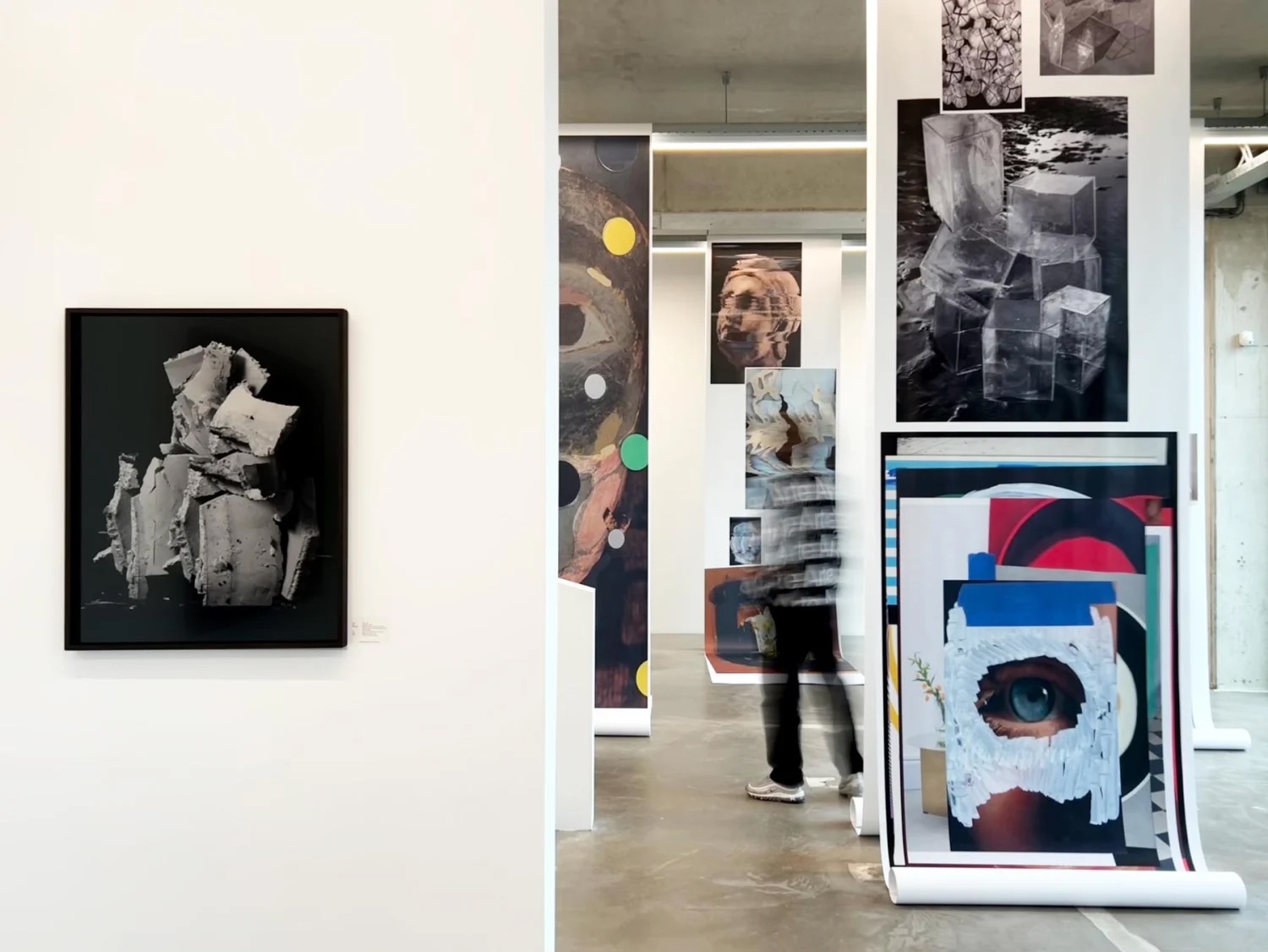
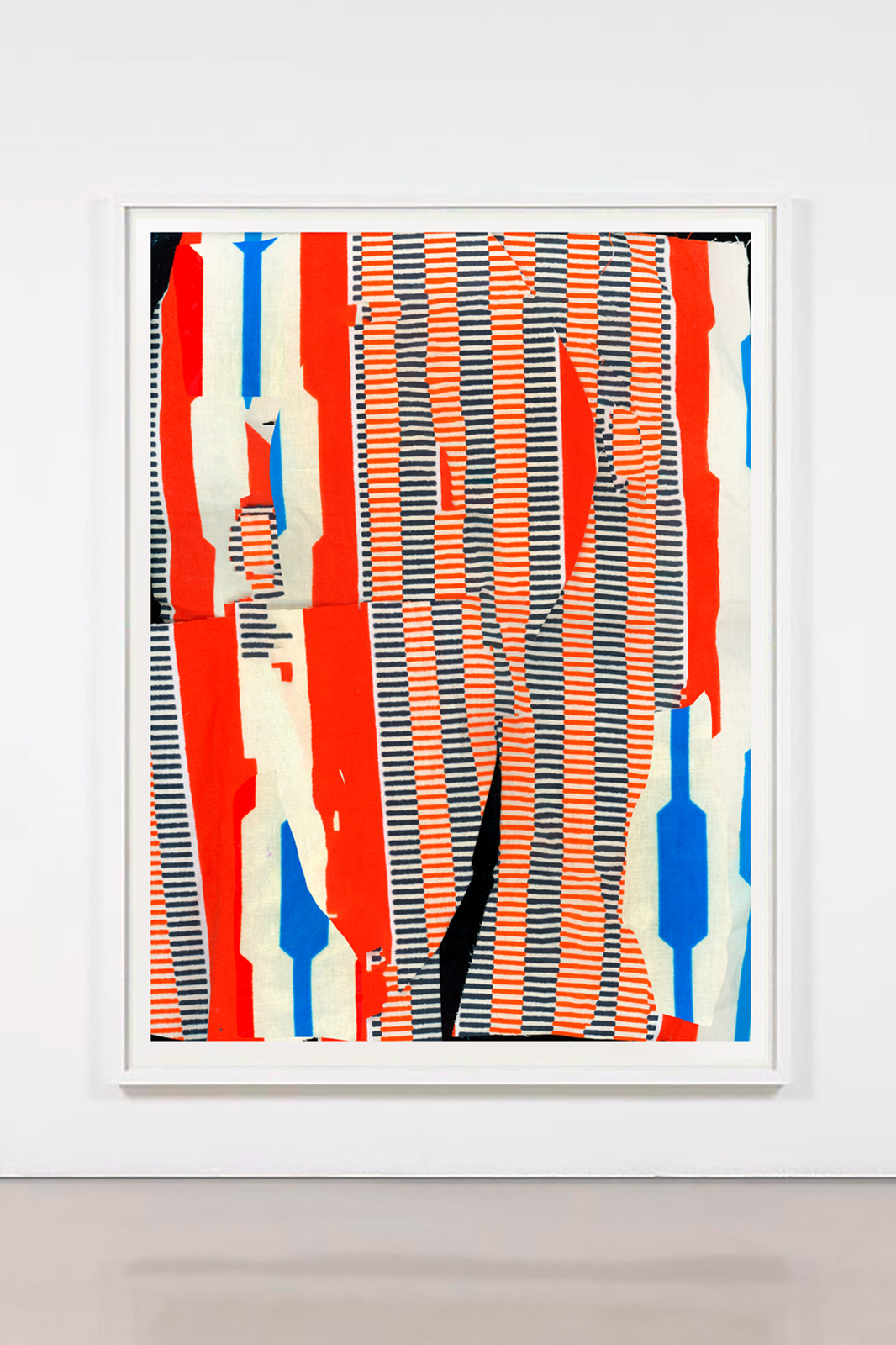
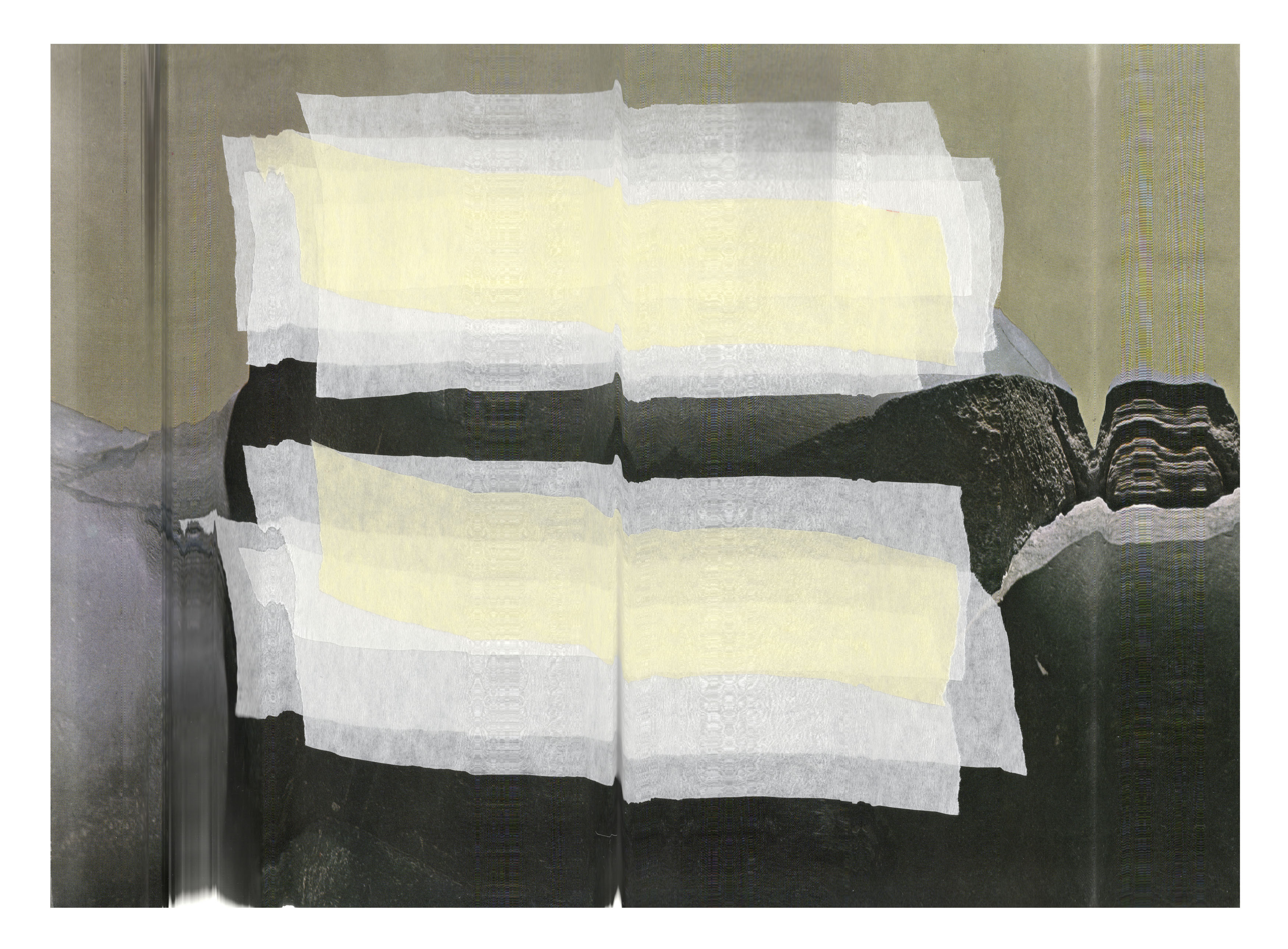
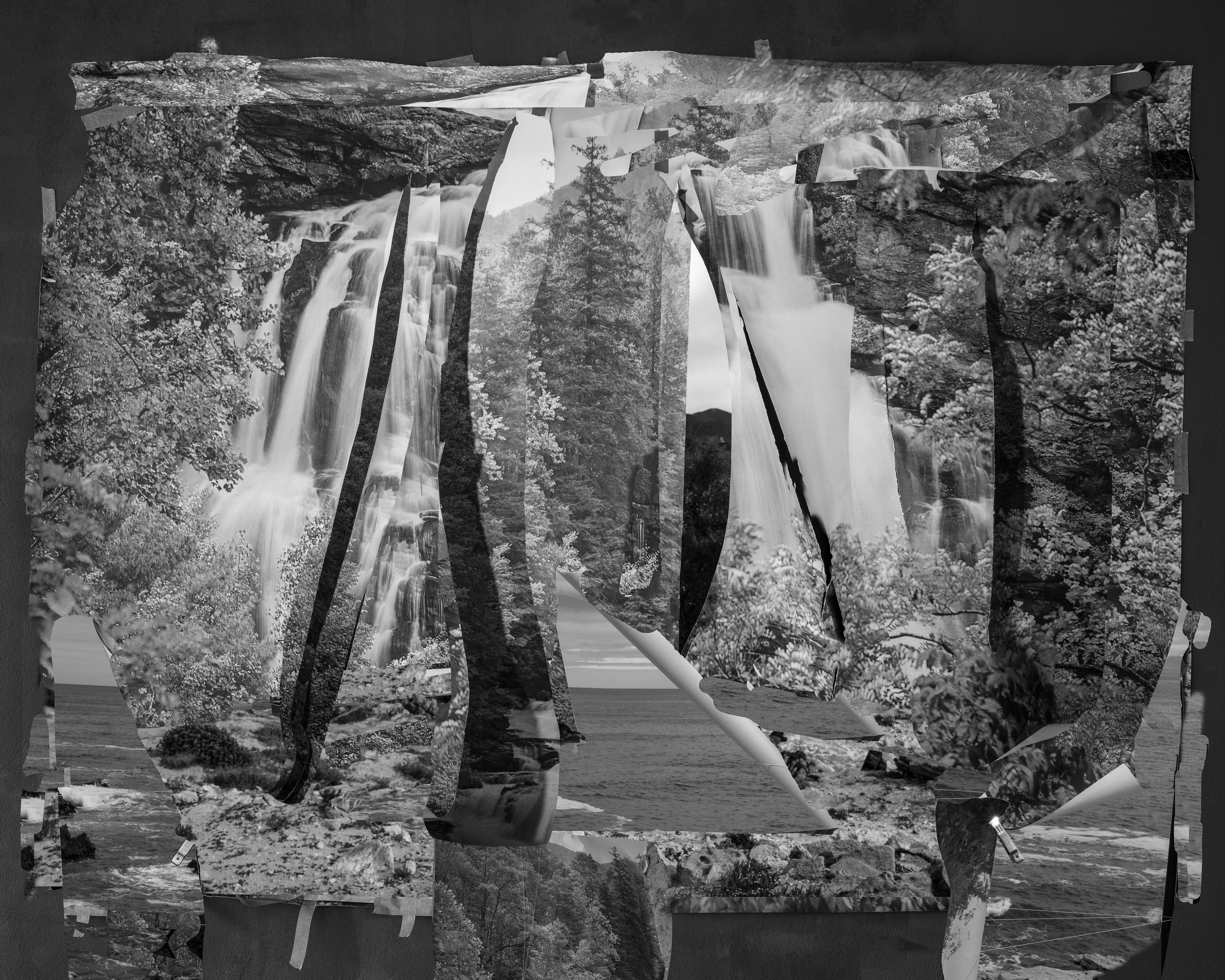
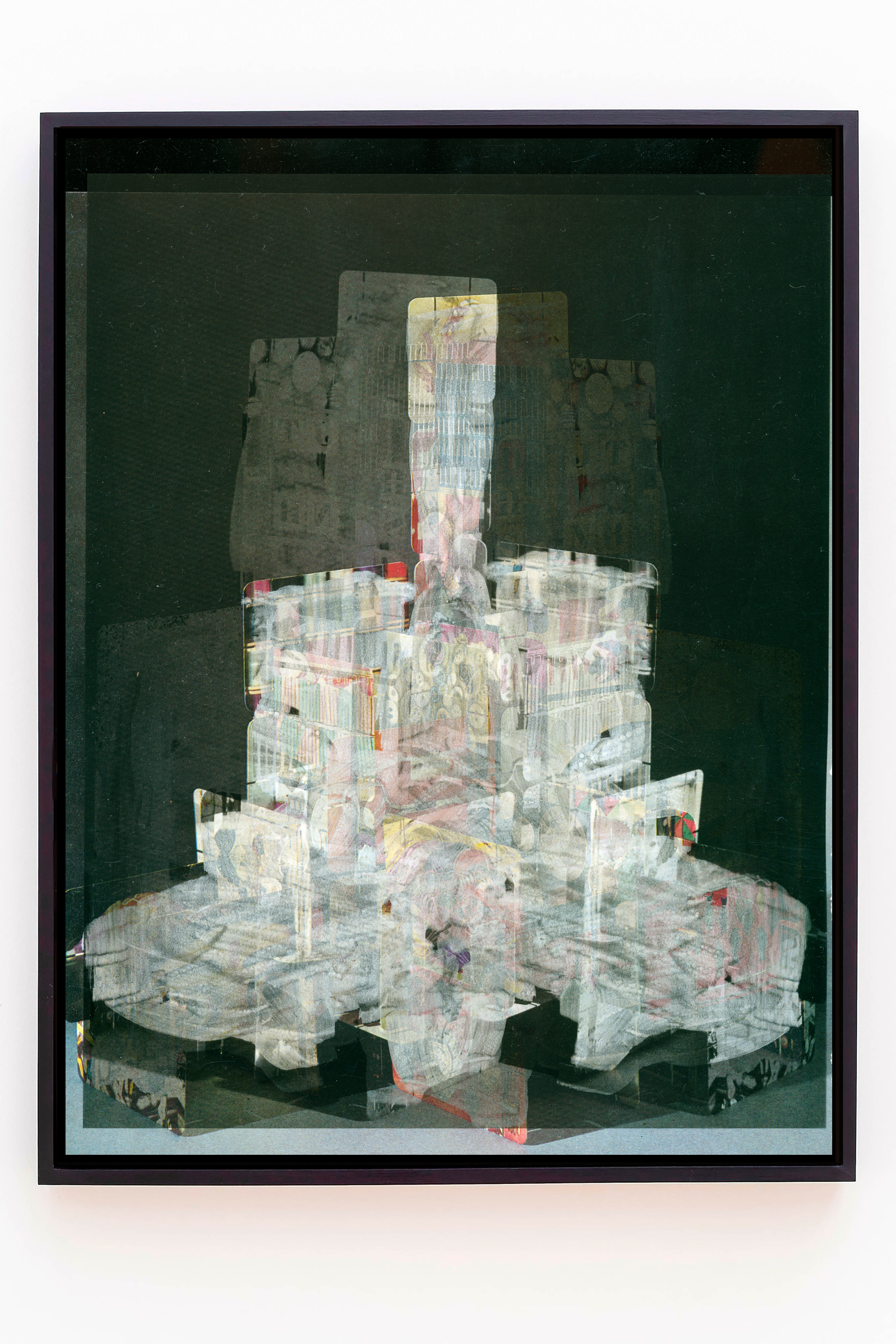
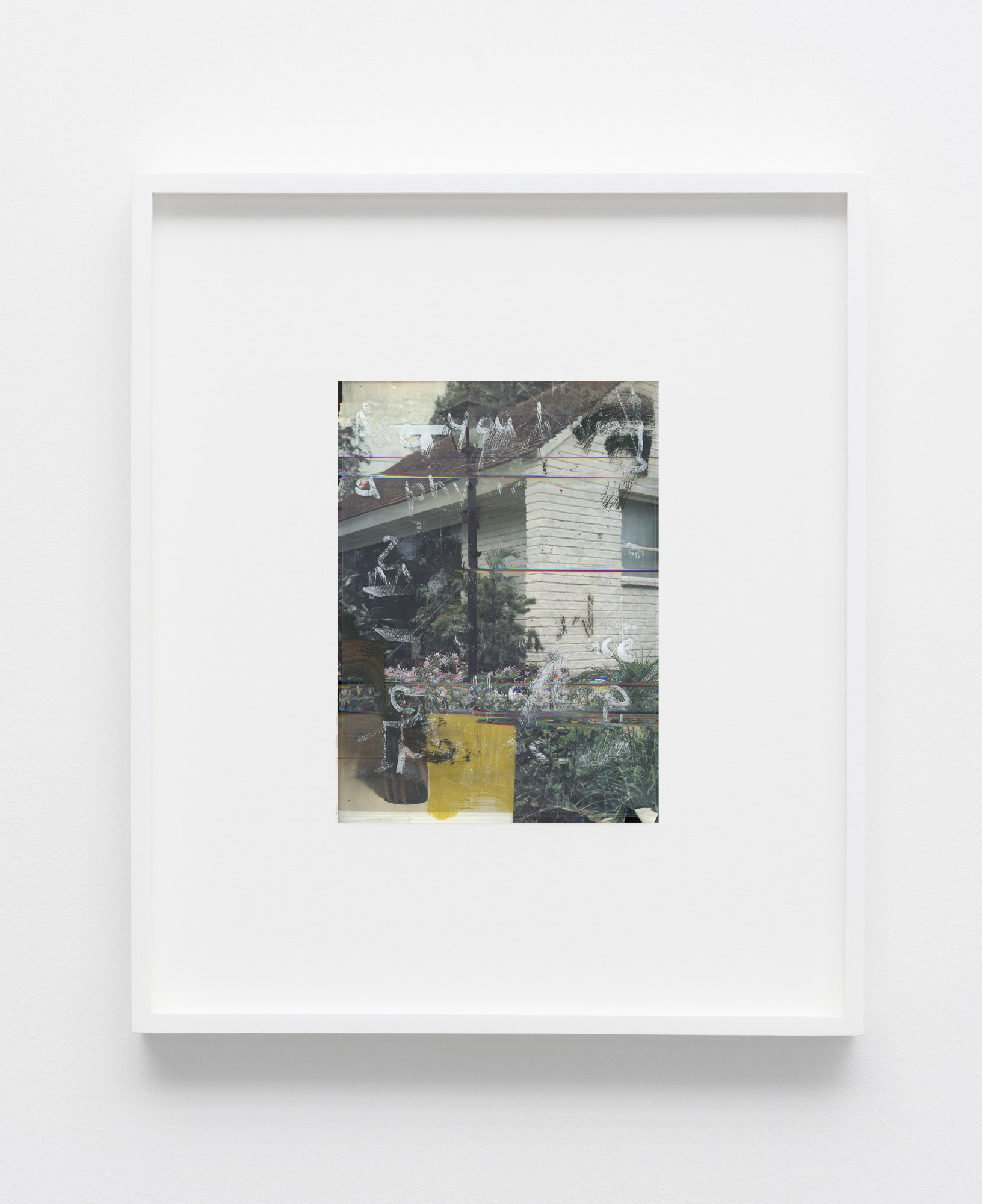
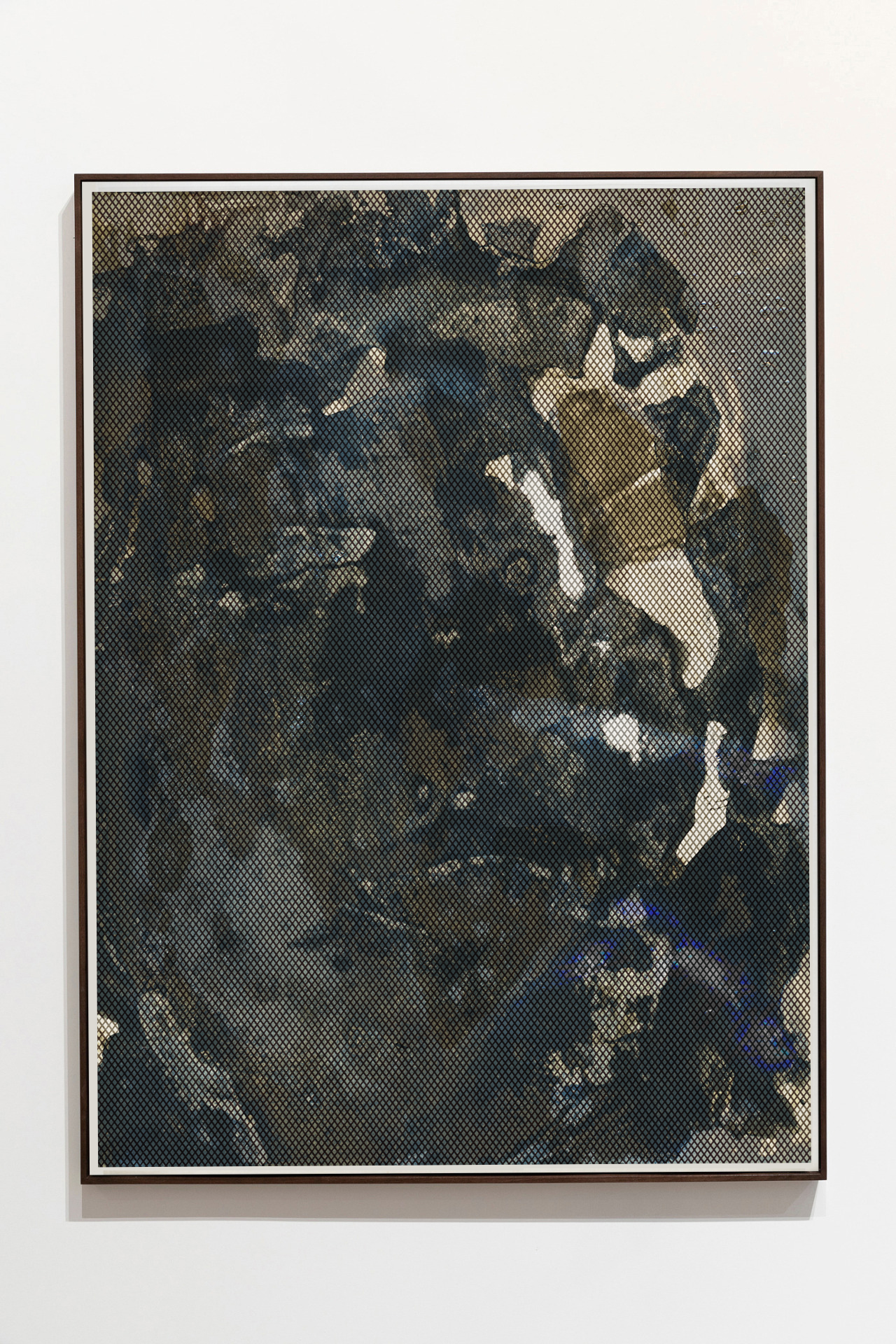
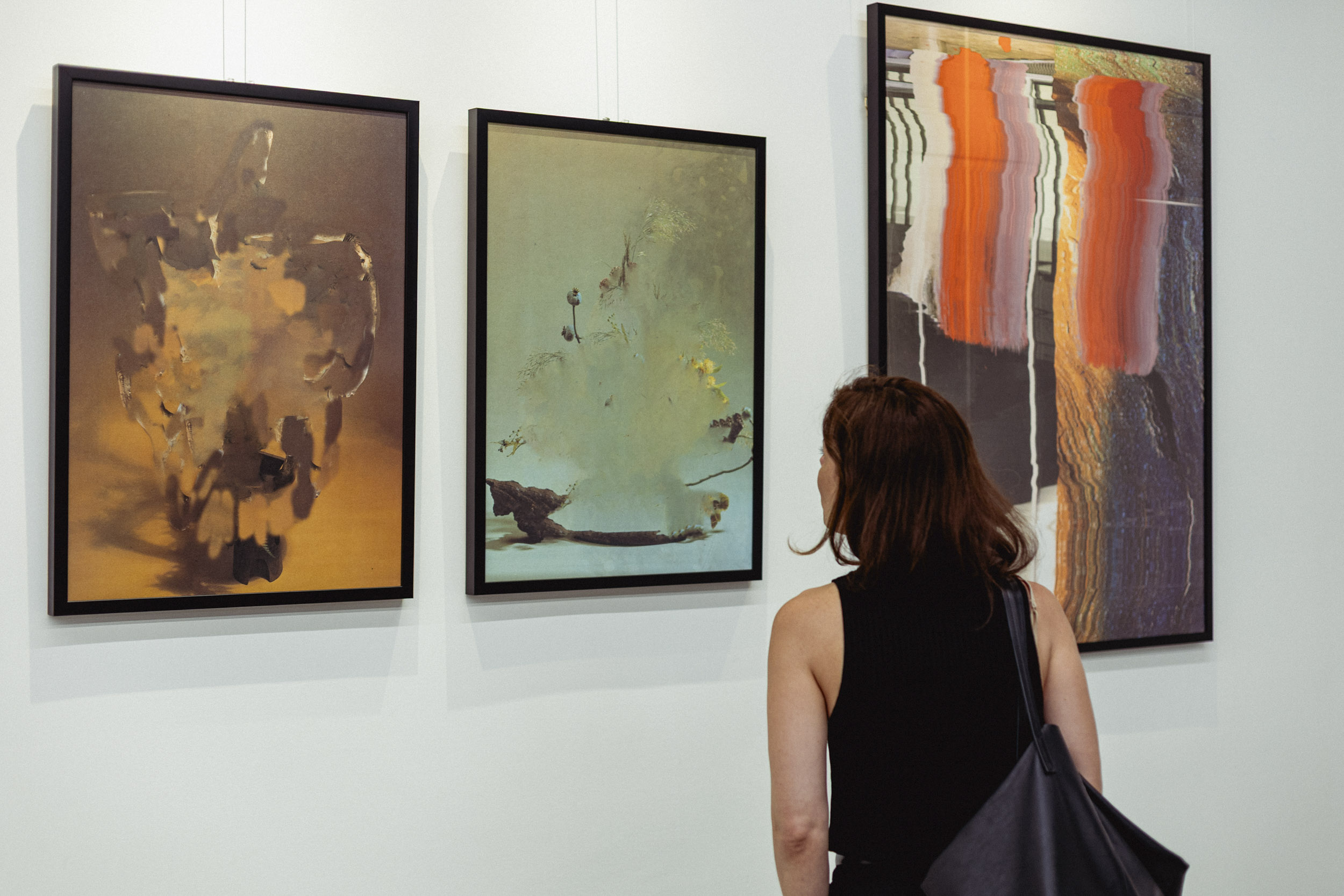
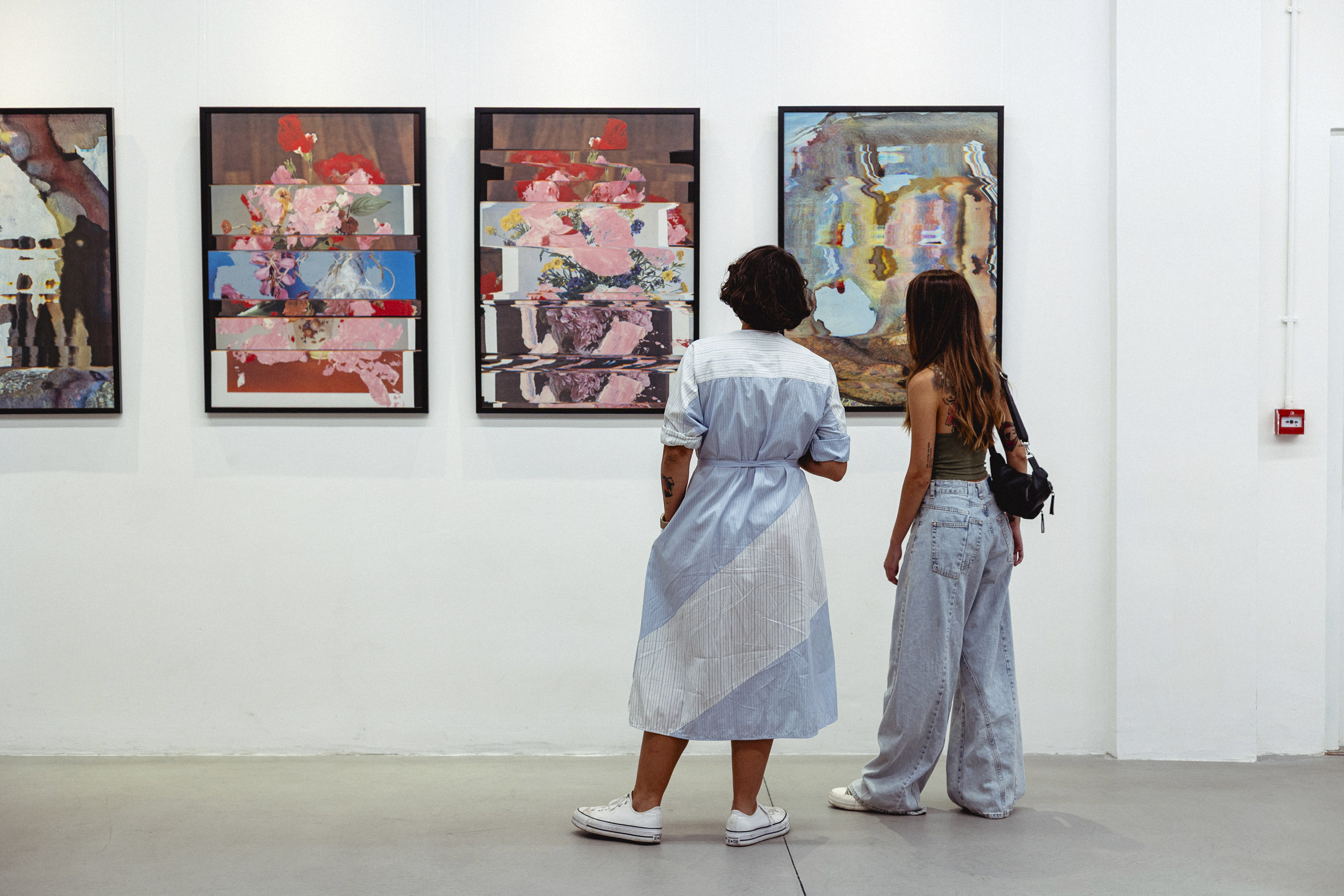
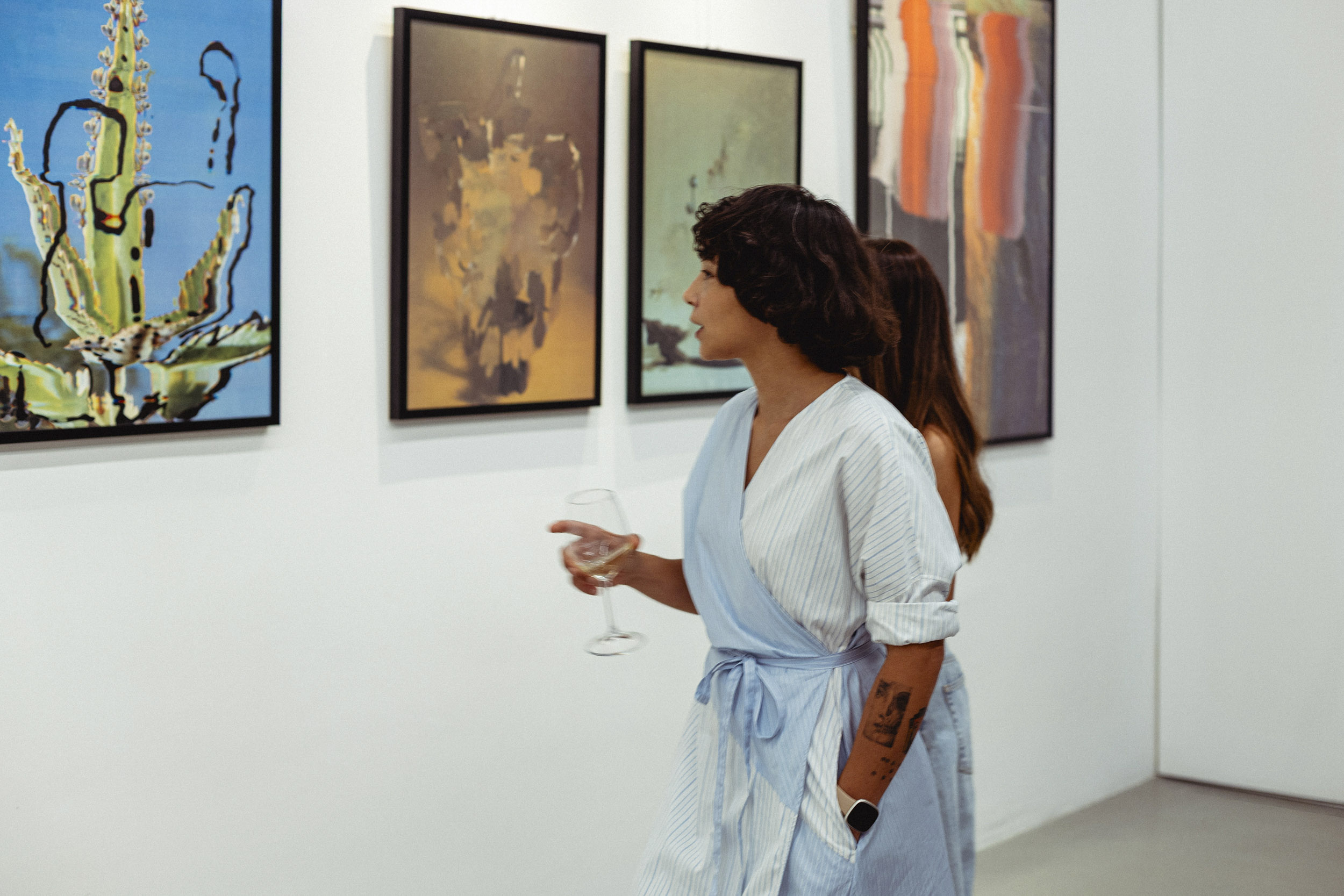
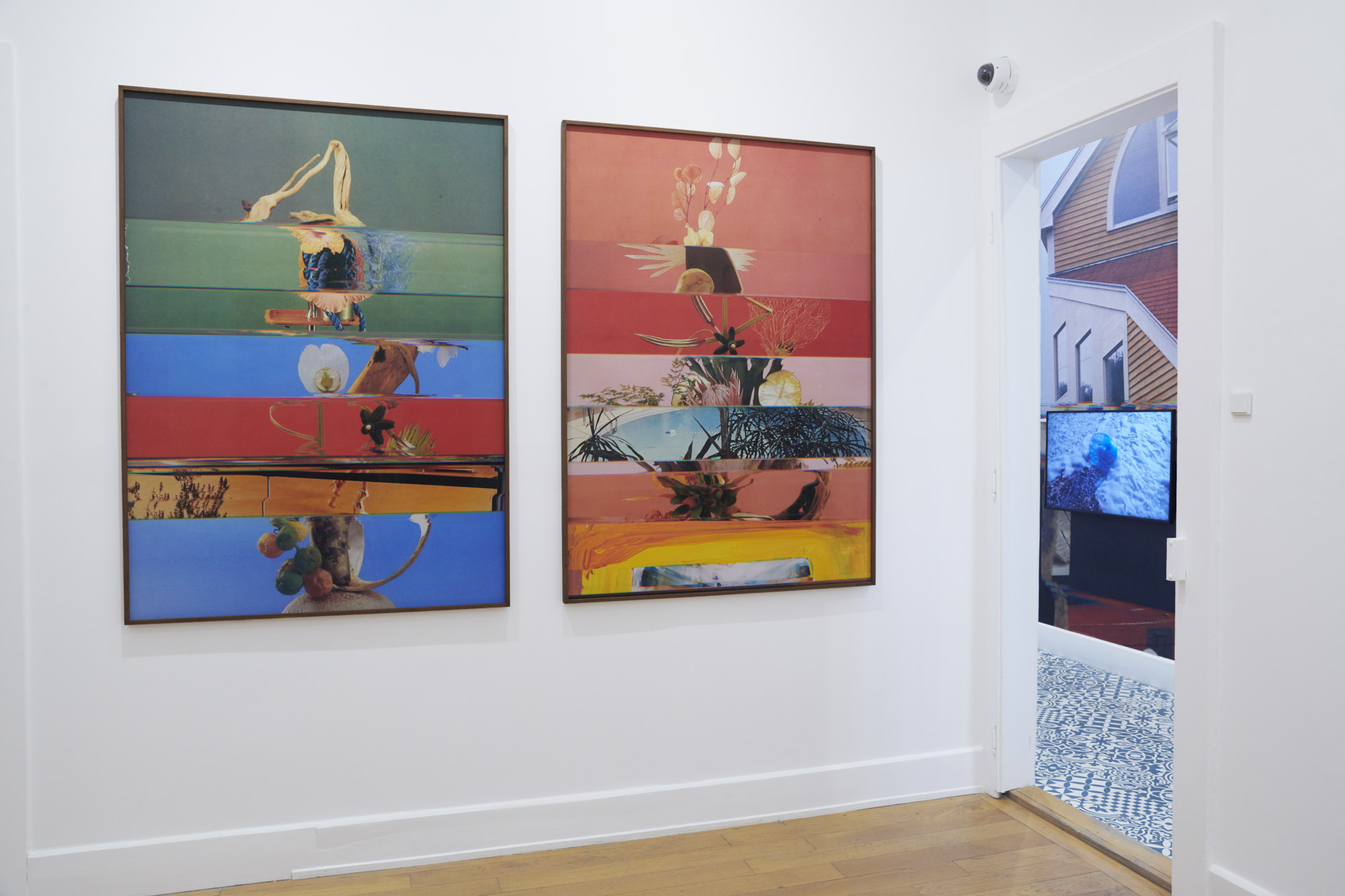
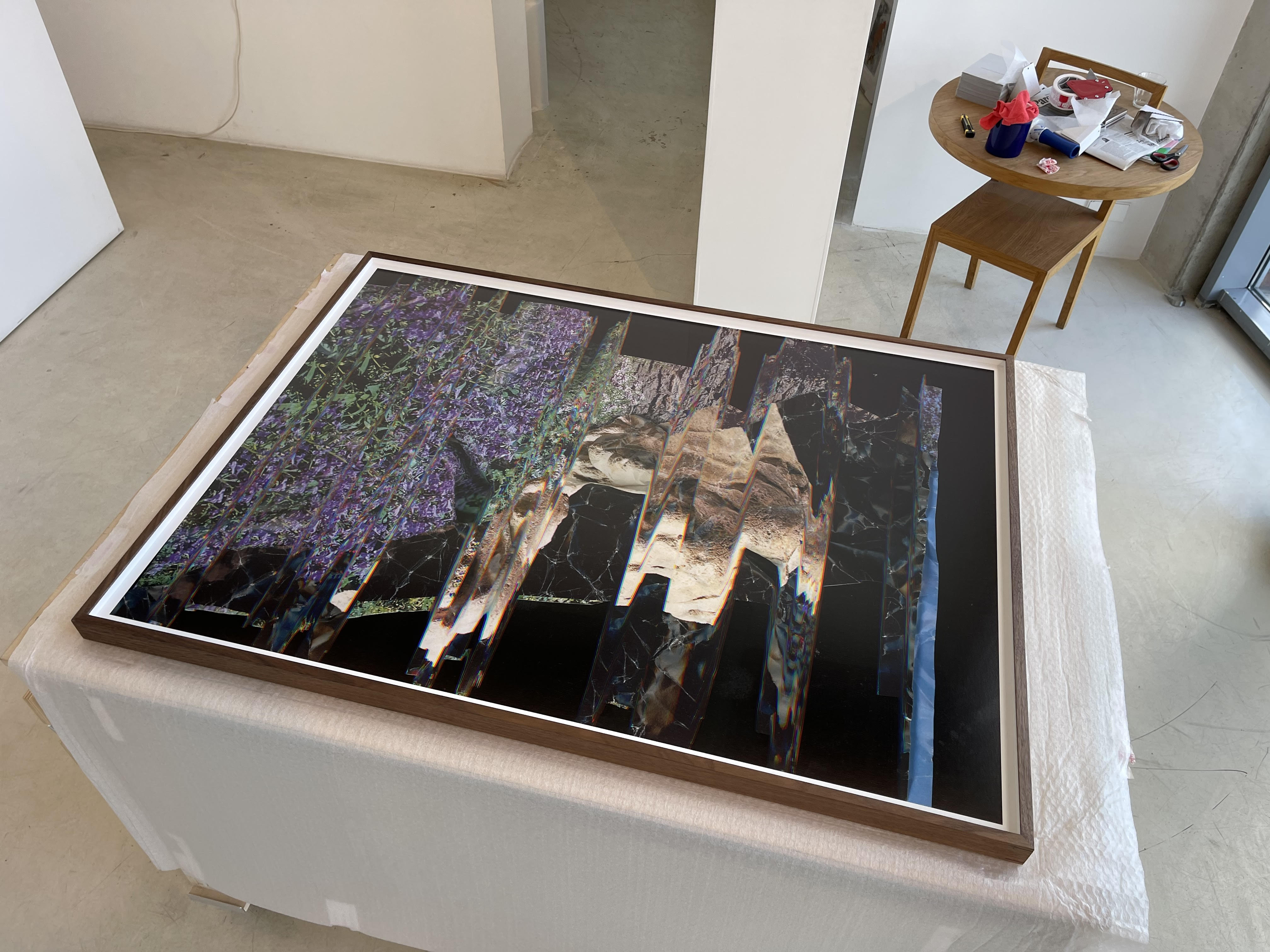
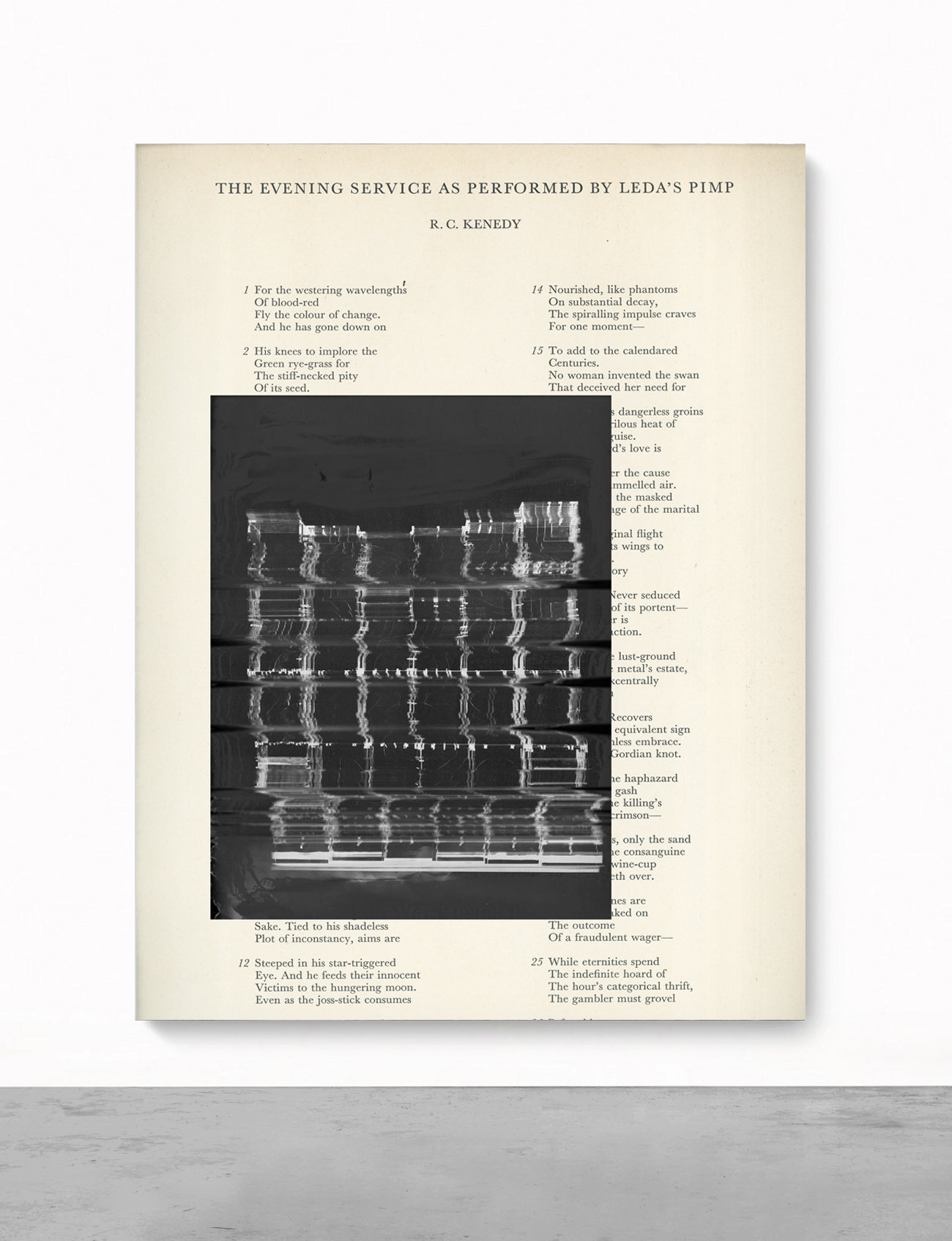
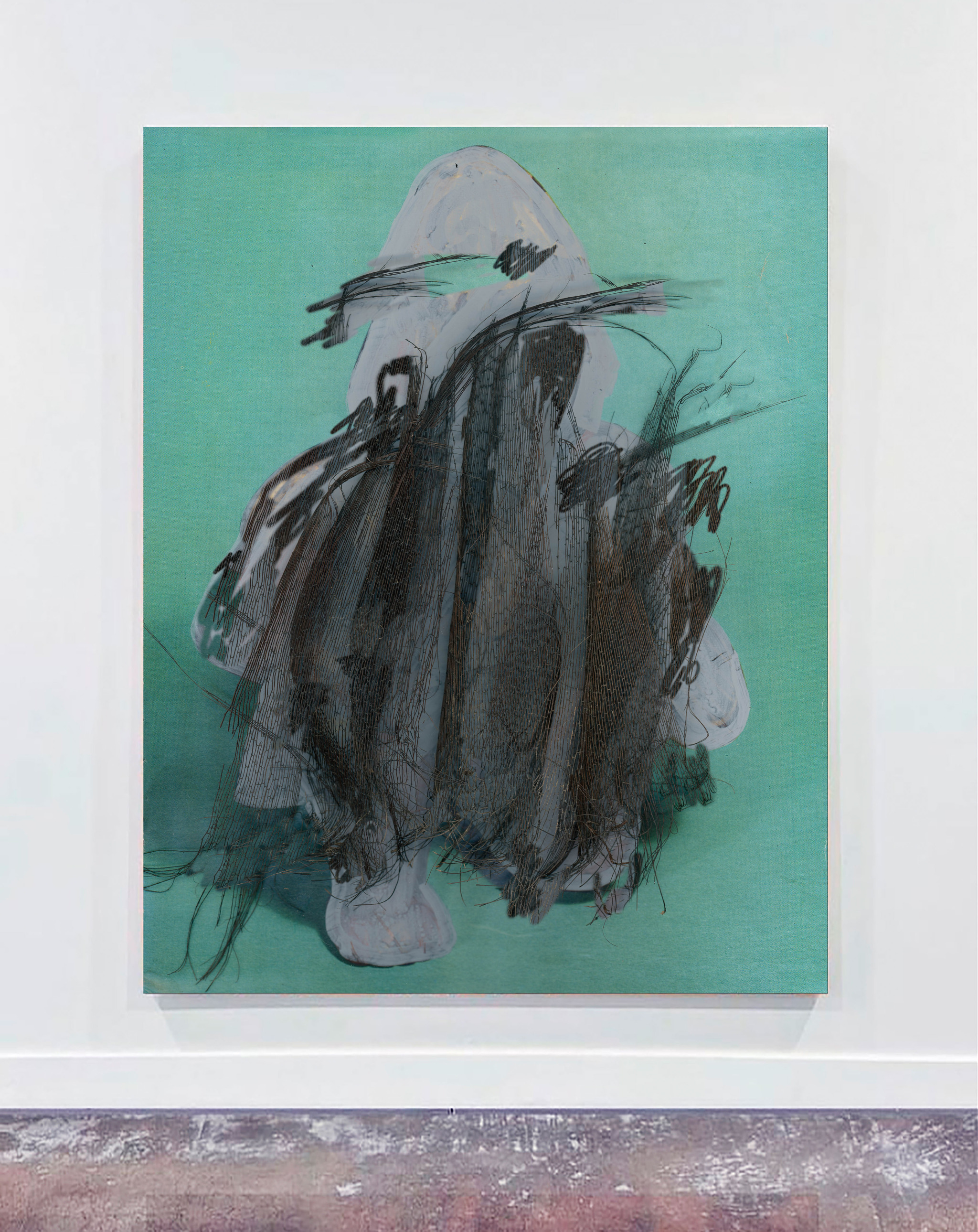
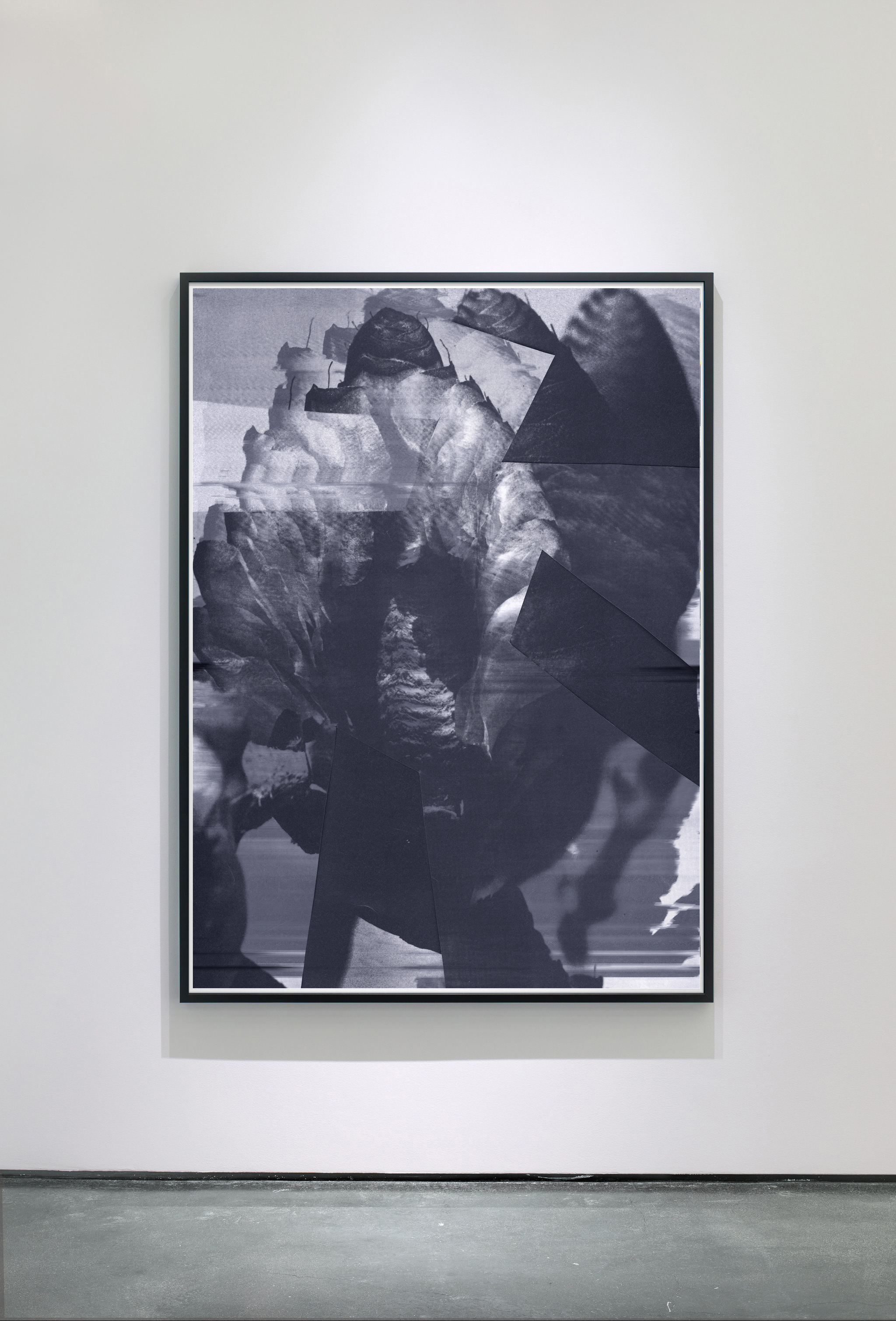
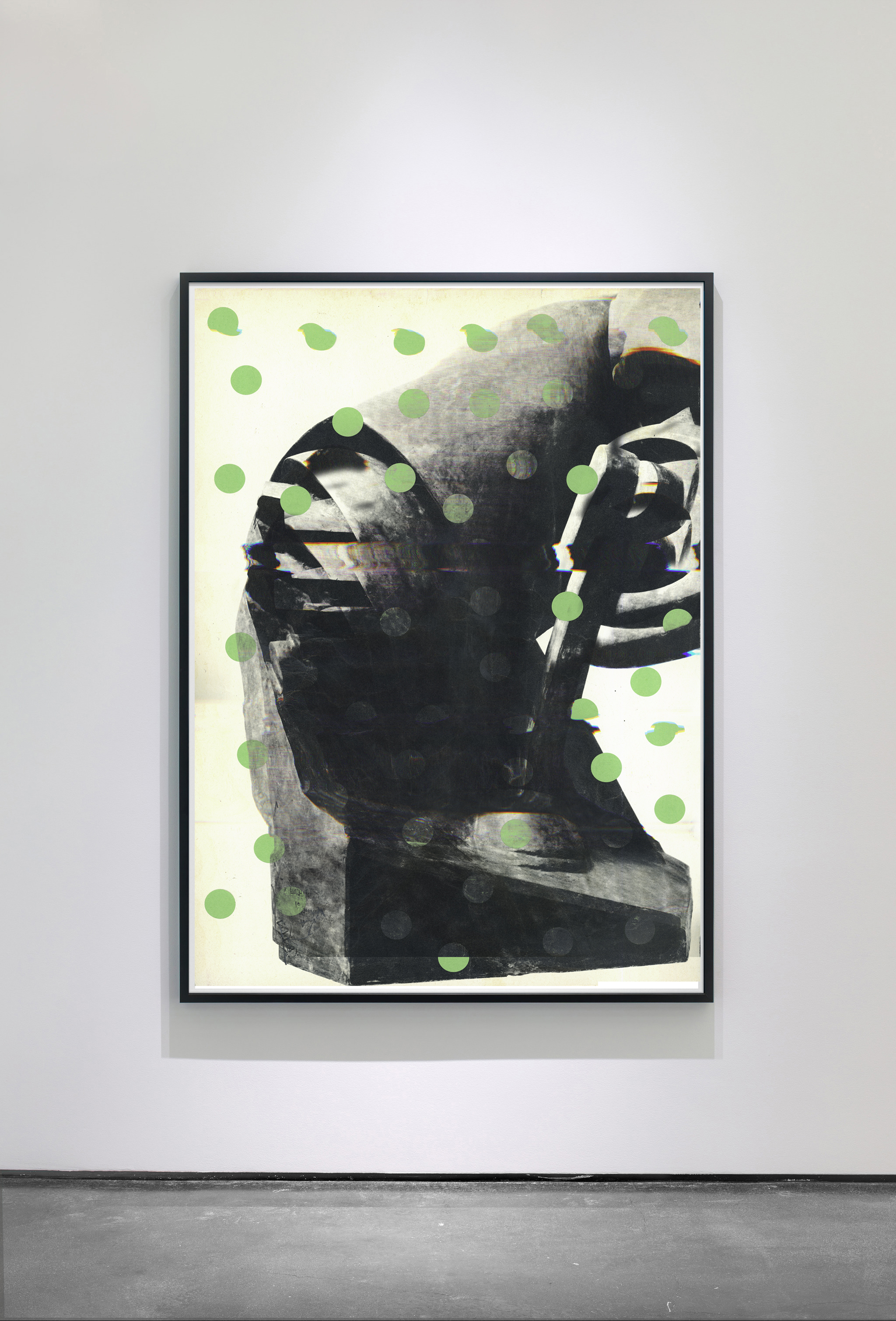
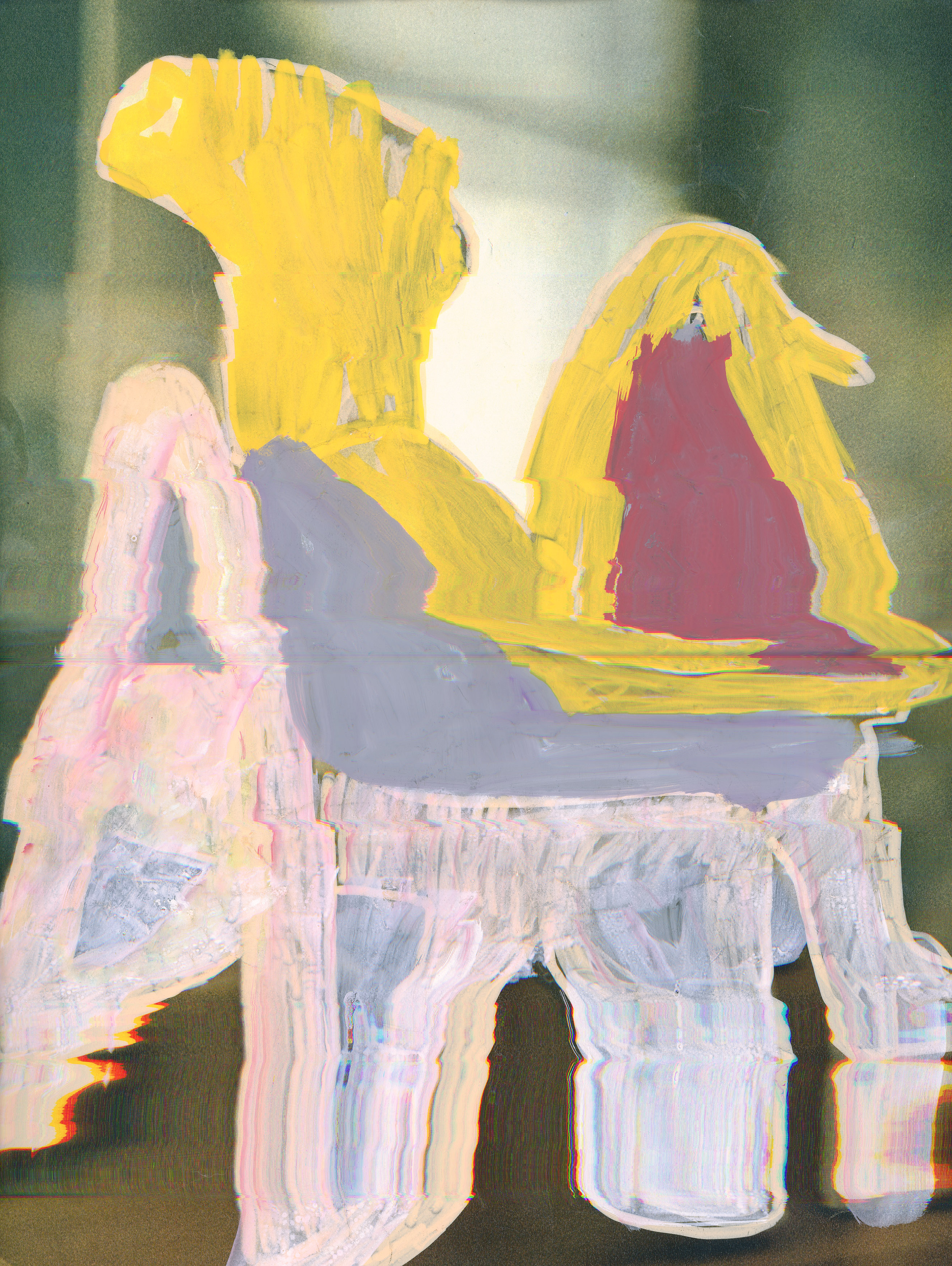
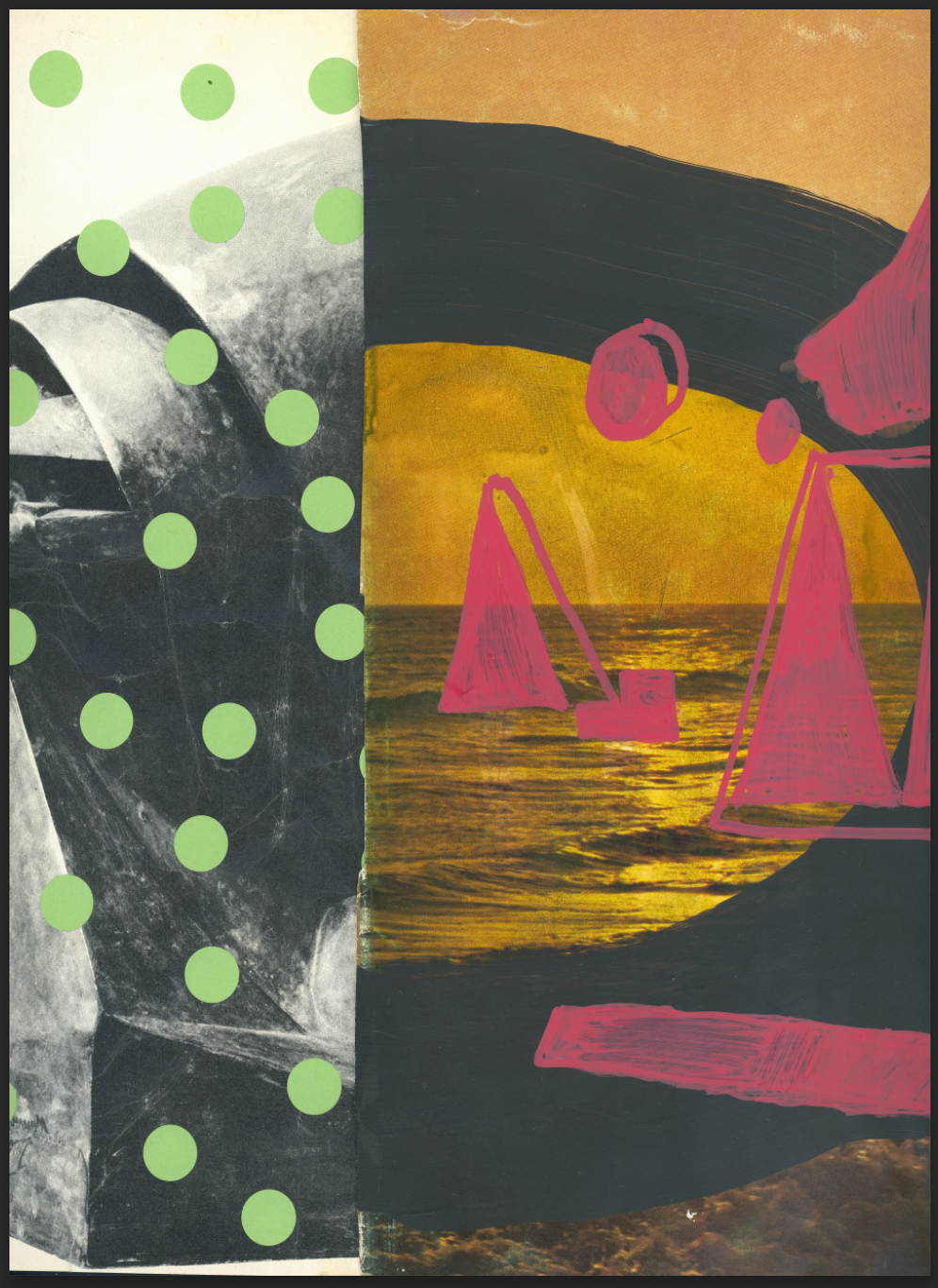
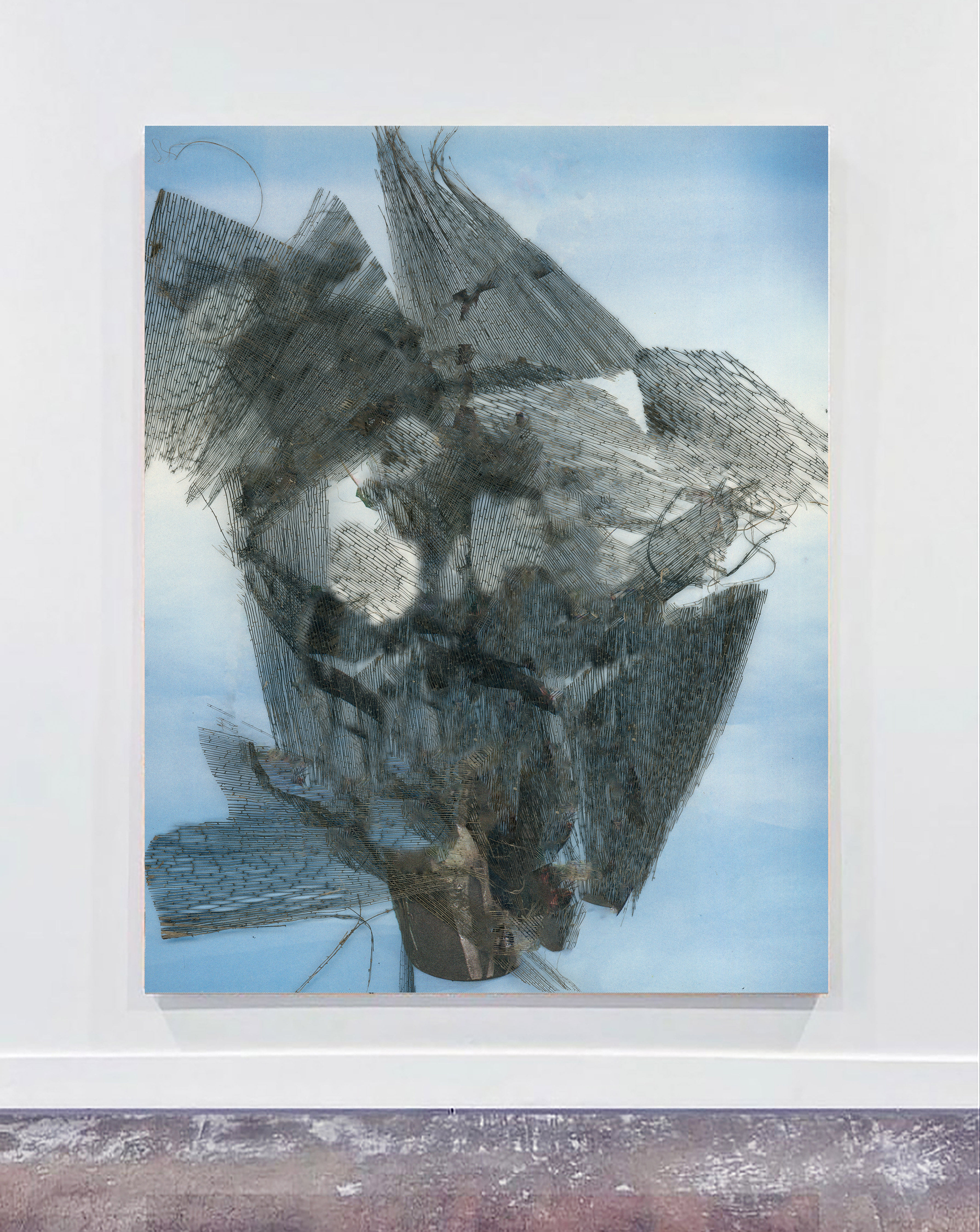
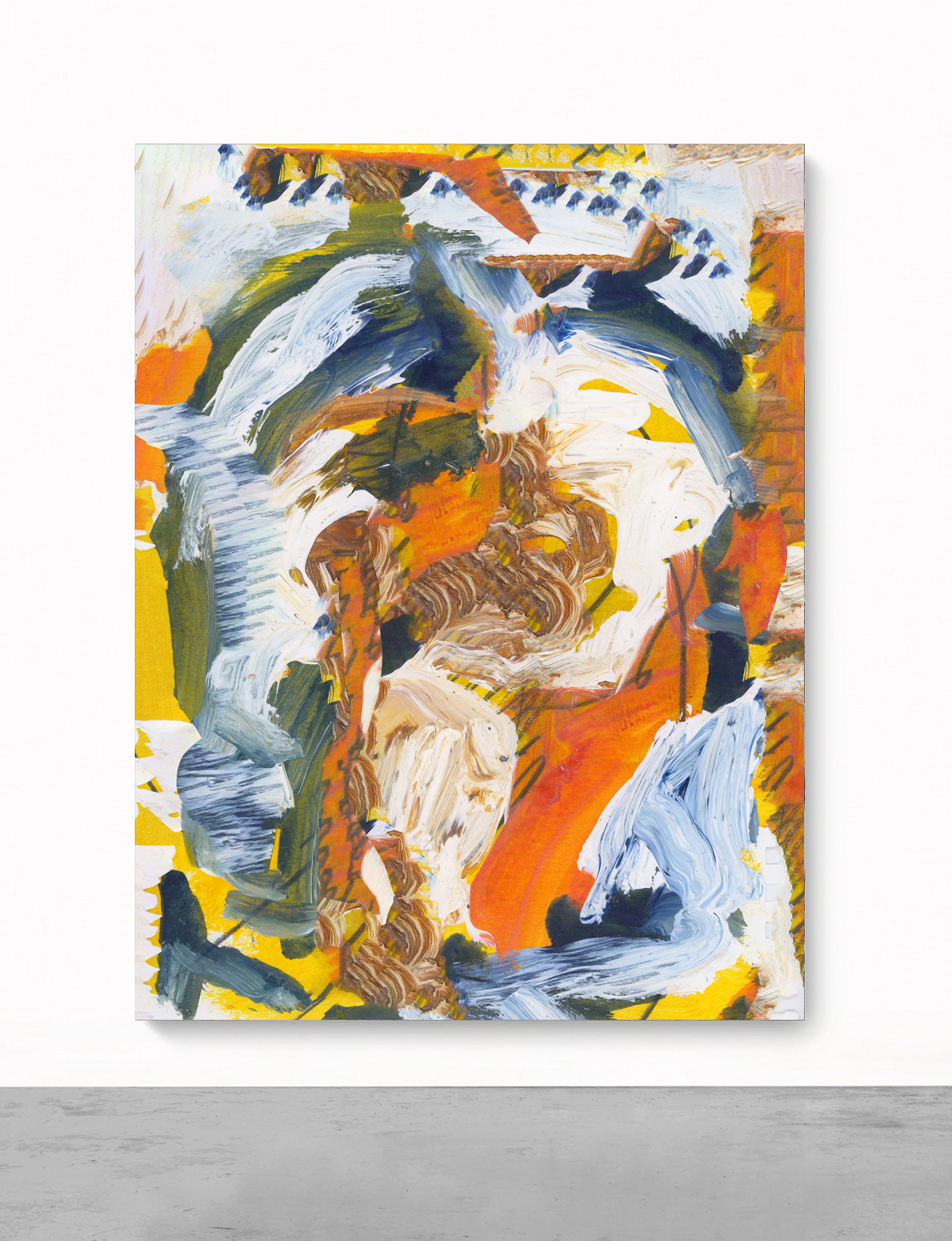
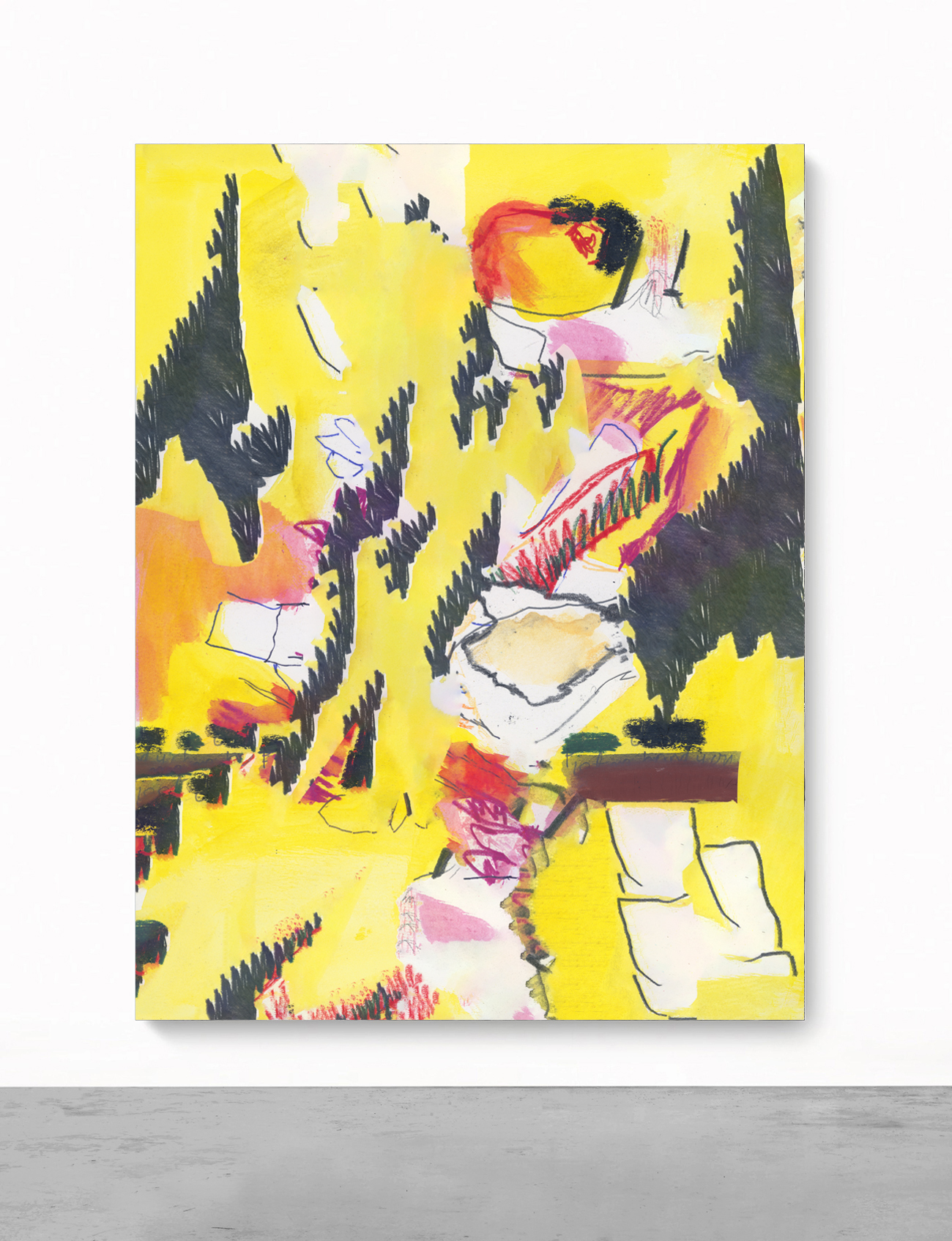
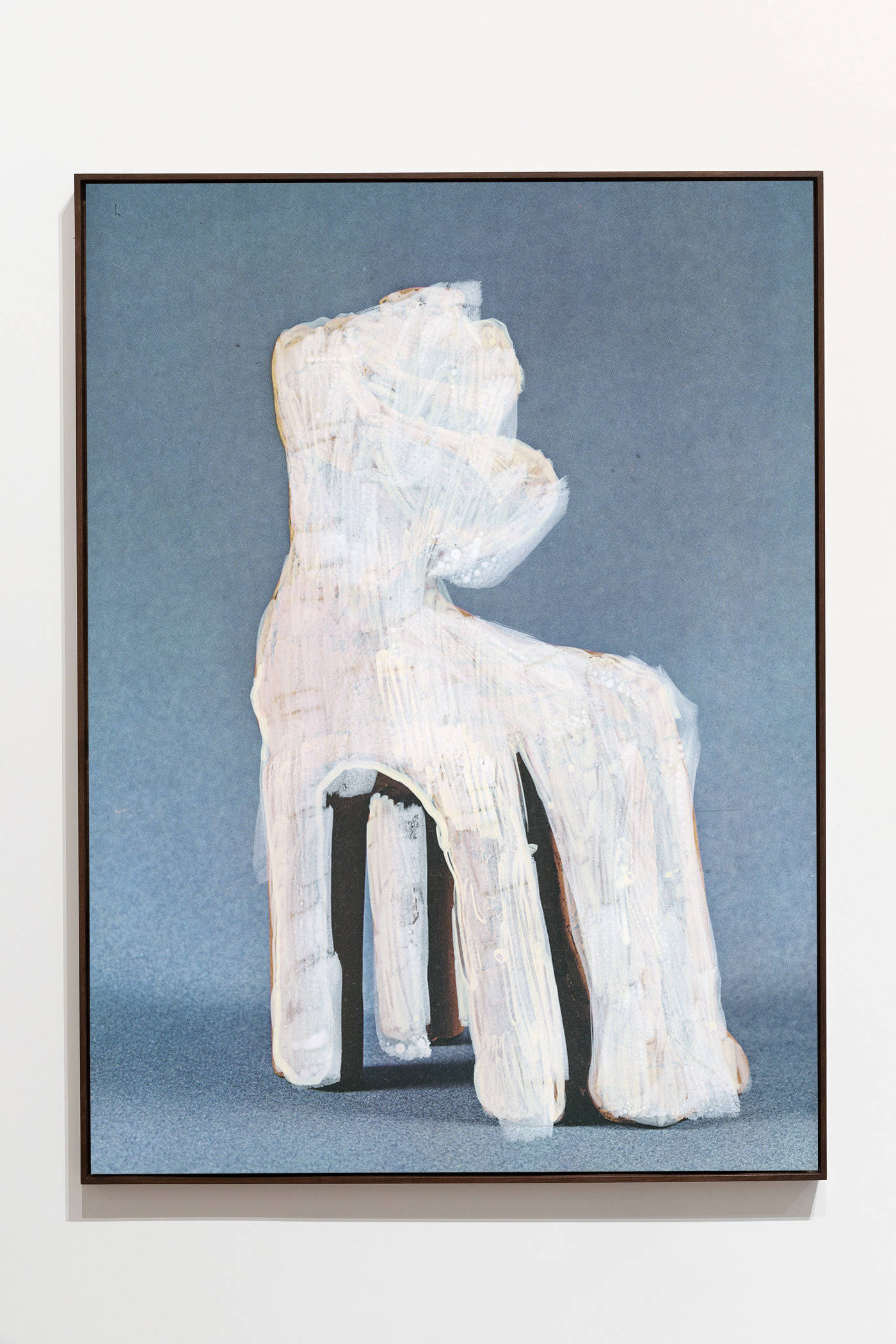
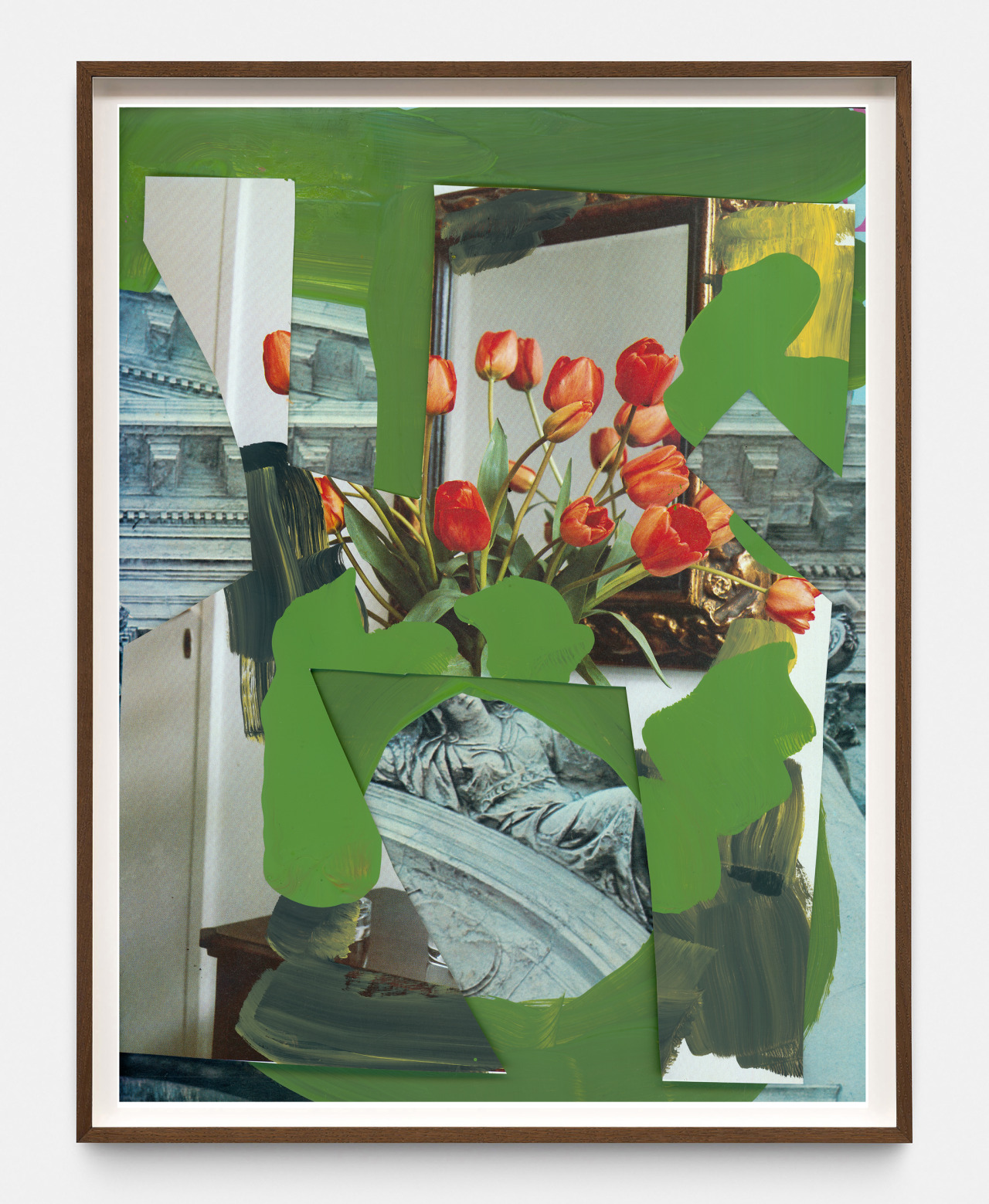
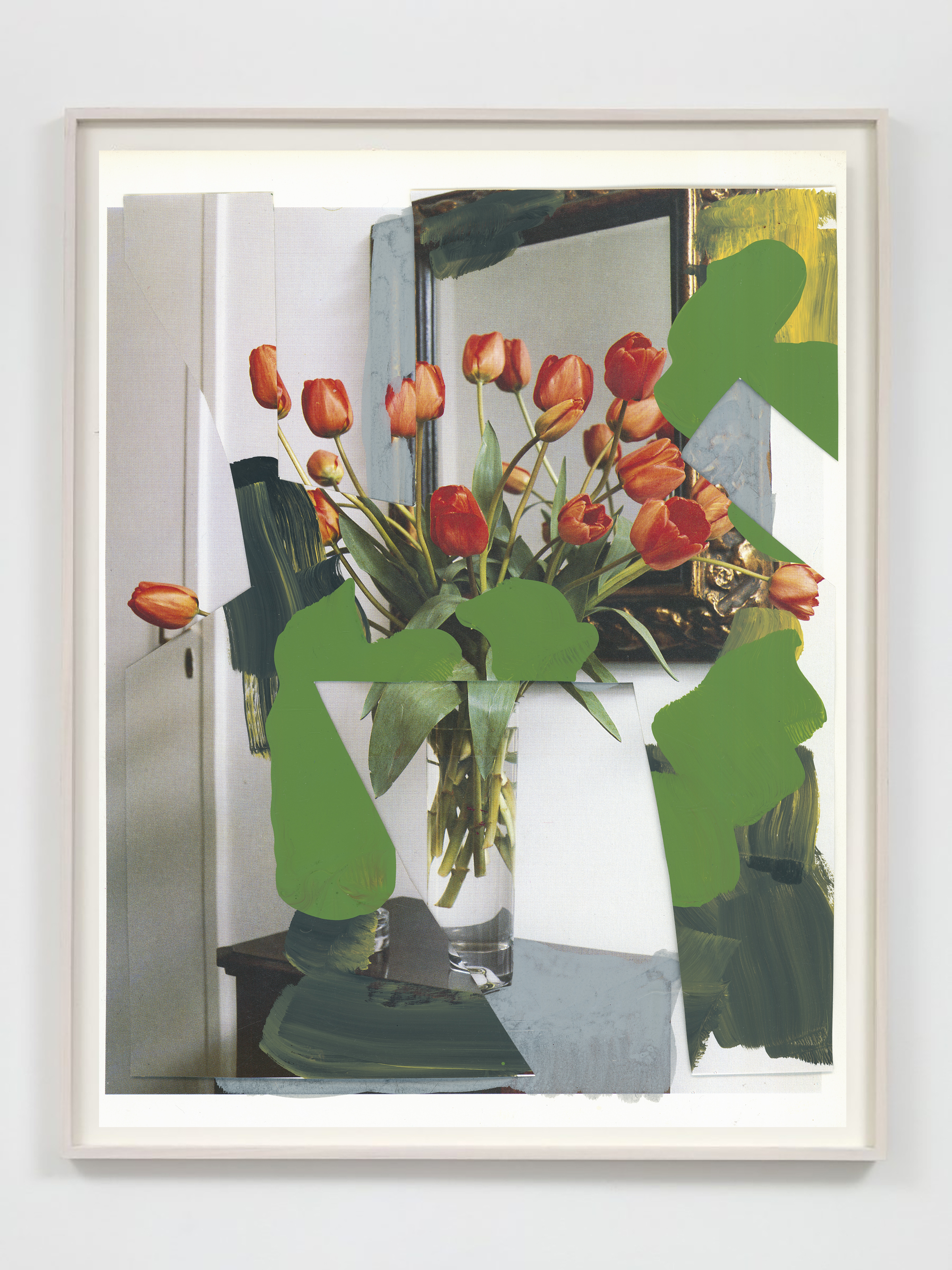
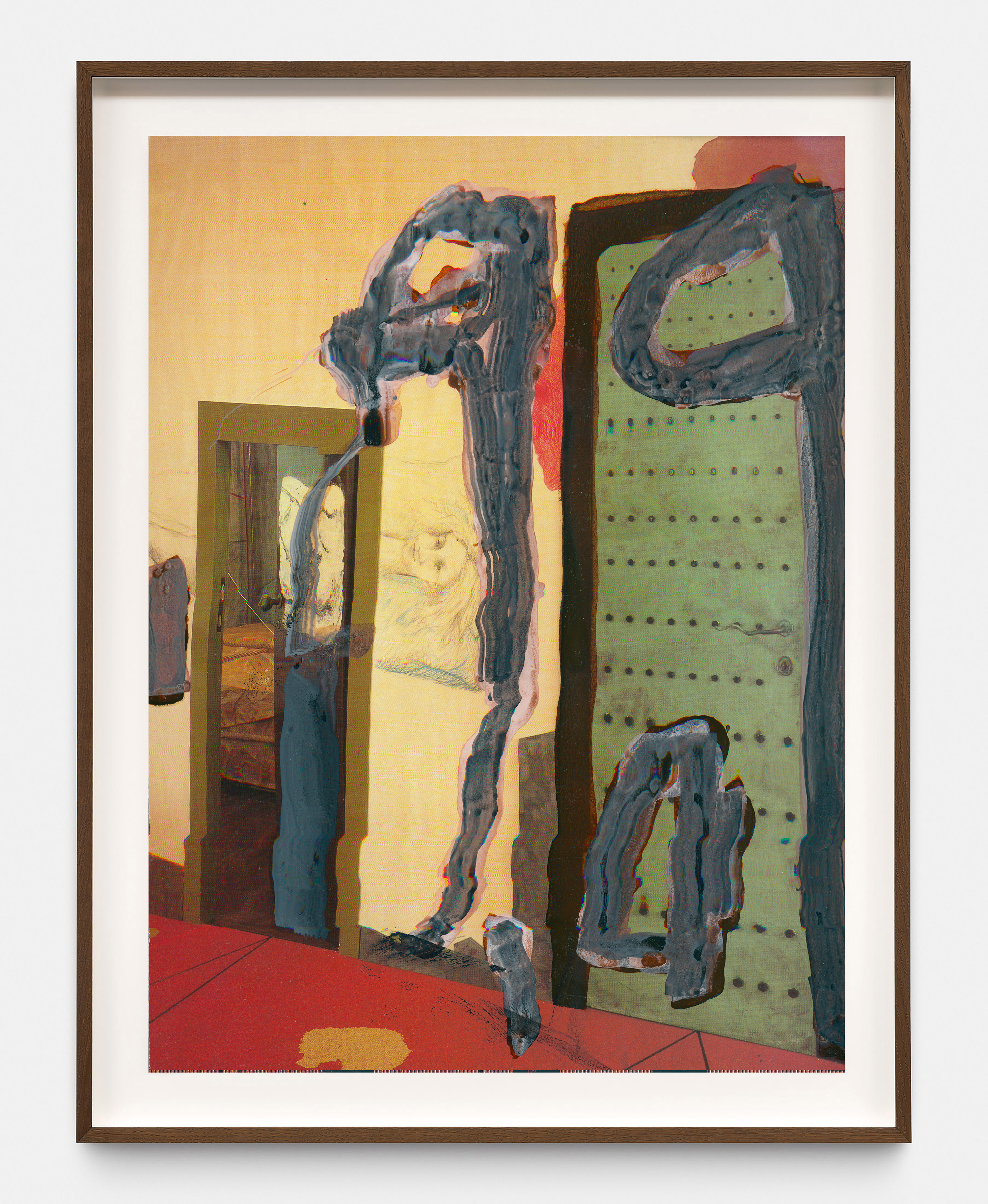
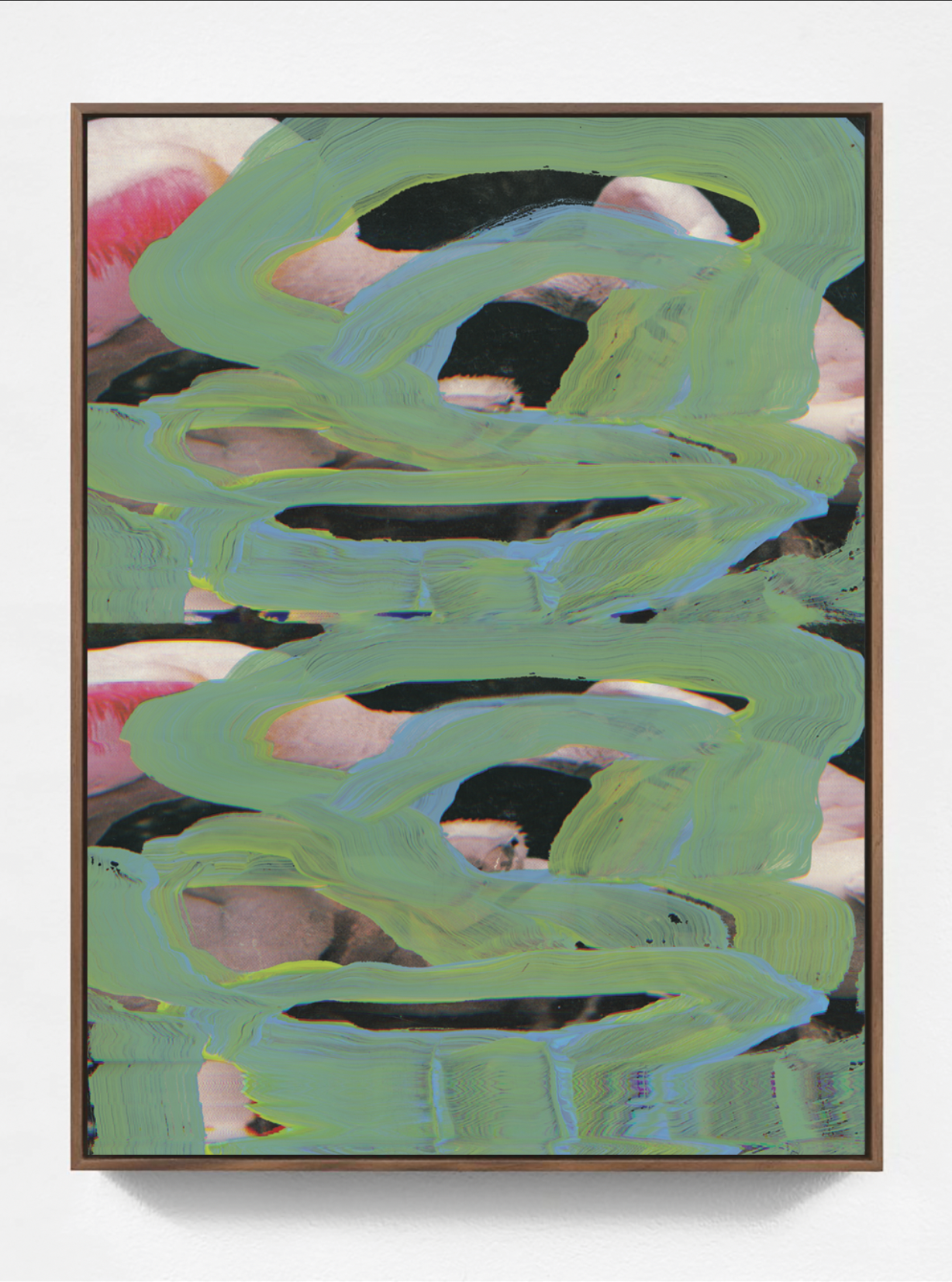
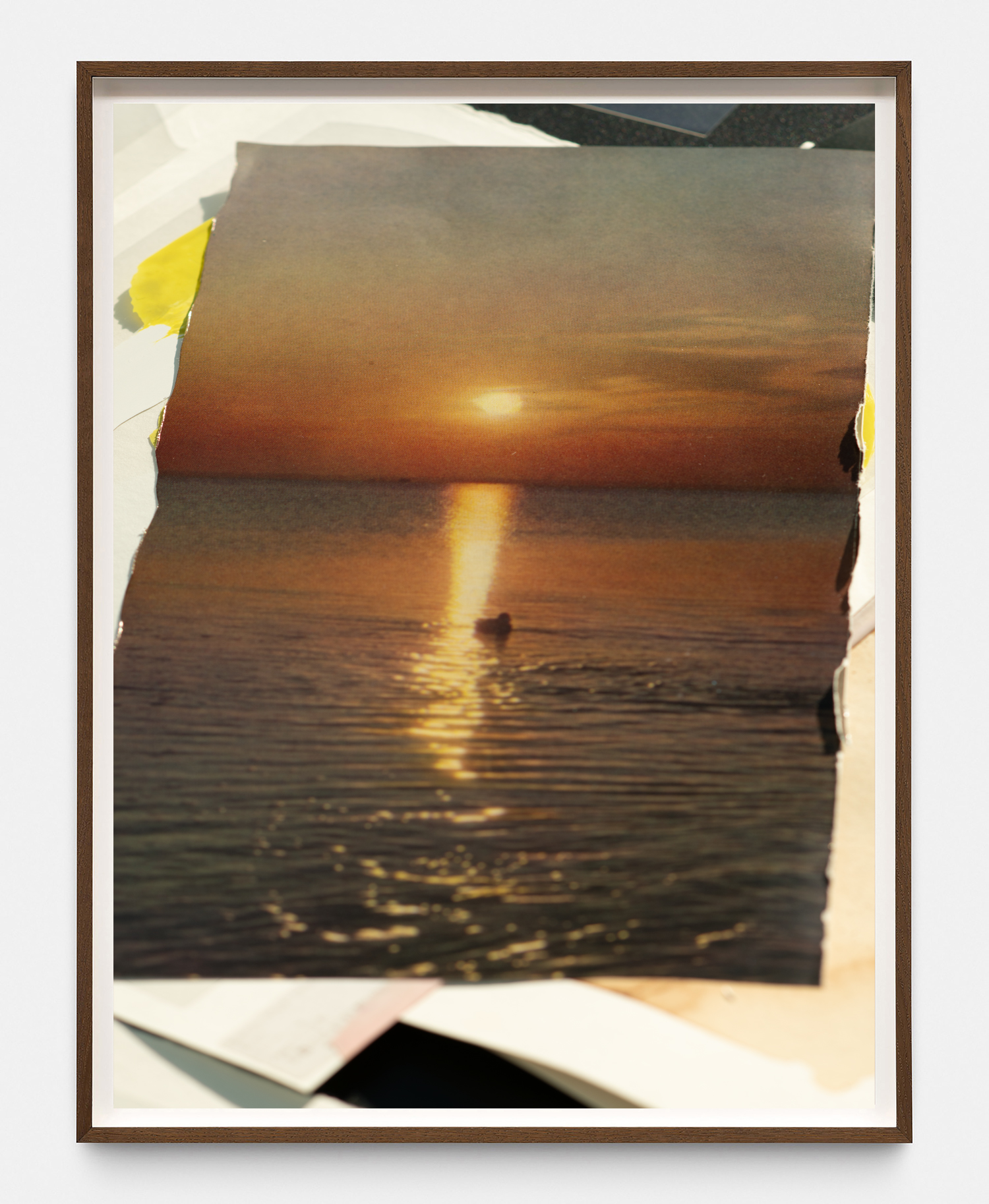
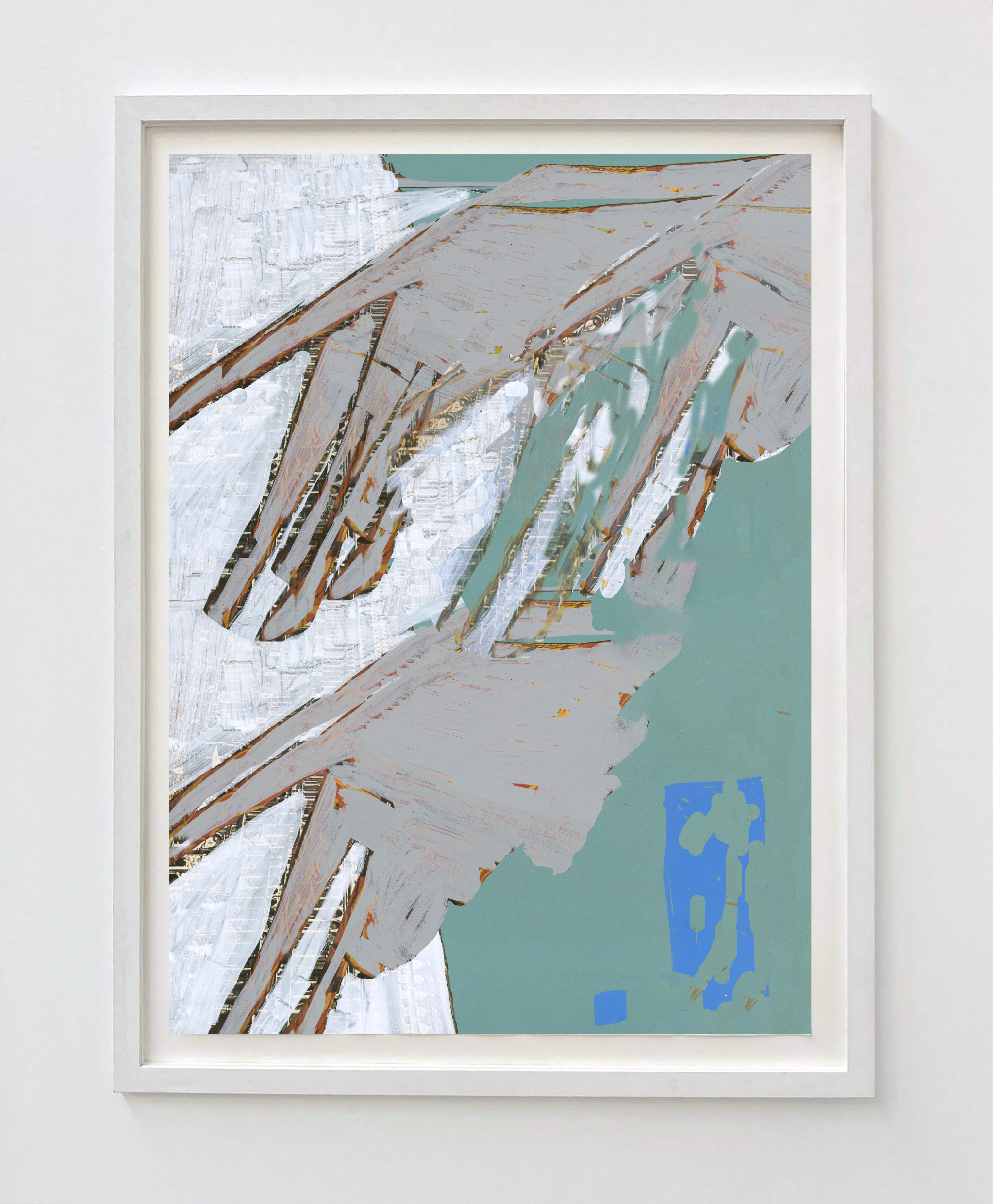
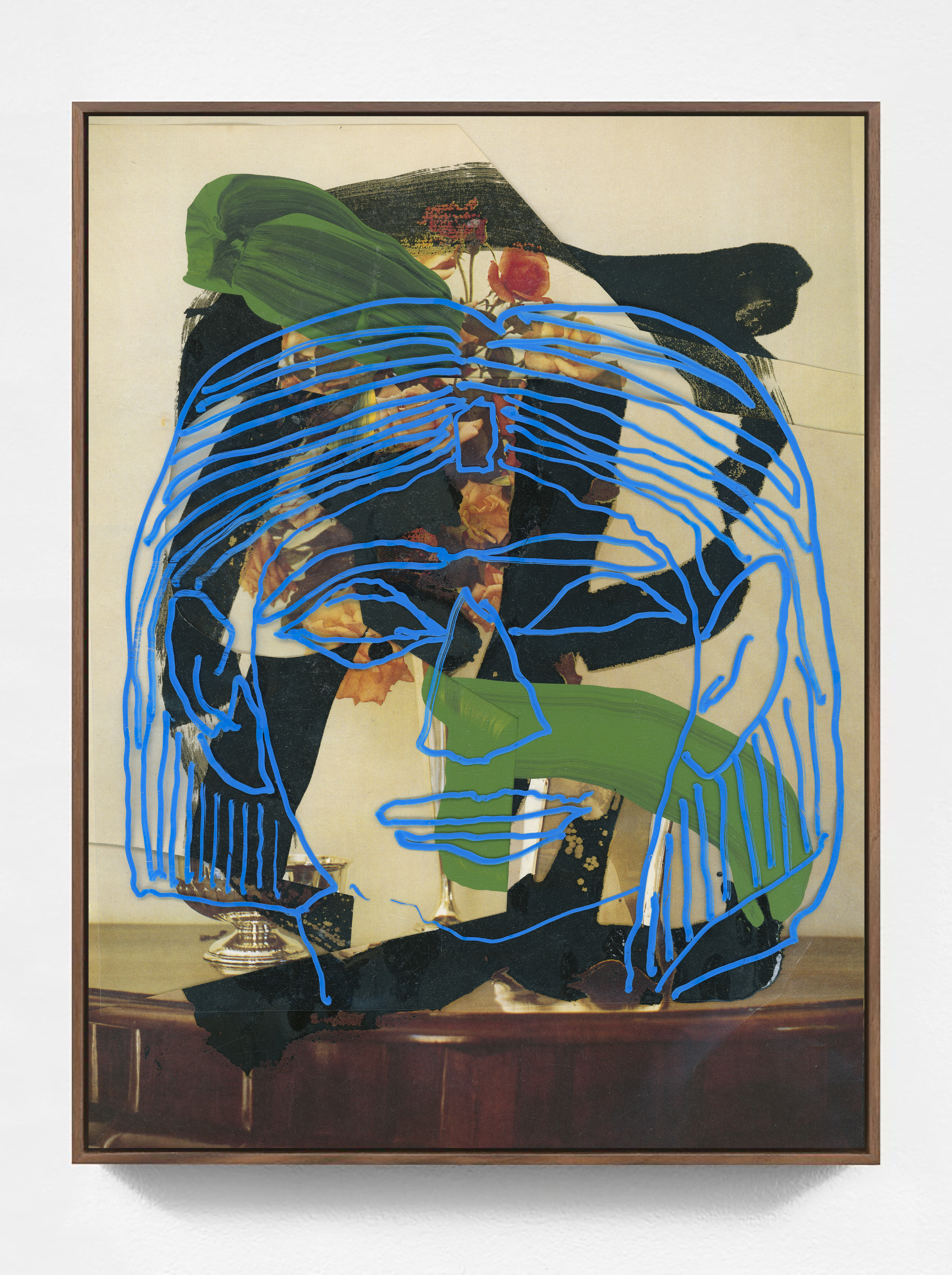
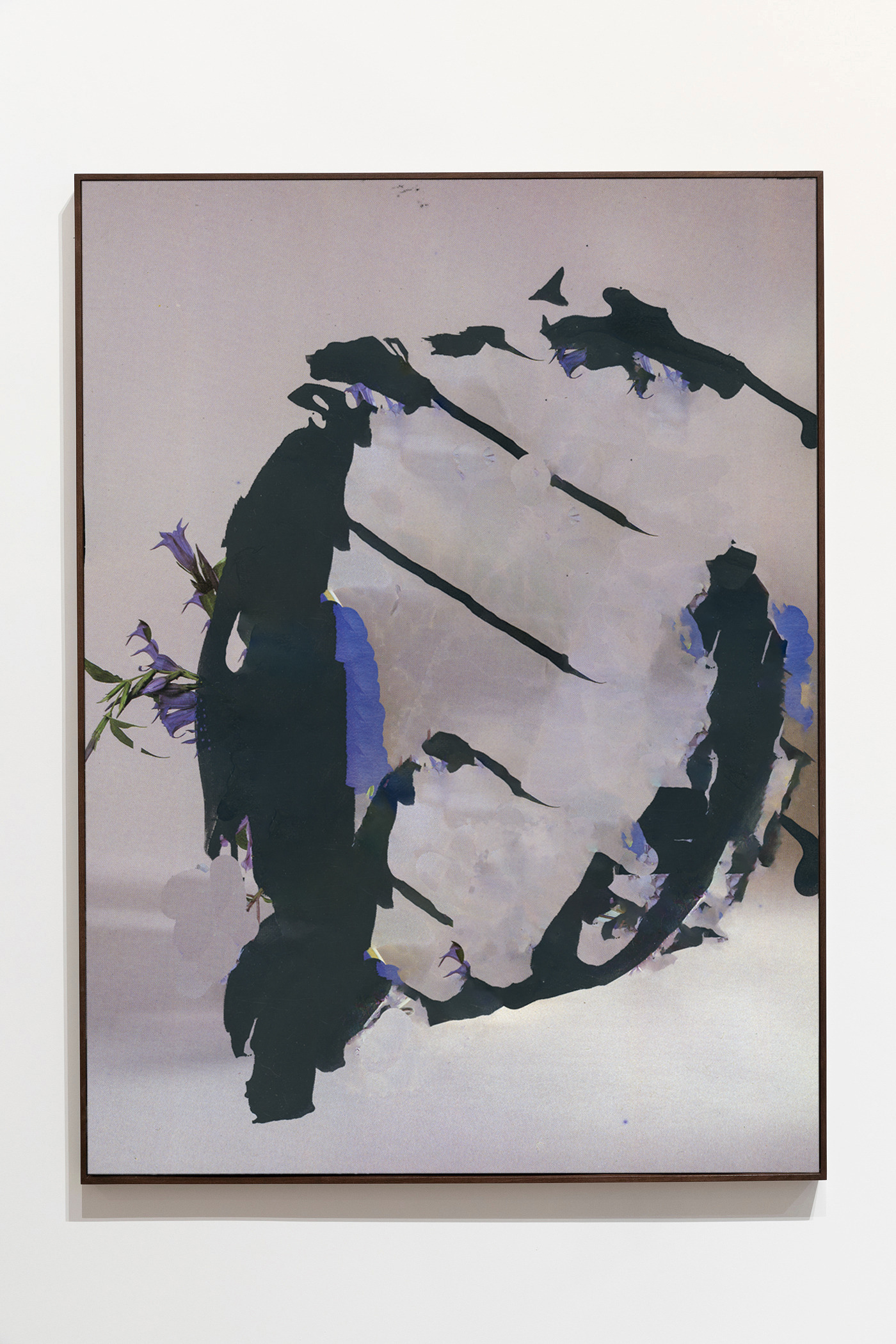
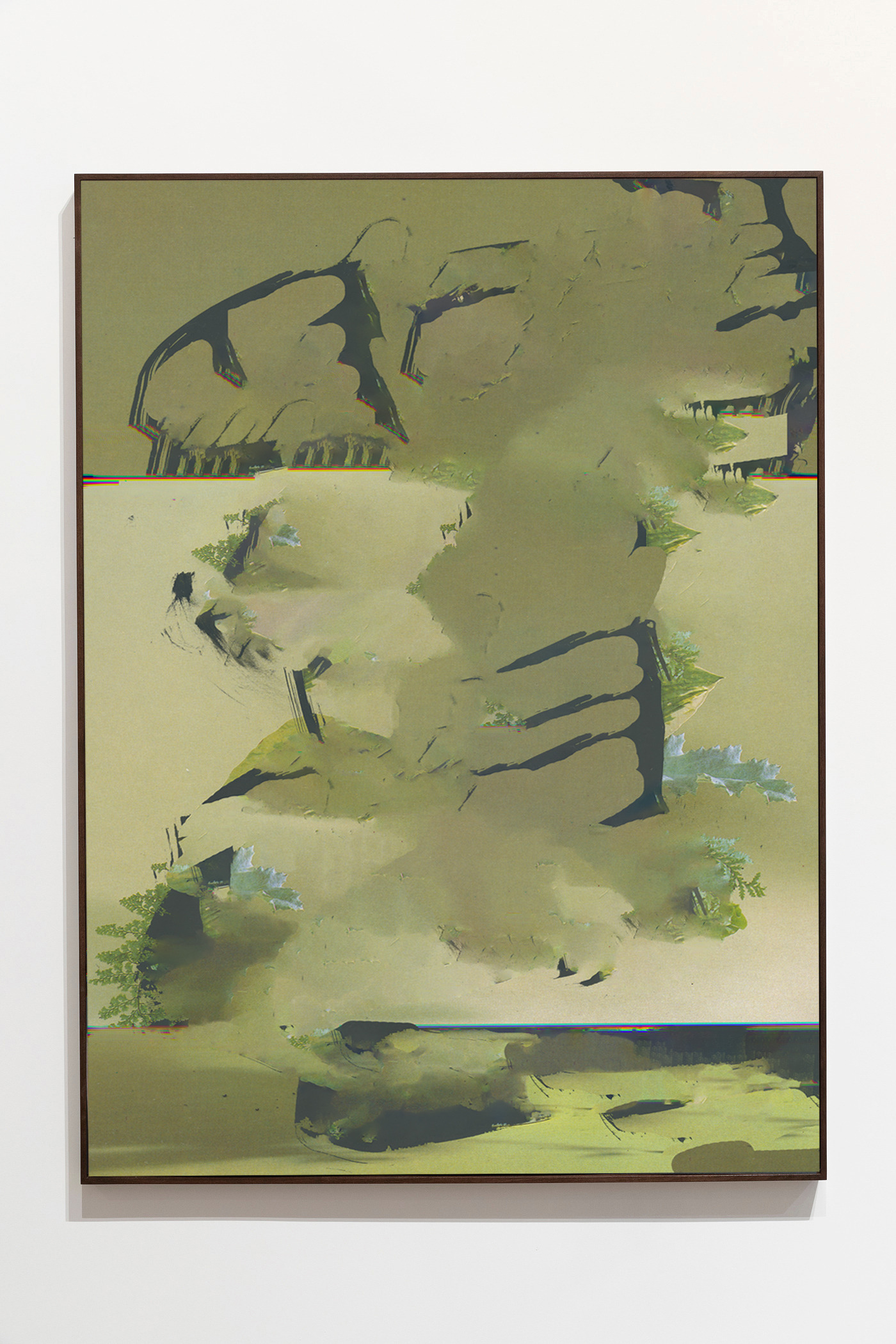
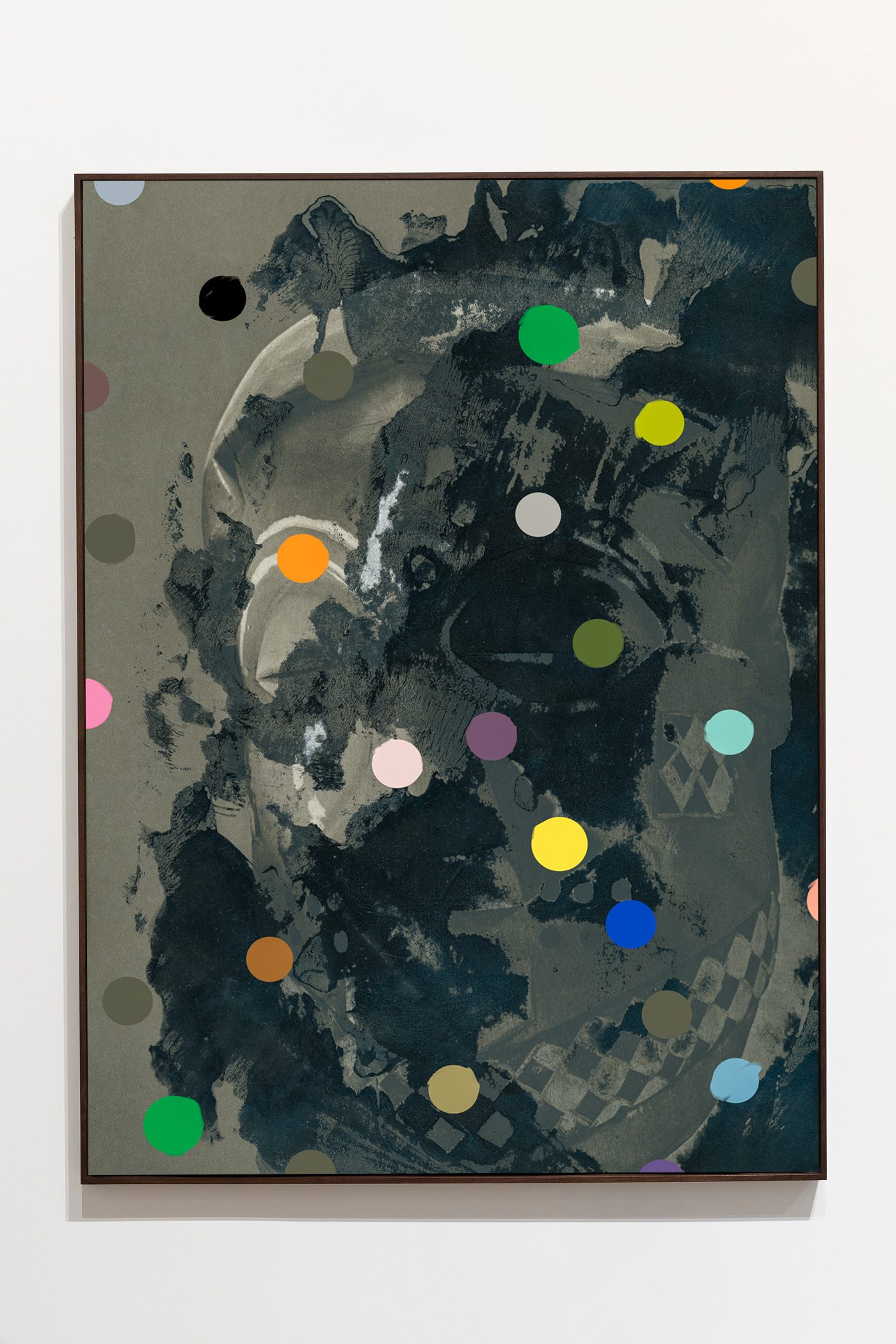
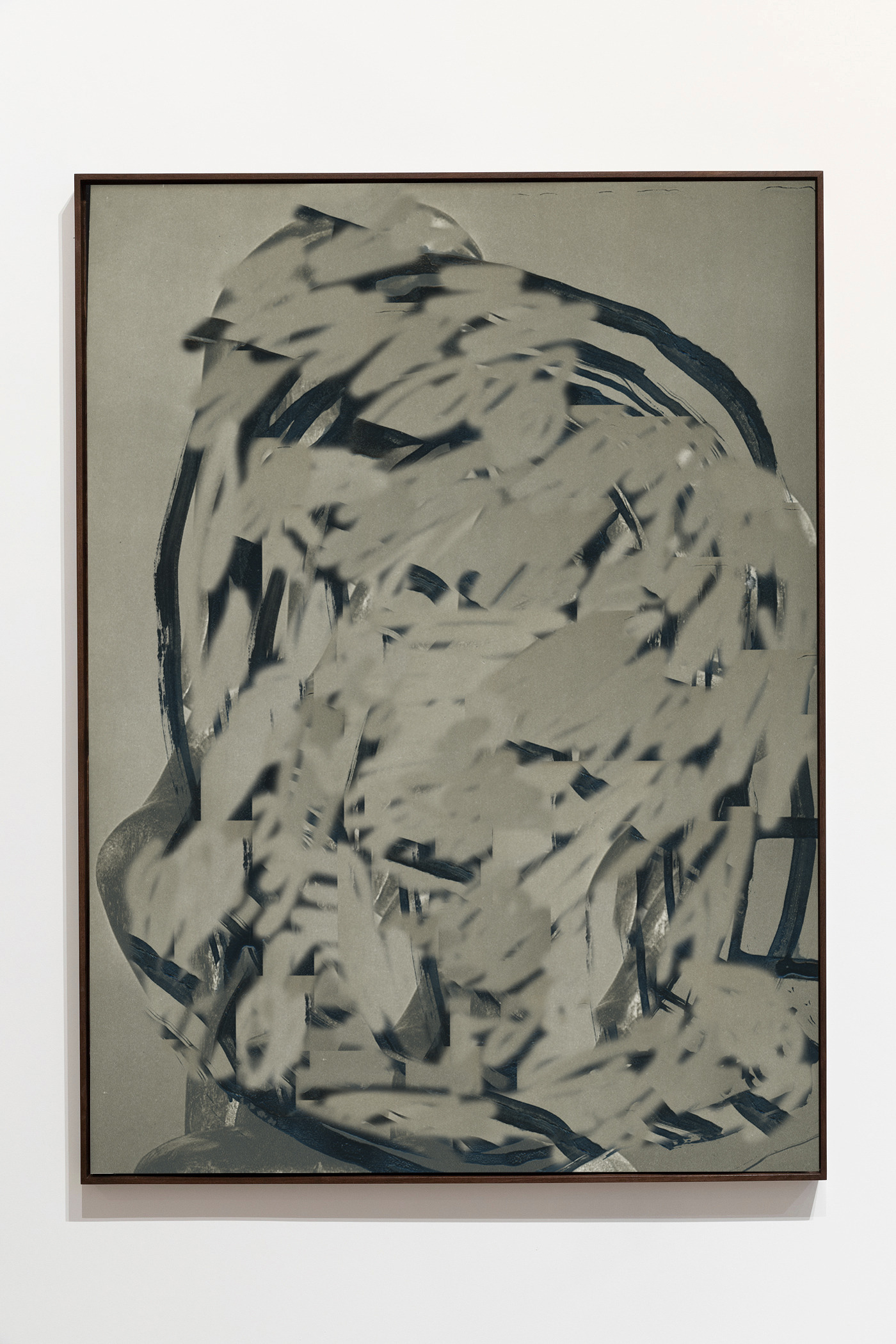
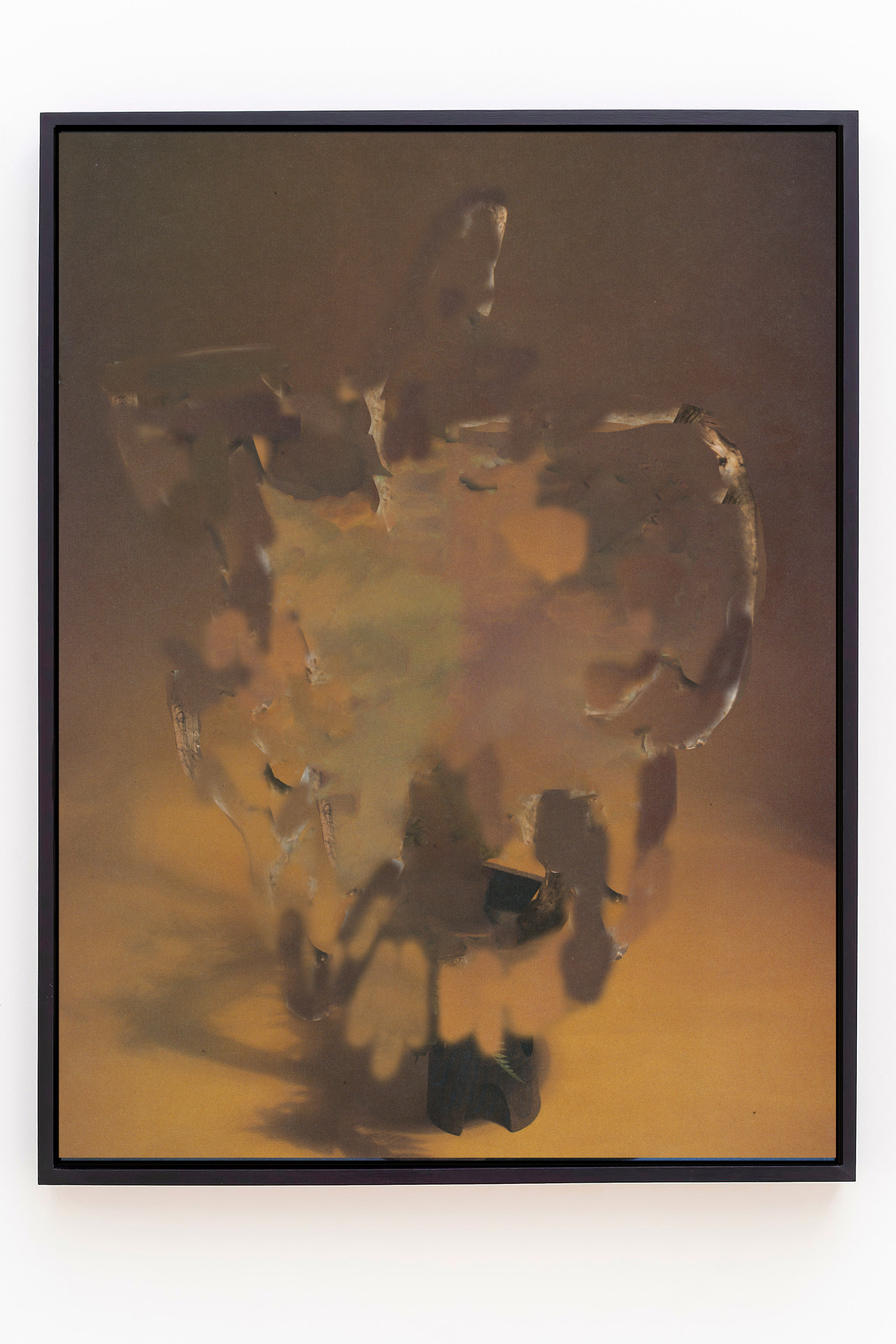
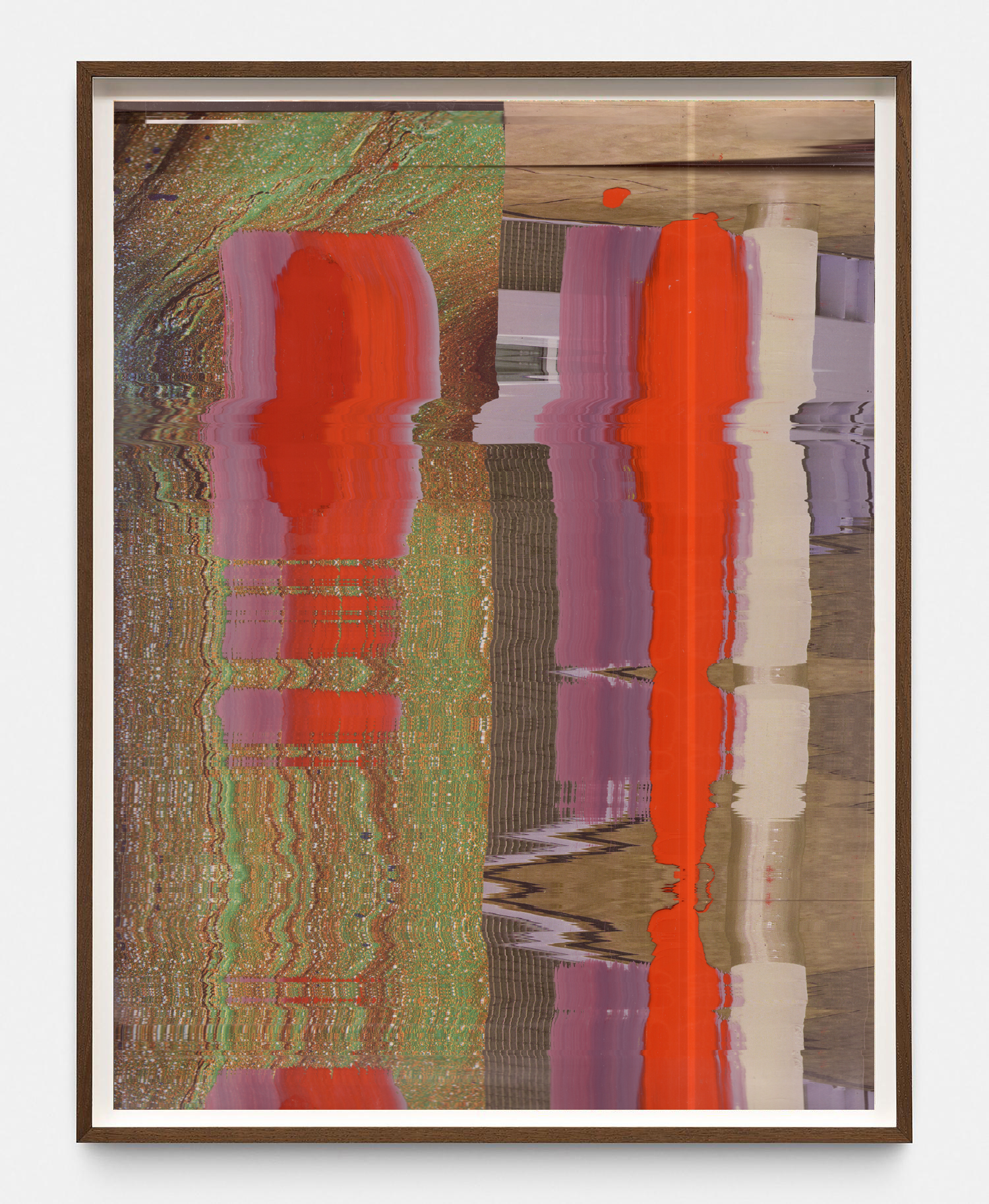
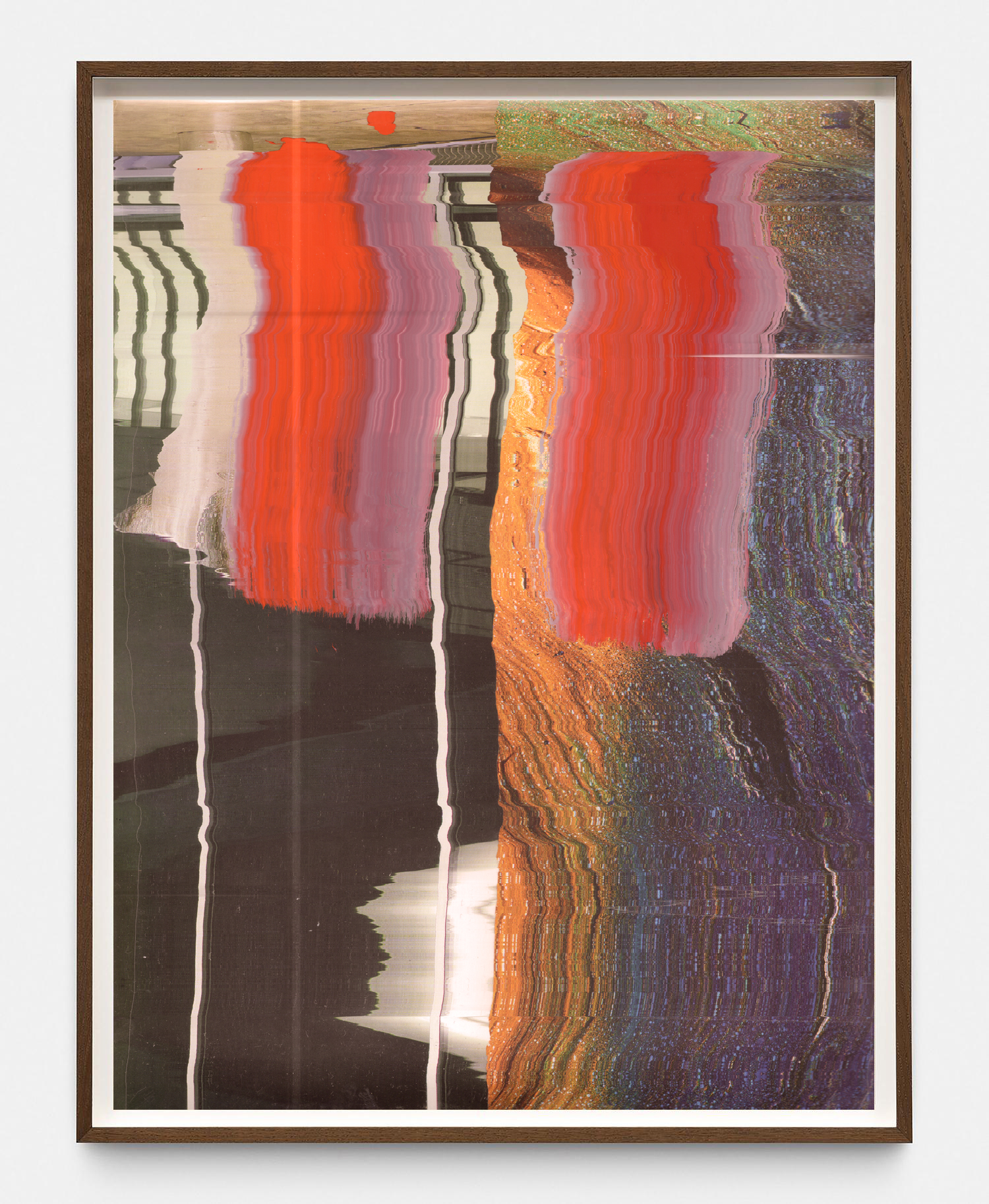
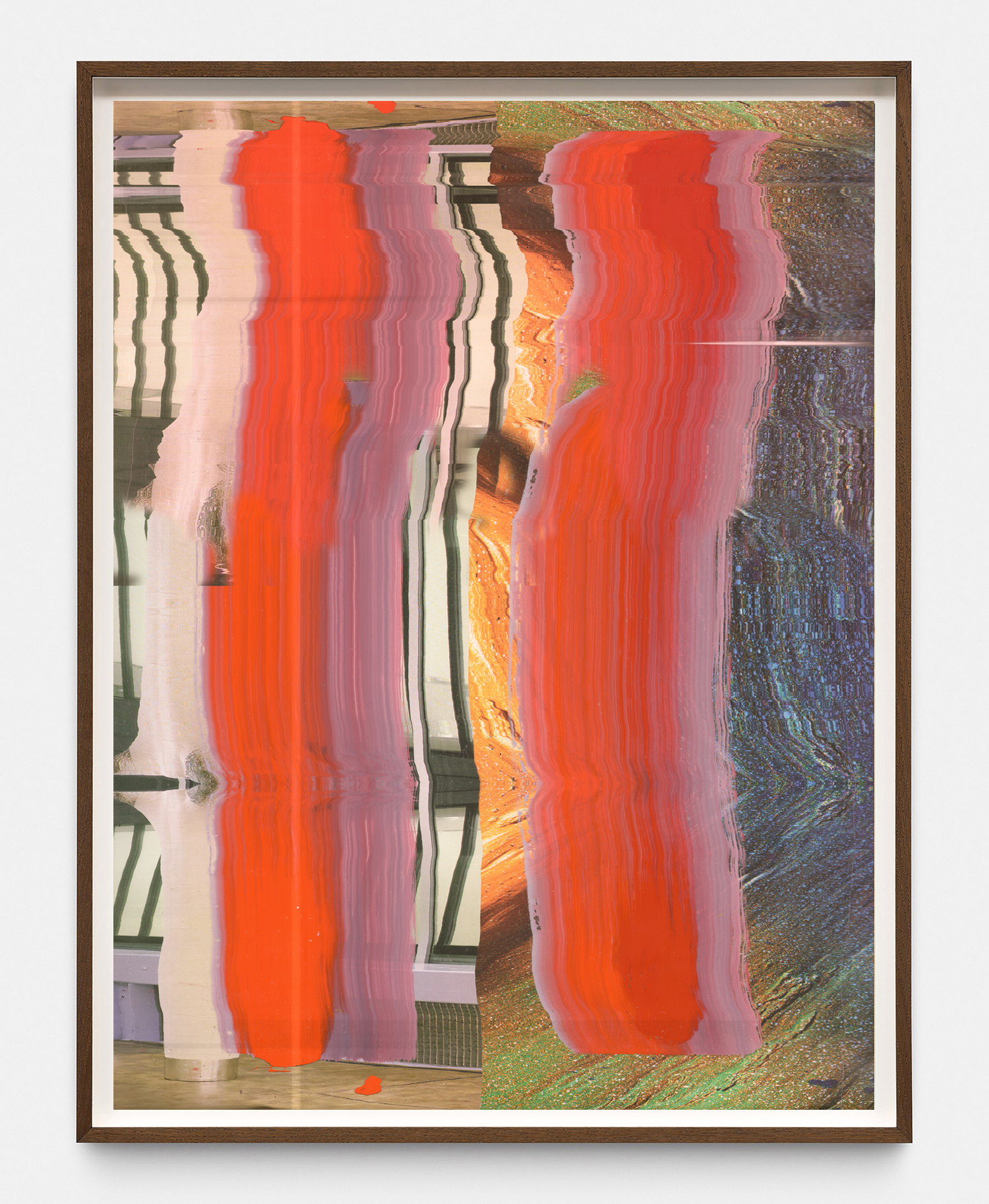
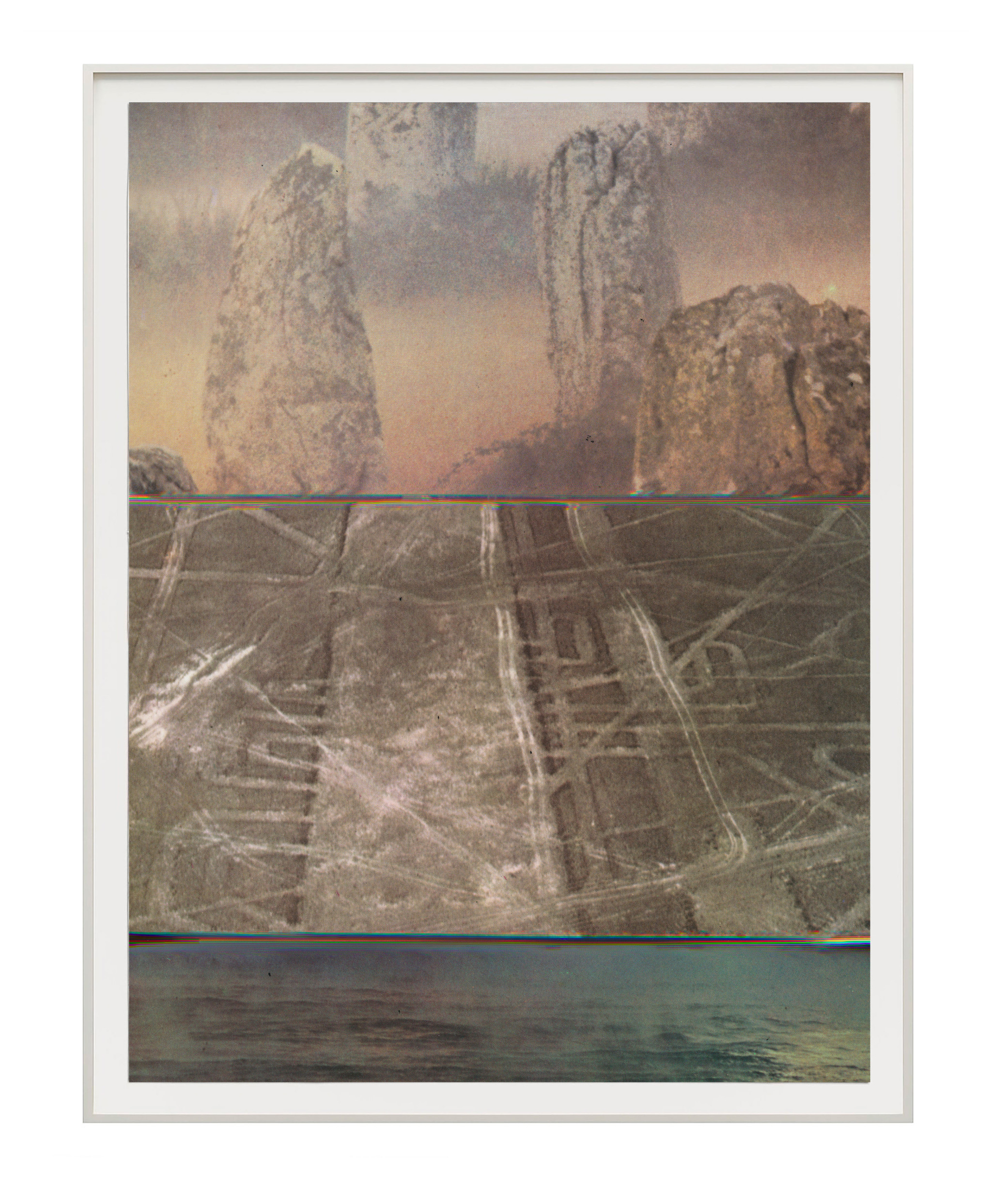
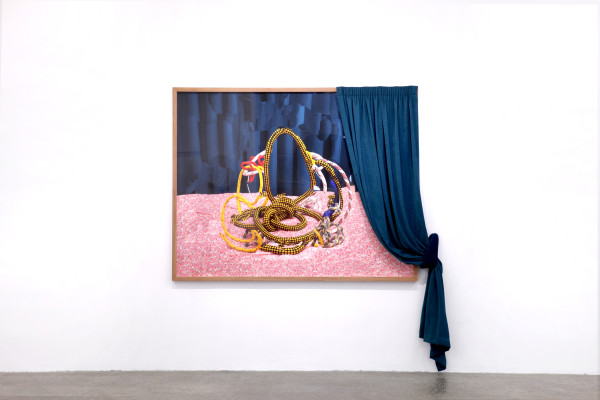
Rather than treating photography as a medium of description, I approach the image as a mutable object. I build temporary structures from discarded materials, domestic objects, plants, textiles, painted surfaces, and printed photographs, then photograph, manipulate, scan, crop, and reassemble them. The camera becomes less a witness than a participant in a physical performance. The resulting works occupy an unstable territory where abstraction and representation continually exchange places.
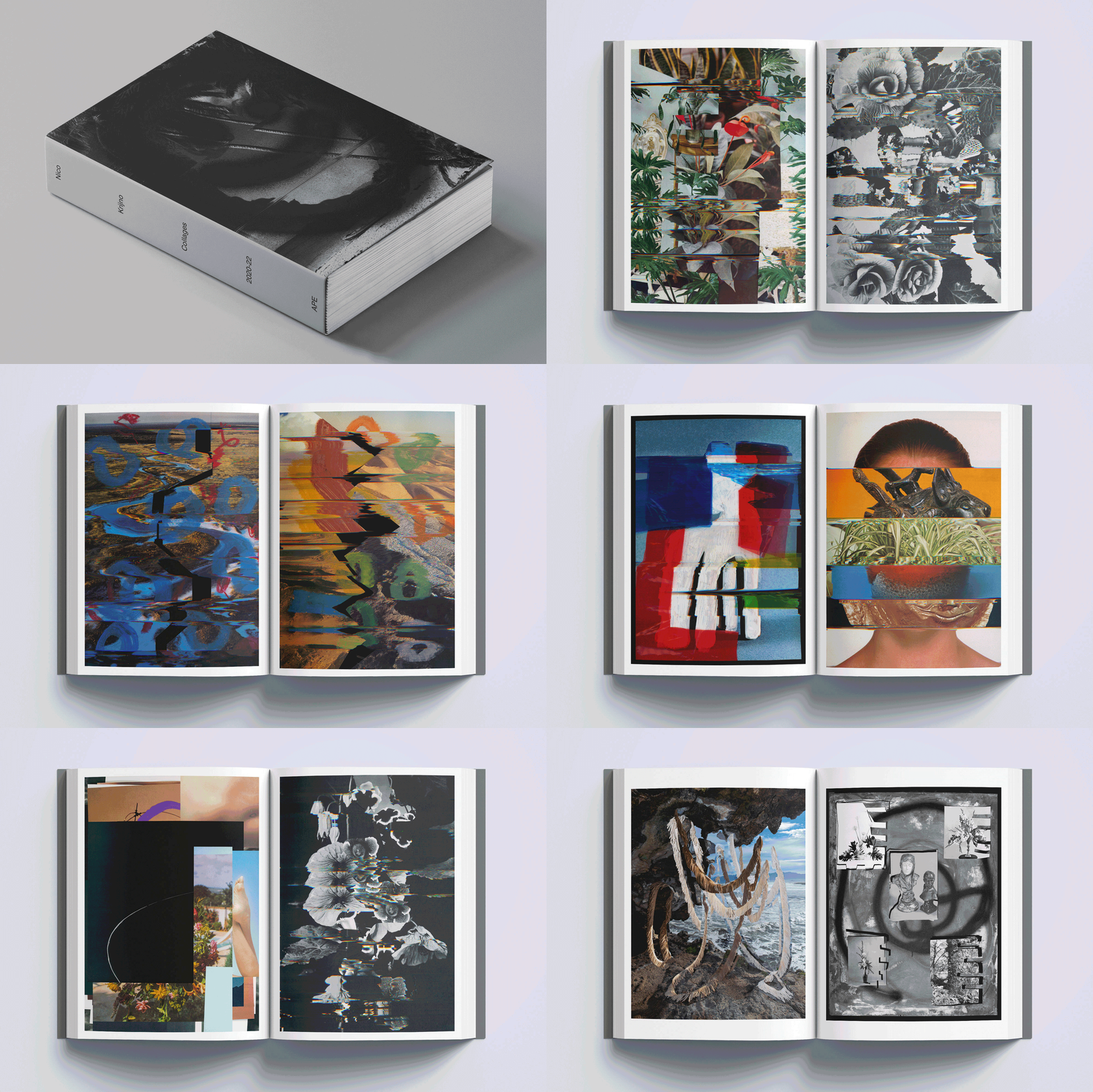
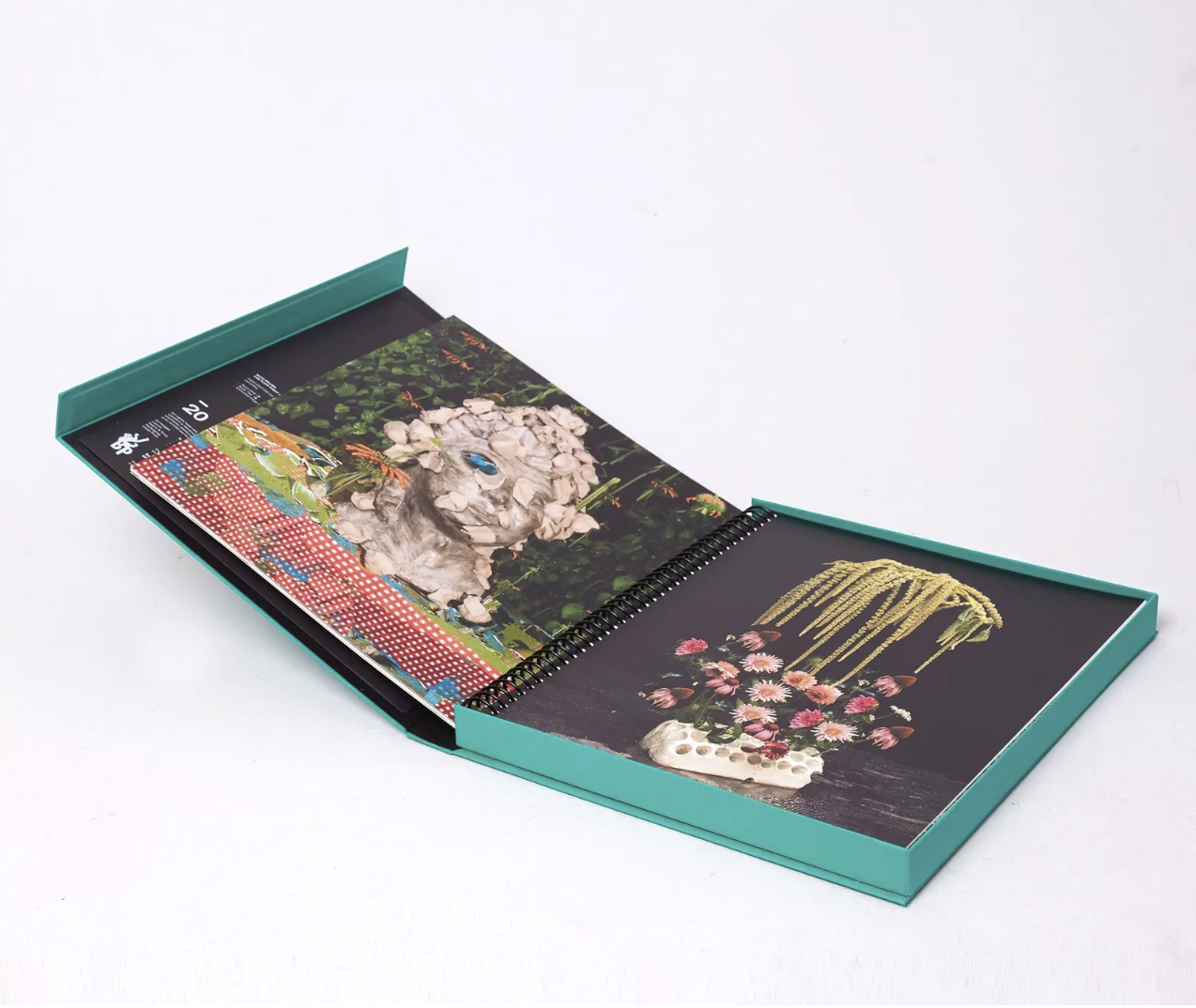
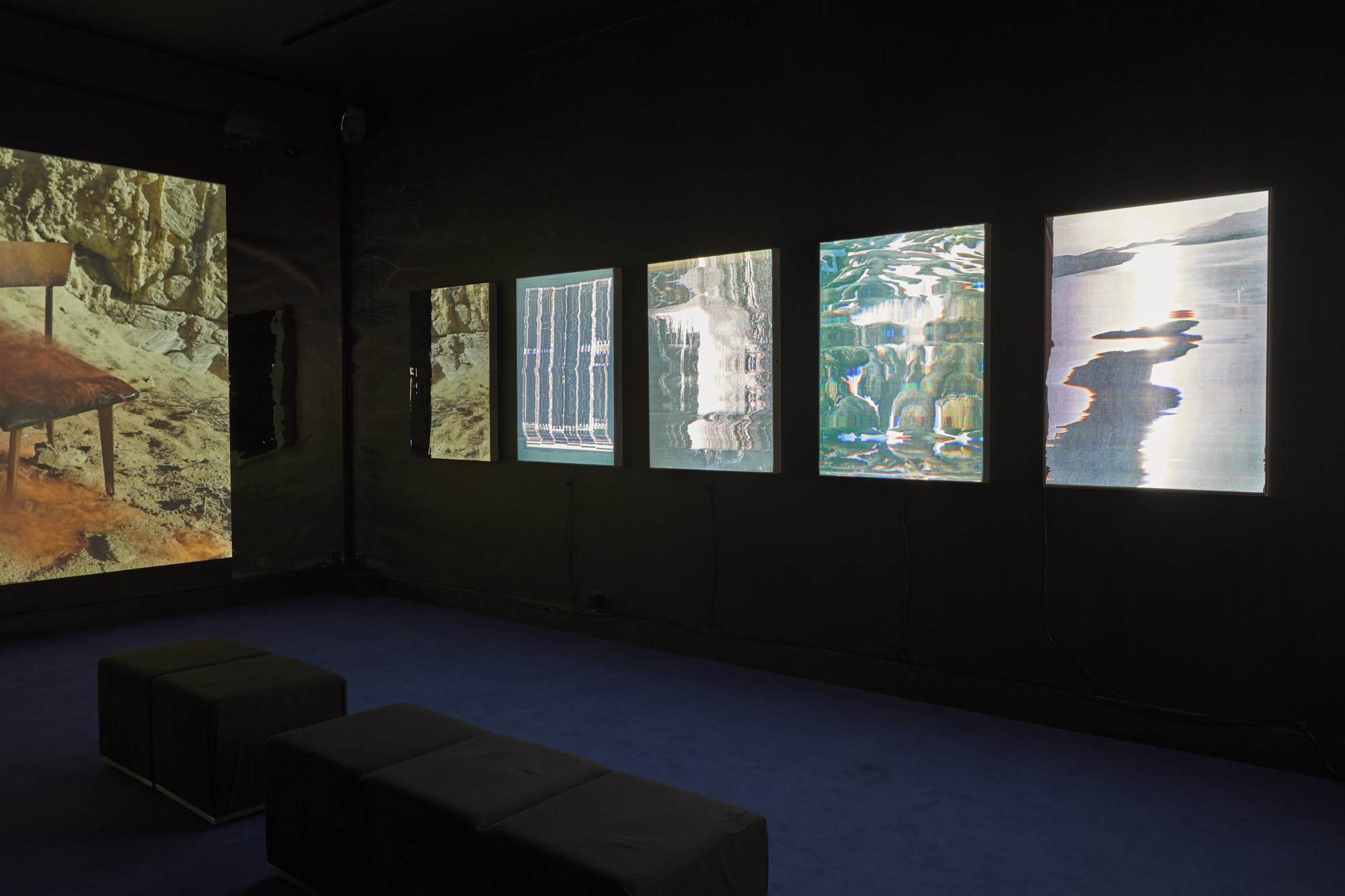
I have never been interested in the single decisive image. My work develops non-linearly, with photographs, collages, sculptures, videos, books, and installations feeding into one another over time. Images migrate across different forms and contexts, accumulating meaning through repetition, variation, and interruption. A photograph may become a sculpture, a sculpture may become a video, a video frame may return as a collage, and the cycle continues.
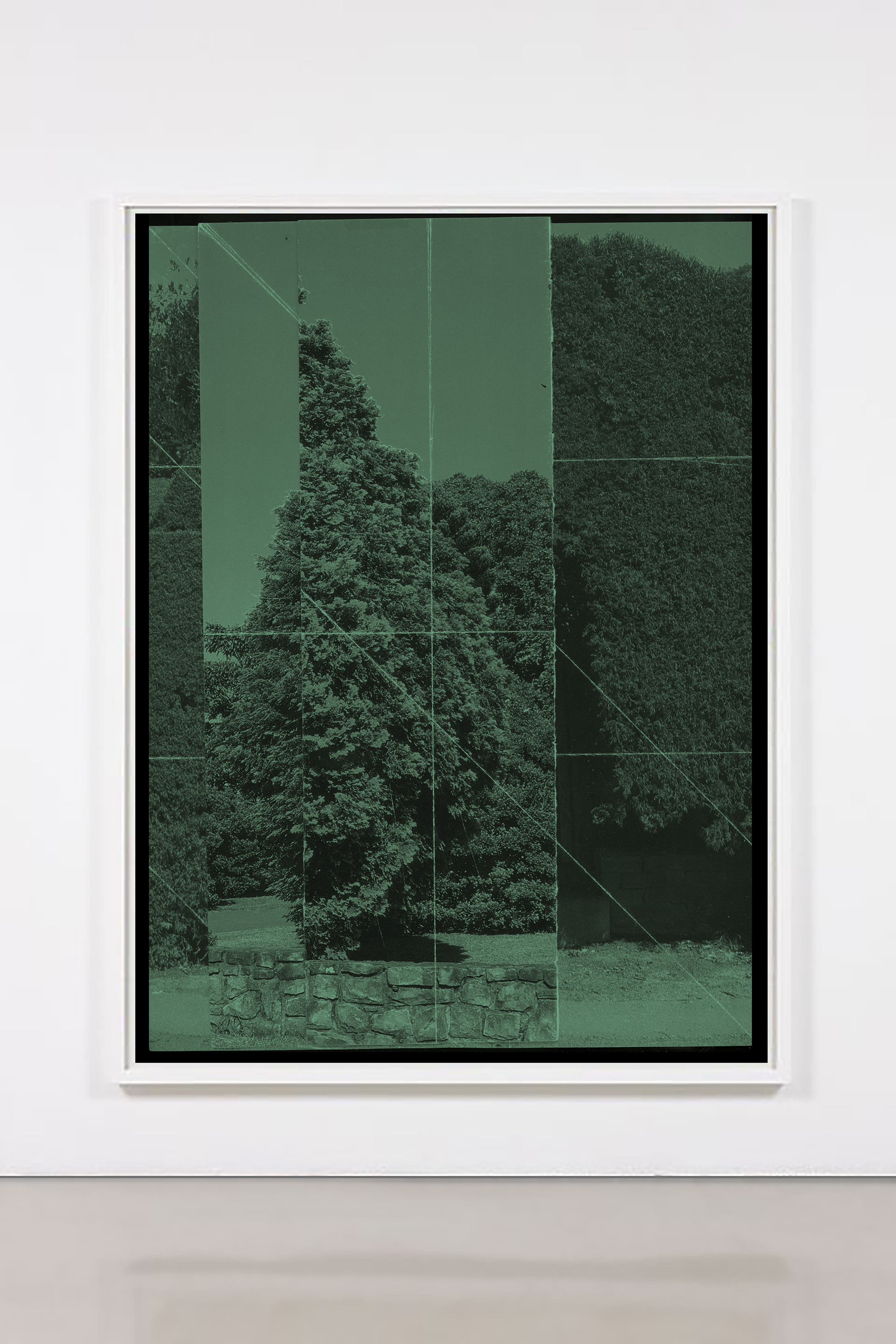
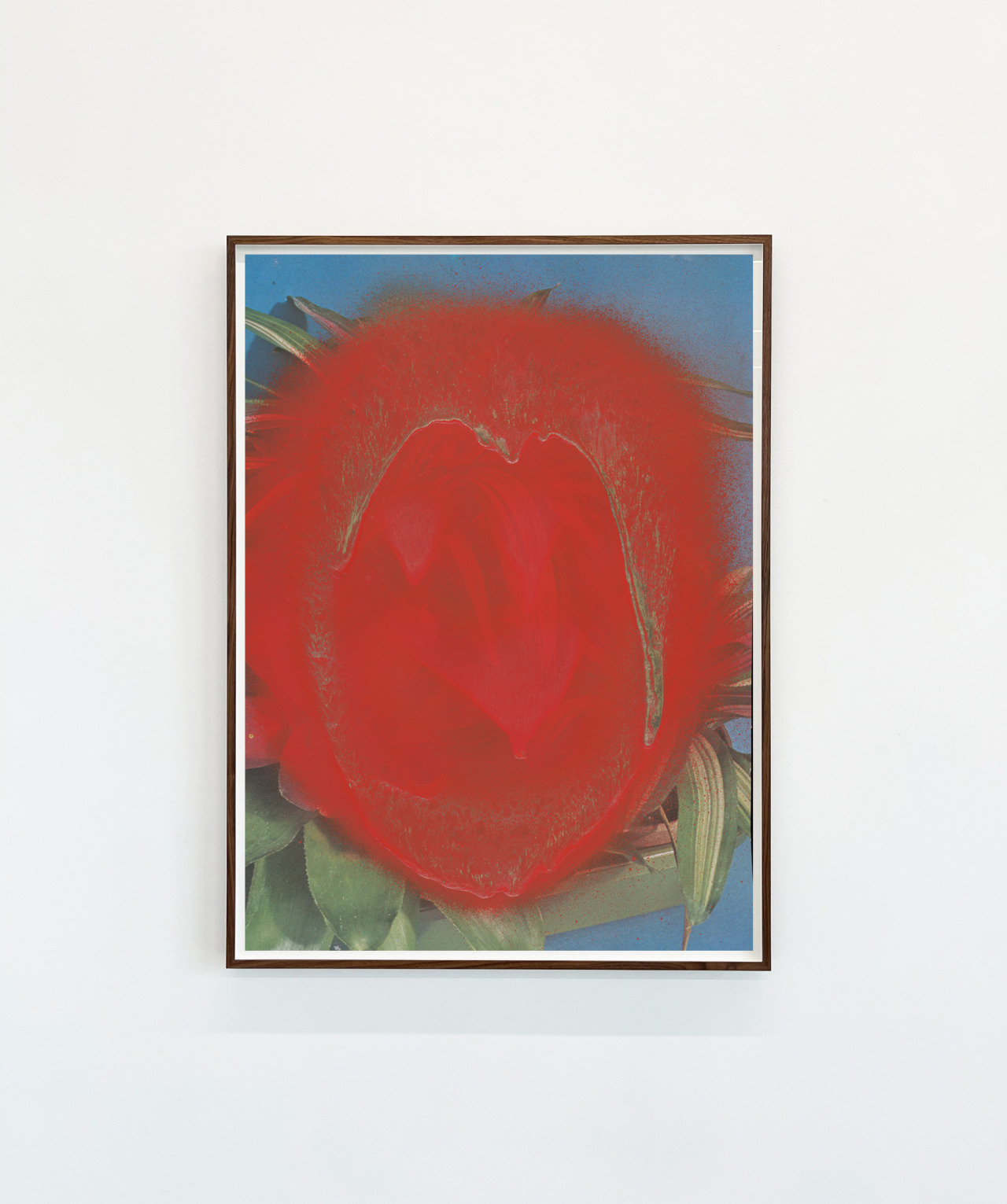
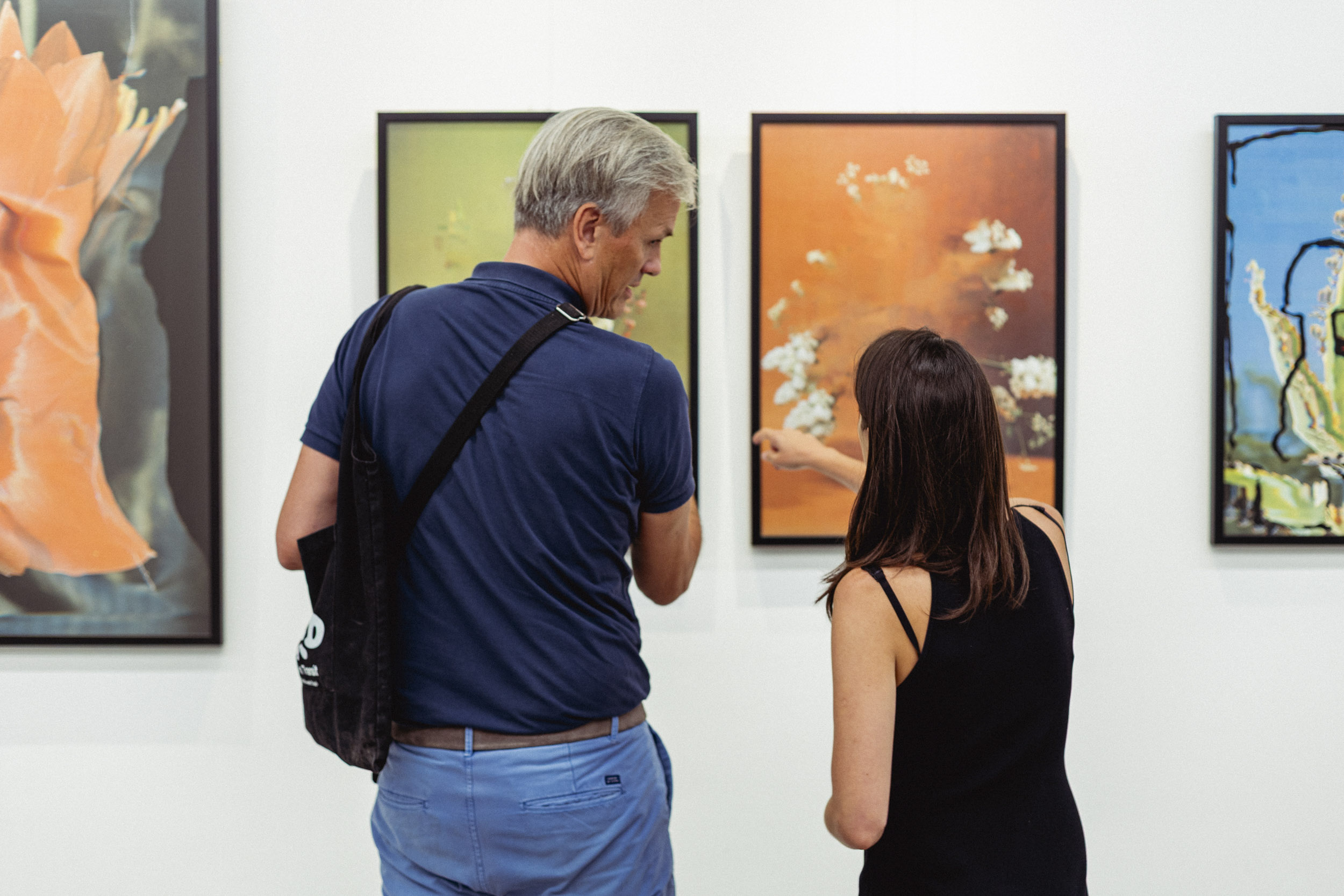
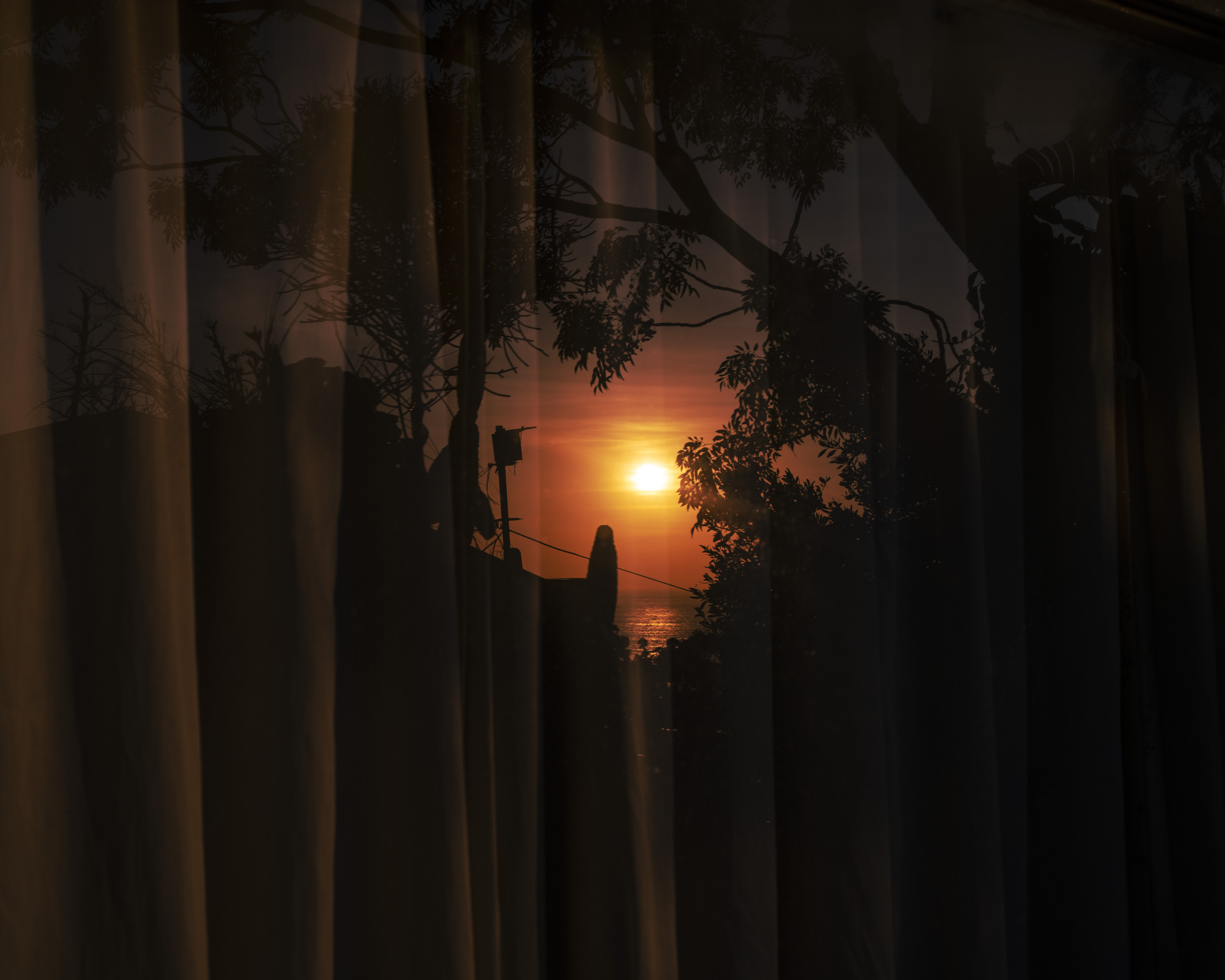
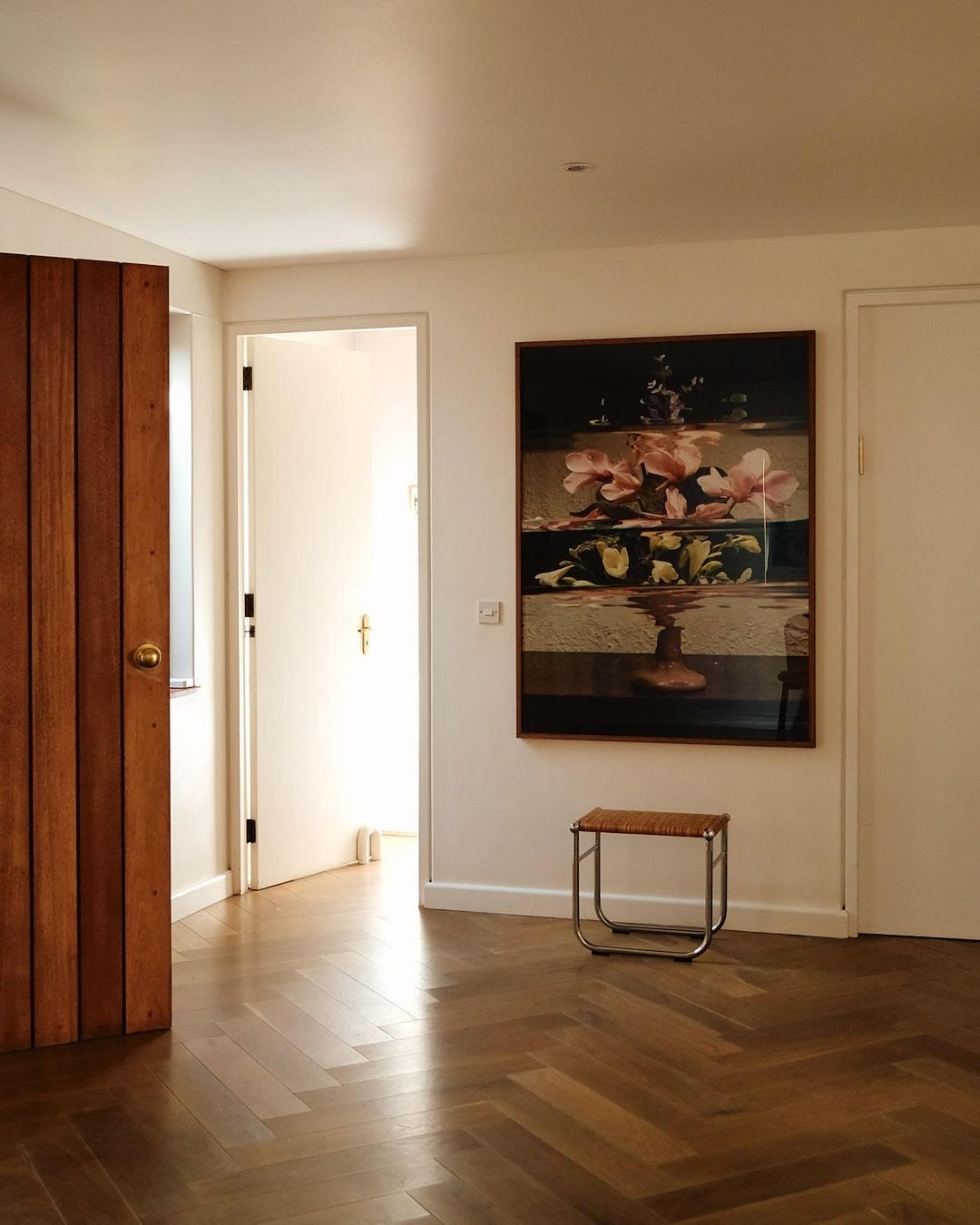
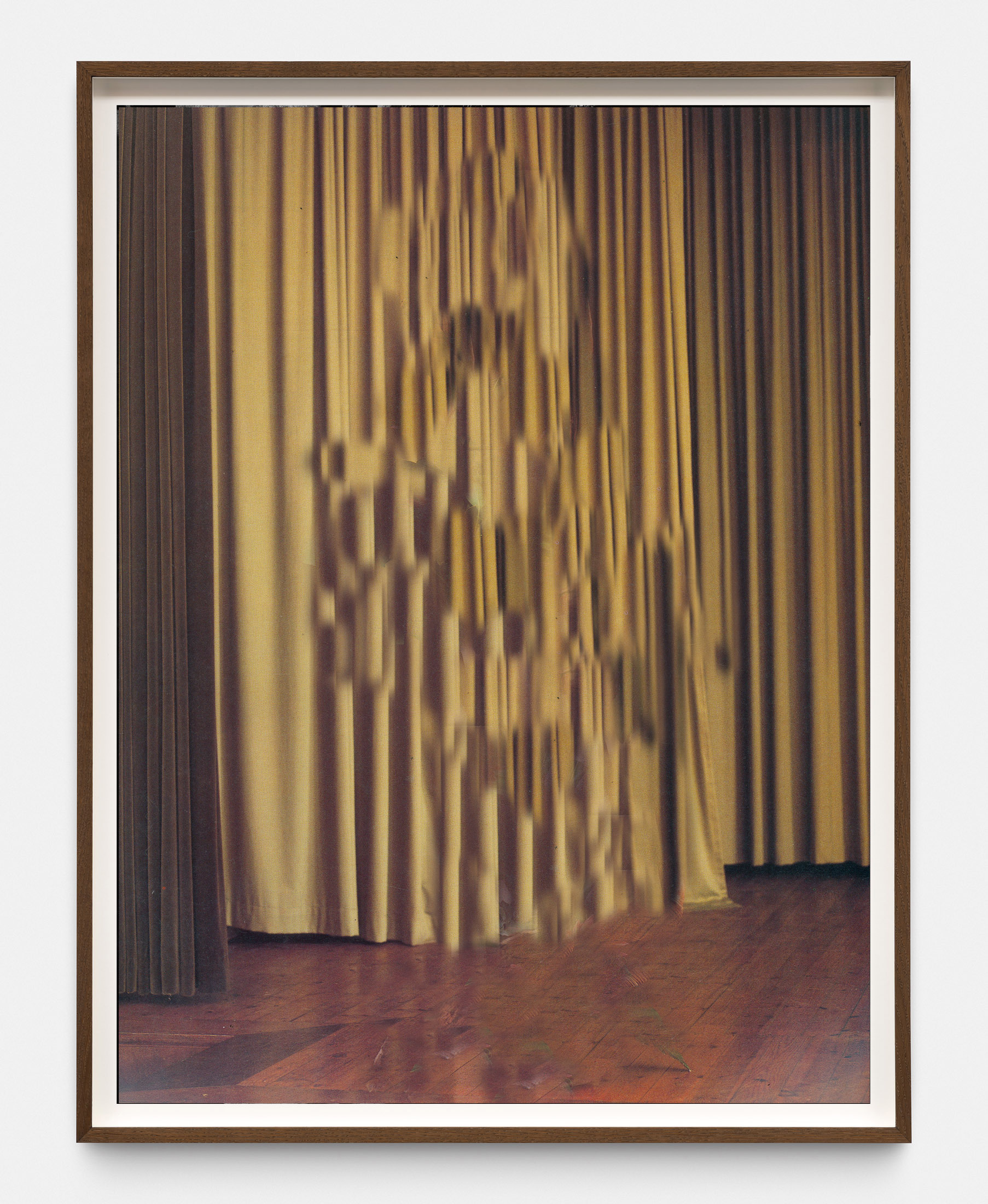
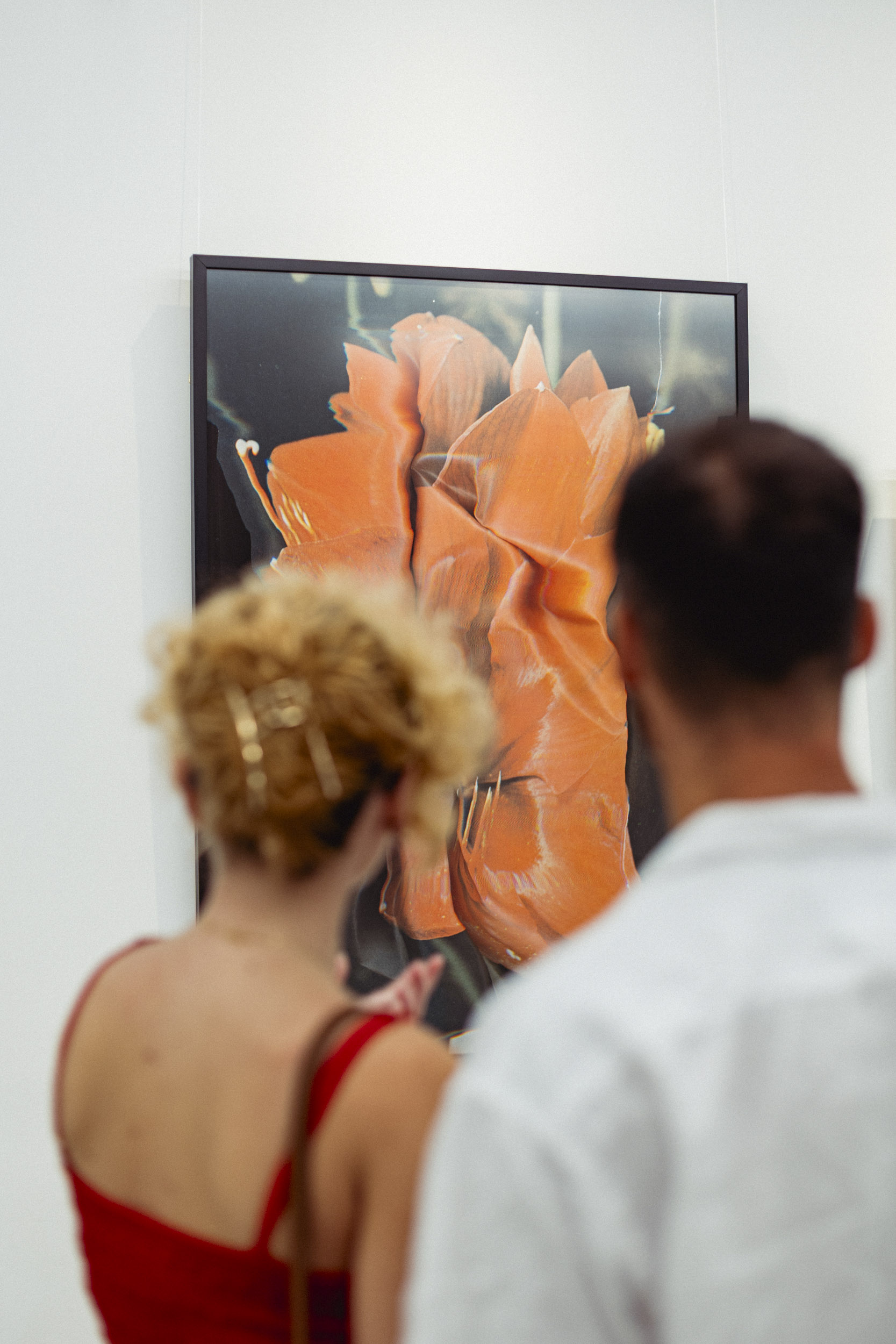
The central tension in my work is between nature and culture—between organic growth and human systems of order, manufacture, categorisation, and control. I am drawn to moments when ordinary things begin to lose their certainty: a flower becomes a gesture, a piece of plastic becomes a landscape, a curtain becomes a horizon, a photograph becomes an object among other objects. These transformations are not symbolic so much as experiential; they ask the viewer to remain with ambiguity rather than resolve it.
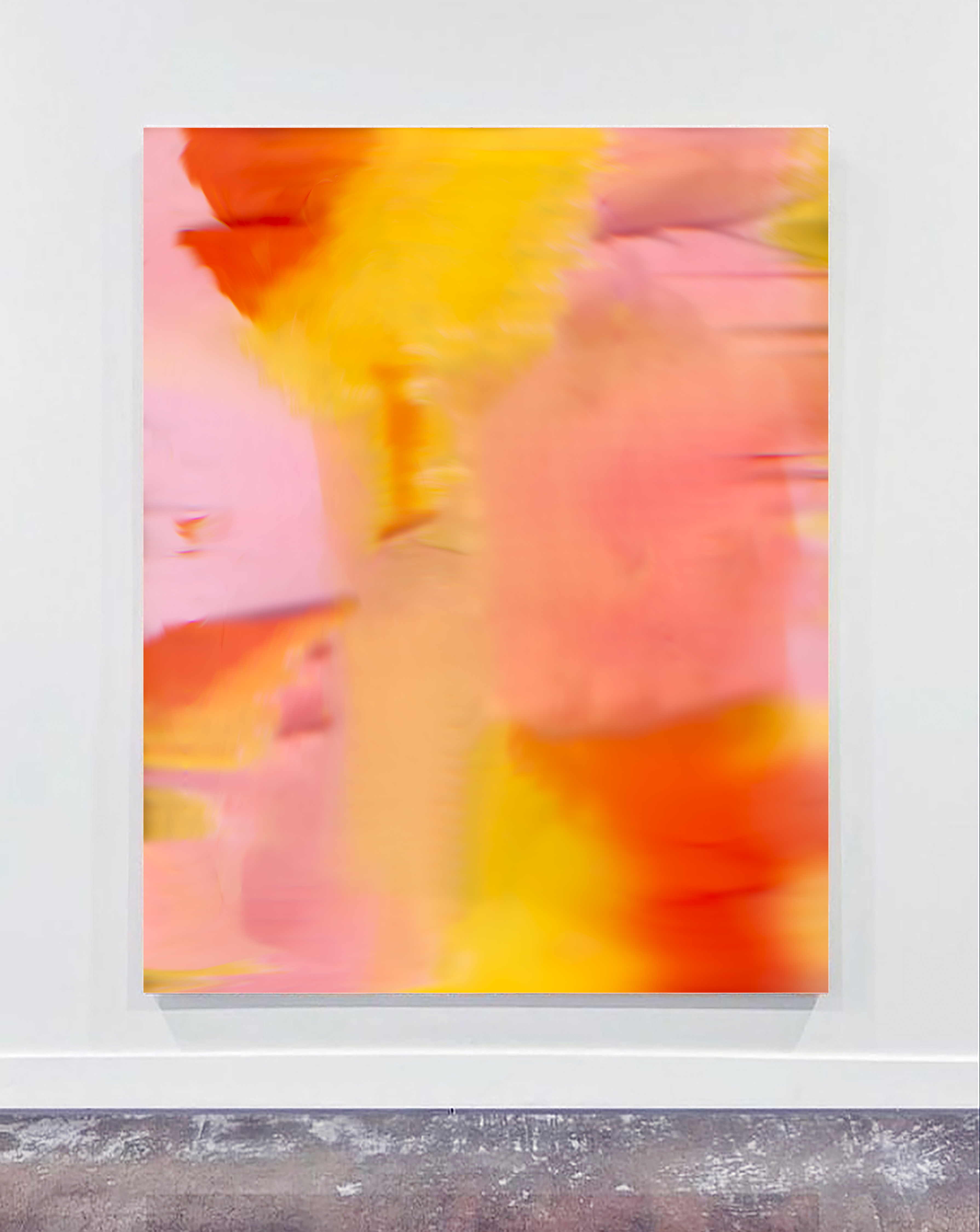
At a moment of visual fatigue, AI-generated perfection, and growing uncertainty about what an image can be trusted to show, I am interested in the opposite: error, materiality, friction, and play. I want images to retain the evidence of their making, their instability, and their capacity to become something other than themselves. Photography, for me, is not a fixed document of the world but a living surface through which perception, memory, performance, and imagination continually reorganise reality.
Rather than treating photography as a medium of description, I approach the image as a mutable object. I build temporary structures from discarded materials, domestic objects, plants, textiles, painted surfaces, and printed photographs, then photograph, manipulate, scan, crop, and reassemble them. The camera becomes less a witness than a participant in a physical performance. The resulting works occupy an unstable territory where abstraction and representation continually exchange places.
I have never been interested in the single decisive image. My work develops non-linearly, with photographs, collages, sculptures, videos, books, and installations feeding into one another over time. Images migrate across different forms and contexts, accumulating meaning through repetition, variation, and interruption. A photograph may become a sculpture, a sculpture may become a video, a video frame may return as a collage, and the cycle continues.
The central tension in my work is between nature and culture—between organic growth and human systems of order, manufacture, categorisation, and control. I am drawn to moments when ordinary things begin to lose their certainty: a flower becomes a gesture, a piece of plastic becomes a landscape, a curtain becomes a horizon, a photograph becomes an object among other objects. These transformations are not symbolic so much as experiential; they ask the viewer to remain with ambiguity rather than resolve it.
At a moment of visual fatigue, AI-generated perfection, and growing uncertainty about what an image can be trusted to show, I am interested in the opposite: error, materiality, friction, and play. I want images to retain the evidence of their making, their instability, and their capacity to become something other than themselves. Photography, for me, is not a fixed document of the world but a living surface through which perception, memory, performance, and imagination continually reorganise reality.
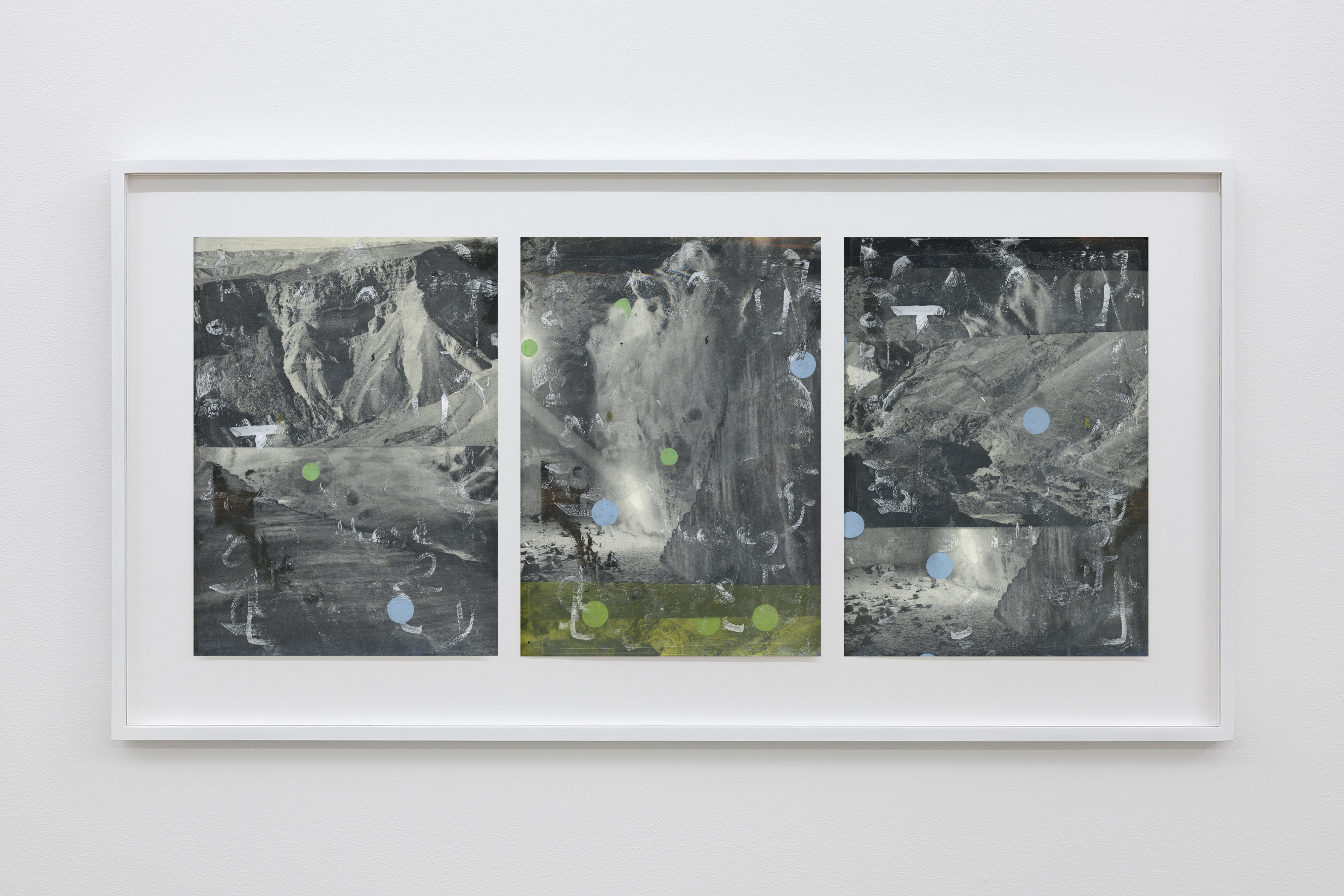


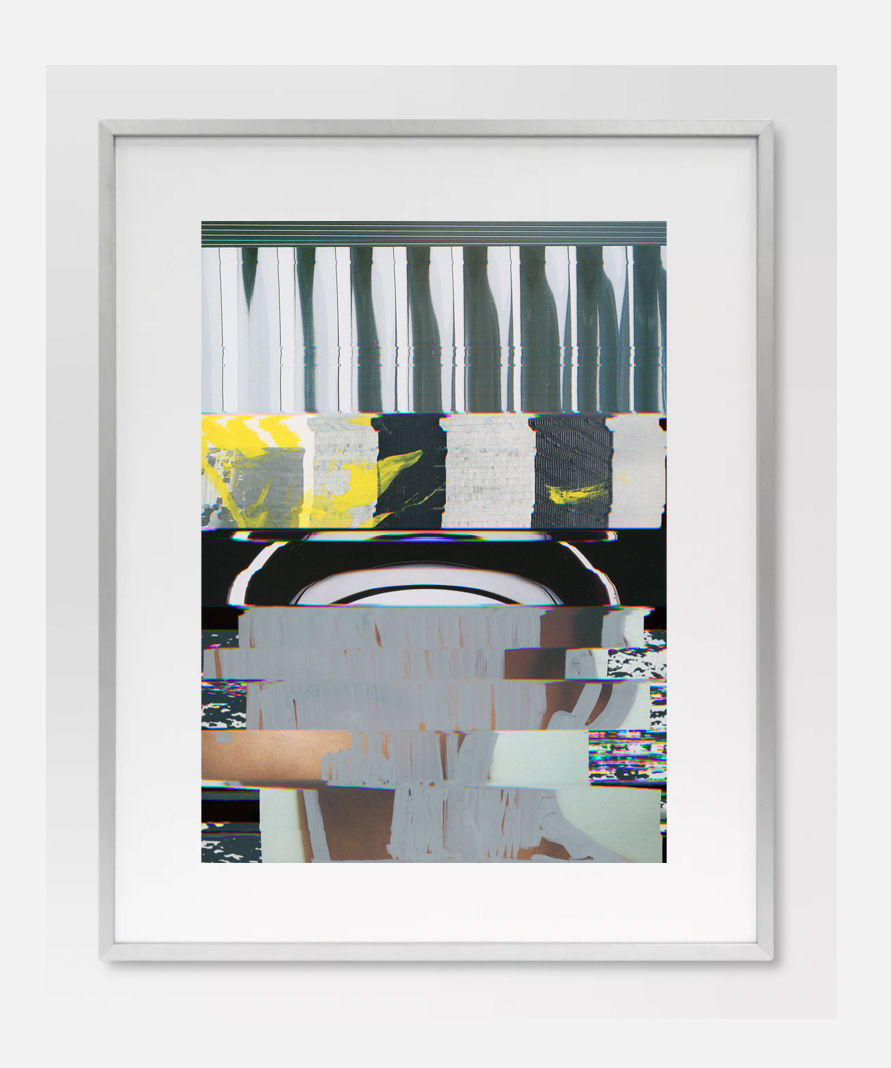

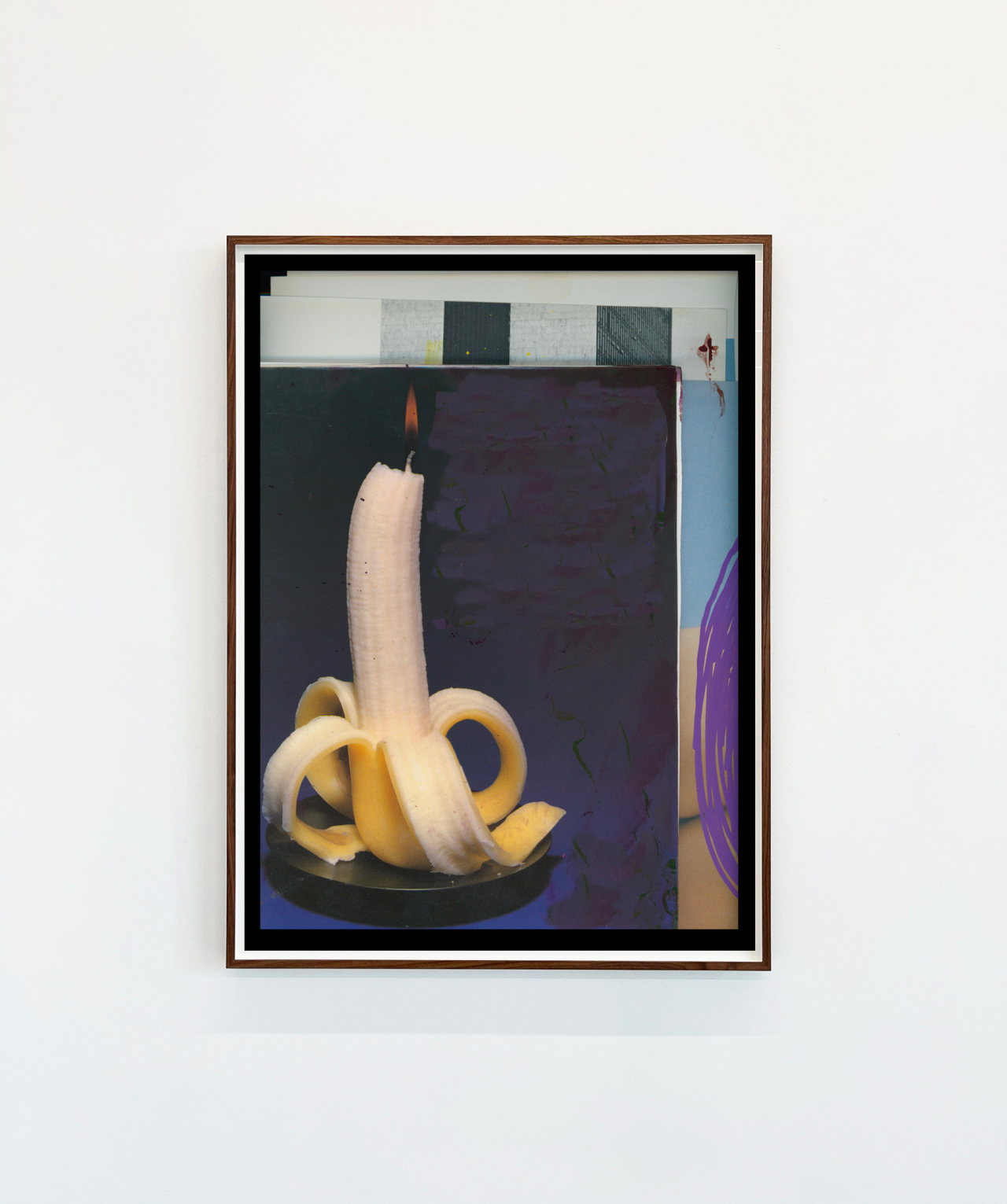
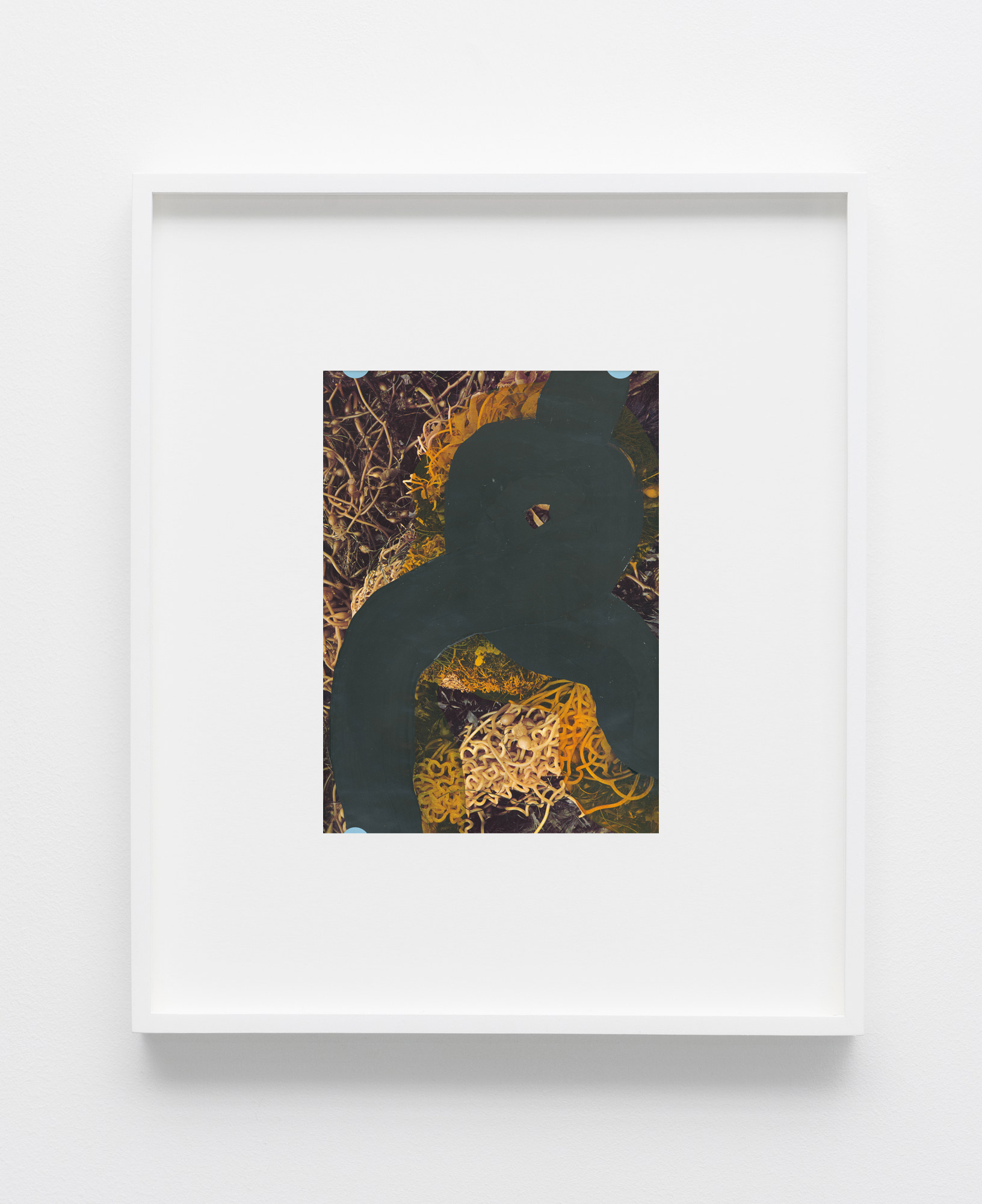
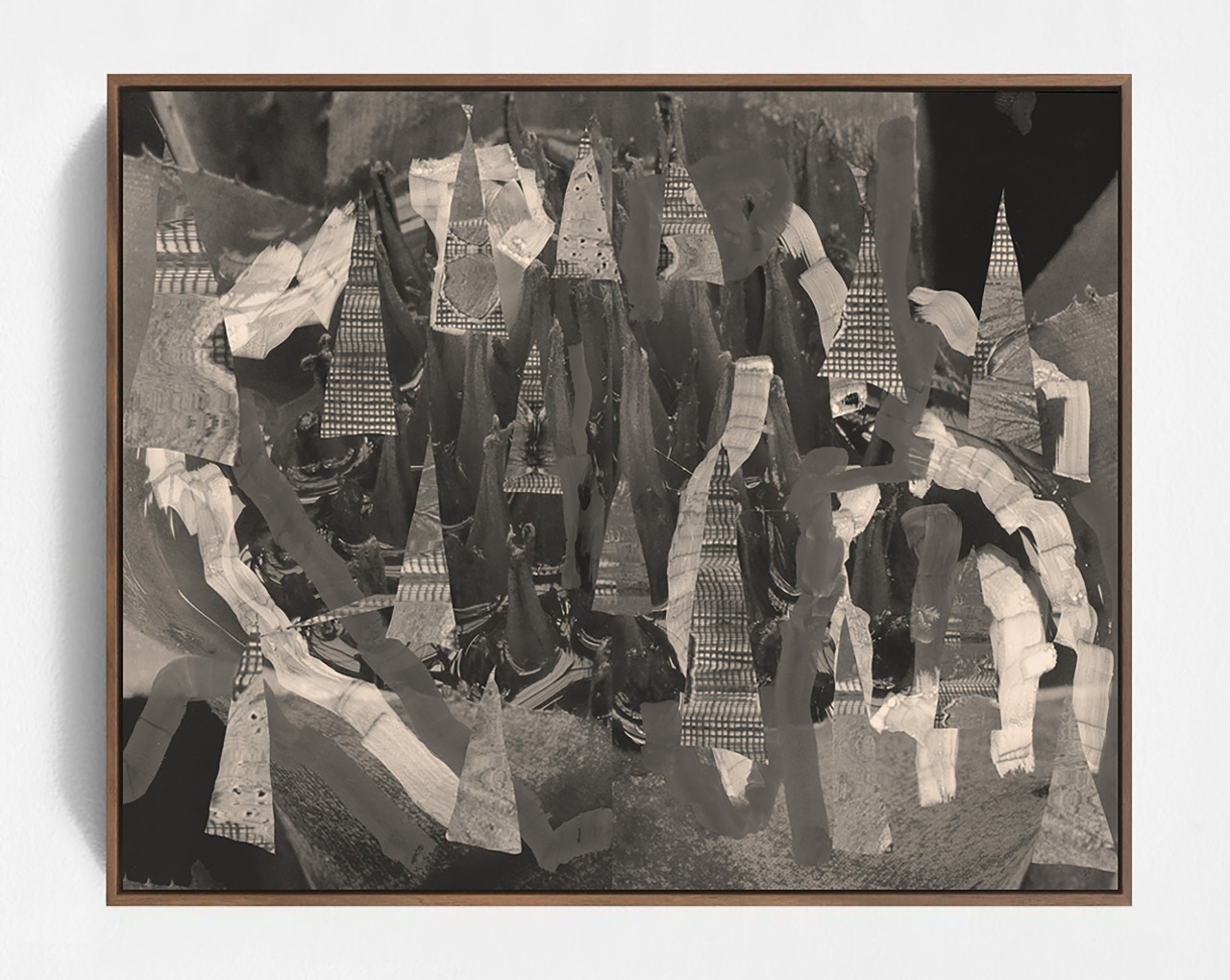
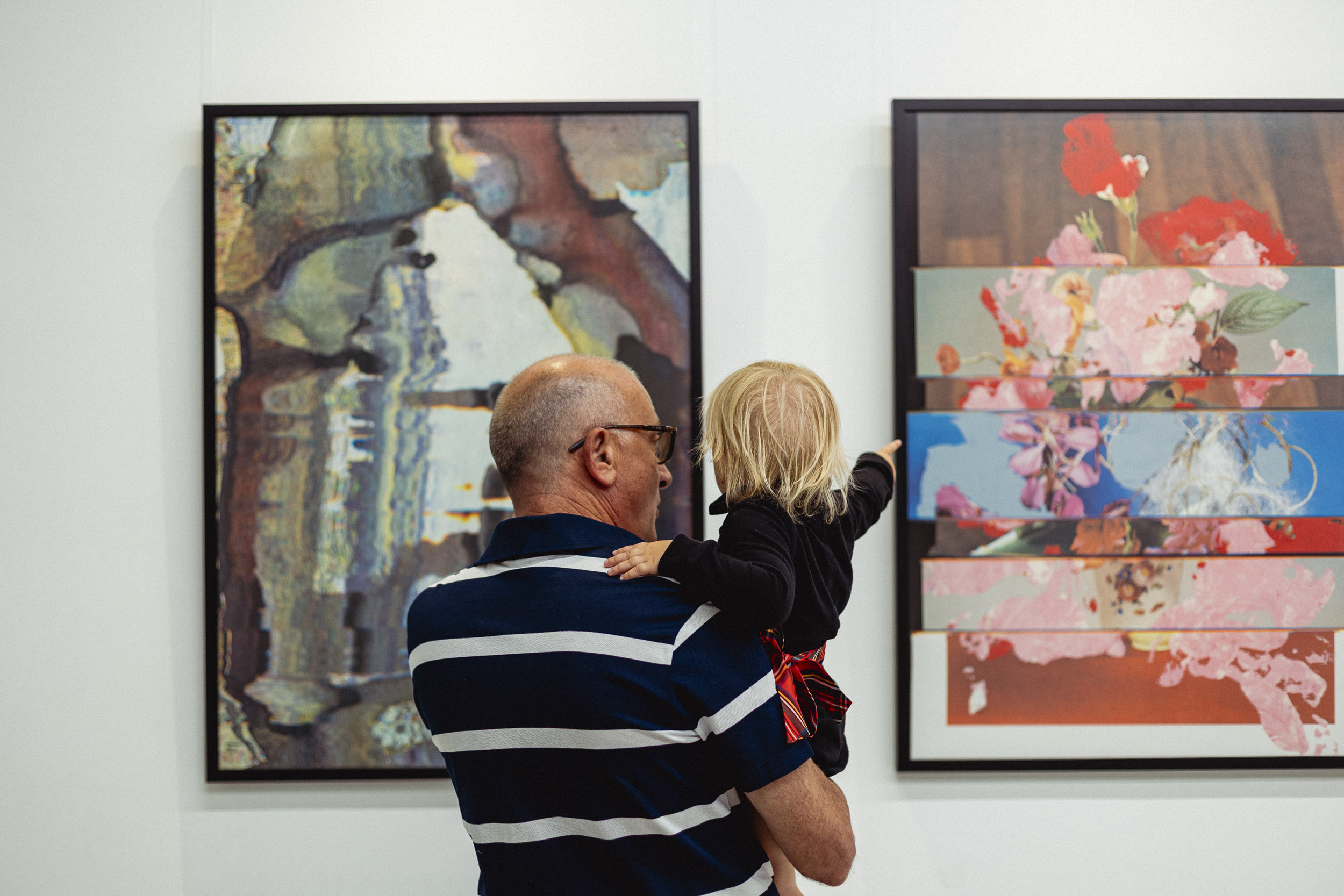
I’m trying to make images that don’t settle too quickly
Images that hold a familiar tension
Something between clarity and confusion, control and collapse
If the work does anything, it’s to slow down perception
To move away from fixed positions and into something more fluid, more felt
Images that hold a familiar tension
Something between clarity and confusion, control and collapse
If the work does anything, it’s to slow down perception
To move away from fixed positions and into something more fluid, more felt






All content copyright the artist. No commercial use without express written permission. 2026. All images copyright © Nico Krijno 2026. All content copyright the artist. No commercial use without express written permission. 2026.

































© 2026 Nico Krijno
All Photographs and ideas on this website are protected by international copyright laws.
They are not to be downloaded, reproduced, copied, stored, manipulated,
or preyed upon from a distance, infiltrated by large language models, printed onto counterfeit packaging
projected, re-printed, used or altered in any way, without prior written permission of Nico Krijno.
All content copyright the artist. No commercial use without express written permission. 2026. All images copyright © Nico Krijno 2026.