BOOKS BOOKS BOOKS BOOKS BOOKS BOOKS BOOKS


Murk
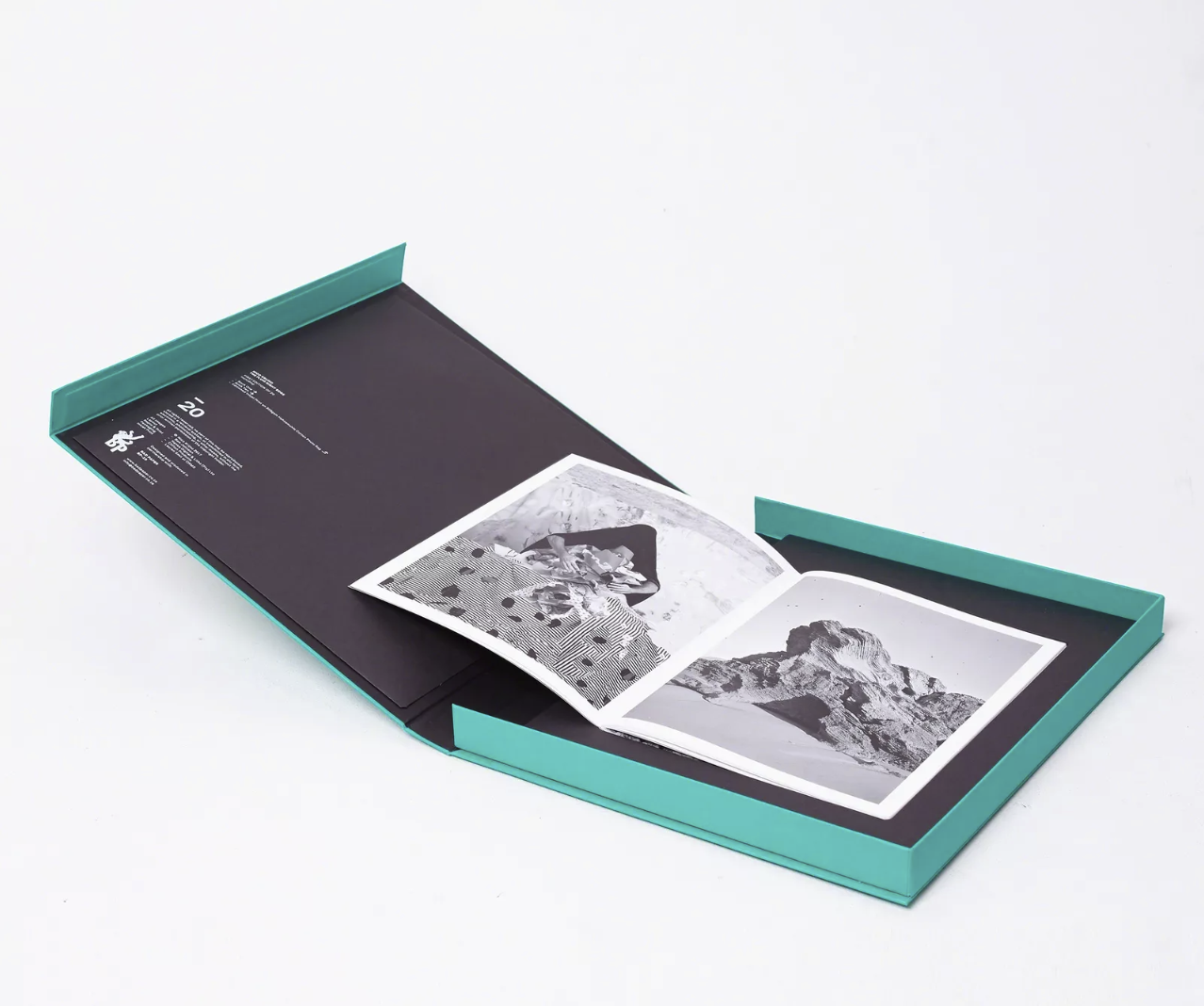
Nico Krijno, Witty Books
Nico Krijno24x30 cm
184pages
Soft cover
Editing and art direction by Tommaso Parrillo
Graphic design by Ilaria Miotto
Published in October 2026
ISBN 979-12-80177-76-6
Witty #123
35€
Pre-order here︎︎
Shipments expected mid November
First 50 copies at special price
︎︎︎︎︎︎︎︎︎︎︎︎︎︎︎︎︎︎︎︎︎︎︎︎︎︎︎︎︎︎︎︎︎ Go to the special edition
Nico Krijno is losing his sight.
This book came out of that fact, but it is not a document of loss, nor an elegy for vision. It is an
examination of looking itself, and what happens when seeing can no longer be taken for granted.
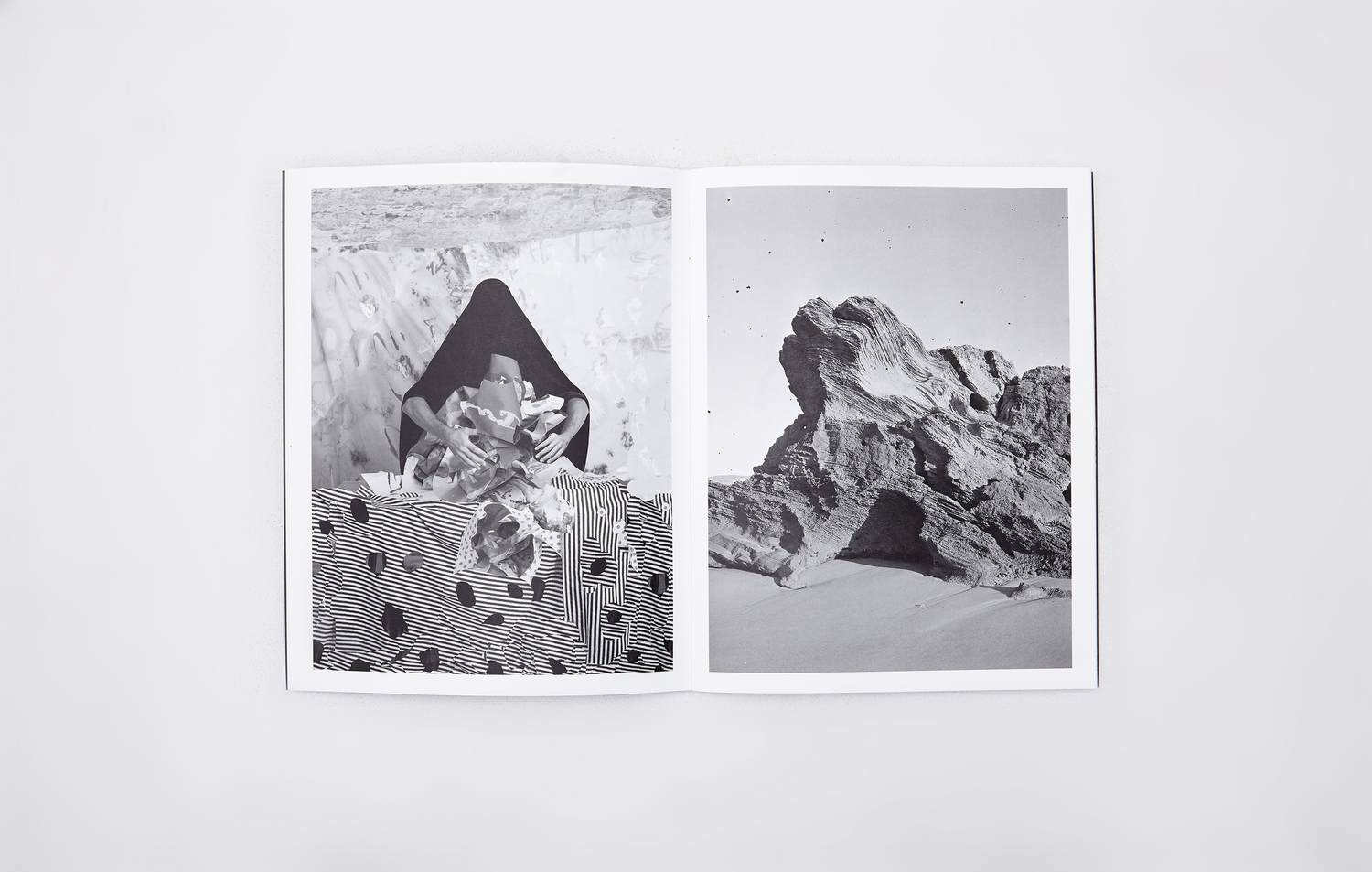
Krijno has never treated photography as a reliable window onto the world. His images are built, painted, cut, copied, obscured, rearranged and photographed again. A photograph becomes
an object. An object becomes an image. Something familiar becomes strange, then strangely familiar again.
We are living through a period of constant uncertainty and upheaval. Both nature and culture seem to be showing signs of disruption. Have we perhaps over-adapted to a world that cannot give us what we are looking for?
There is a growing need for images and symbols that remind us of the beauty and connections that still exist, however fractured things might appear.
MURK comes out of this uncertainty.
There is no straight line through the book, no single narrative. Images echo one another, return in altered forms and contradict themselves. The process is intuitive and physical. Krijno builds,
destroys and rebuilds, allowing things to go wrong. An image is pushed until it begins to lose its certainty.
A photograph has always carried the promise of evidence. But it can only ever give us a fragment. The rest is filled in by memory, imagination and expectation.
Krijno is interested in that gap between seeing something and knowing what it is. He describes image-making as a private, physical practice, closer to prayer than production. A way of paying attention, of trying to make sense of a world that cannot always be made sense of. There are no answers here. Only questions about photography, perception, the times we are living through, and what might still be possible.
The images are not trying to explain the world. They are trying to open it up.
︎
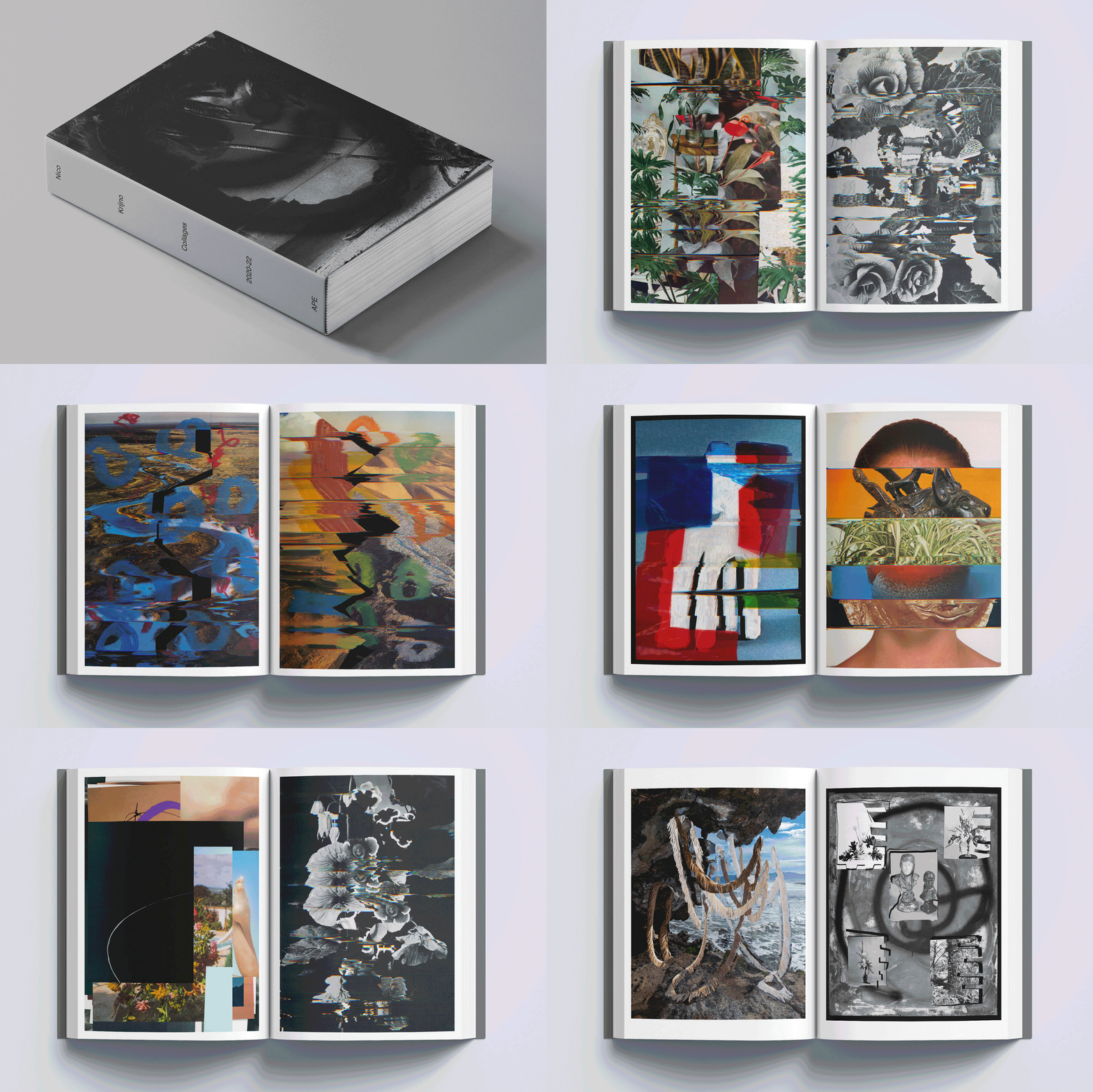
Nico Krijno
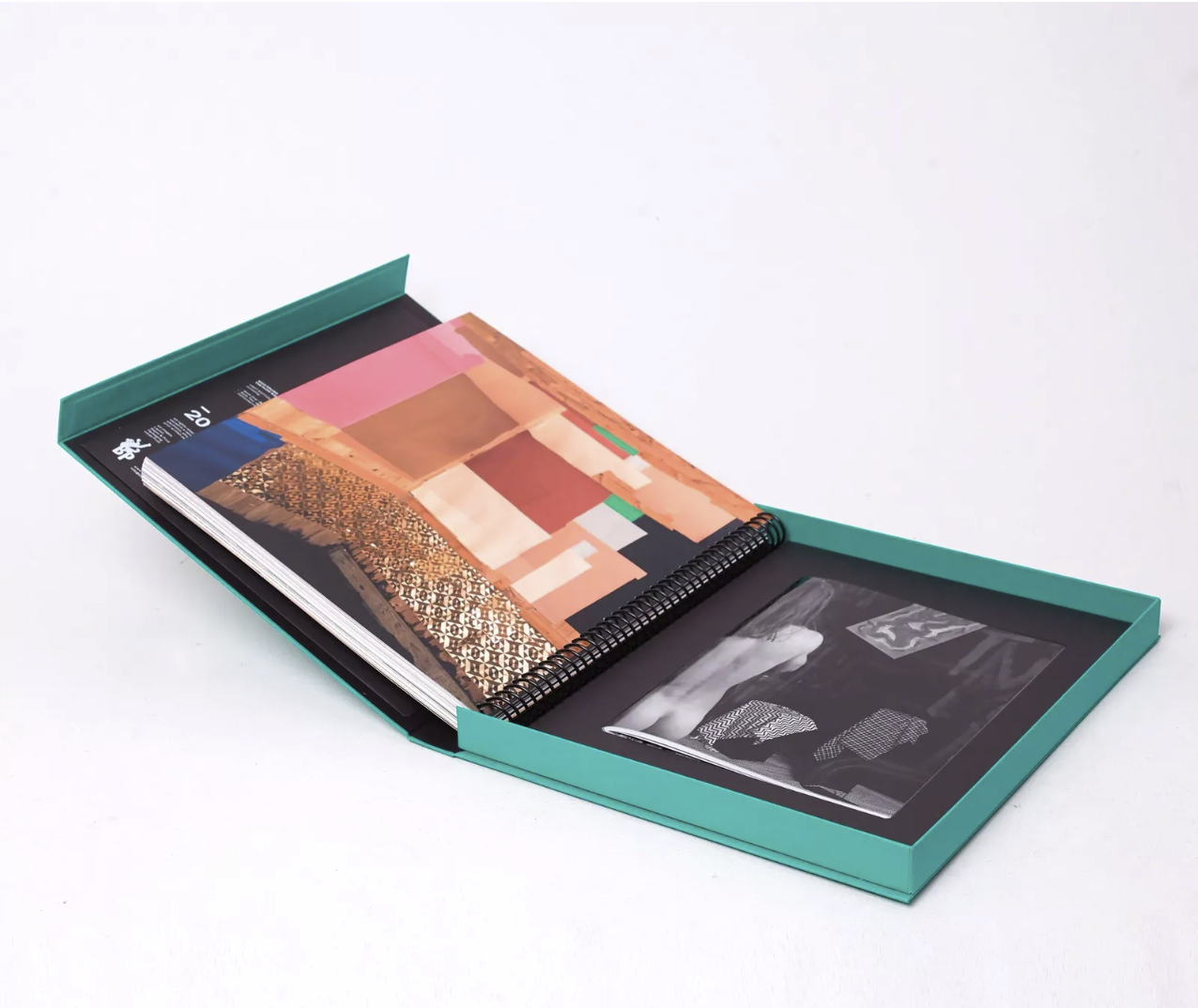
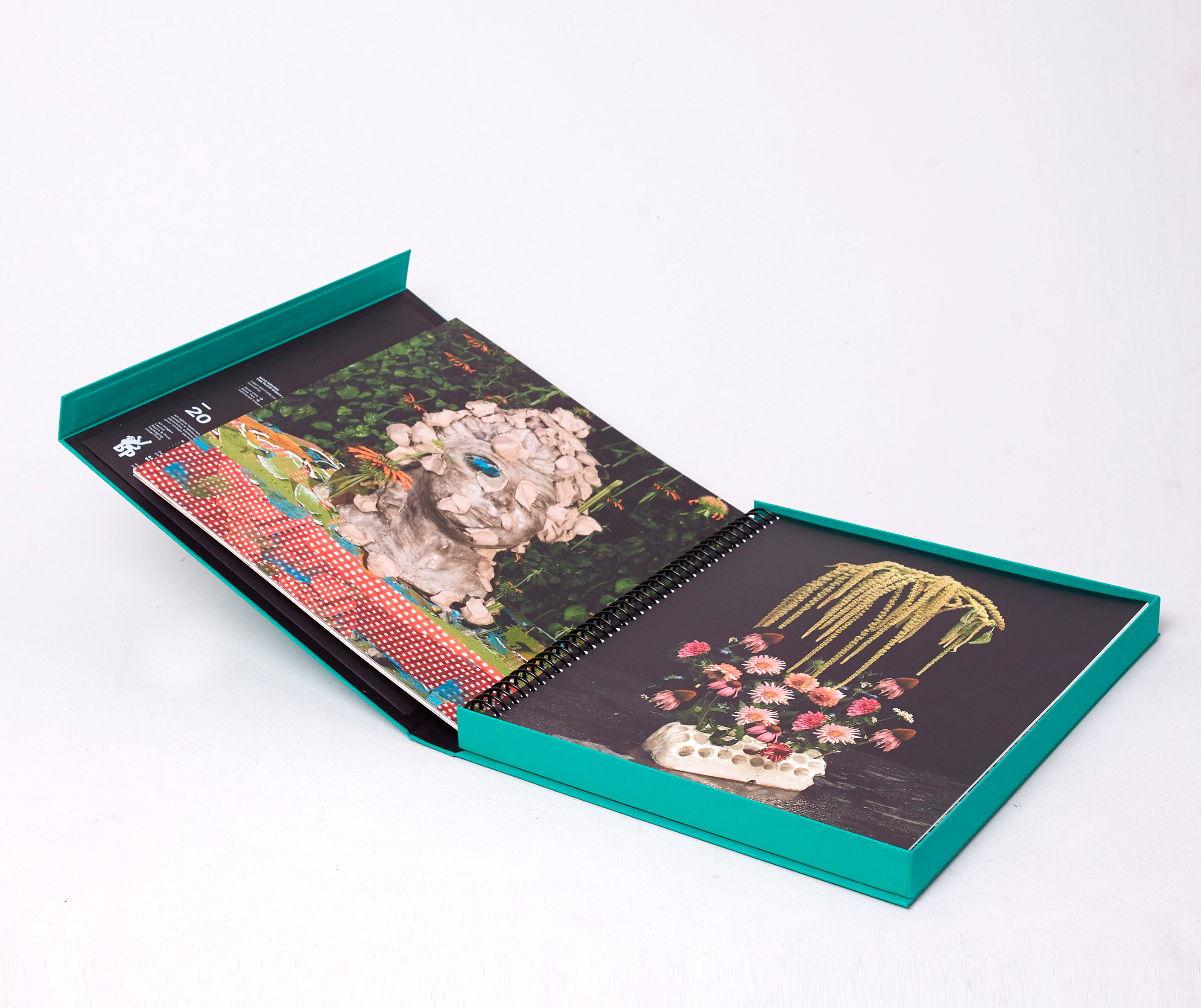
Collages 2020-2022
14,5 x 19,5 cm, 448 p, ills colours, paperback
ISBN 9789464660678
design and edit: Jurgen Maelfeyt
edition of 1000
November 2022
€45
On paper, a book may seem a peculiar object to accommodate Nico Krijno’s work. By virtue of its form, a book is finite, a neat vessel that lends itself to those narratives with a beginning and end. Krijno’s work, however, is not finite; it has no resolution or discernible moments that can be easily pointed at, bound and labeled. And neither does it ebb or flow in tidy rhythms but accumulates, constantly and relentlessly. If anything, Krijno’s work feels — as it always has — more akin to some outpouring of seemingly blithe, childlike play: disorientating and fantastical, and at times almost absurd, but wondrous nevertheless. It is this outpouring though that puts Krijno’s work at odds with the book.
Yet for all of this, the book, of which Collages 2020-22 is the latest and most generous, feels a necessary endeavour. When seen in this way, en masse yet contained, it is arguably when we can best understand Krijno. Here we can understand the gravity of performance and process; understand how his work is always more than the sum of its parts; understand how he drifts in one direction to unravel new forms and ideas before returning to a more familiar albeit now different path. And we can understand that for all the similarities his work has with unbridled play, there is something more pointed, more intentional; a kind of persistence and eagerness to exhaust all possibilities that does not exist in the wholly innocent play of a child. Seen in an exhibition or online, one fragmented and the other truly endless, these characteristics and intentions feel more hidden, less tangible. It could be said then that Collages 2020-22 is necessary on two fronts. First, as a way to better understand Krijno, and second, as a way to hold onto something that otherwise is inevitably fleeting.
I

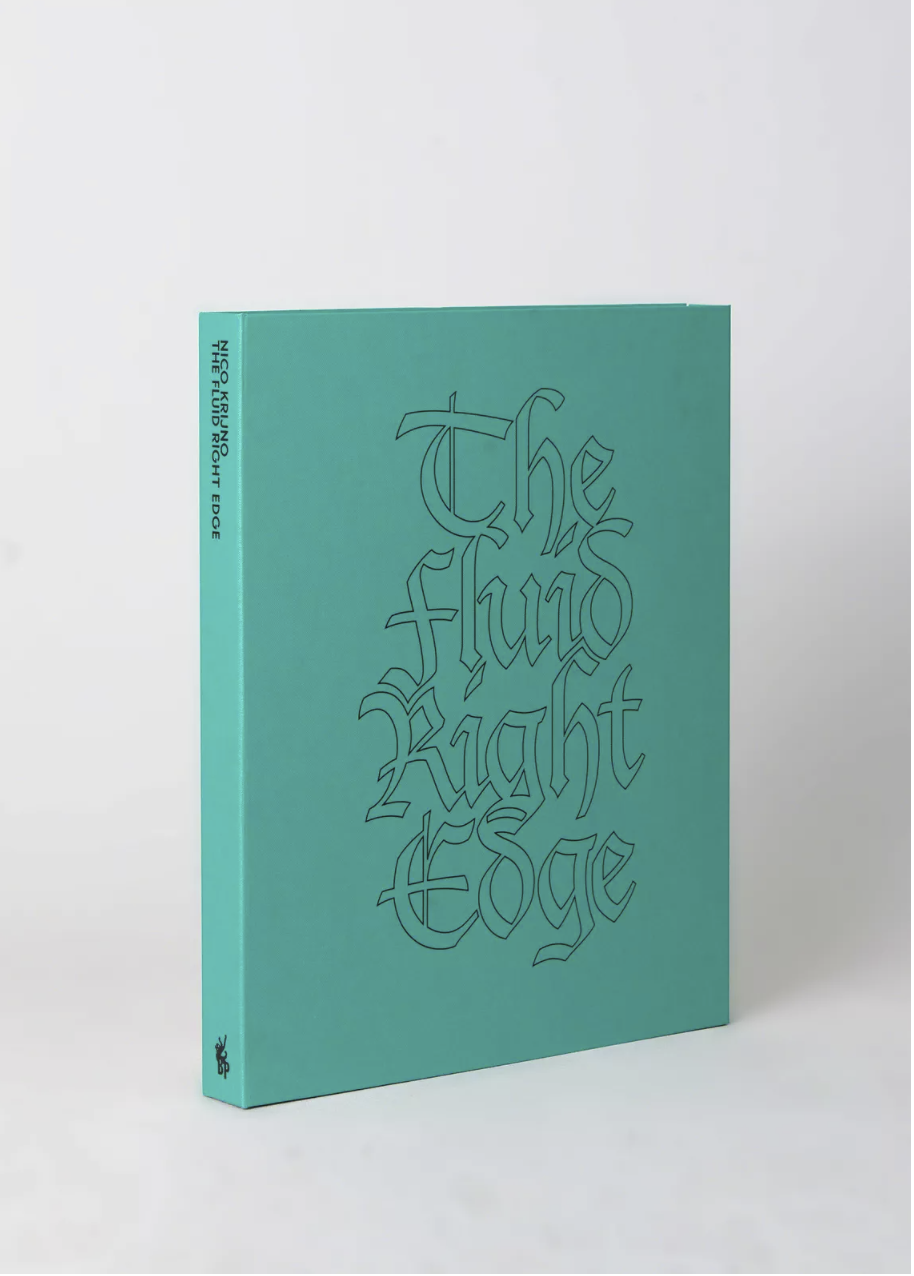


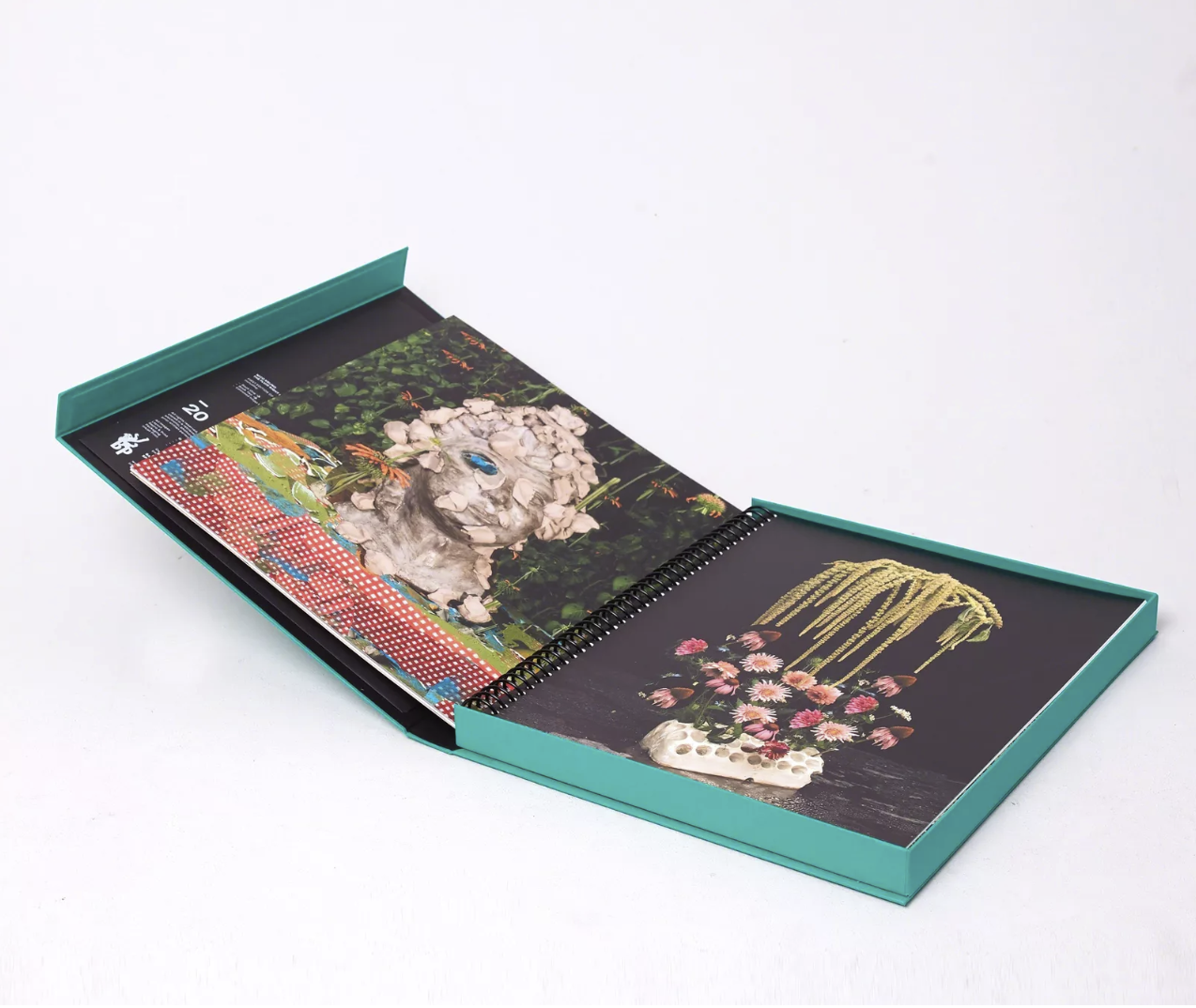





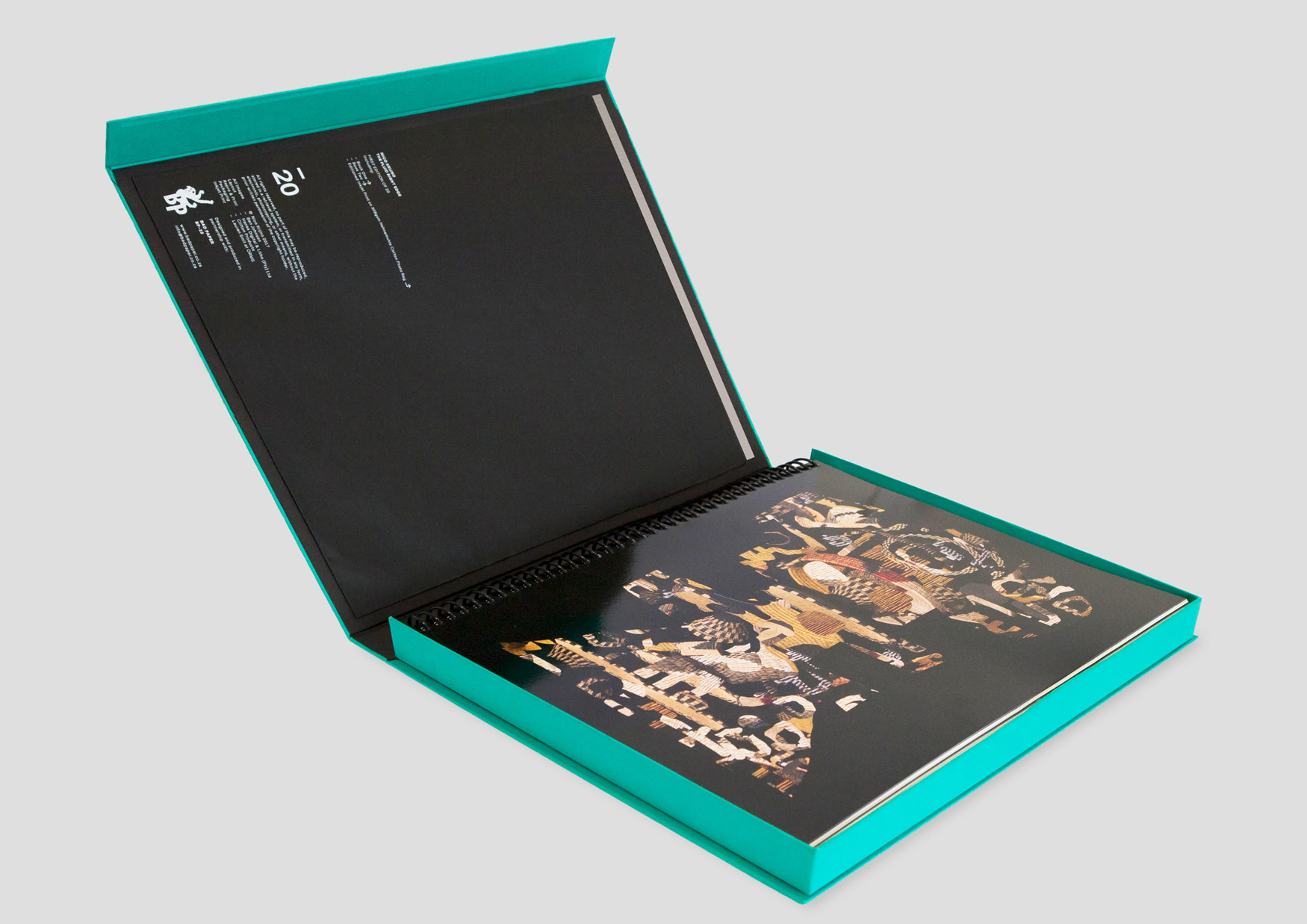


The Fluid Right Edge, 2017