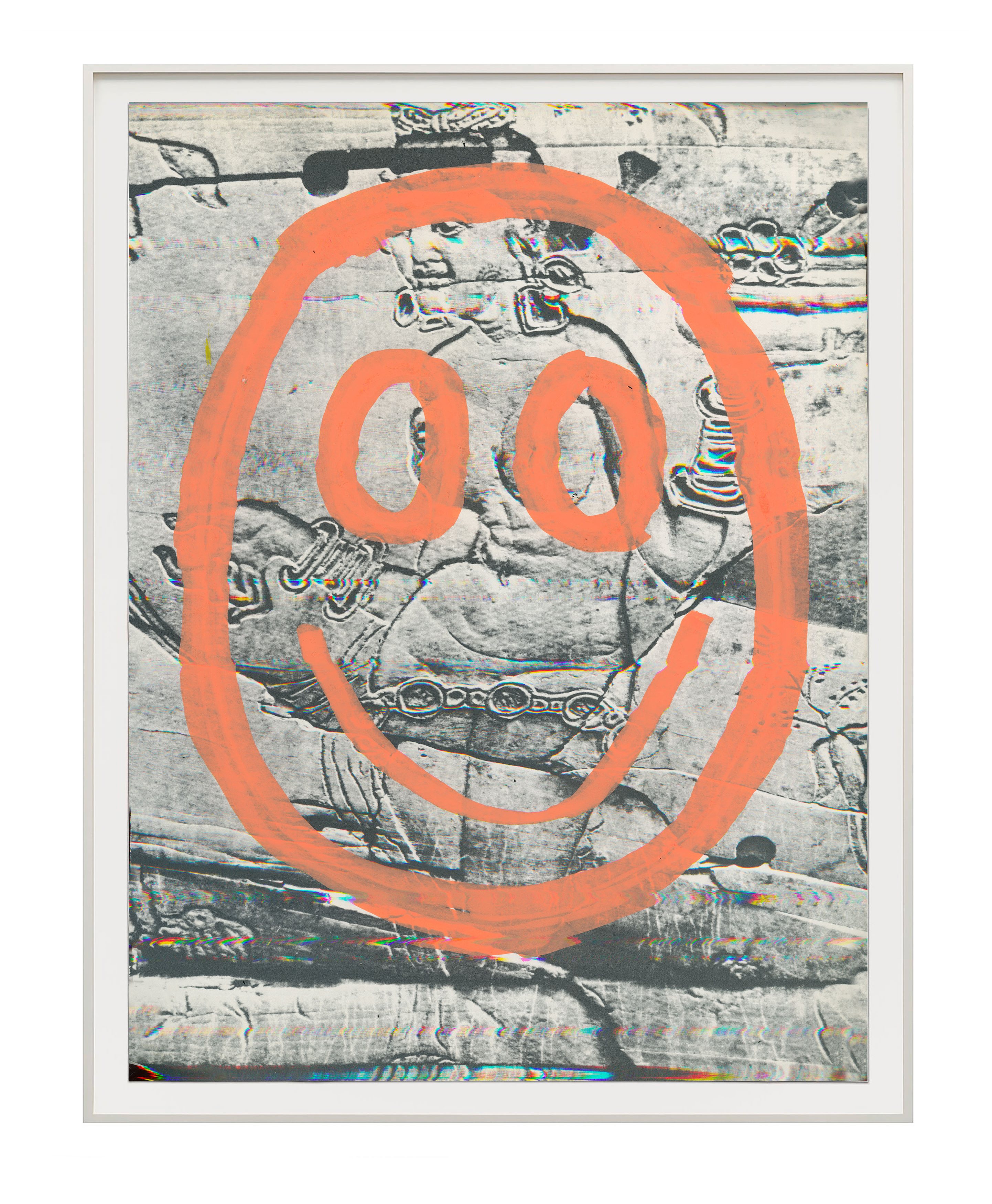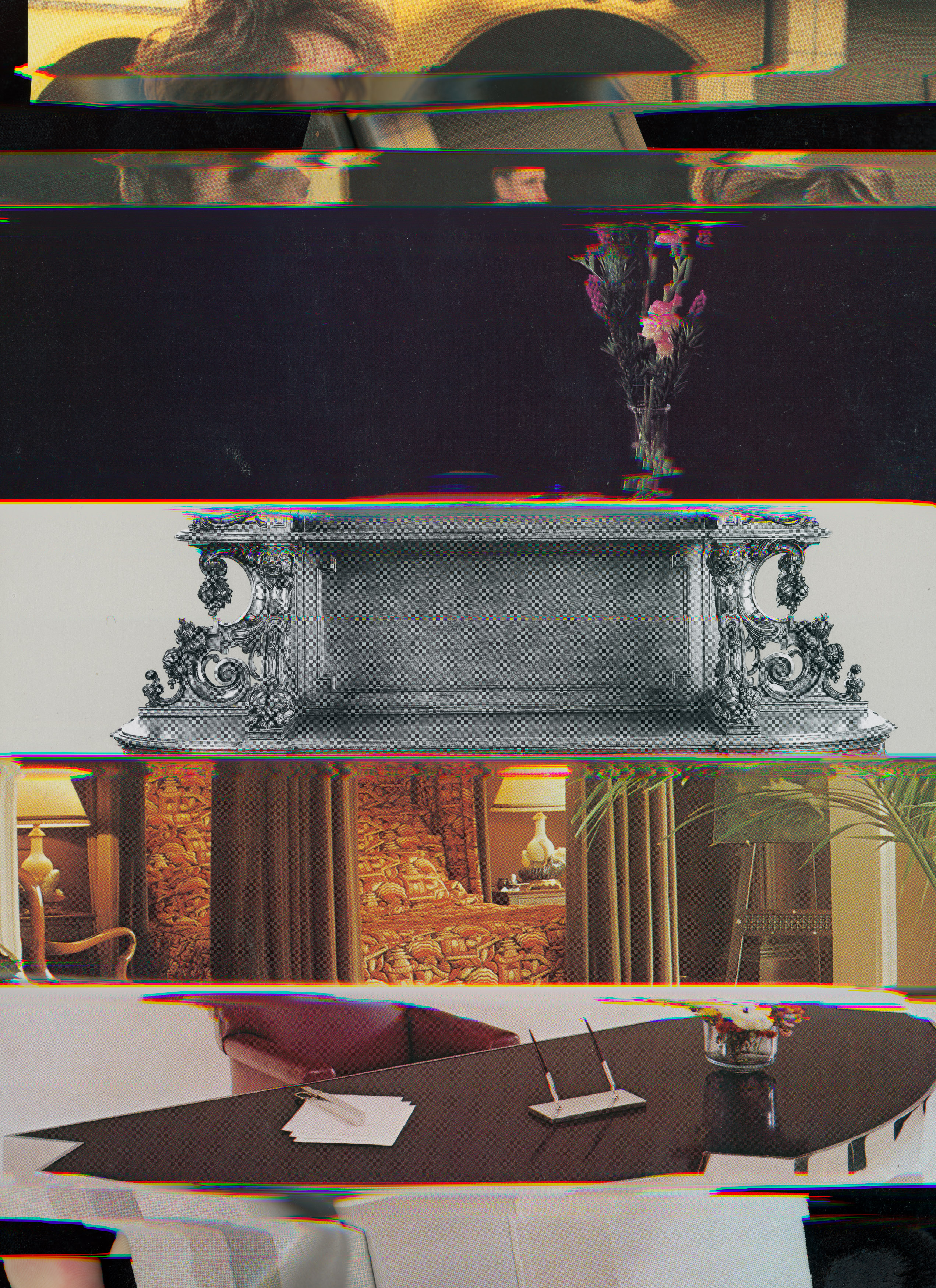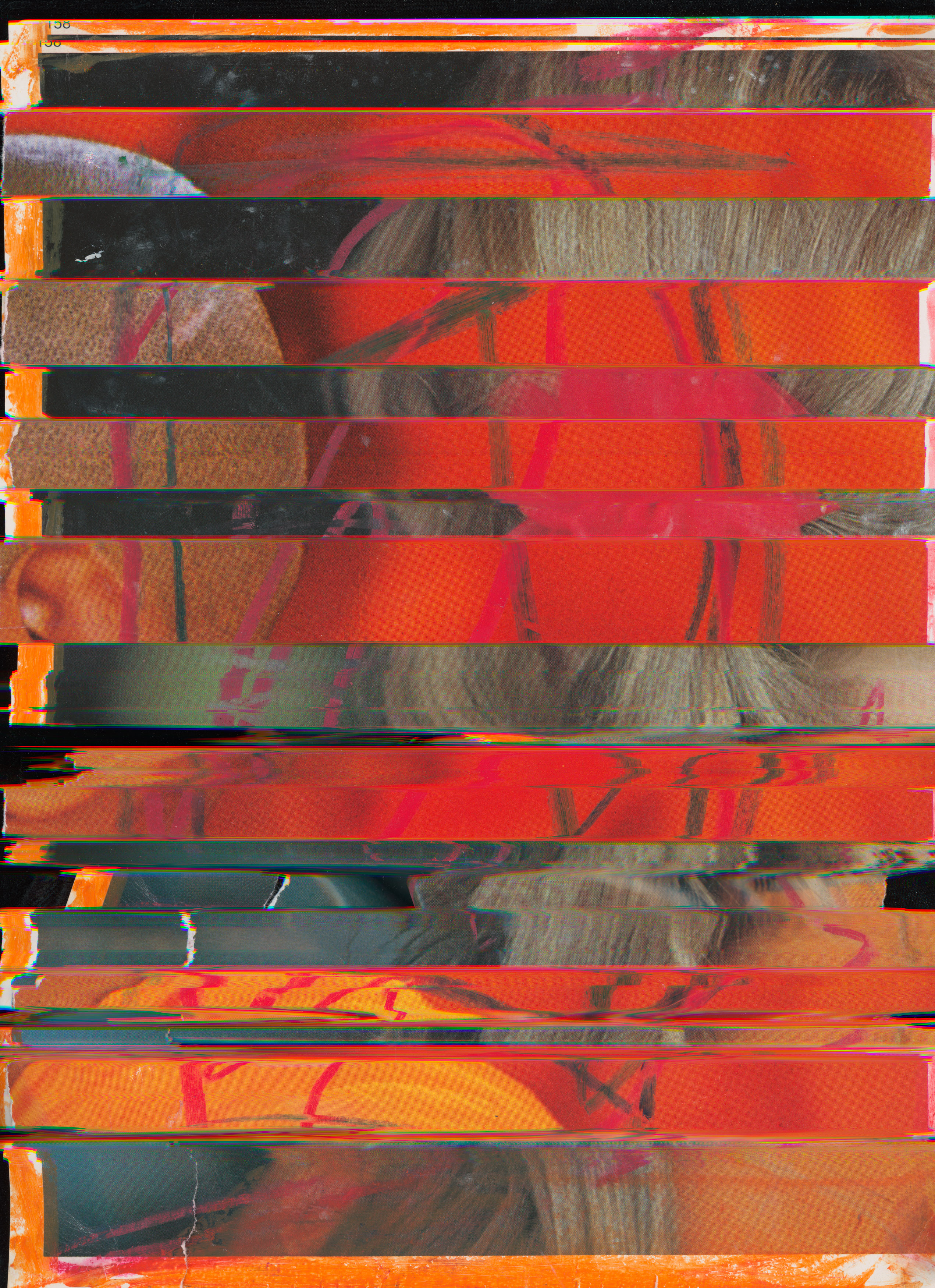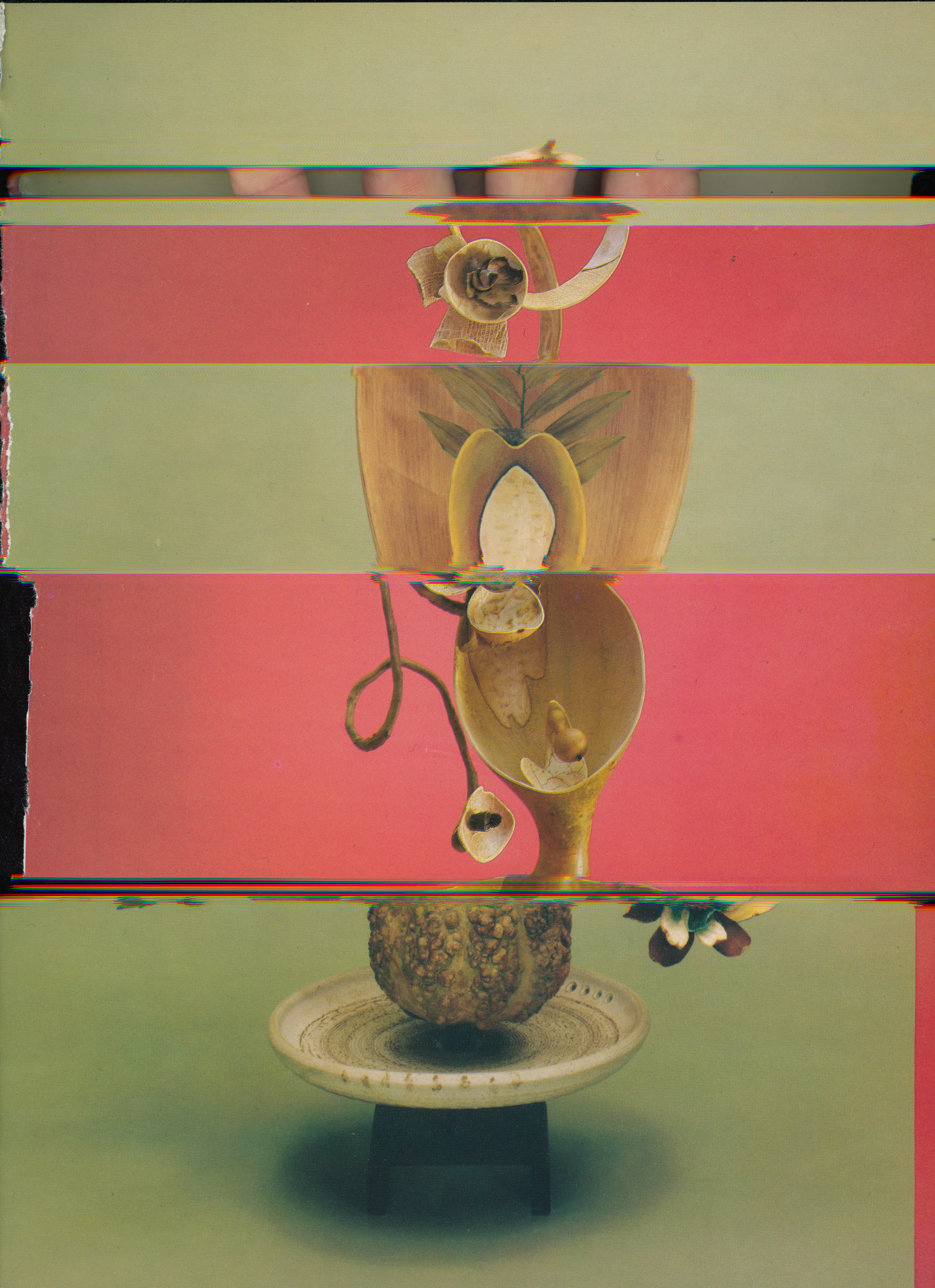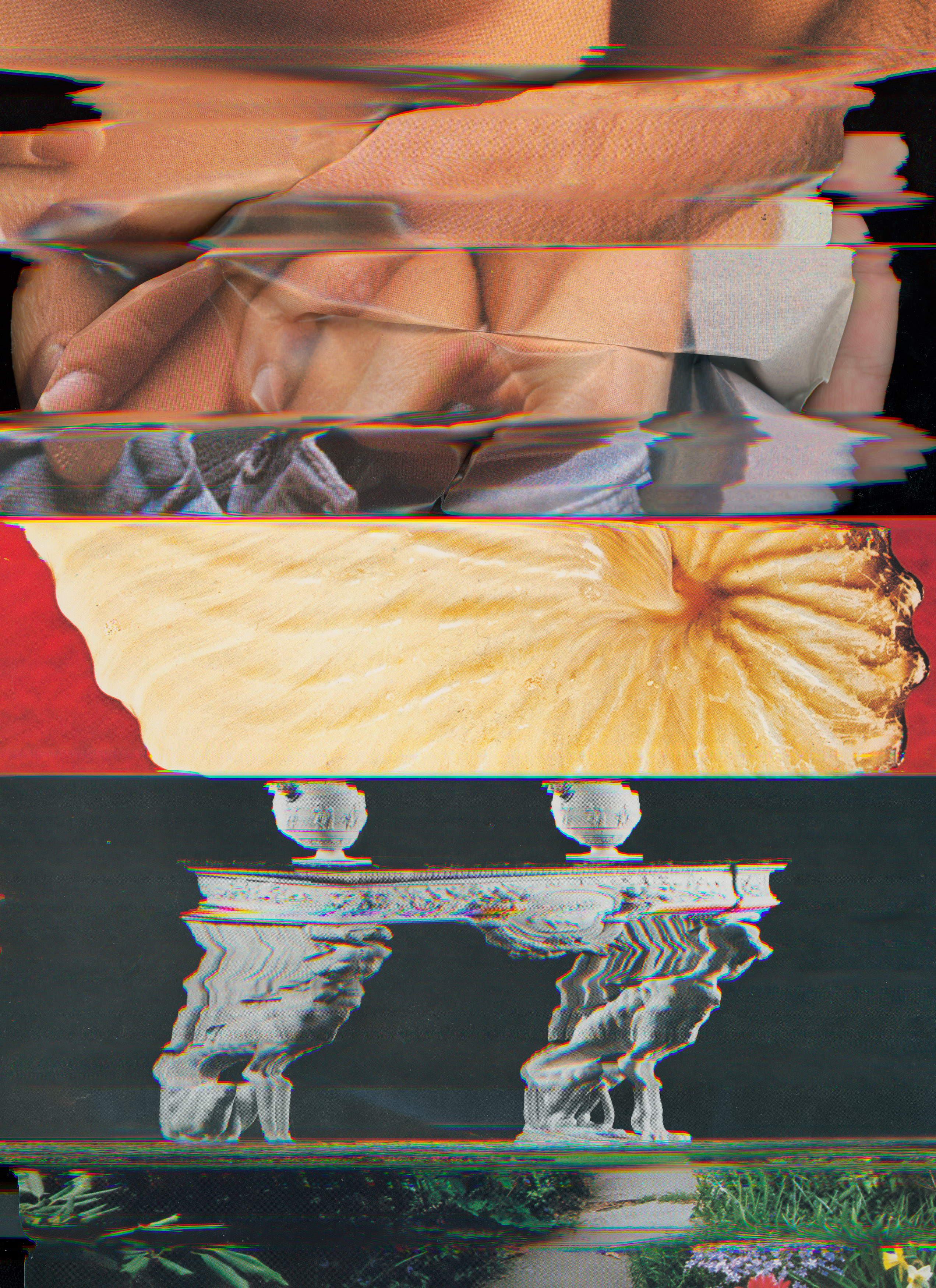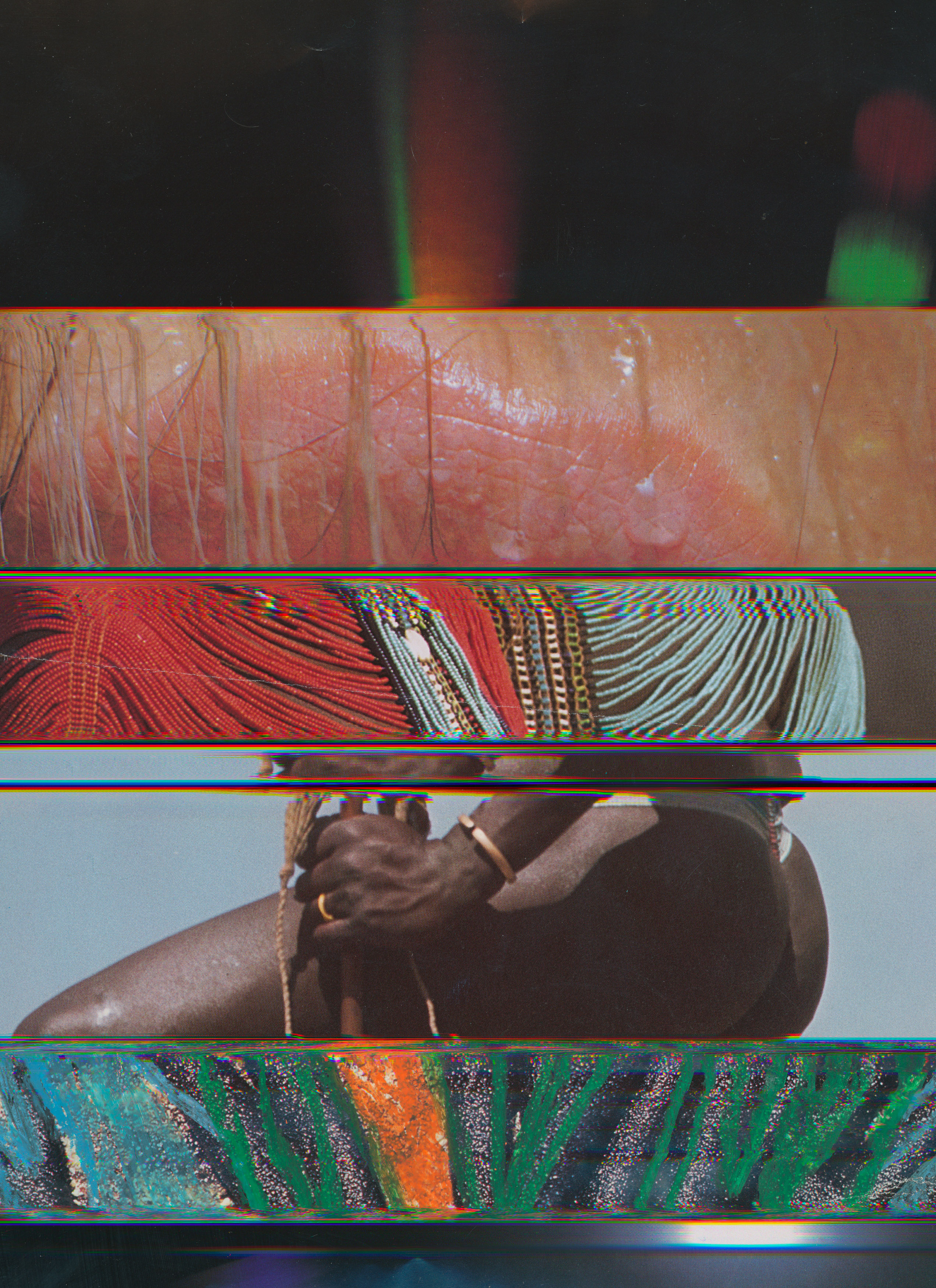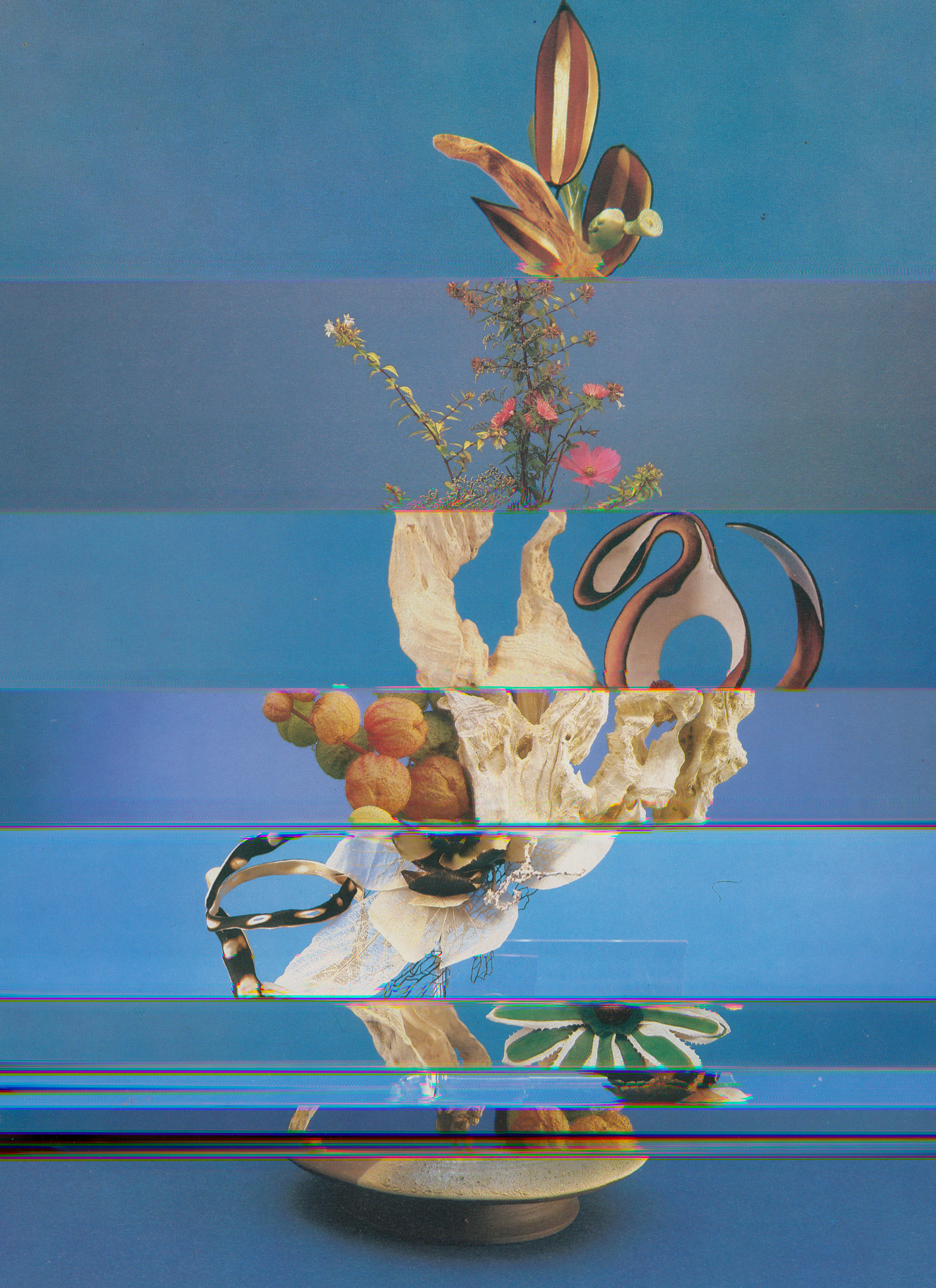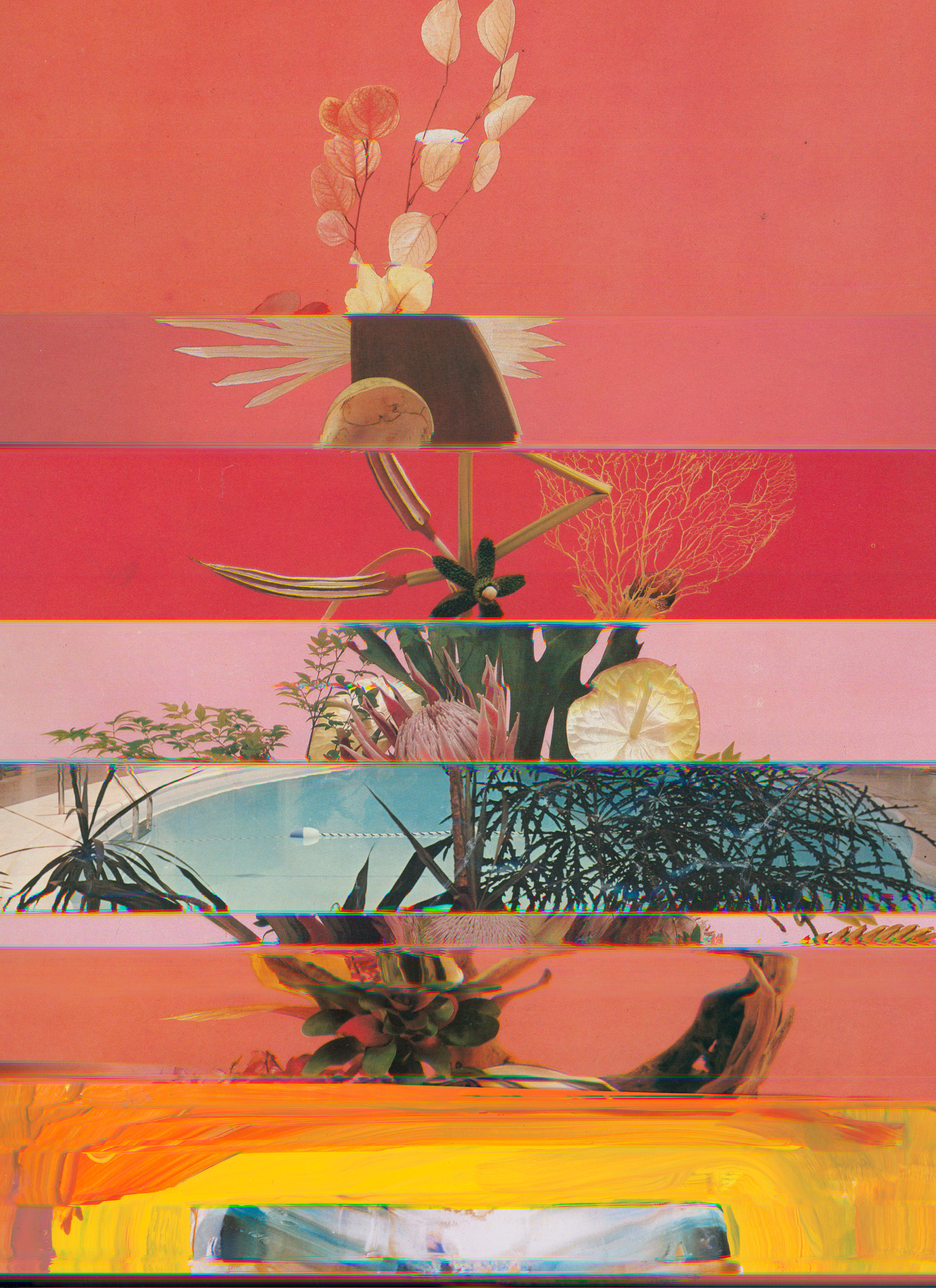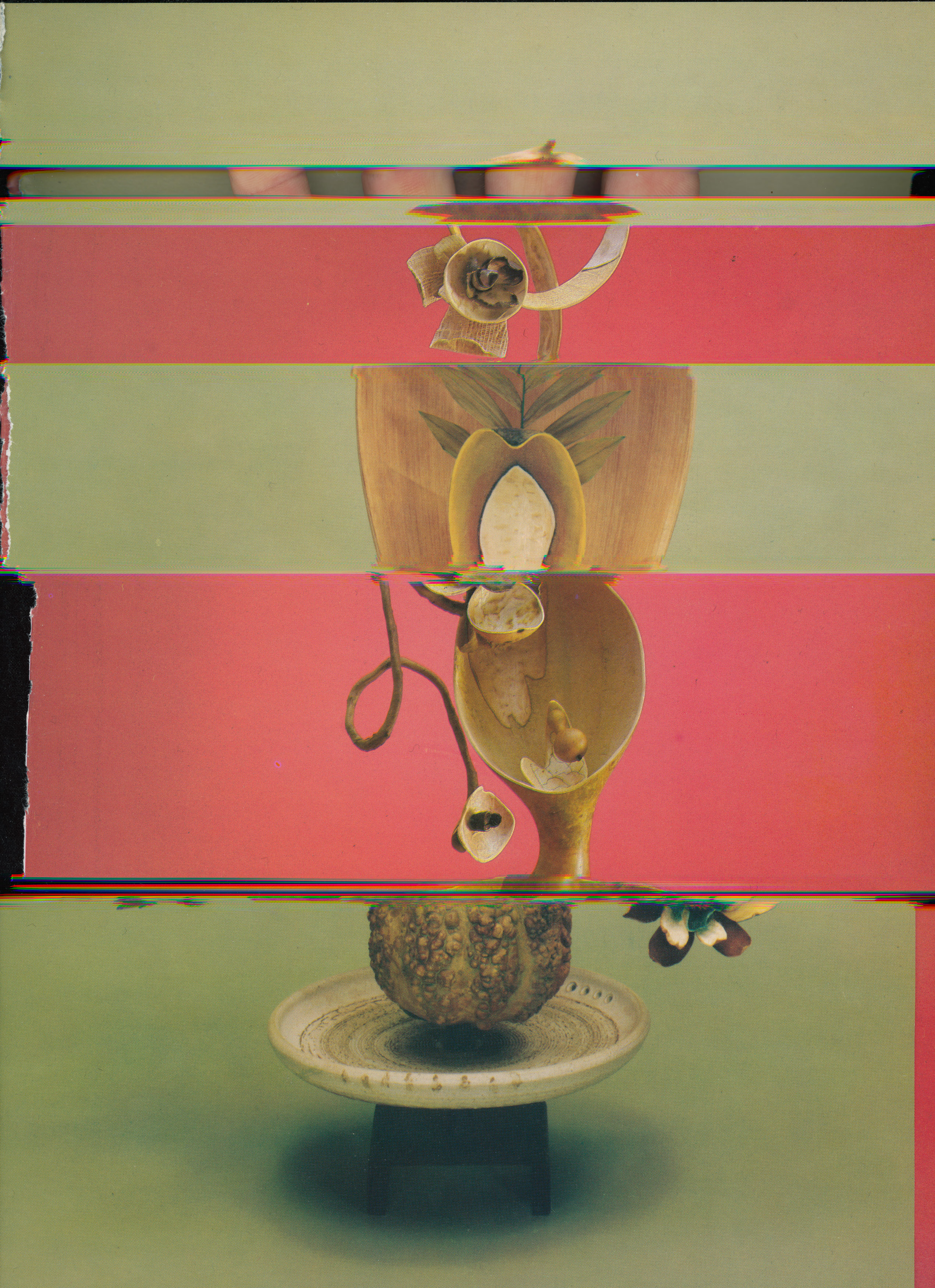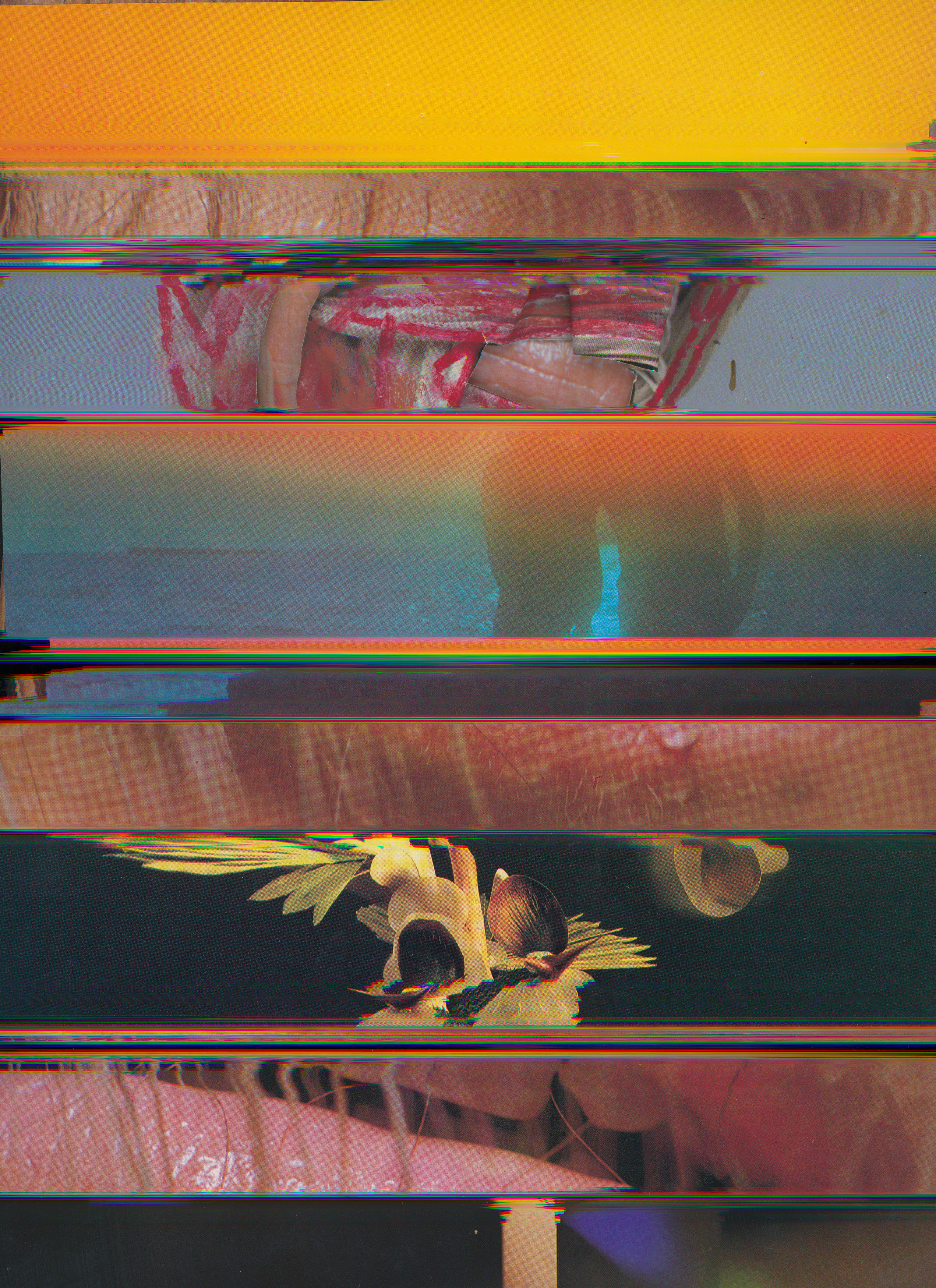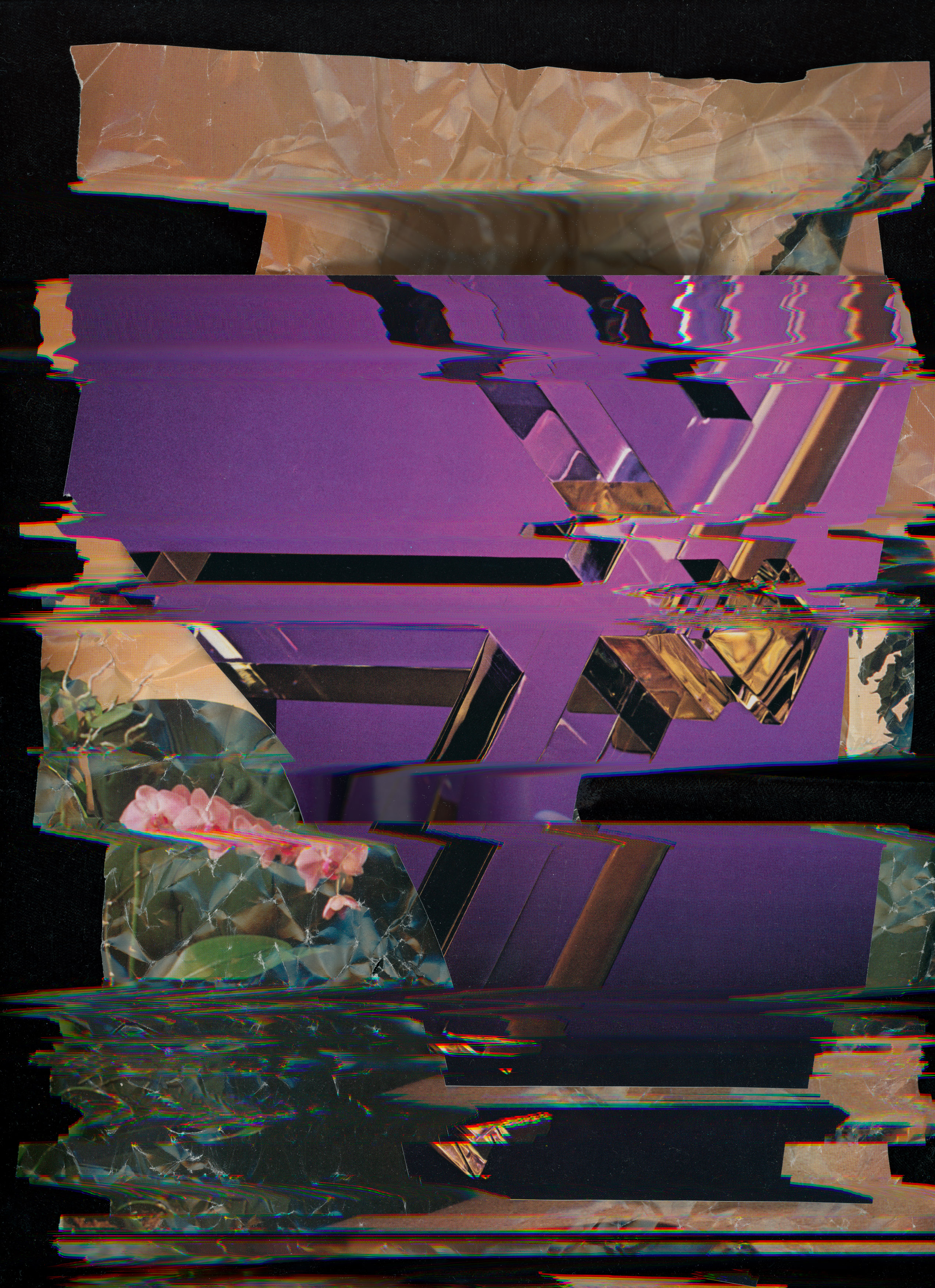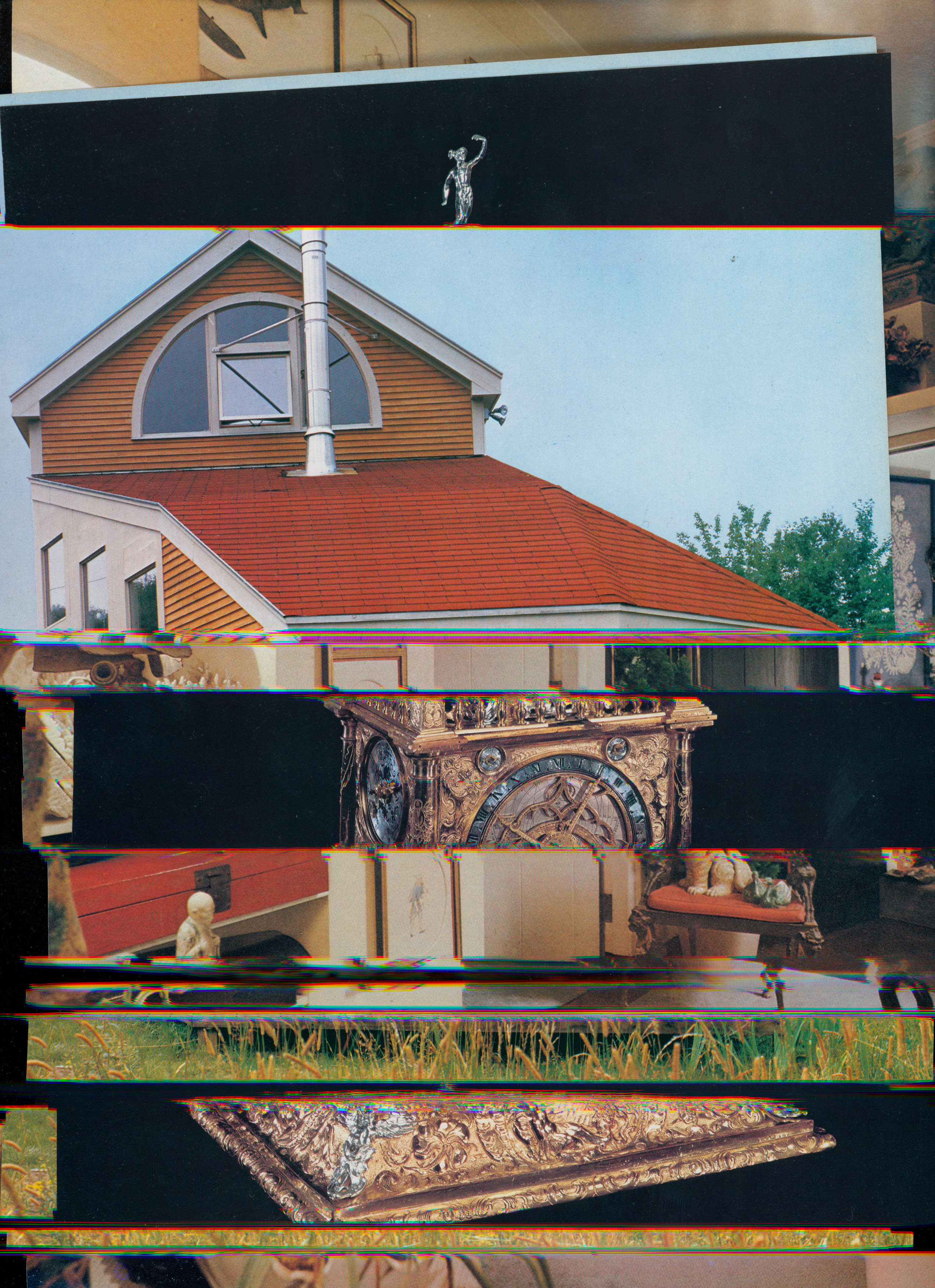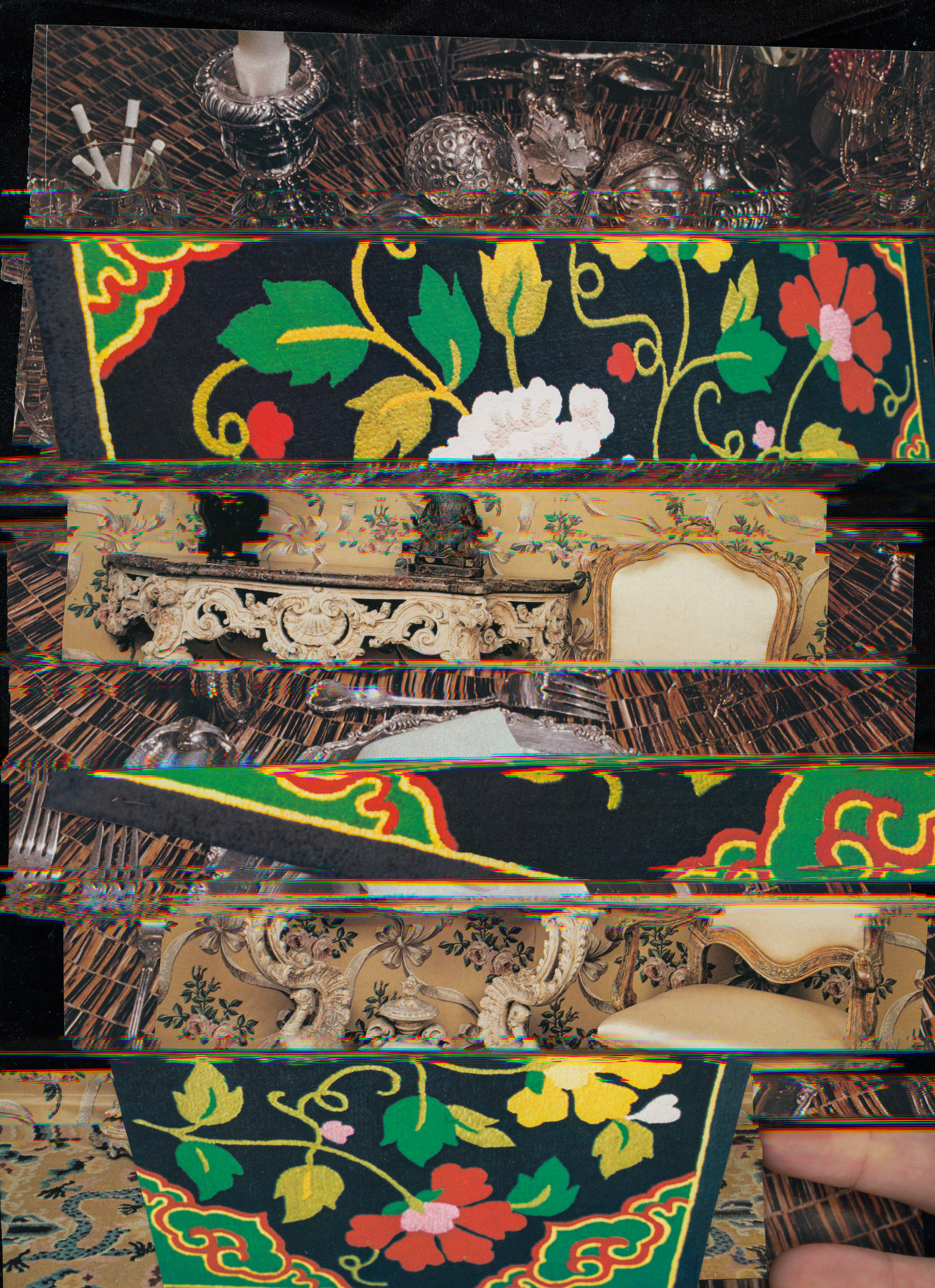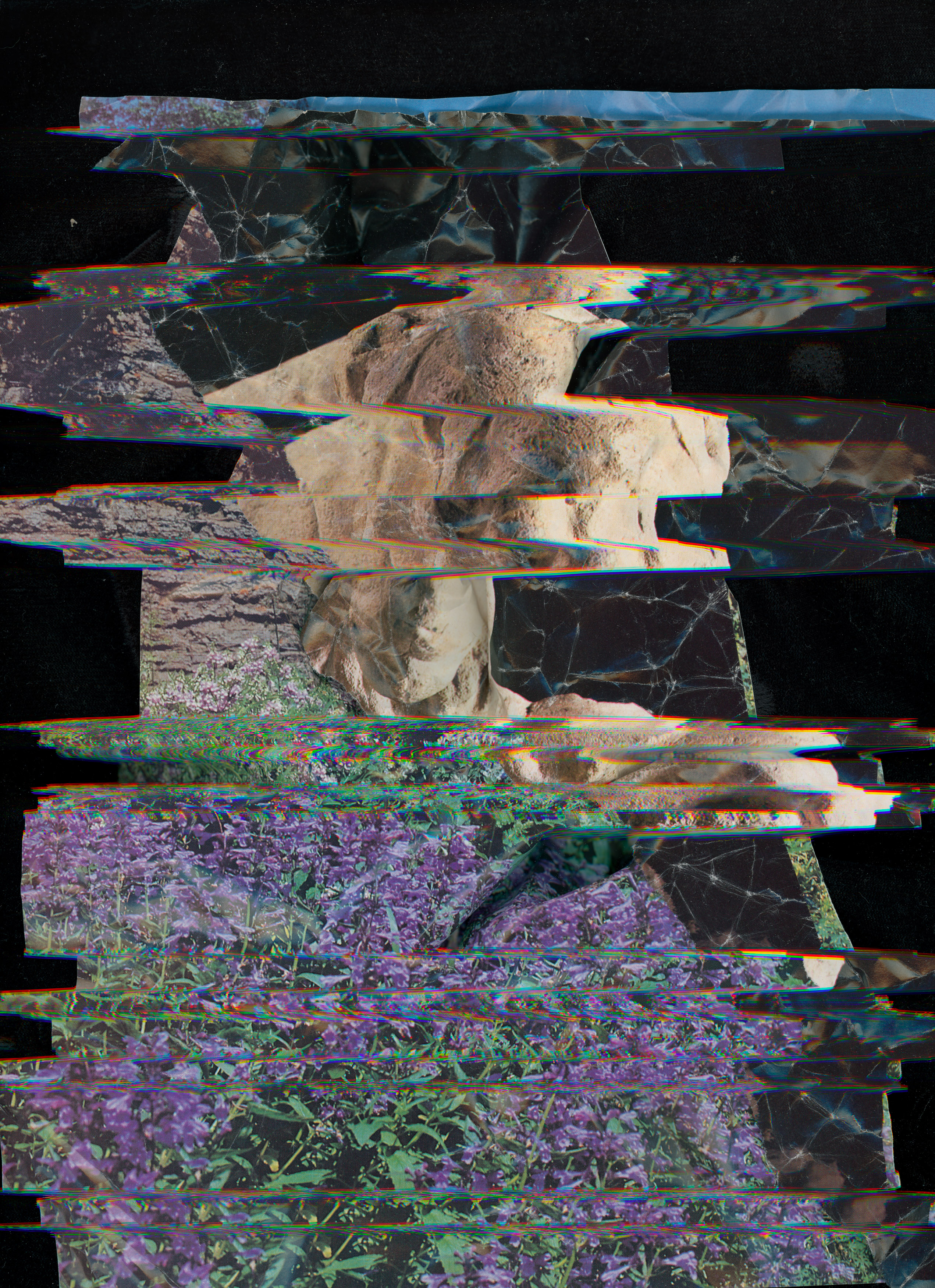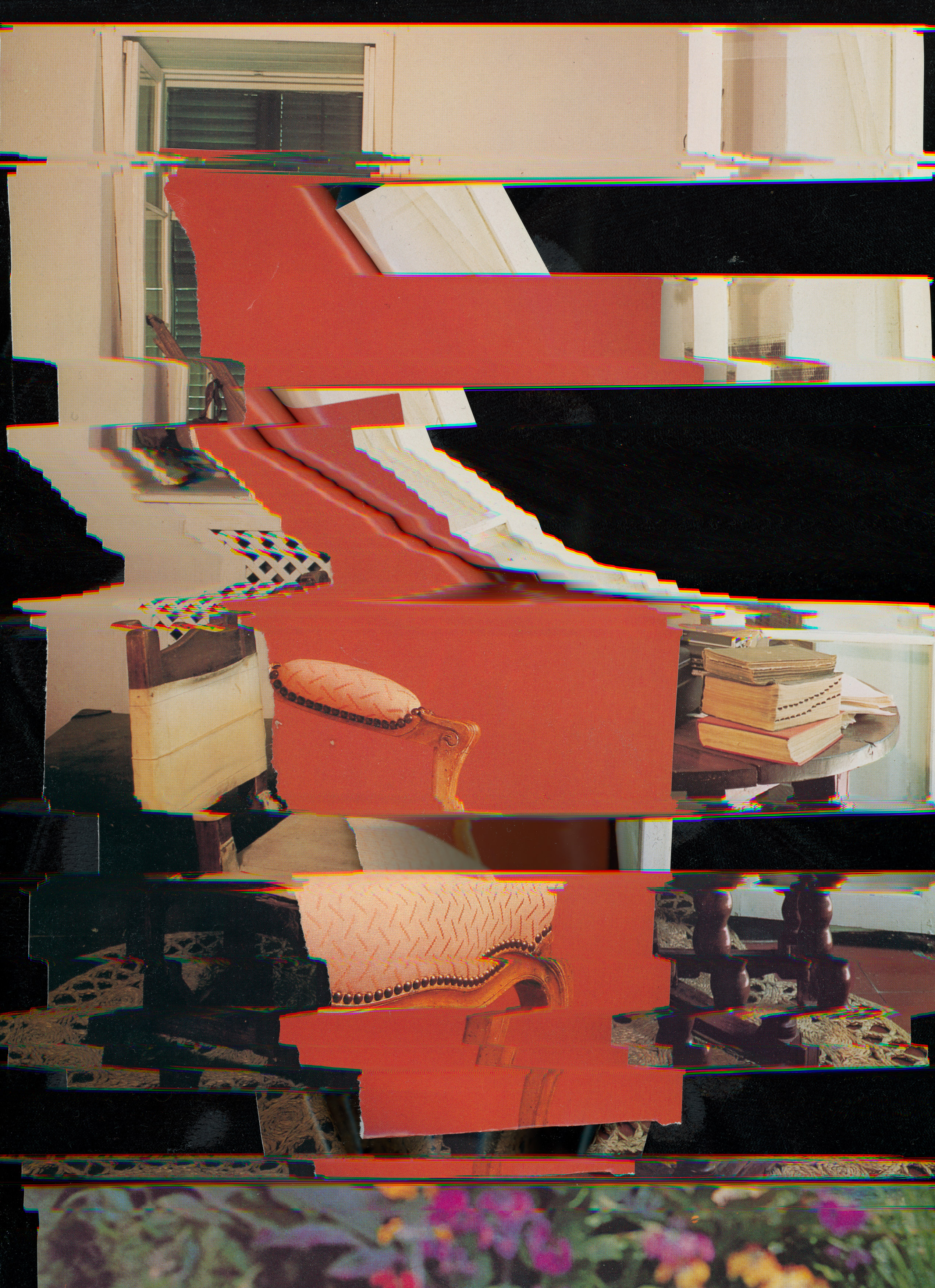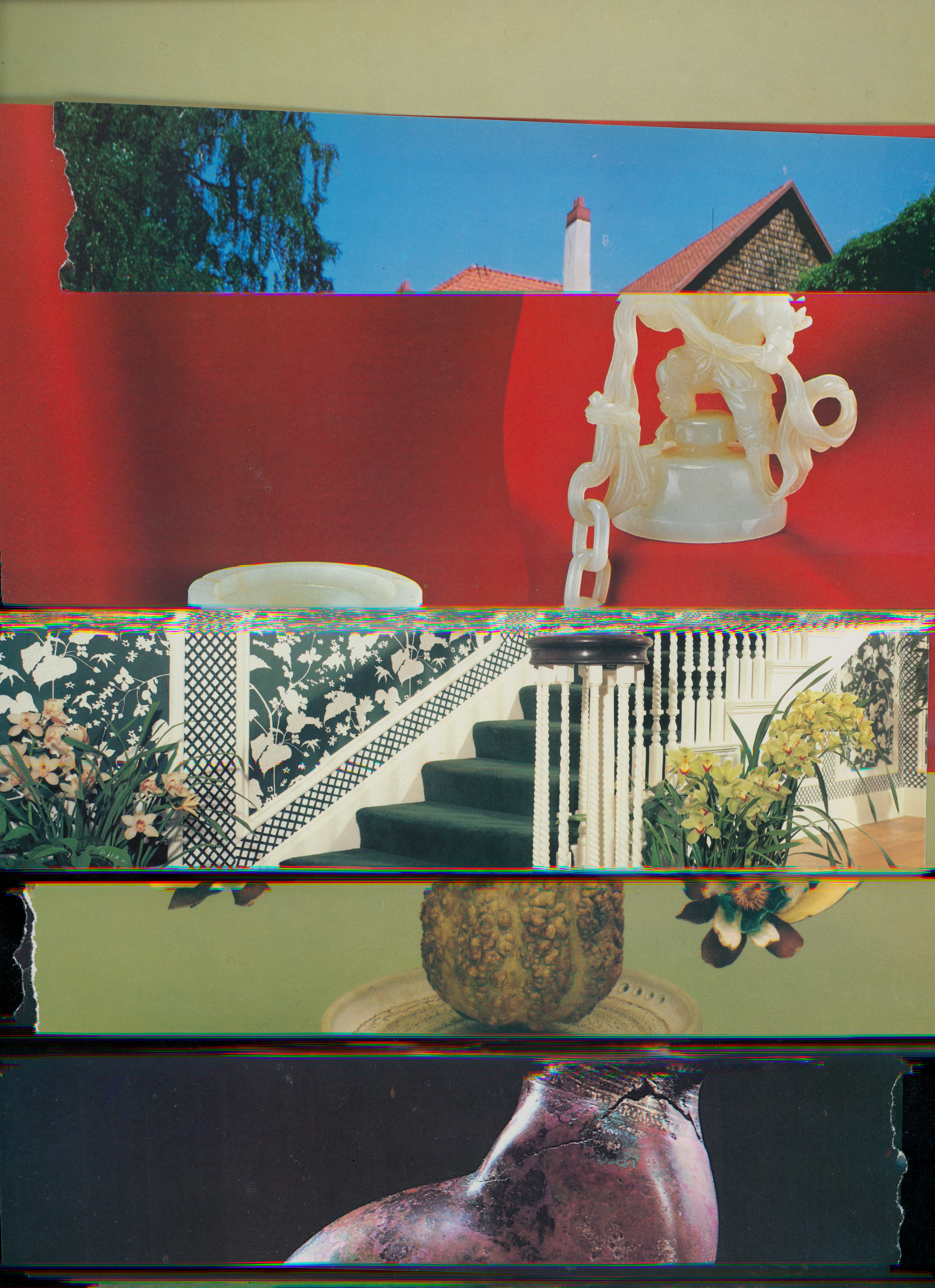


















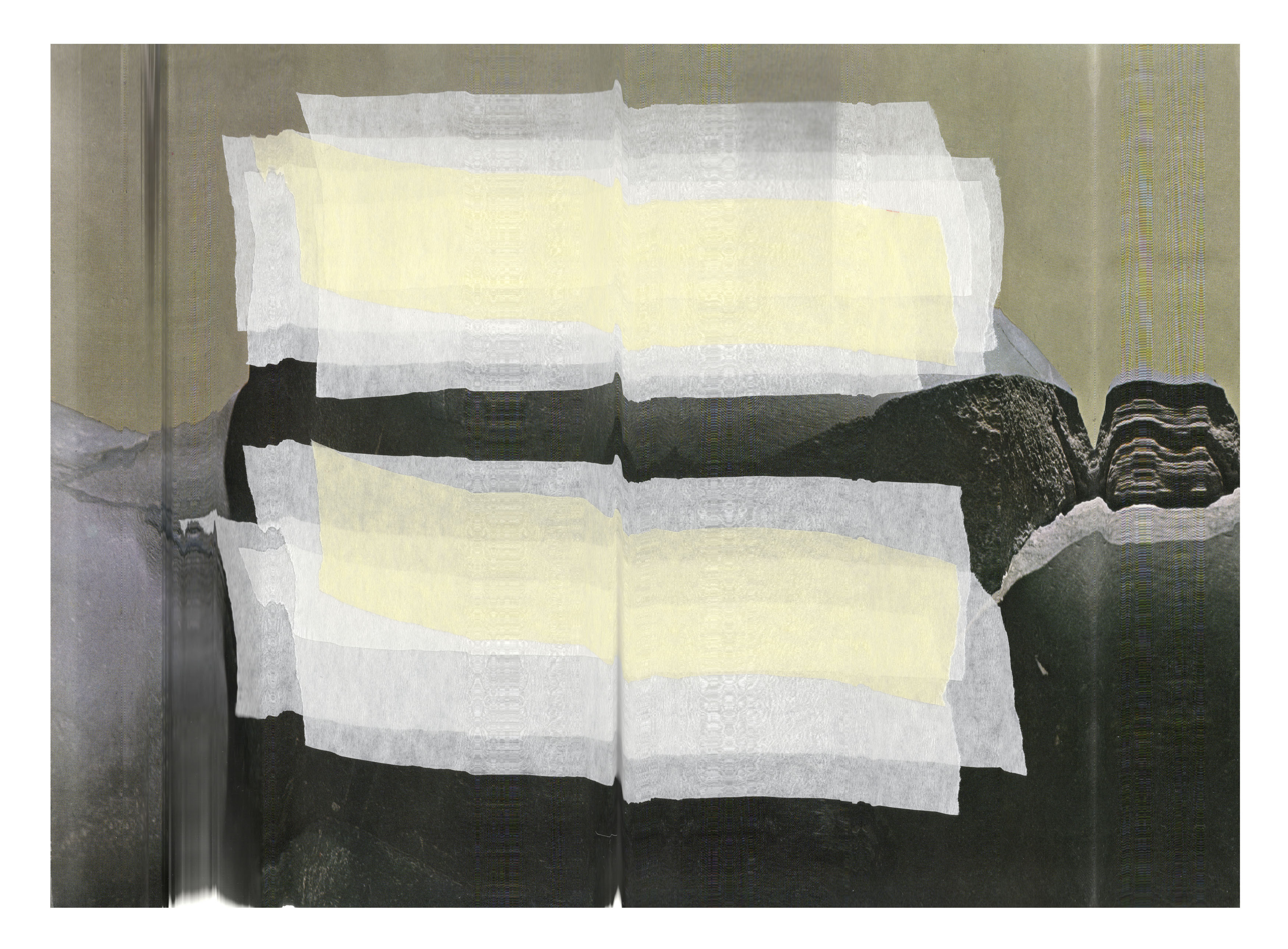

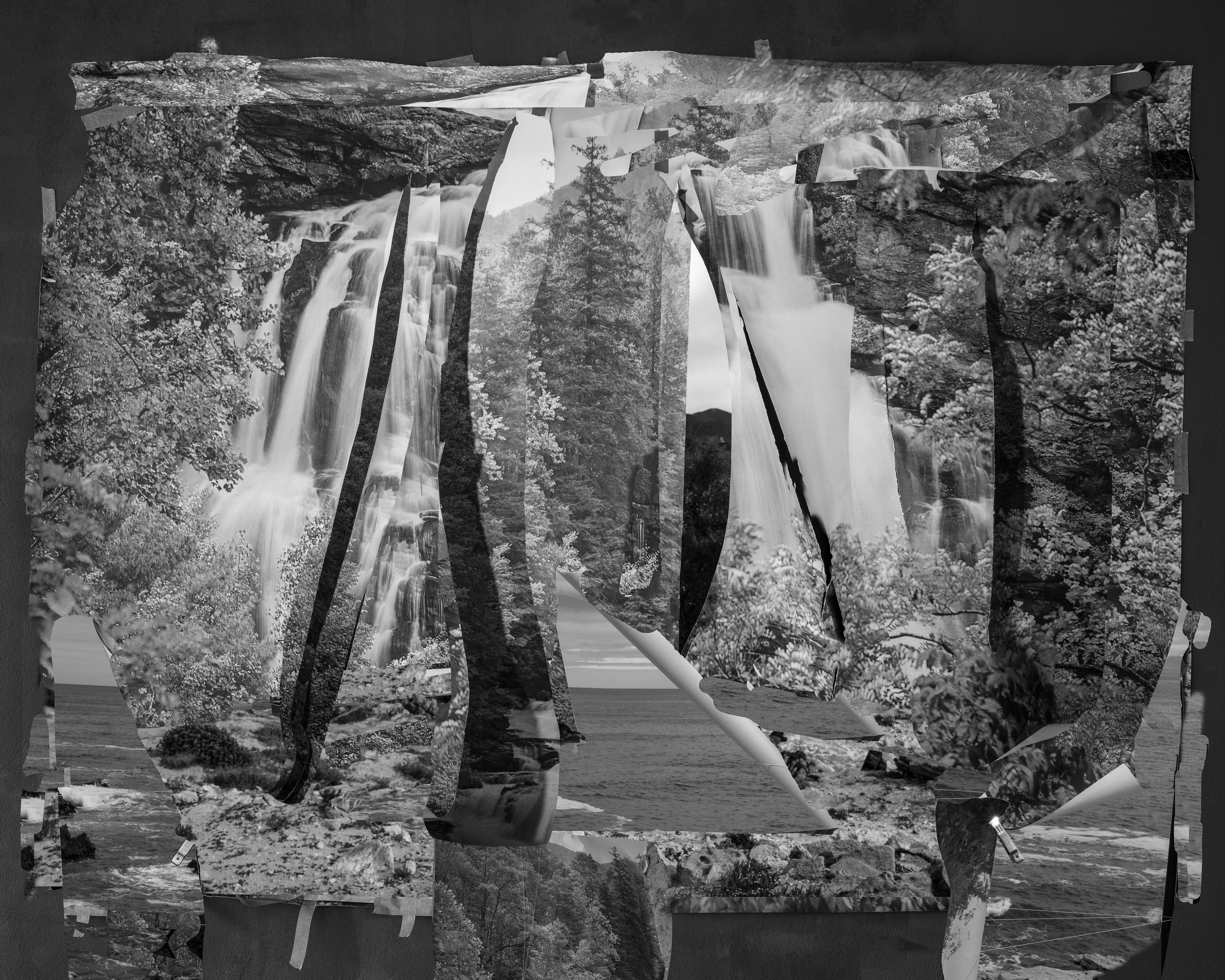
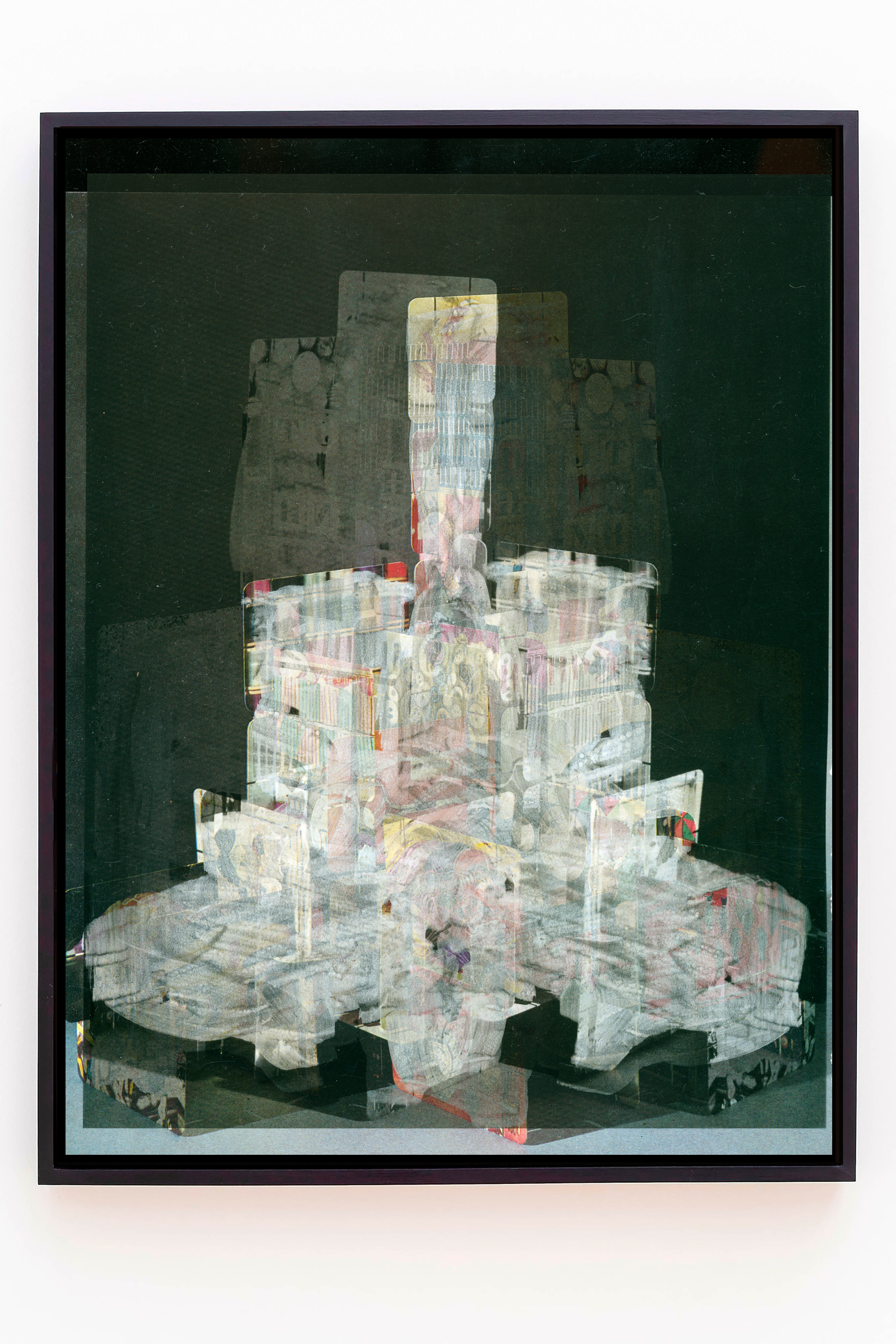

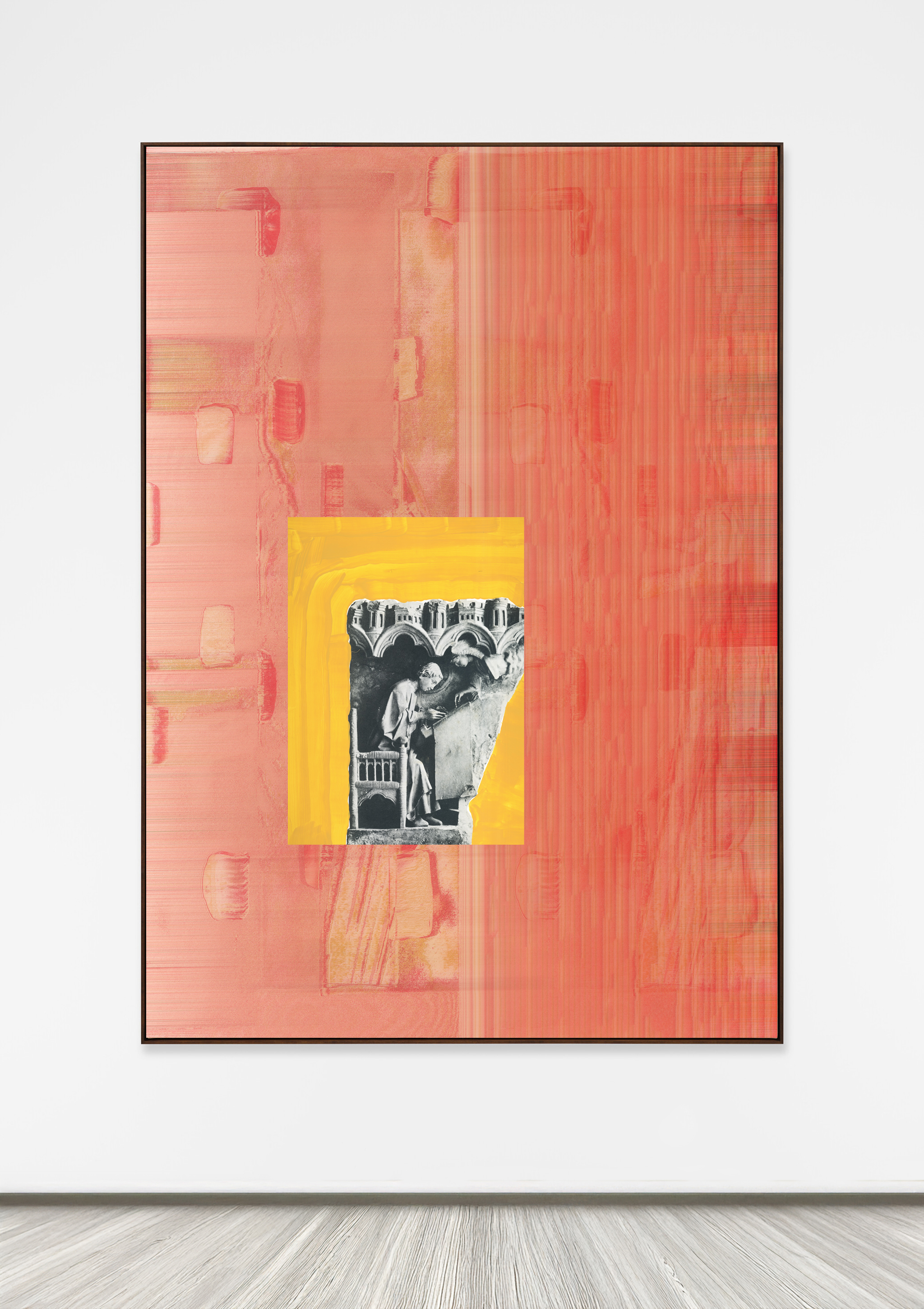


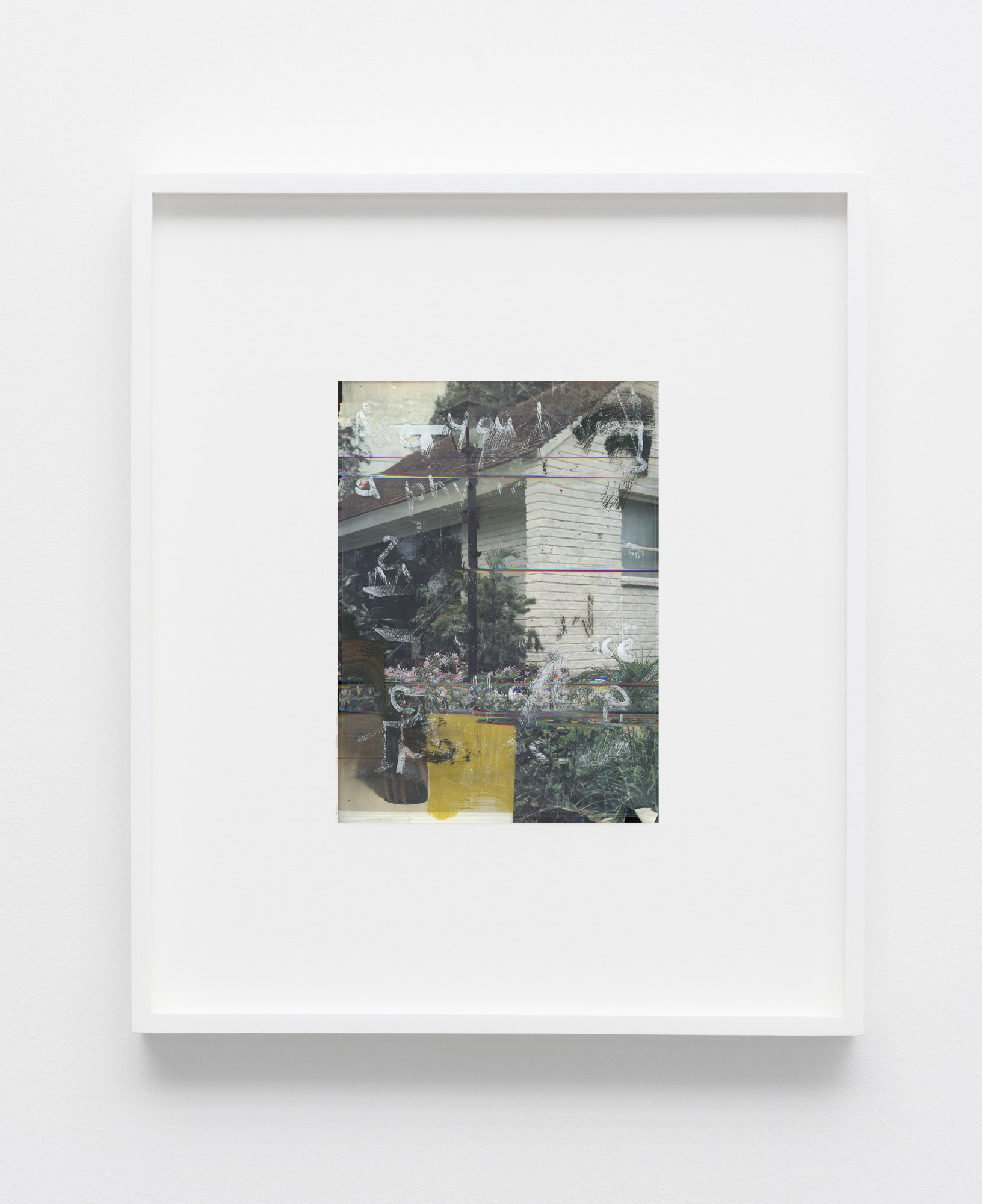
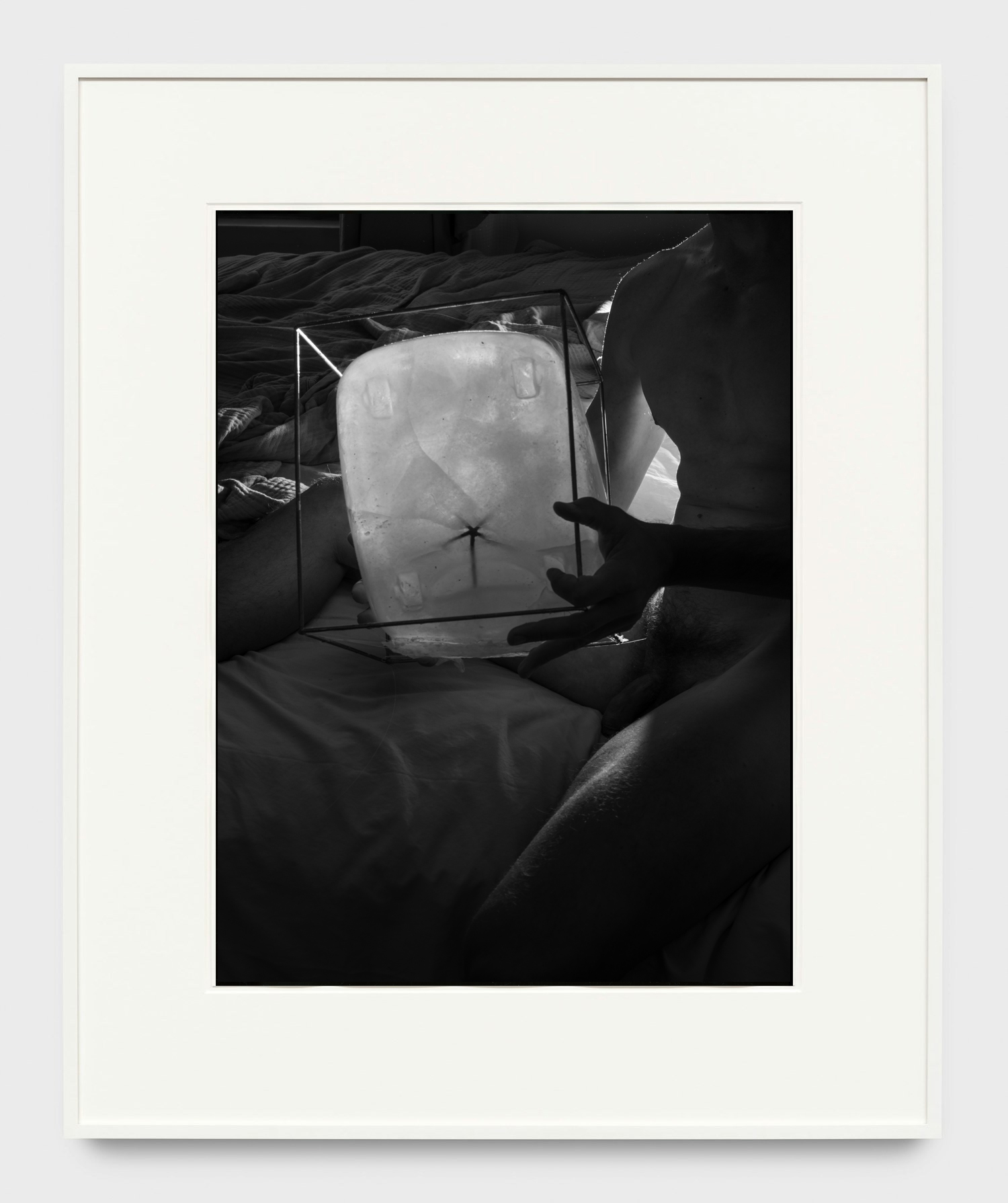


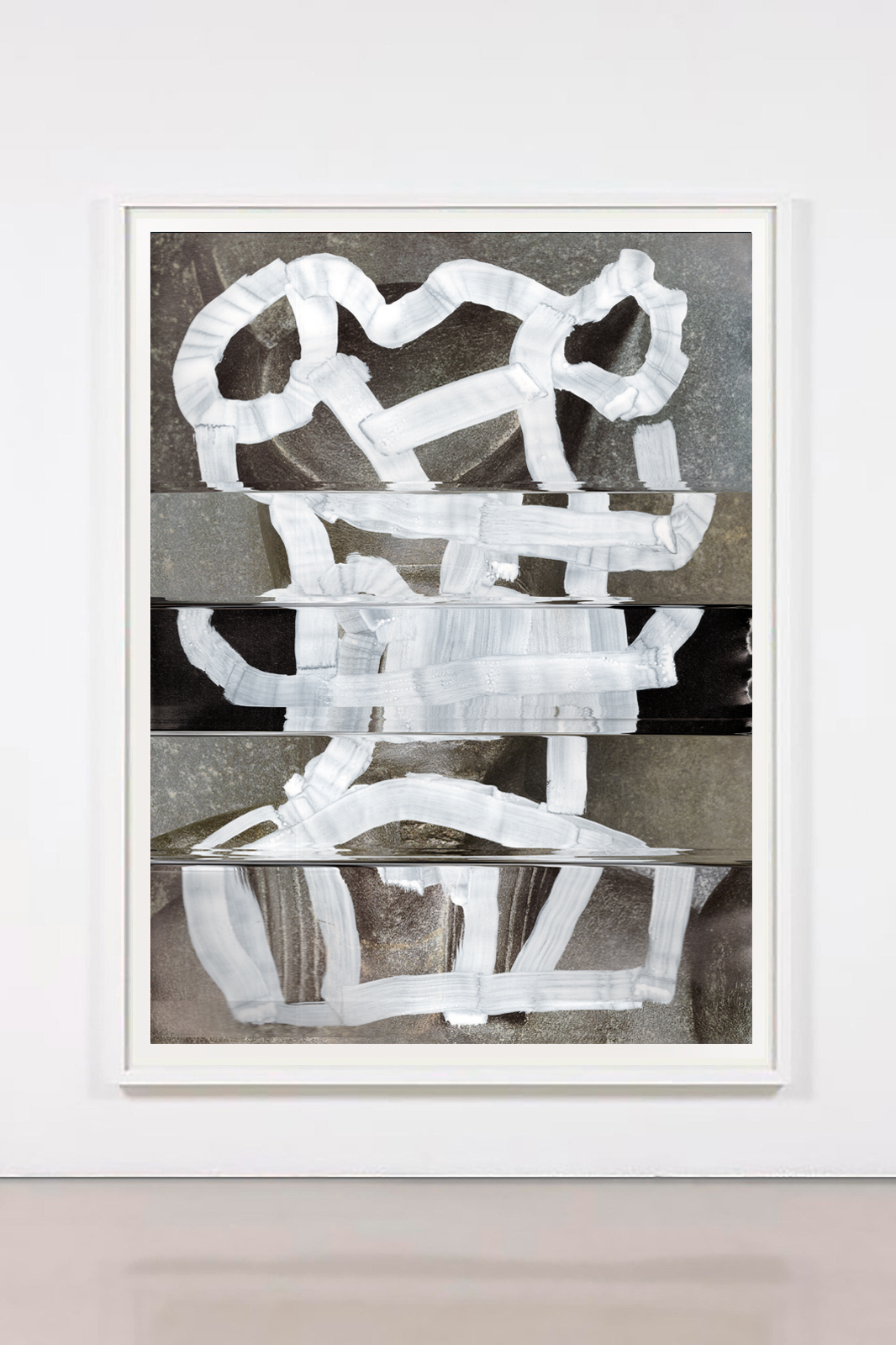
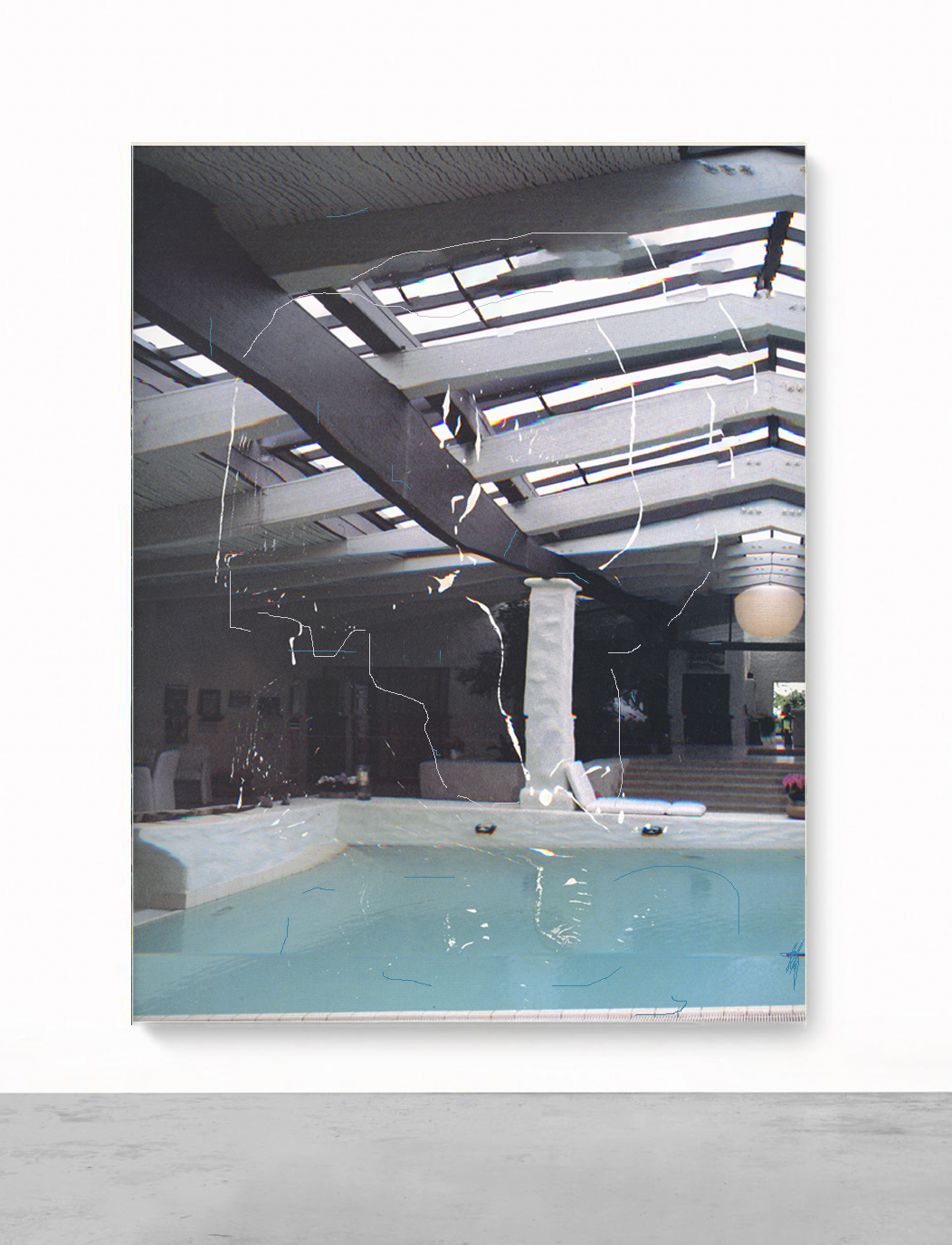

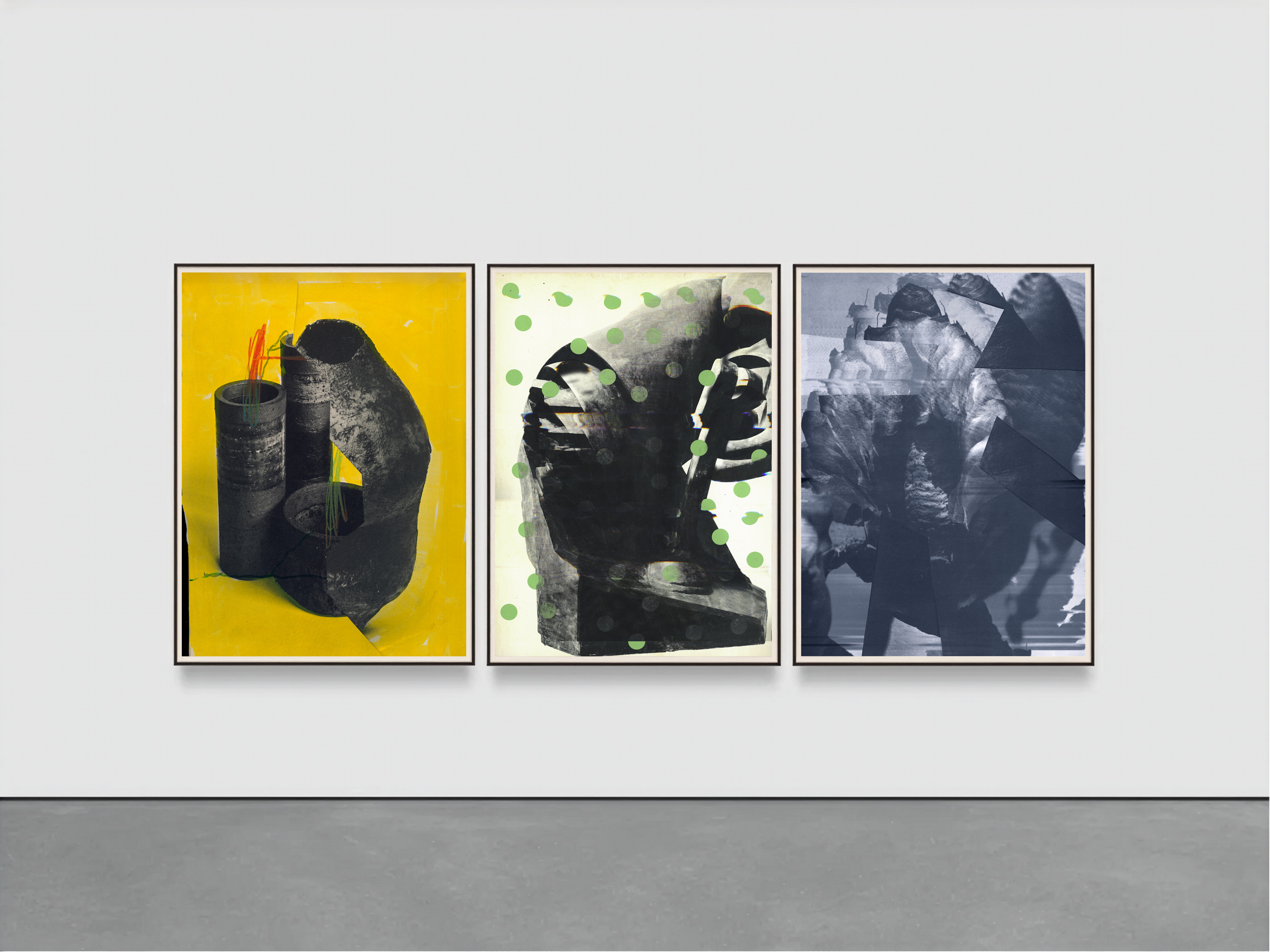
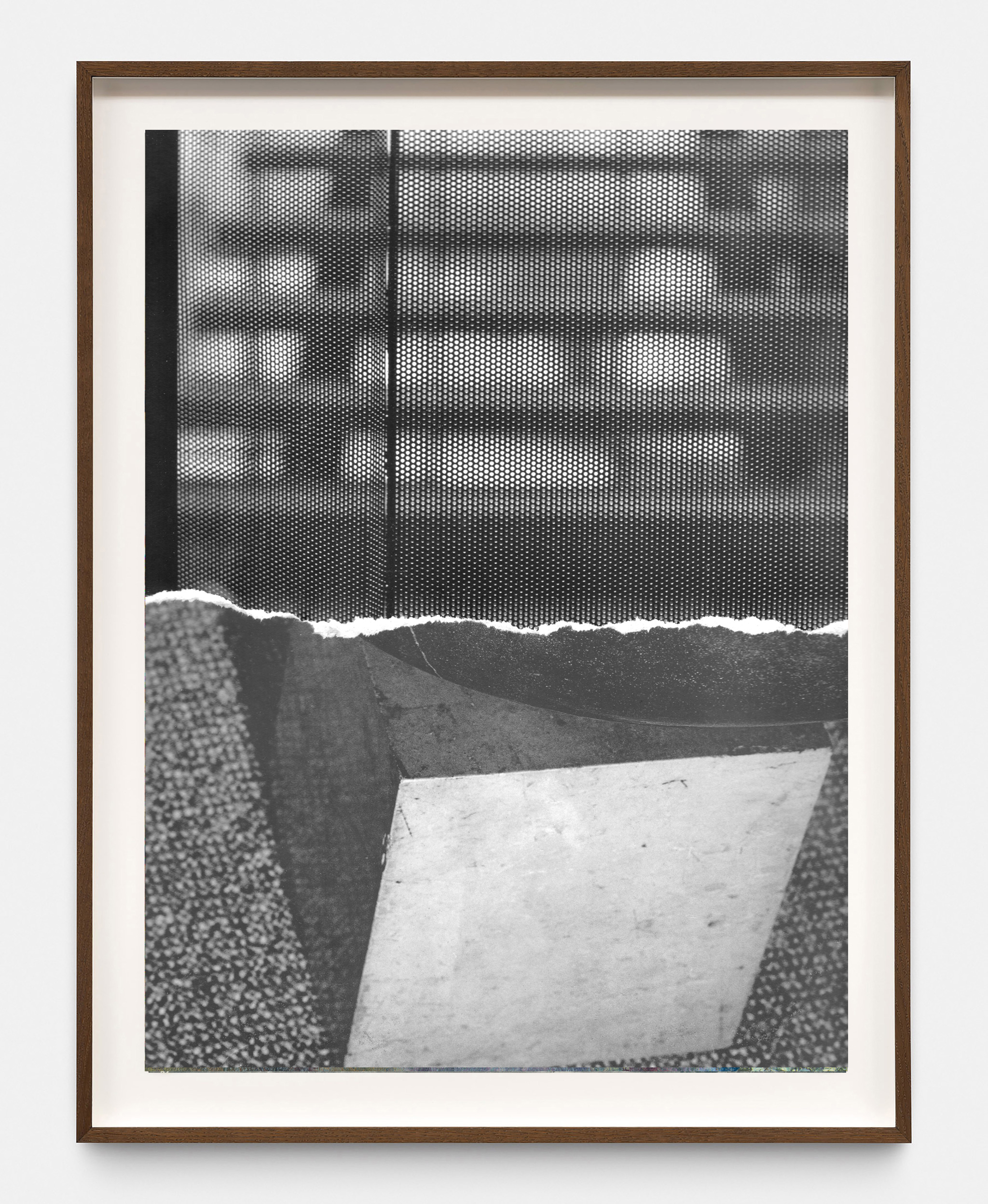

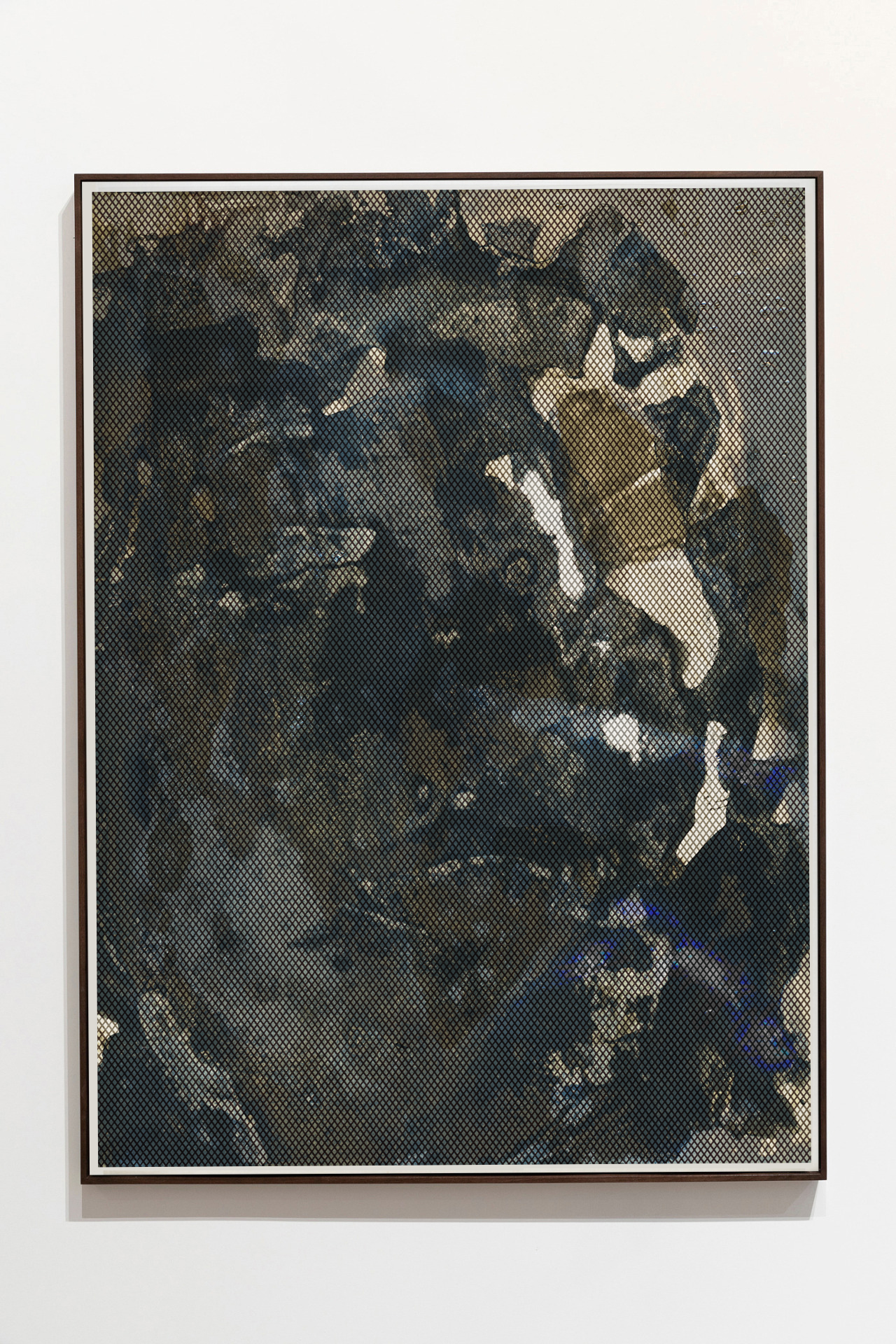
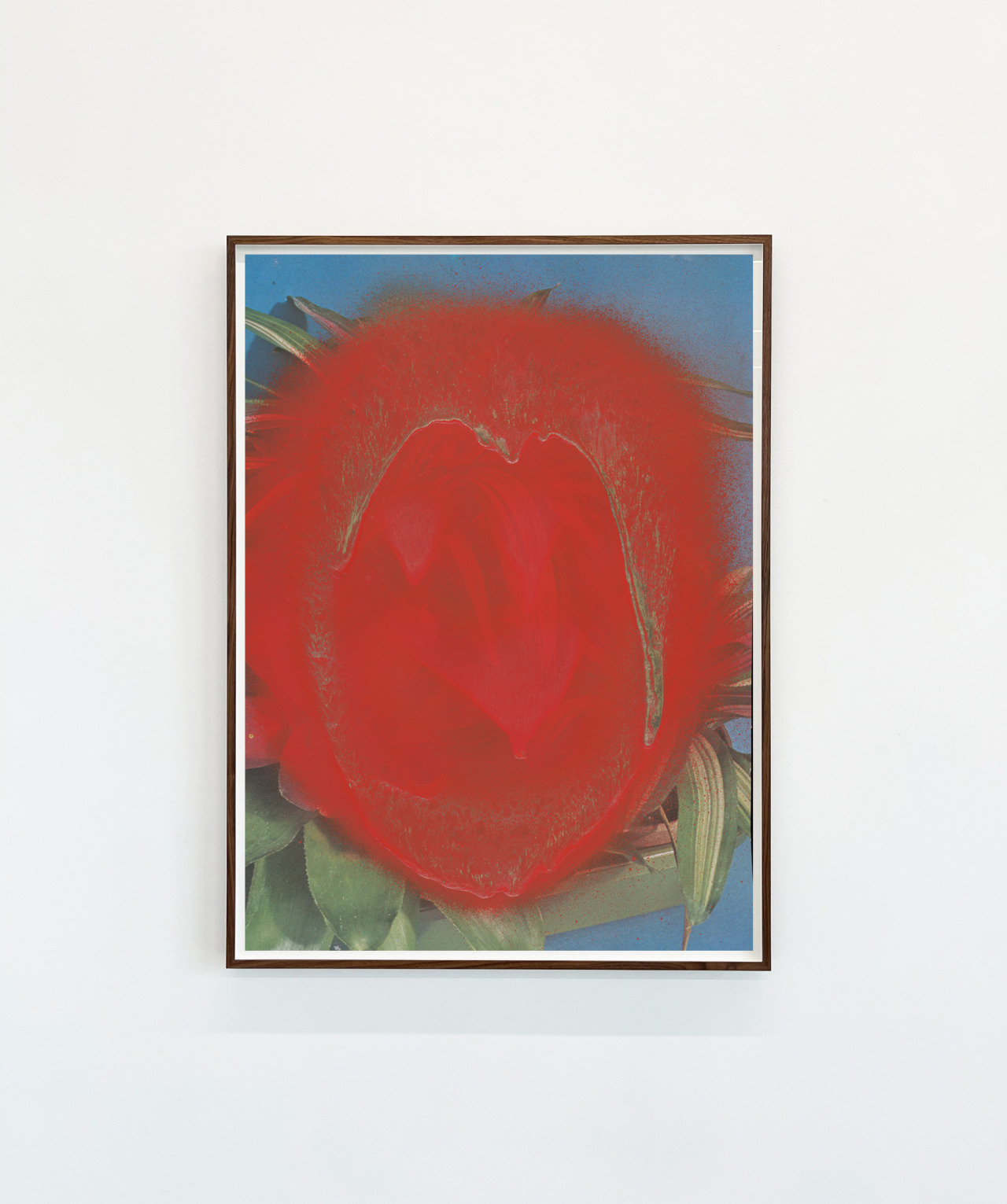
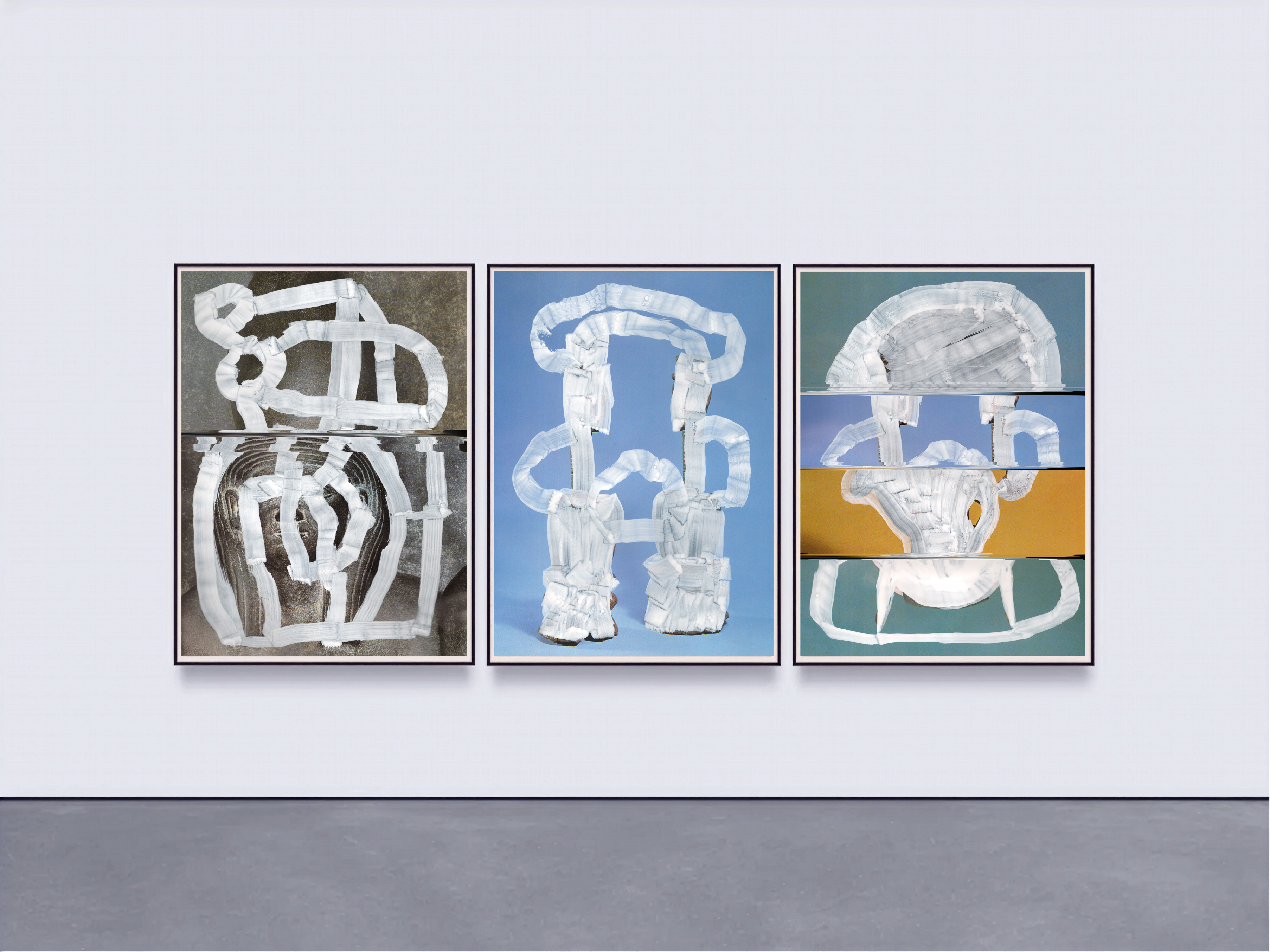
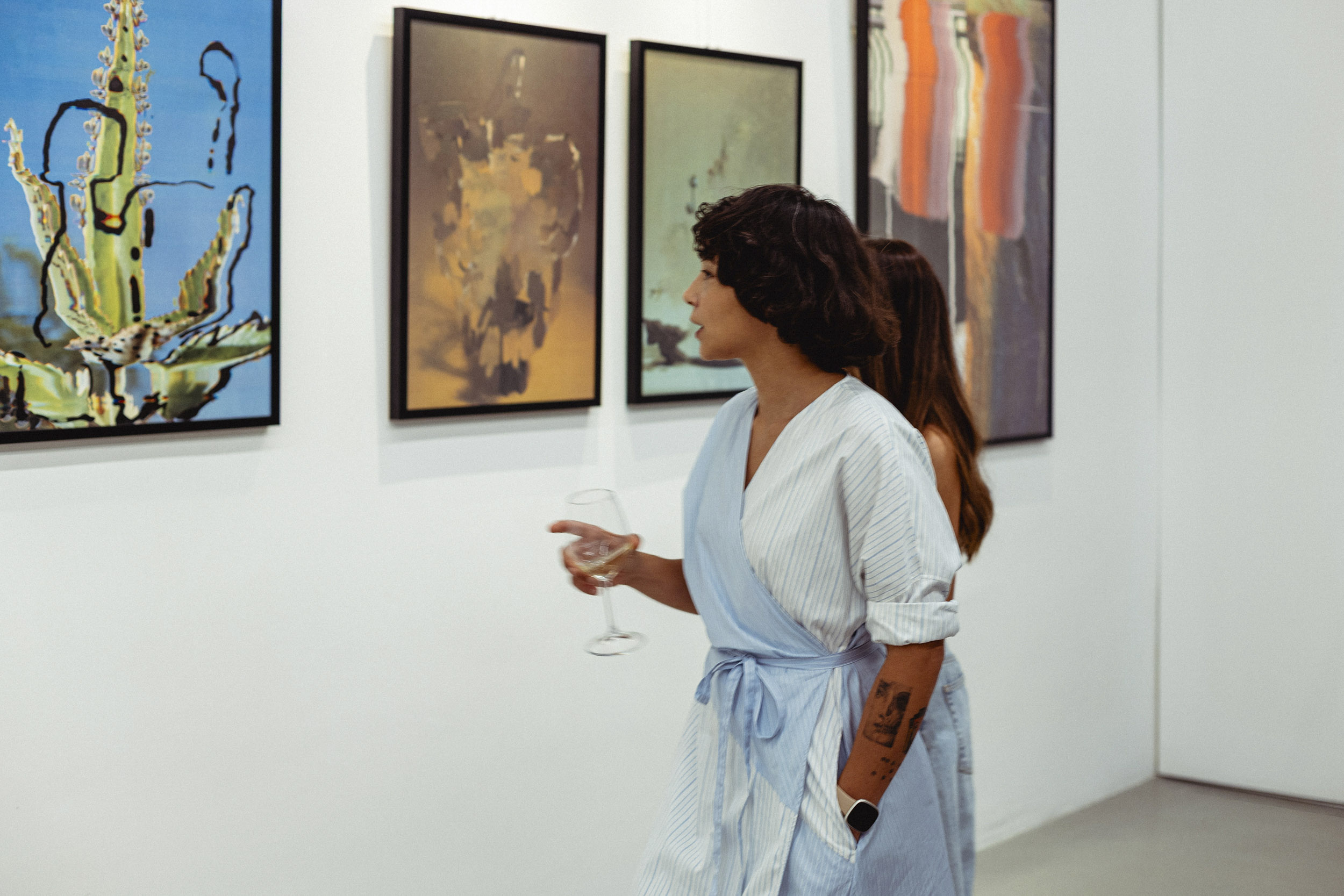
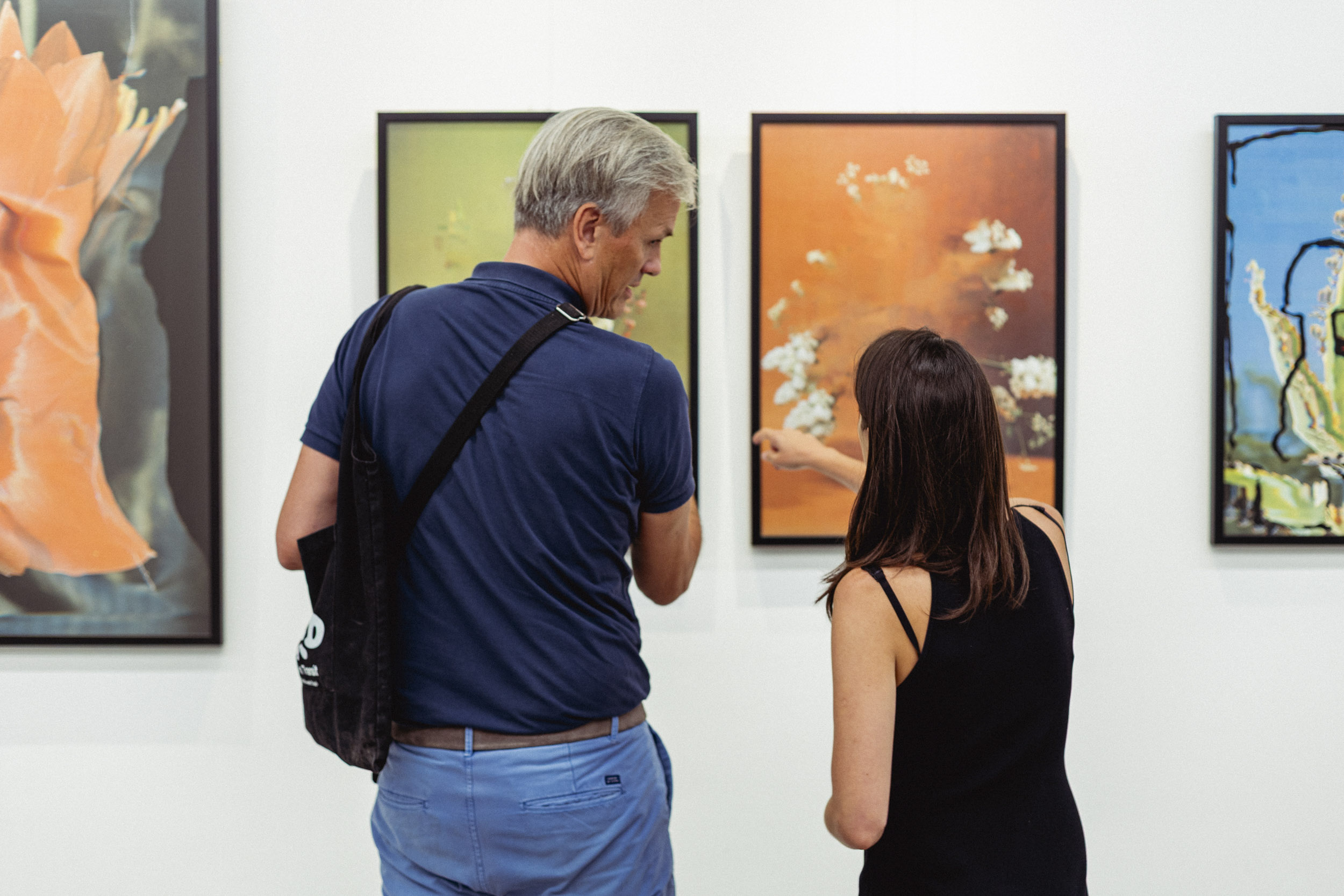

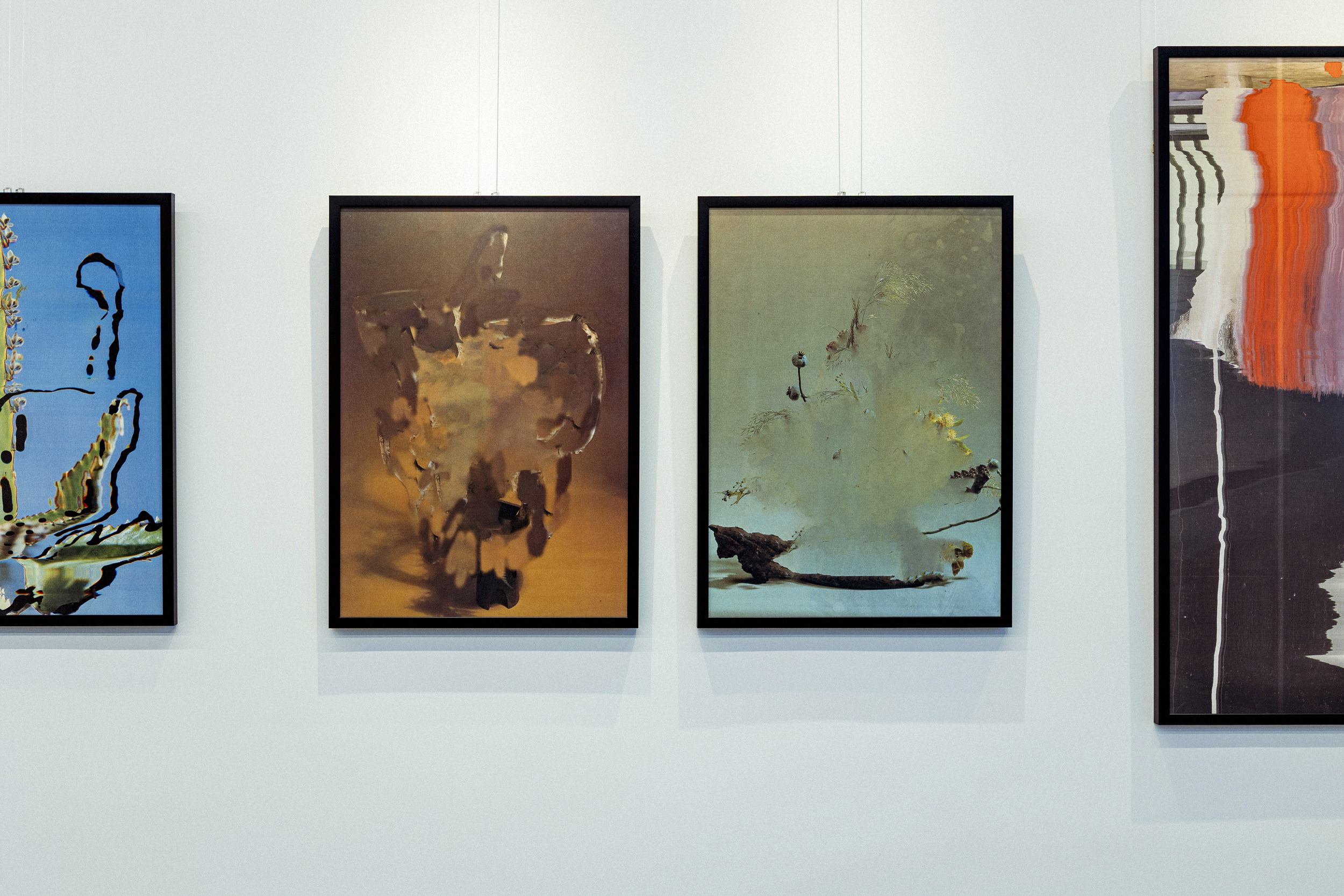

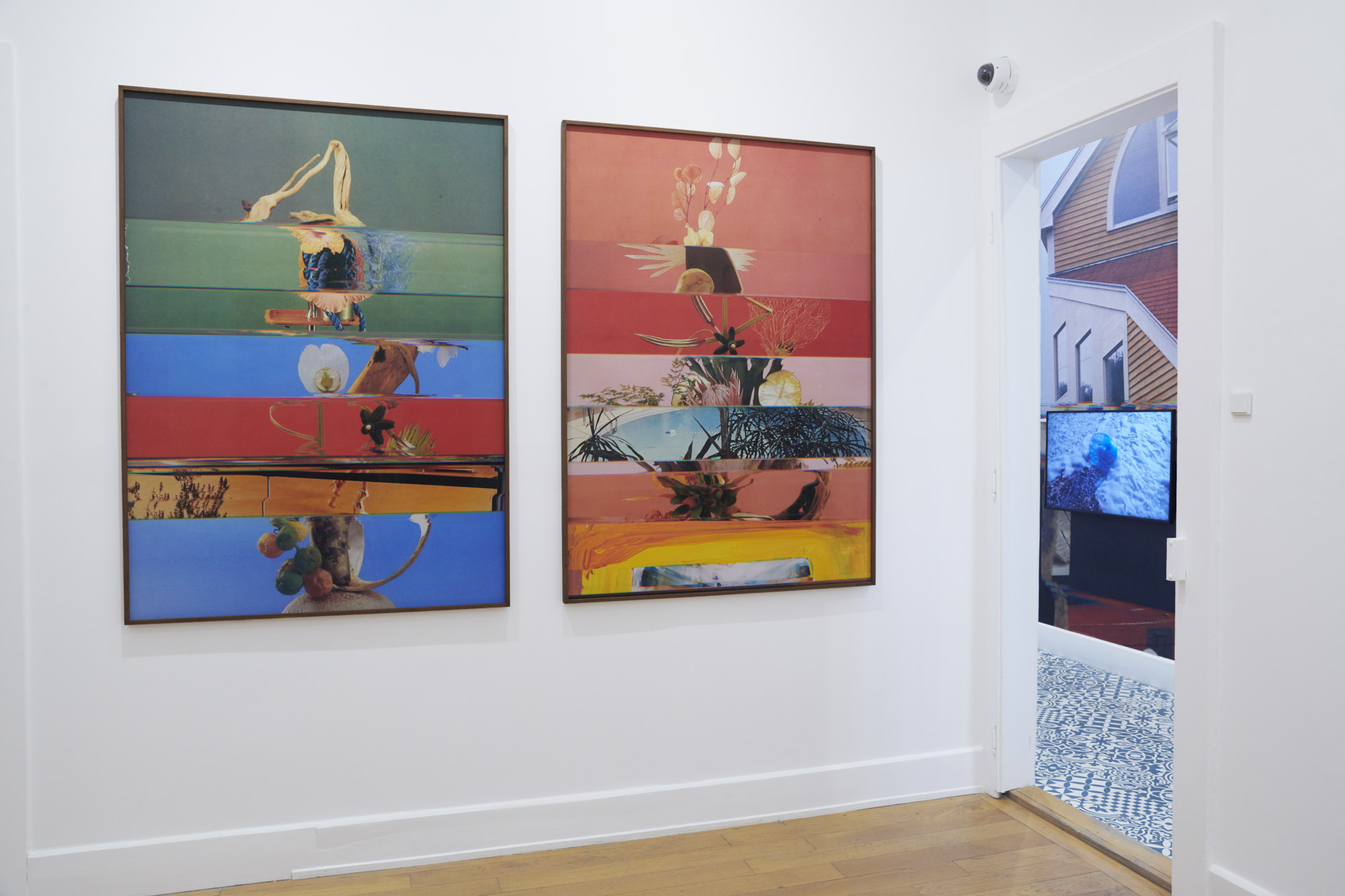
















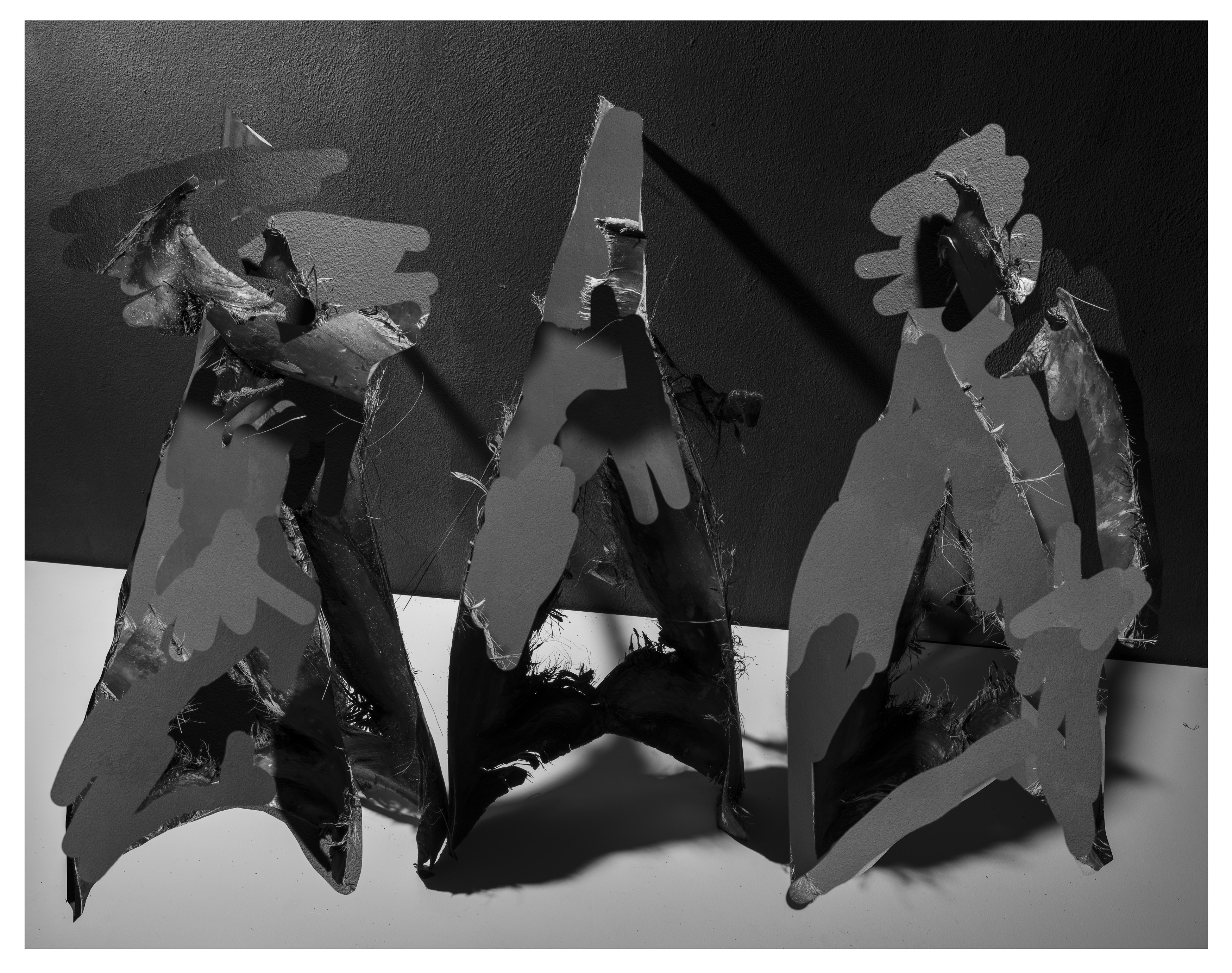


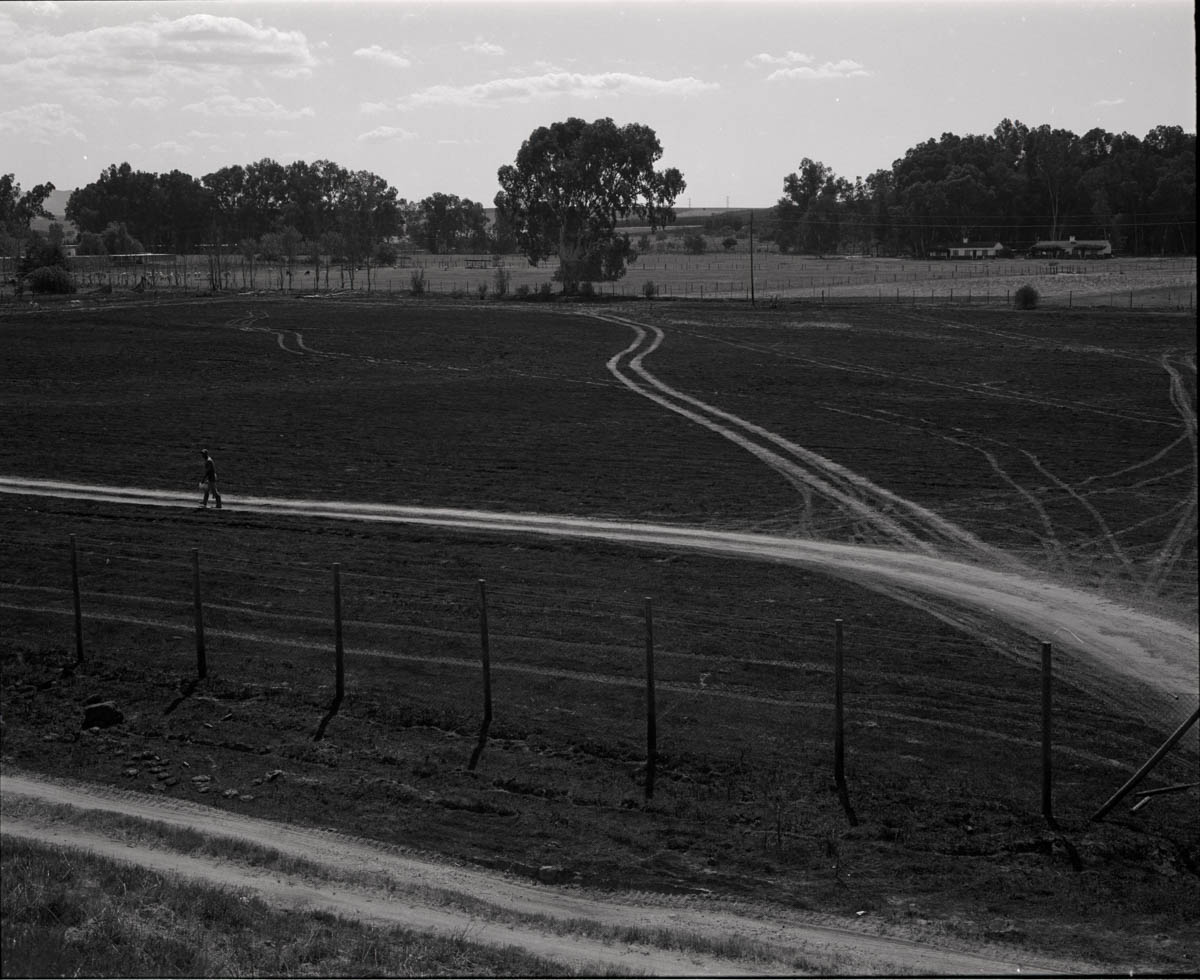
"My work lives in the friction between the body and the environment,
pulling raw material through an evolutionary shift into a flat image."
pulling raw material through an evolutionary shift into a flat image."


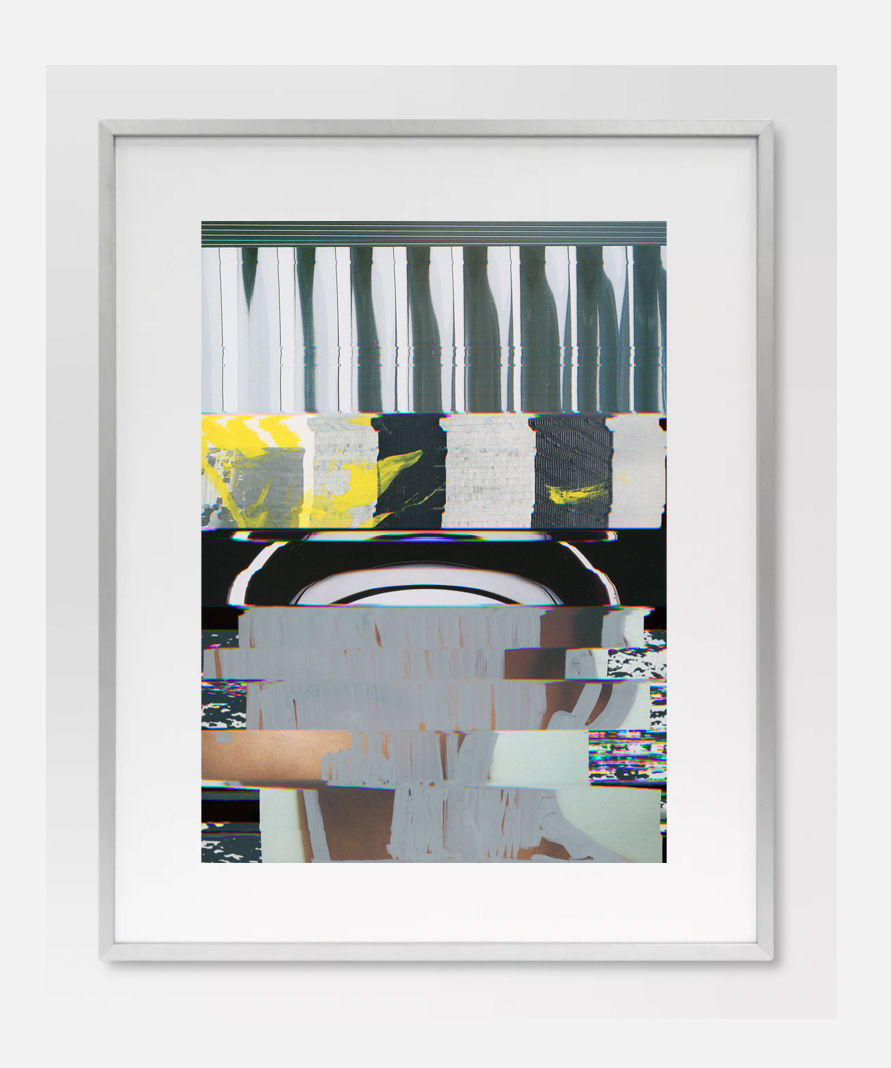

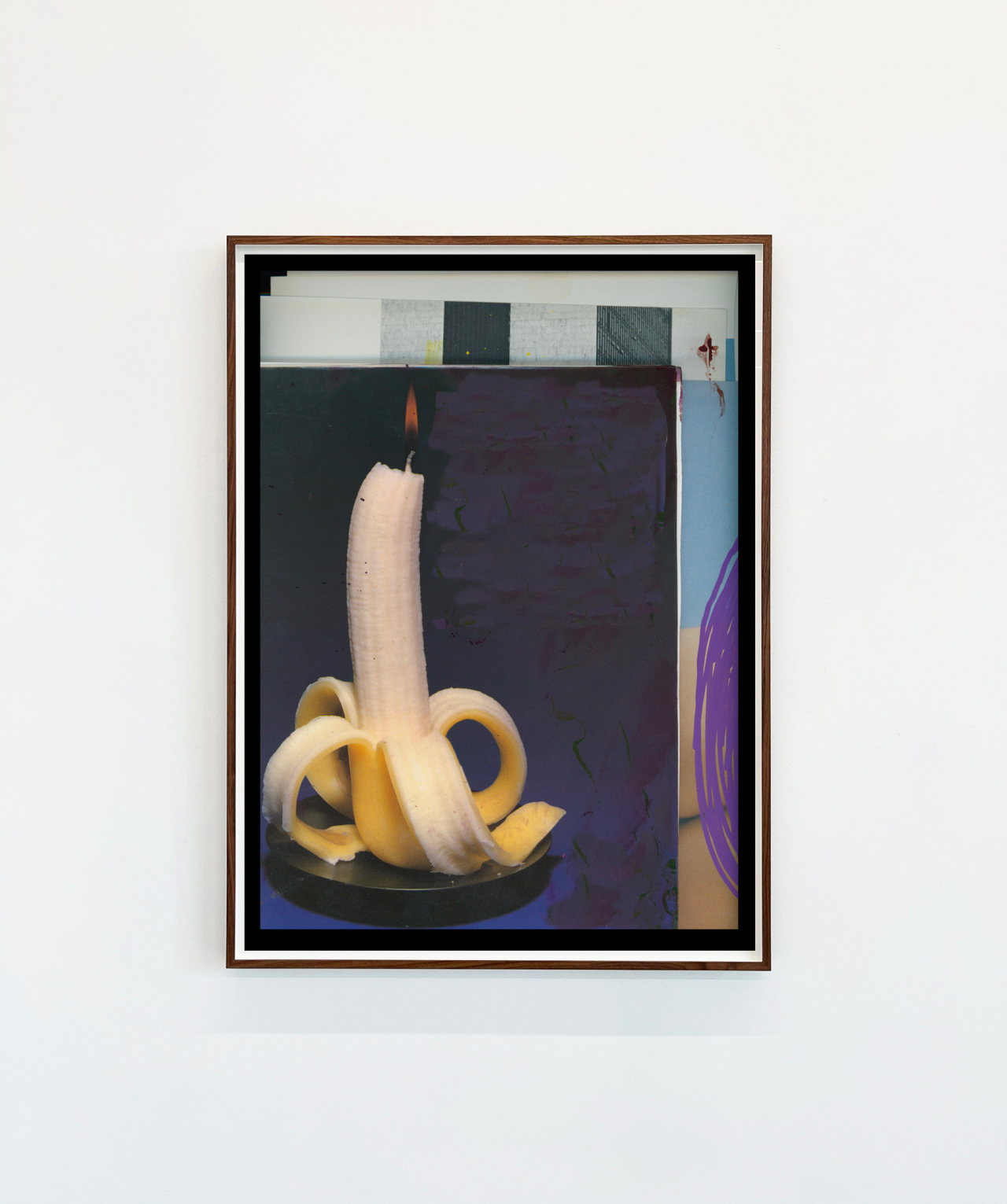

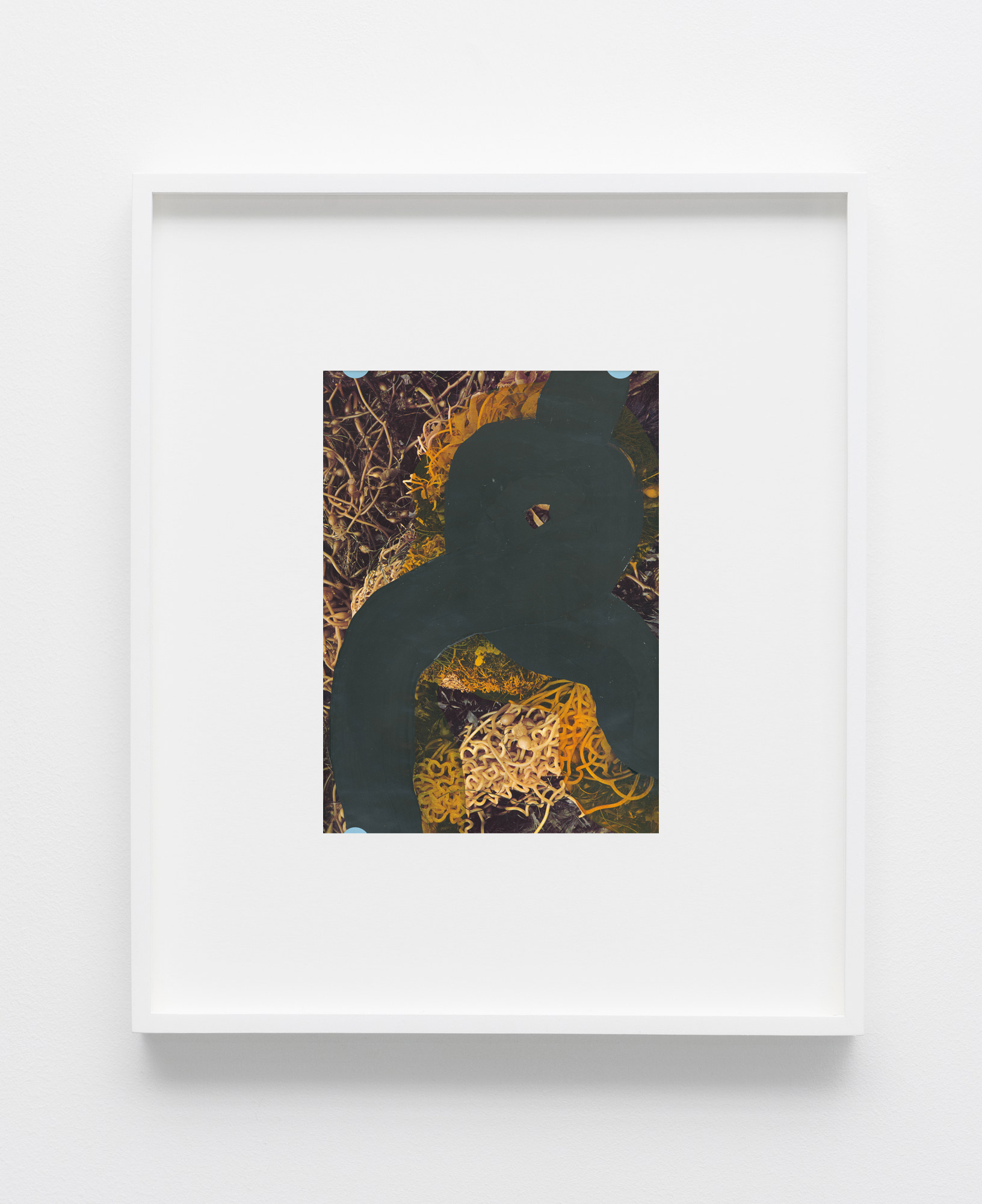
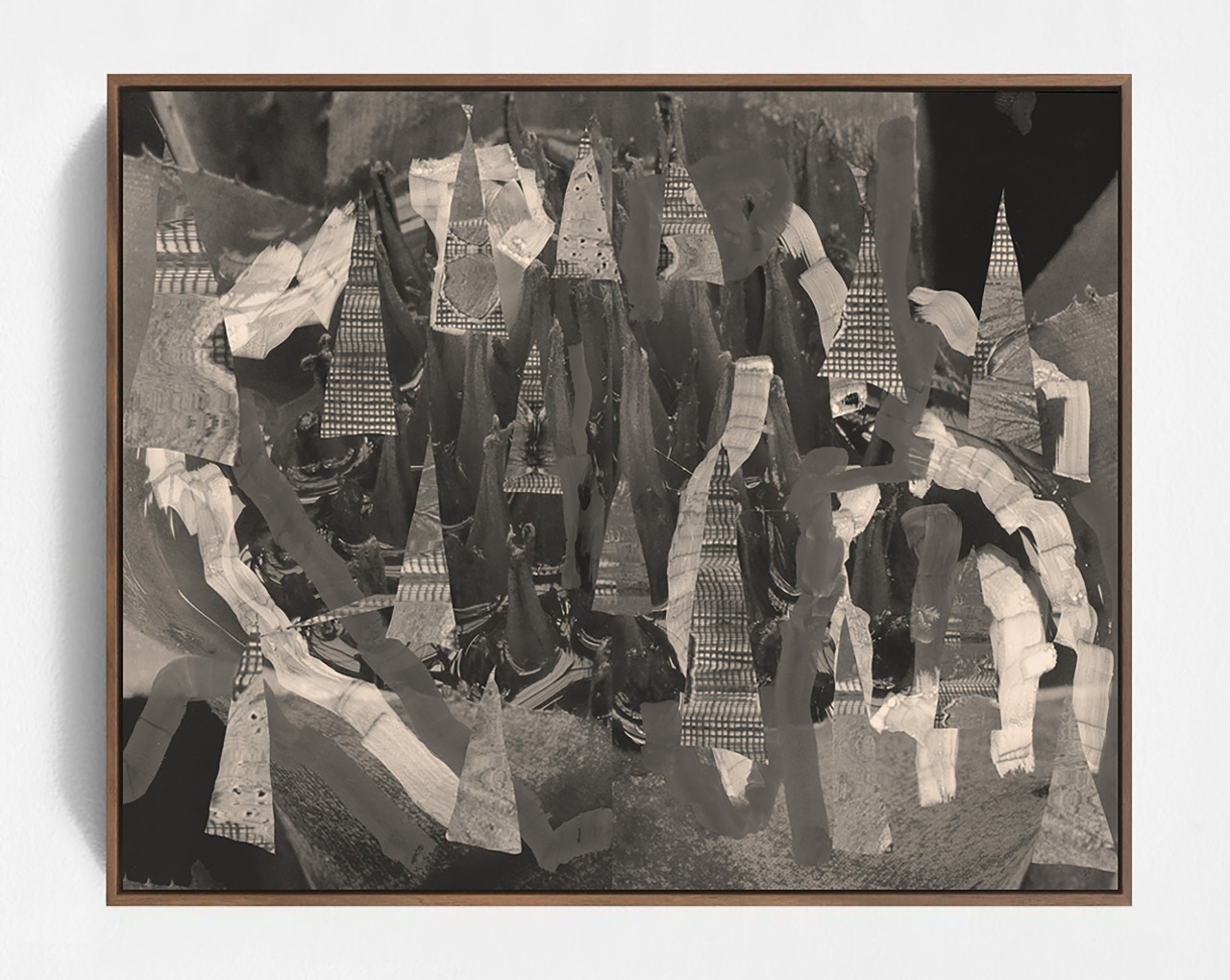
“I’m trying to make images that don’t settle too quickly
Images that hold a familiar tension
Something between clarity and confusion, control and collapse
If the work does anything, it’s to slow down perception
To move away from fixed positions and into something more fluid, more felt”
Images that hold a familiar tension
Something between clarity and confusion, control and collapse
If the work does anything, it’s to slow down perception
To move away from fixed positions and into something more fluid, more felt”

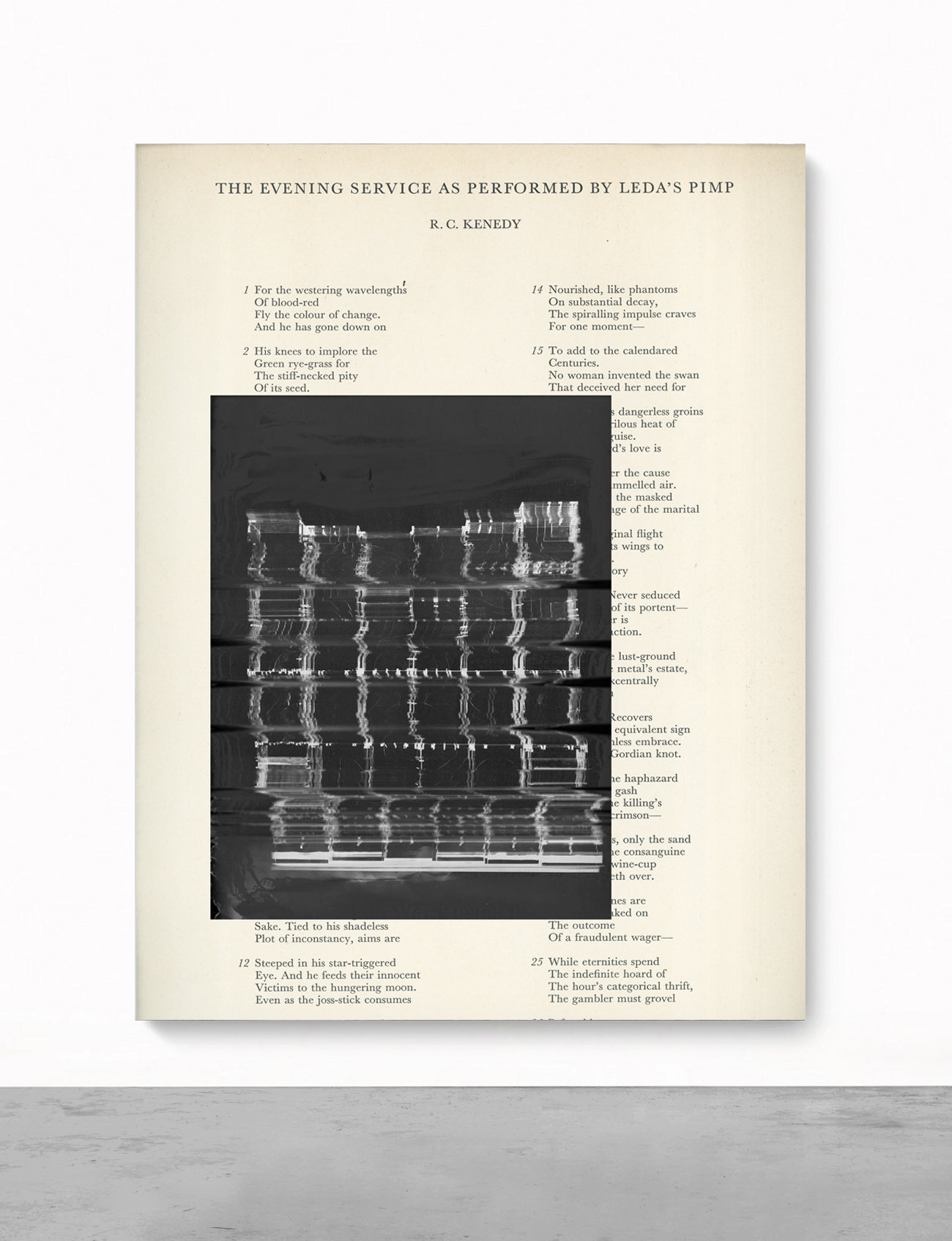
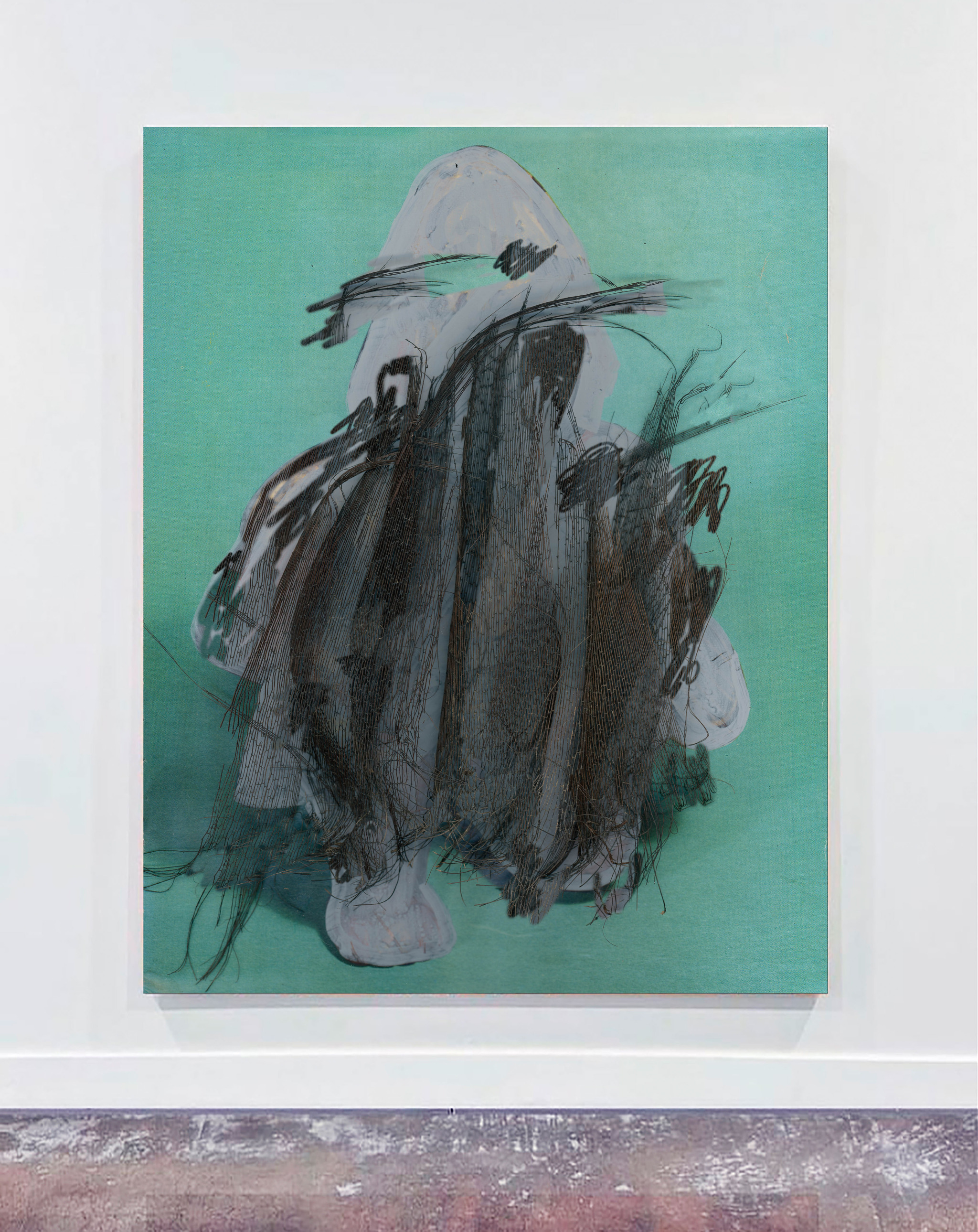


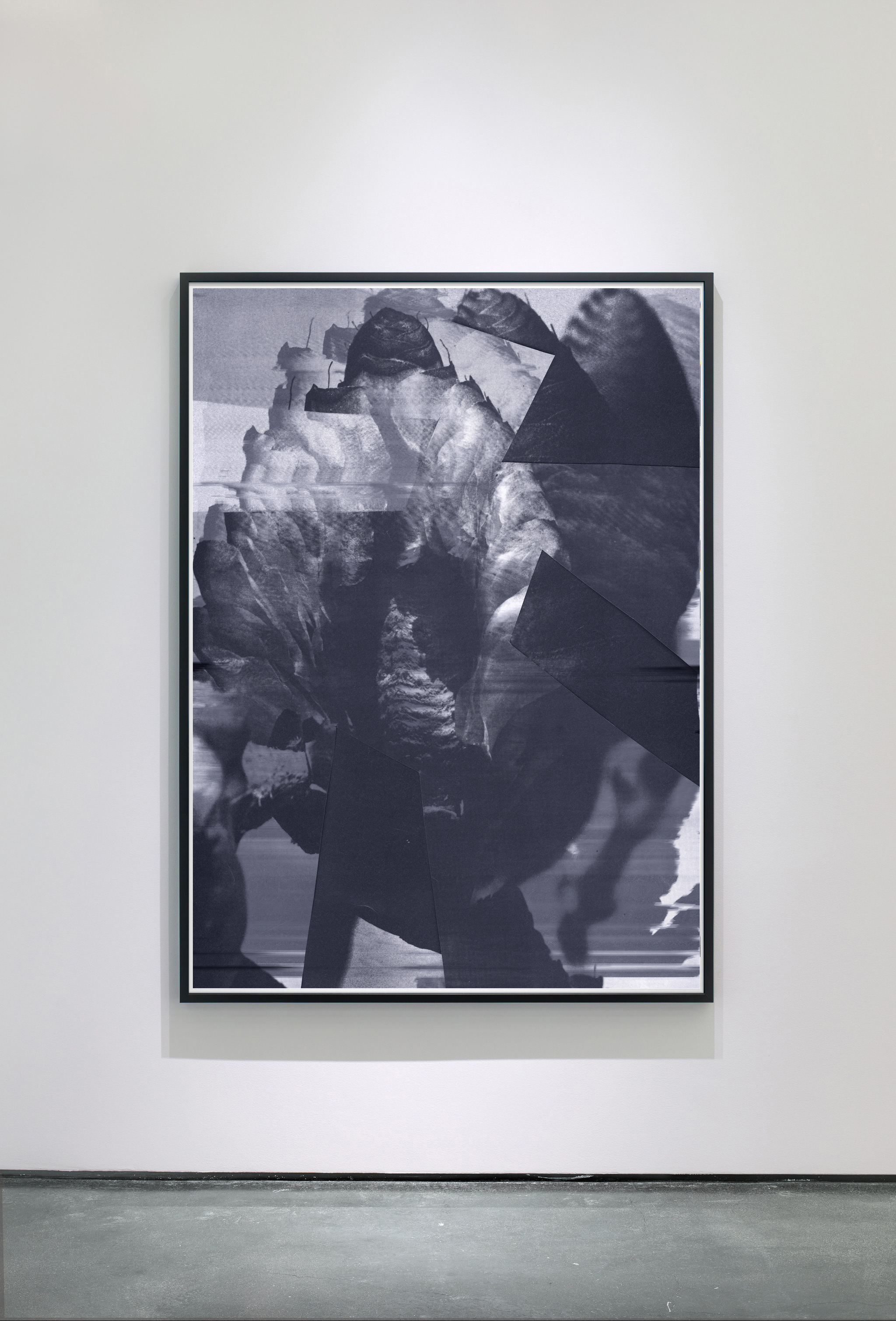


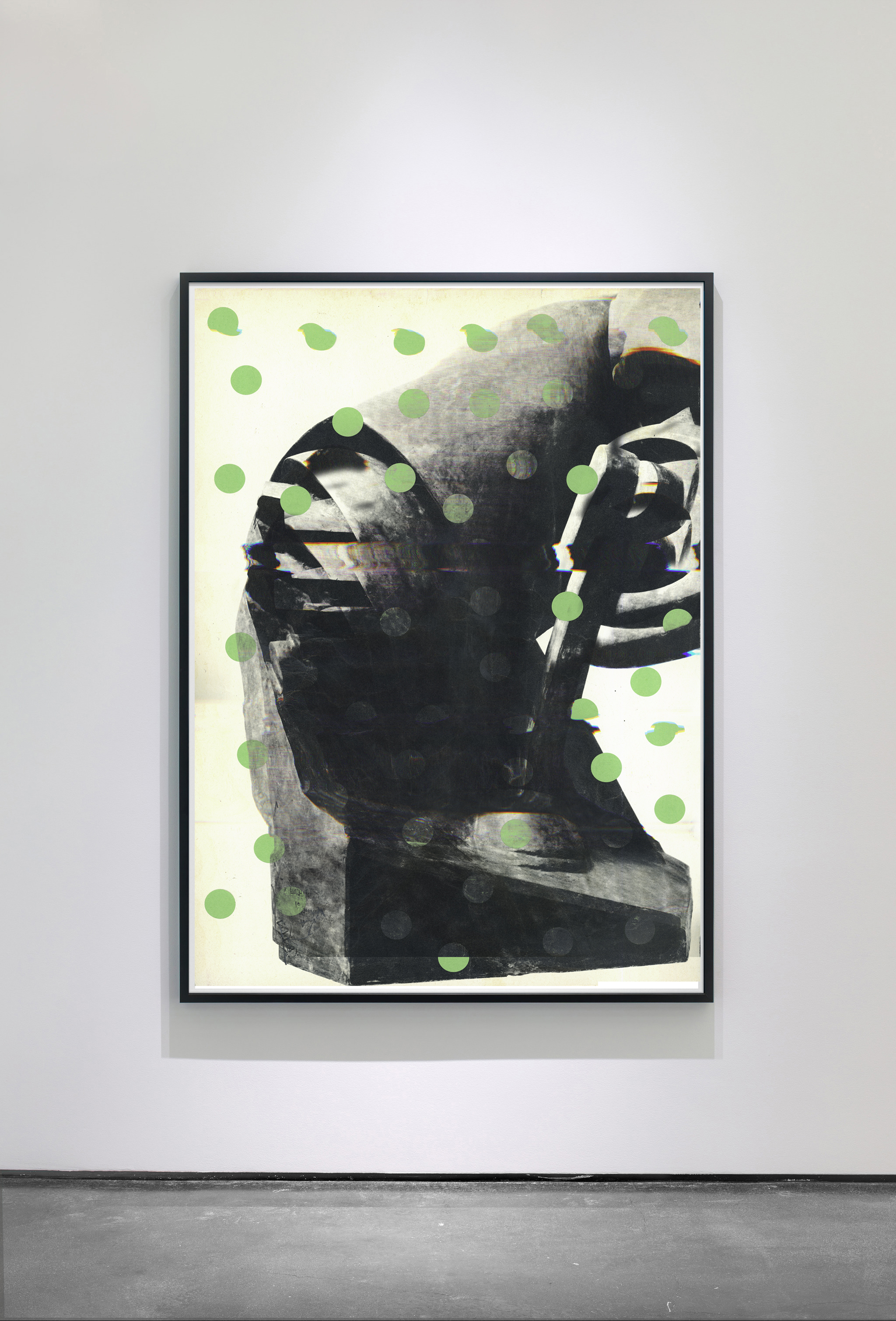


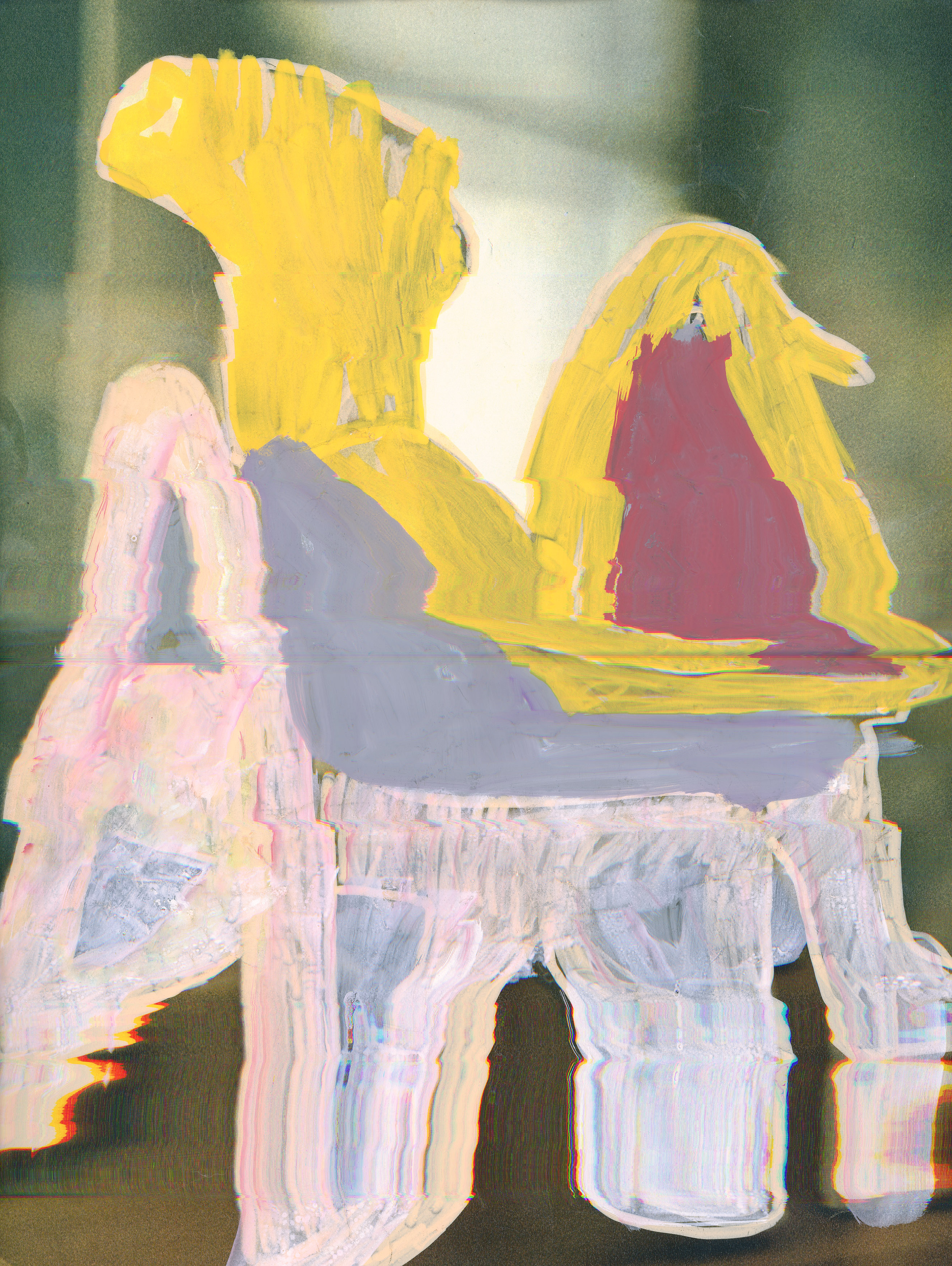
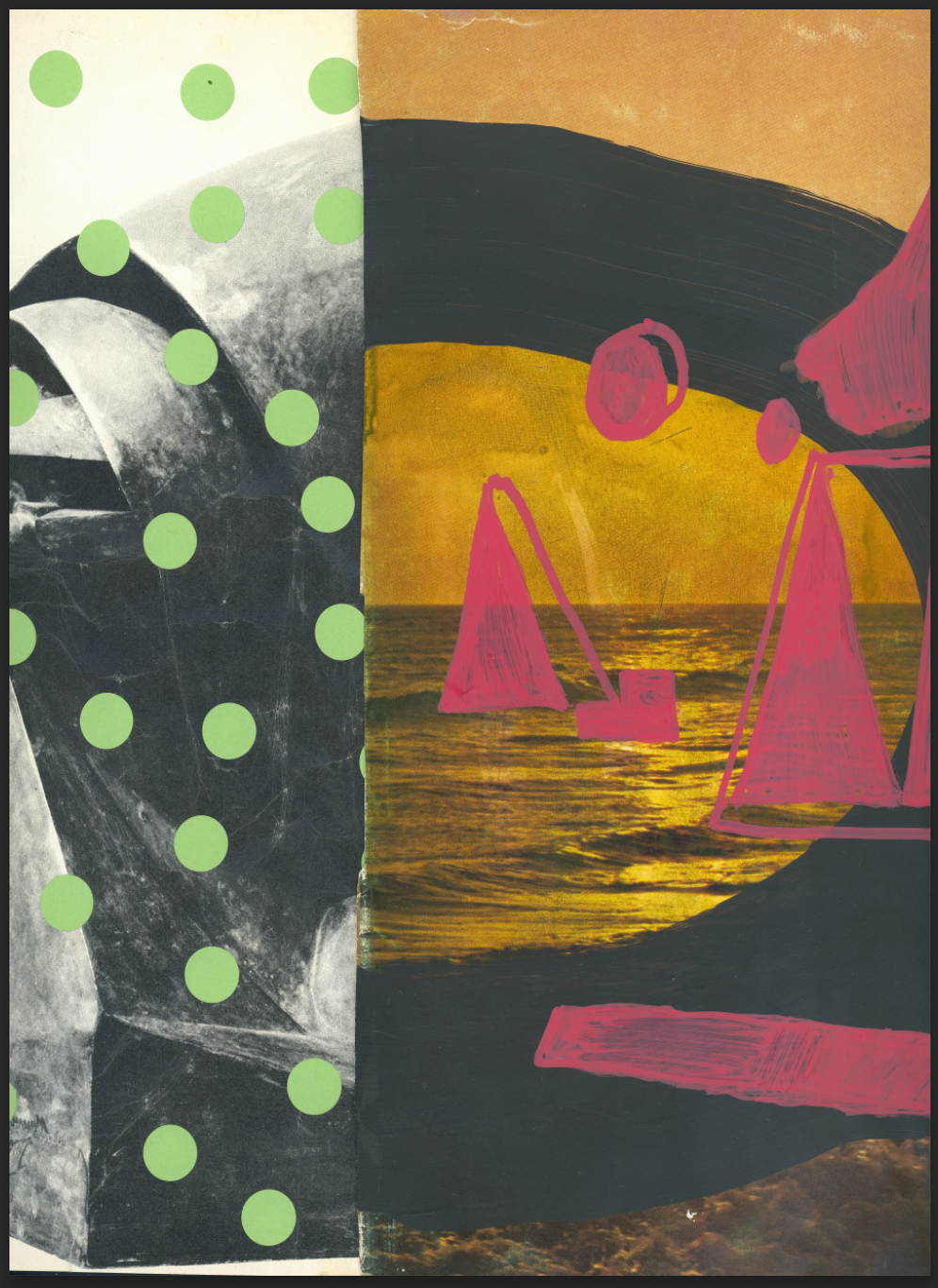


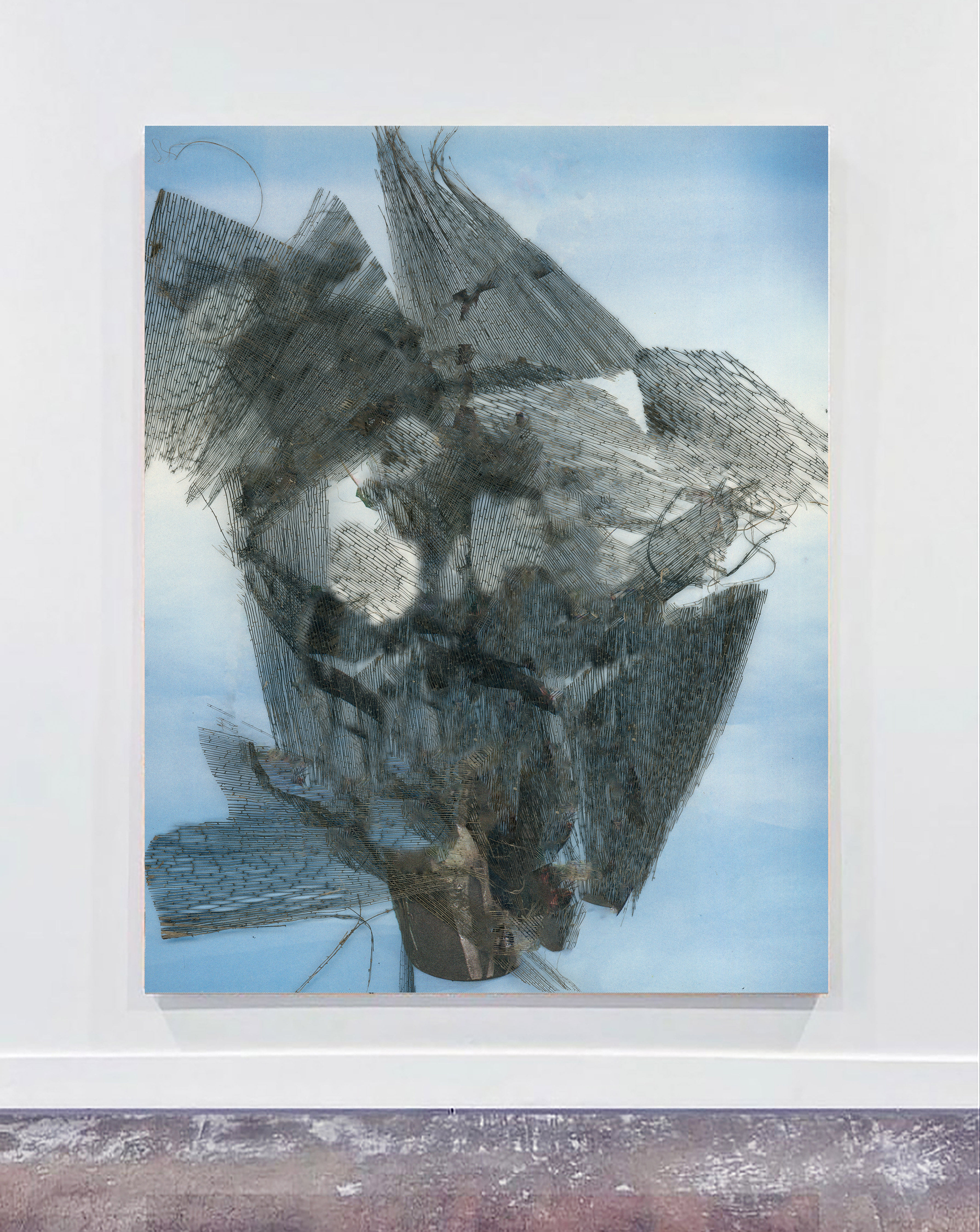
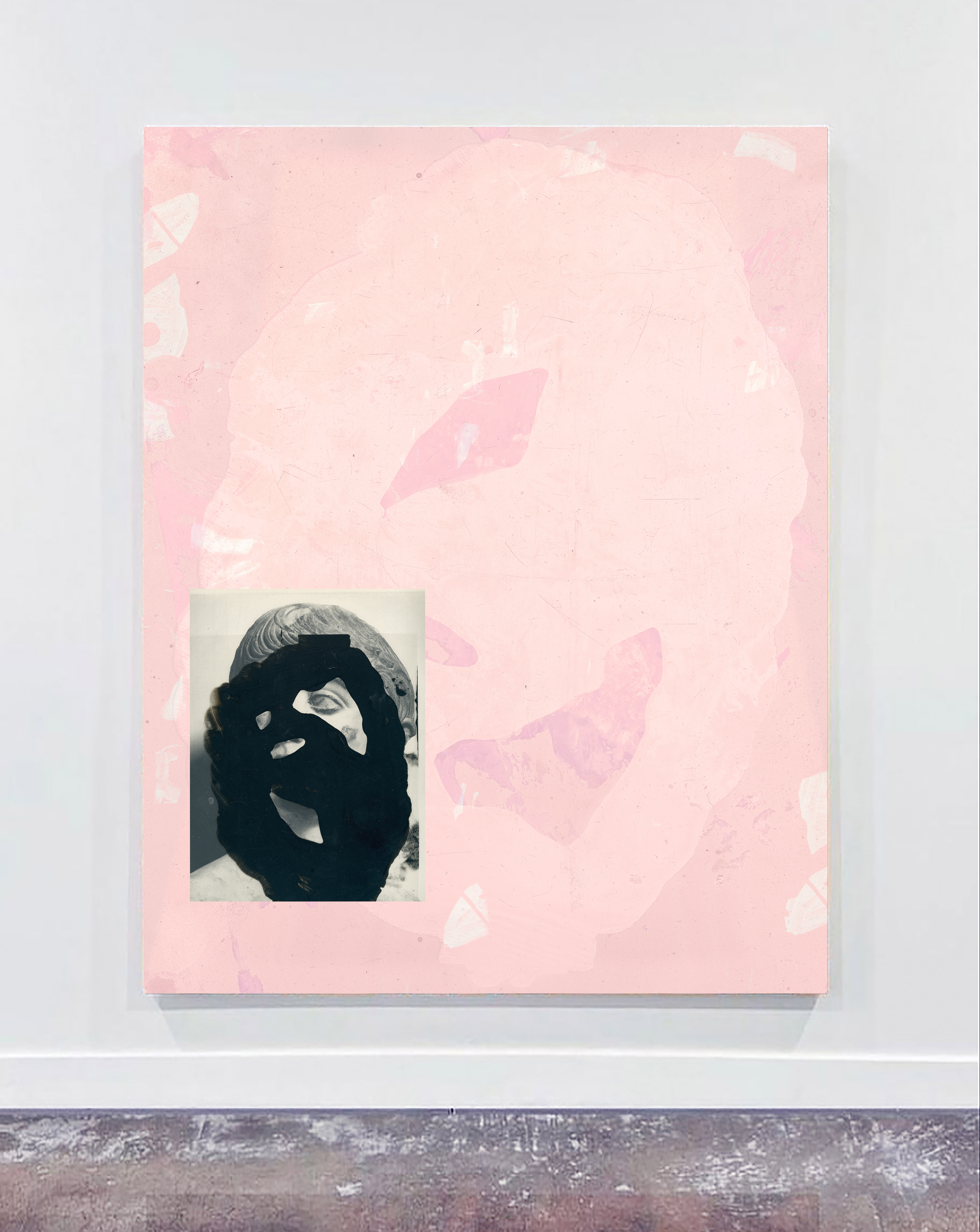
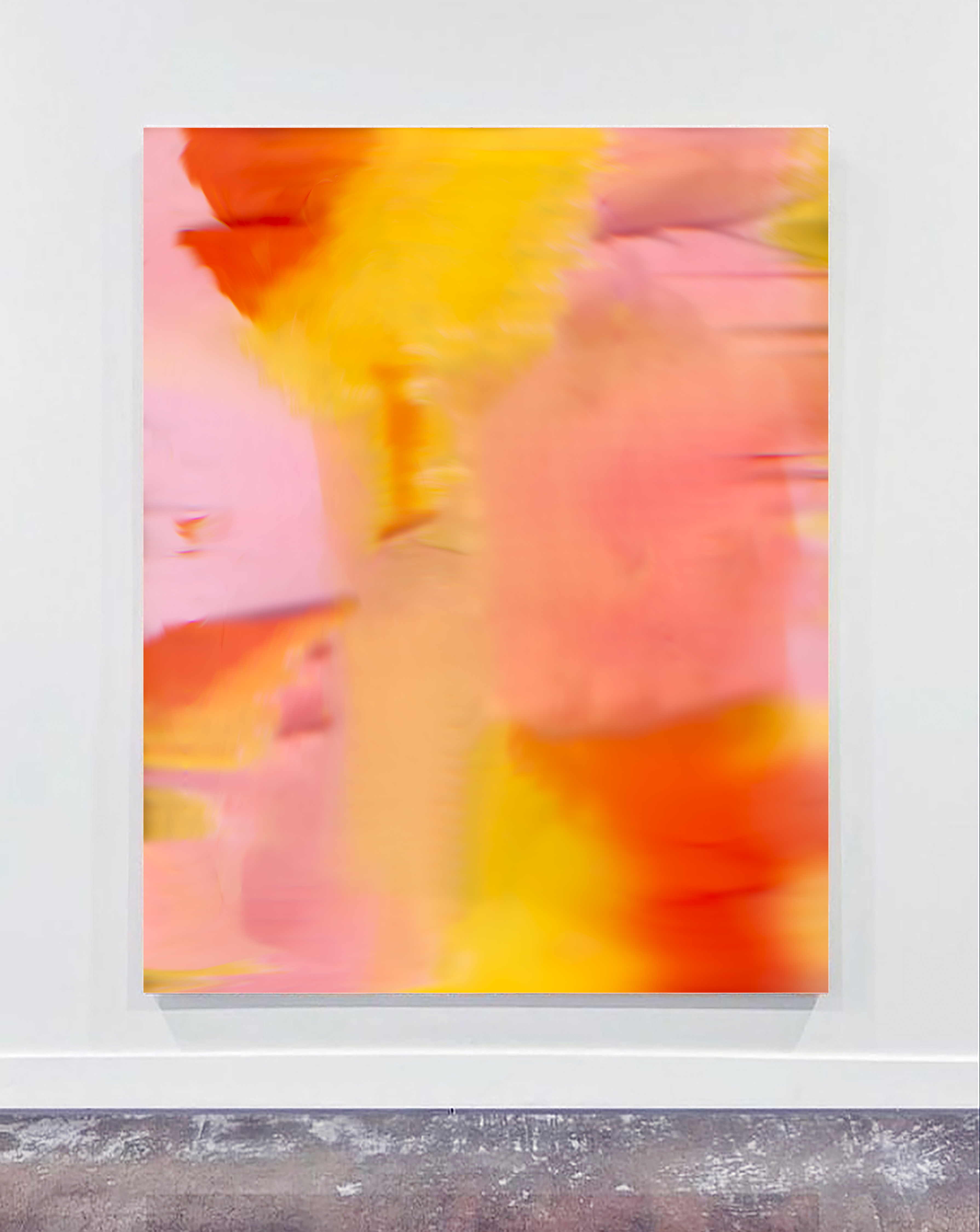


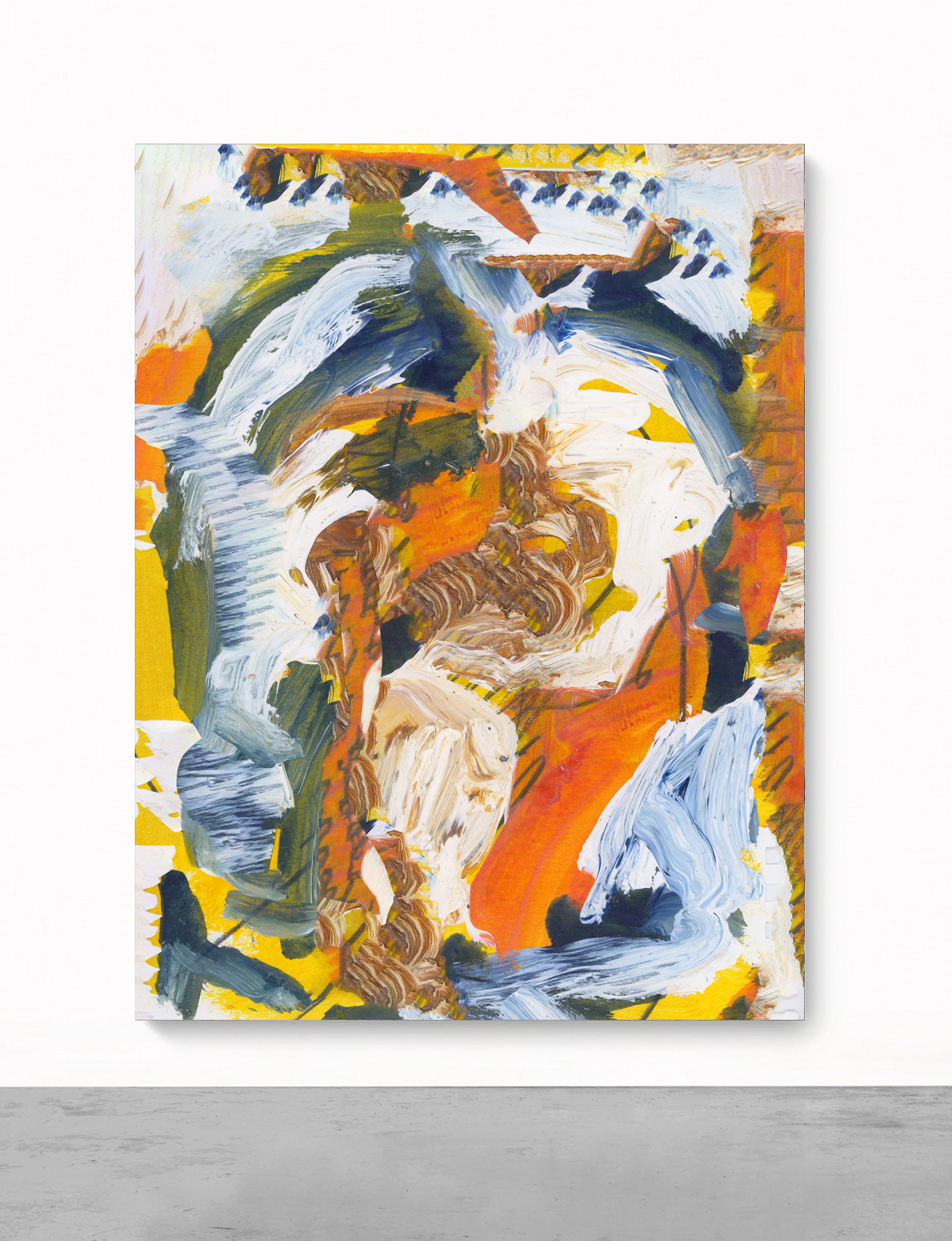
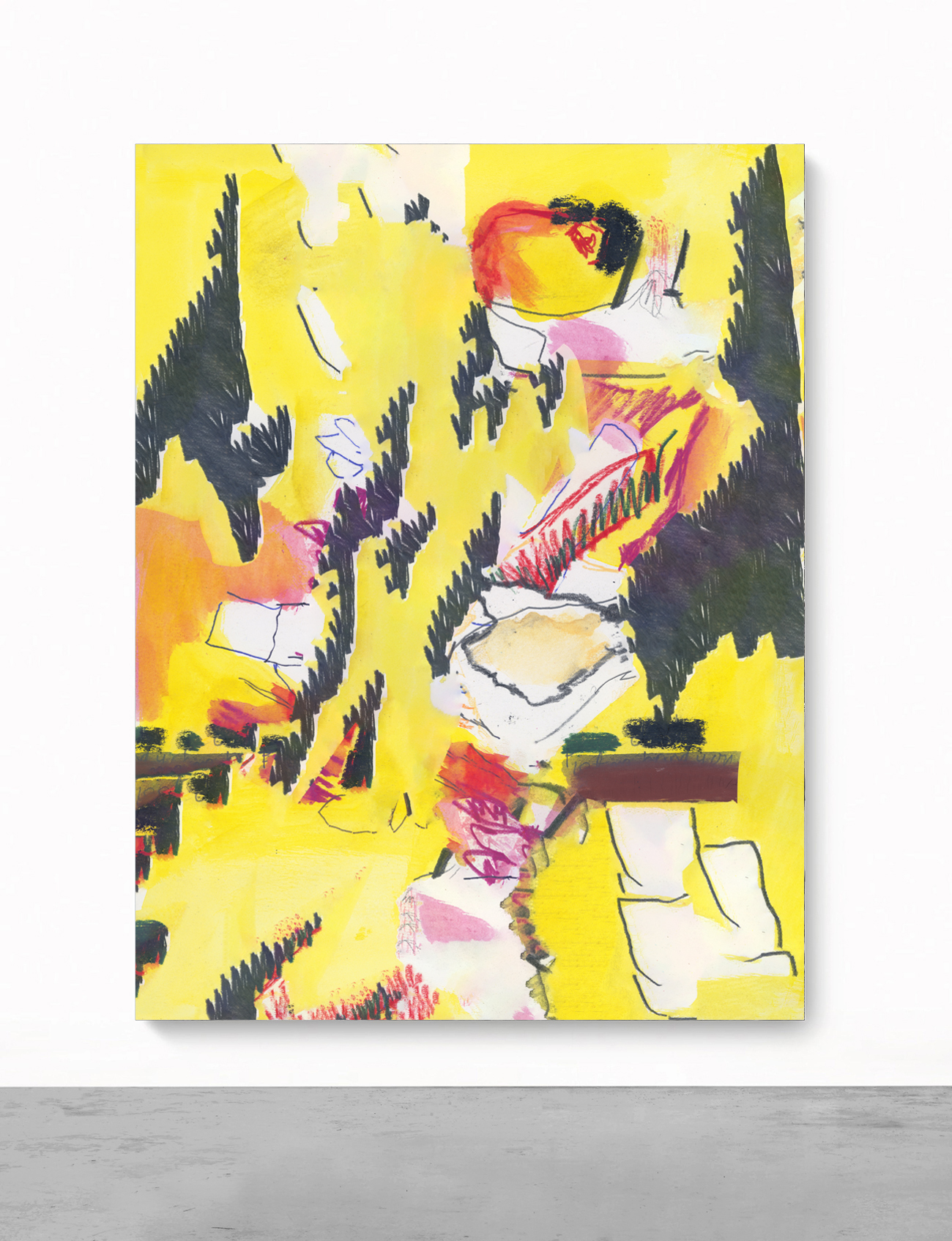
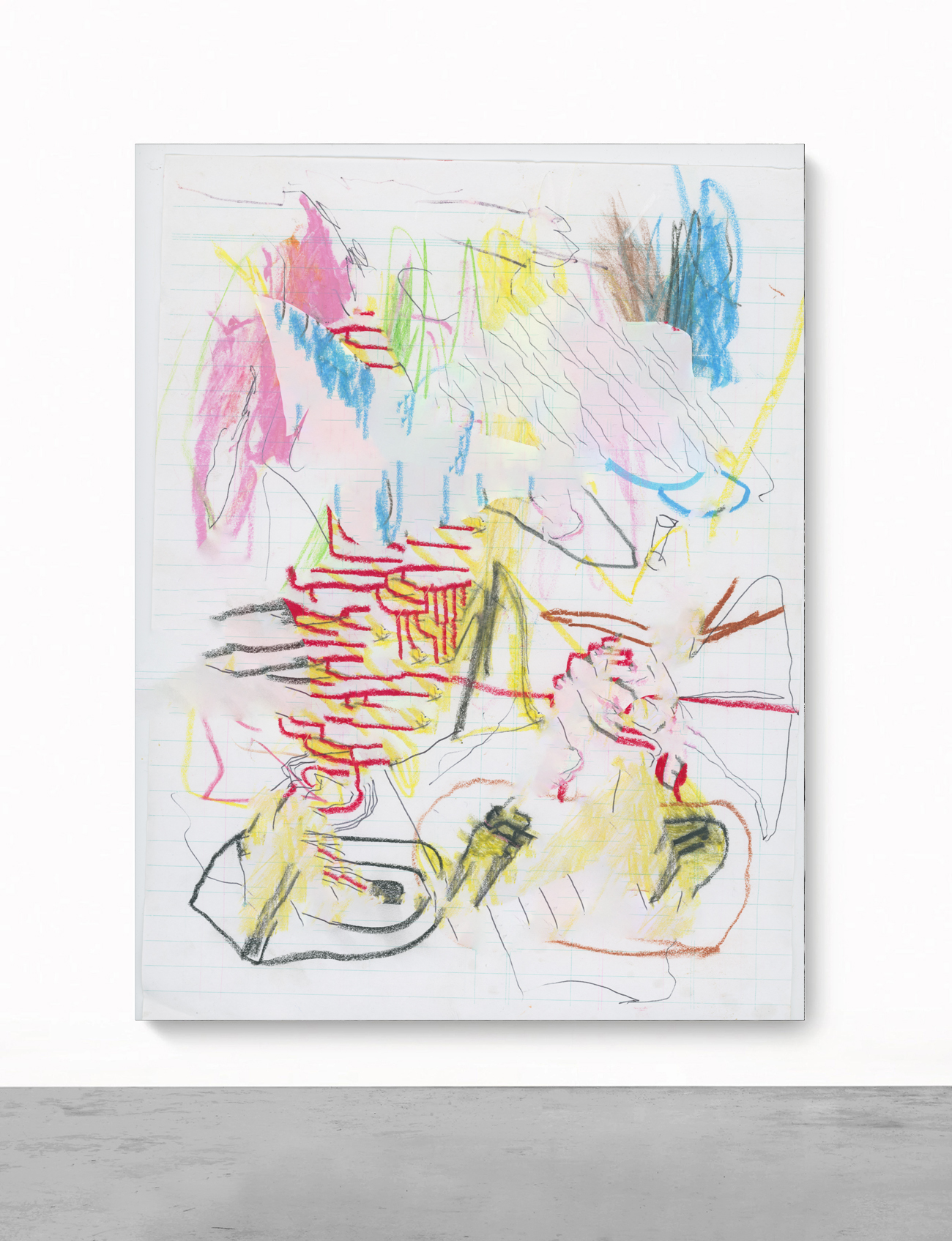


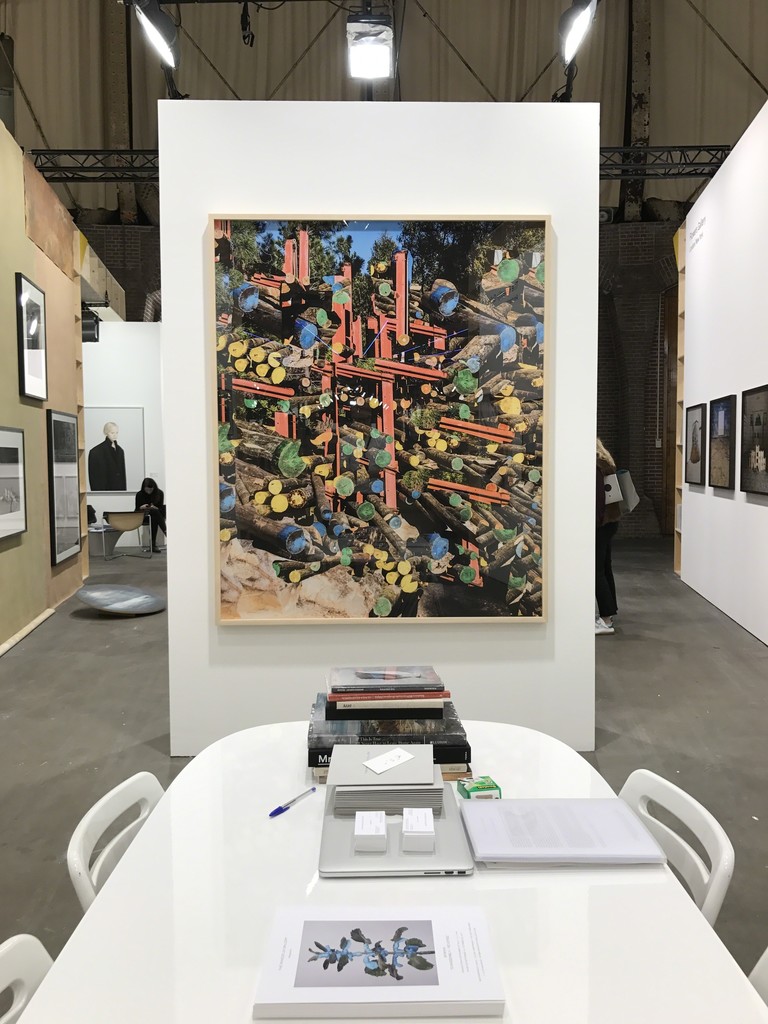
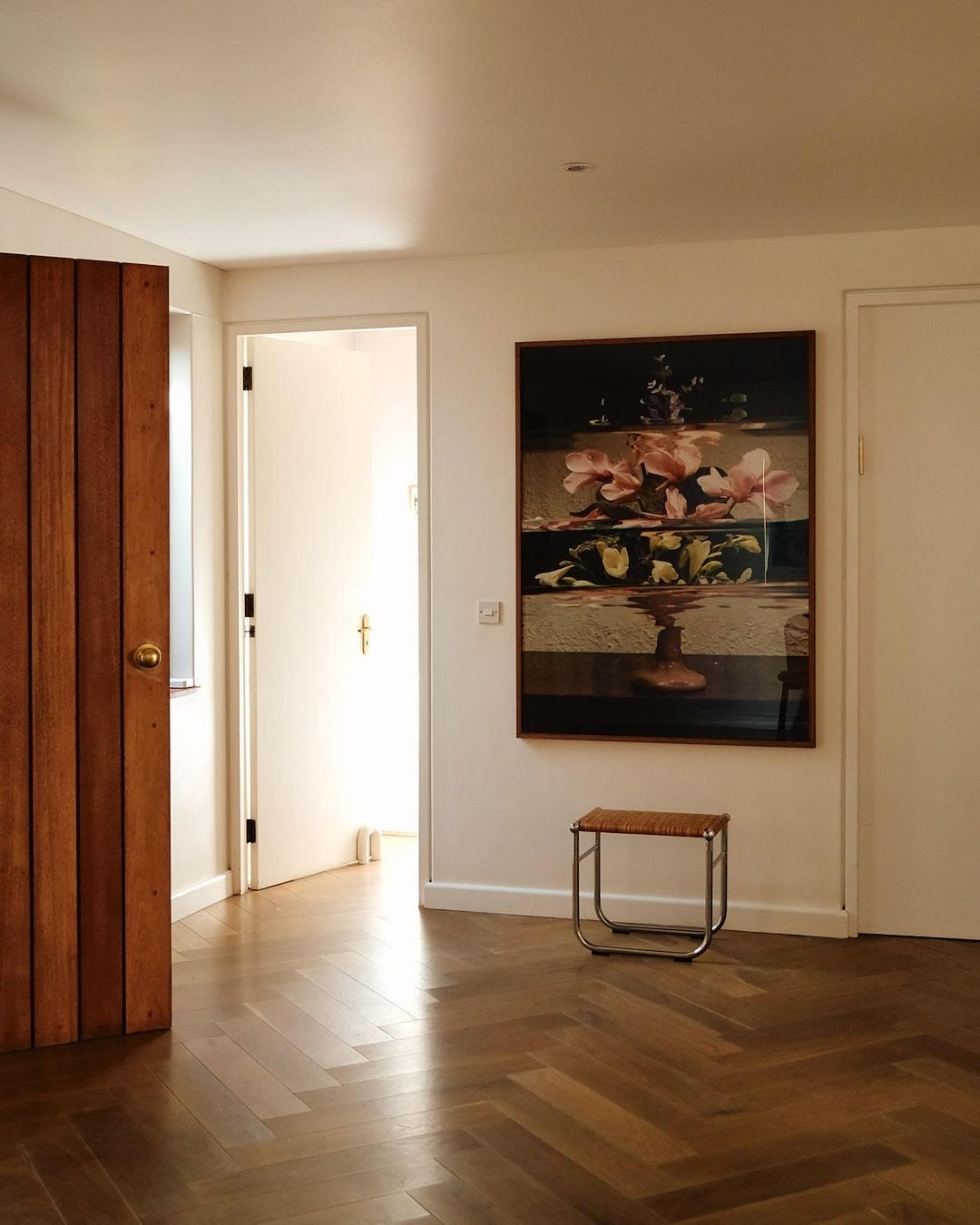


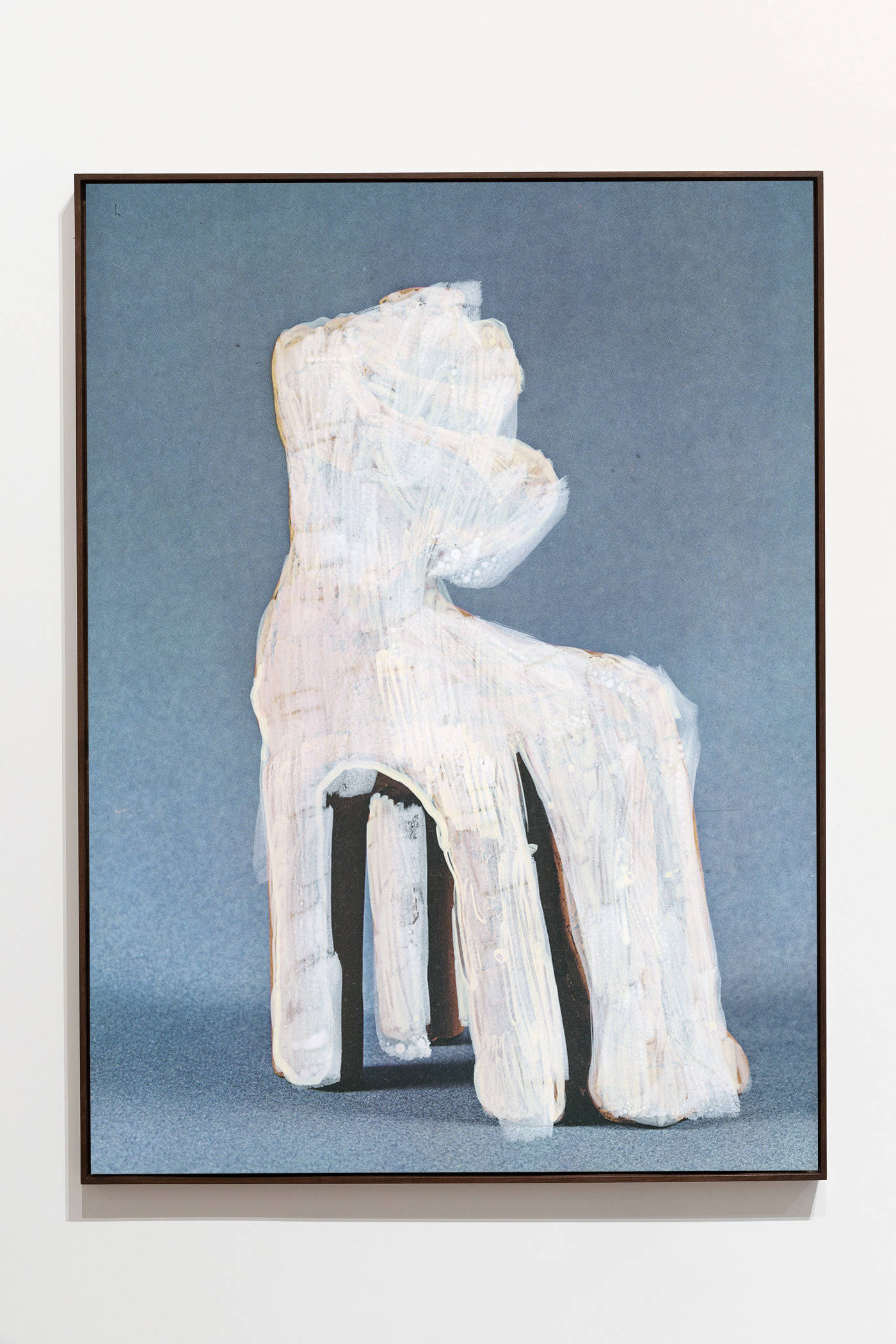

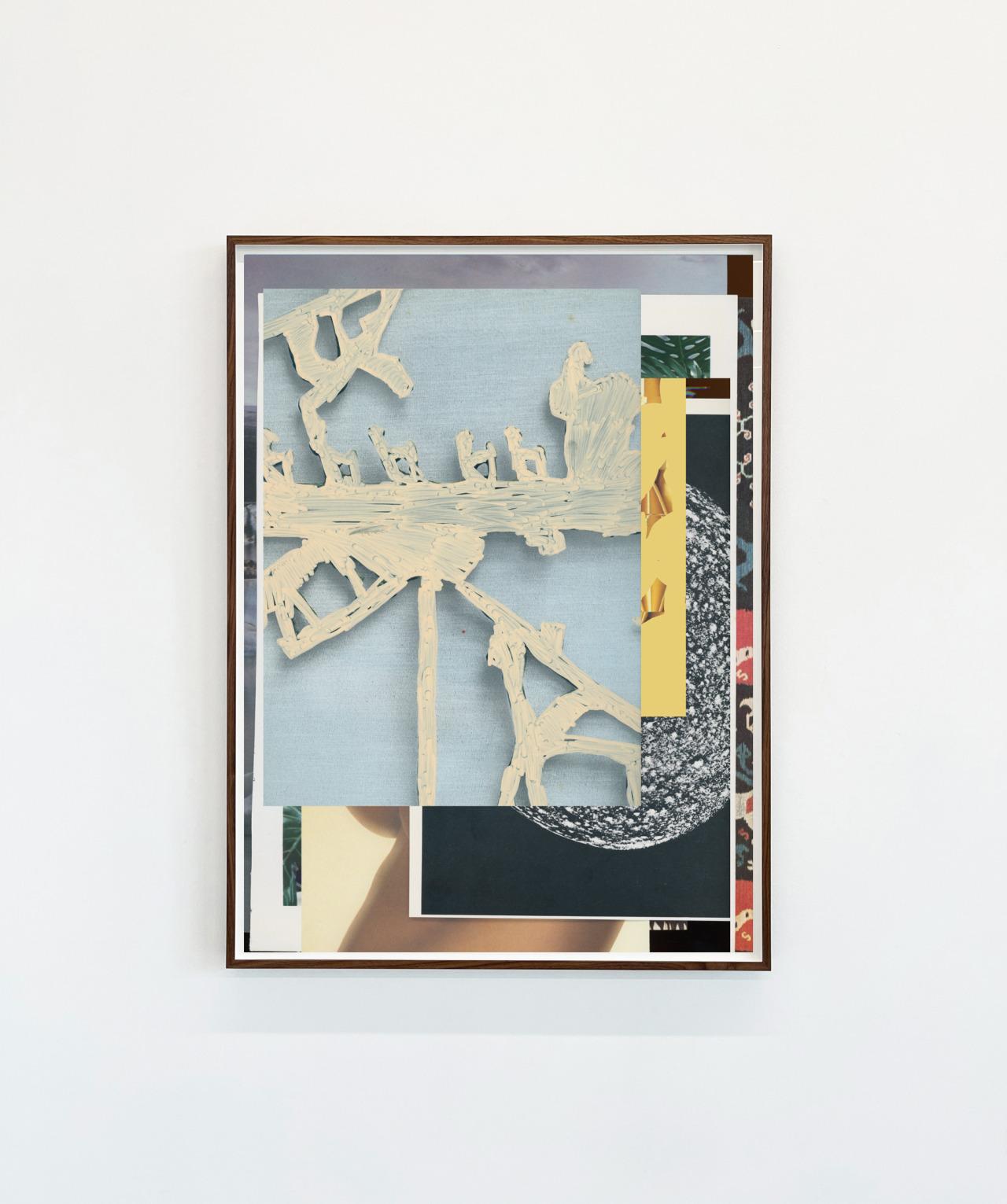
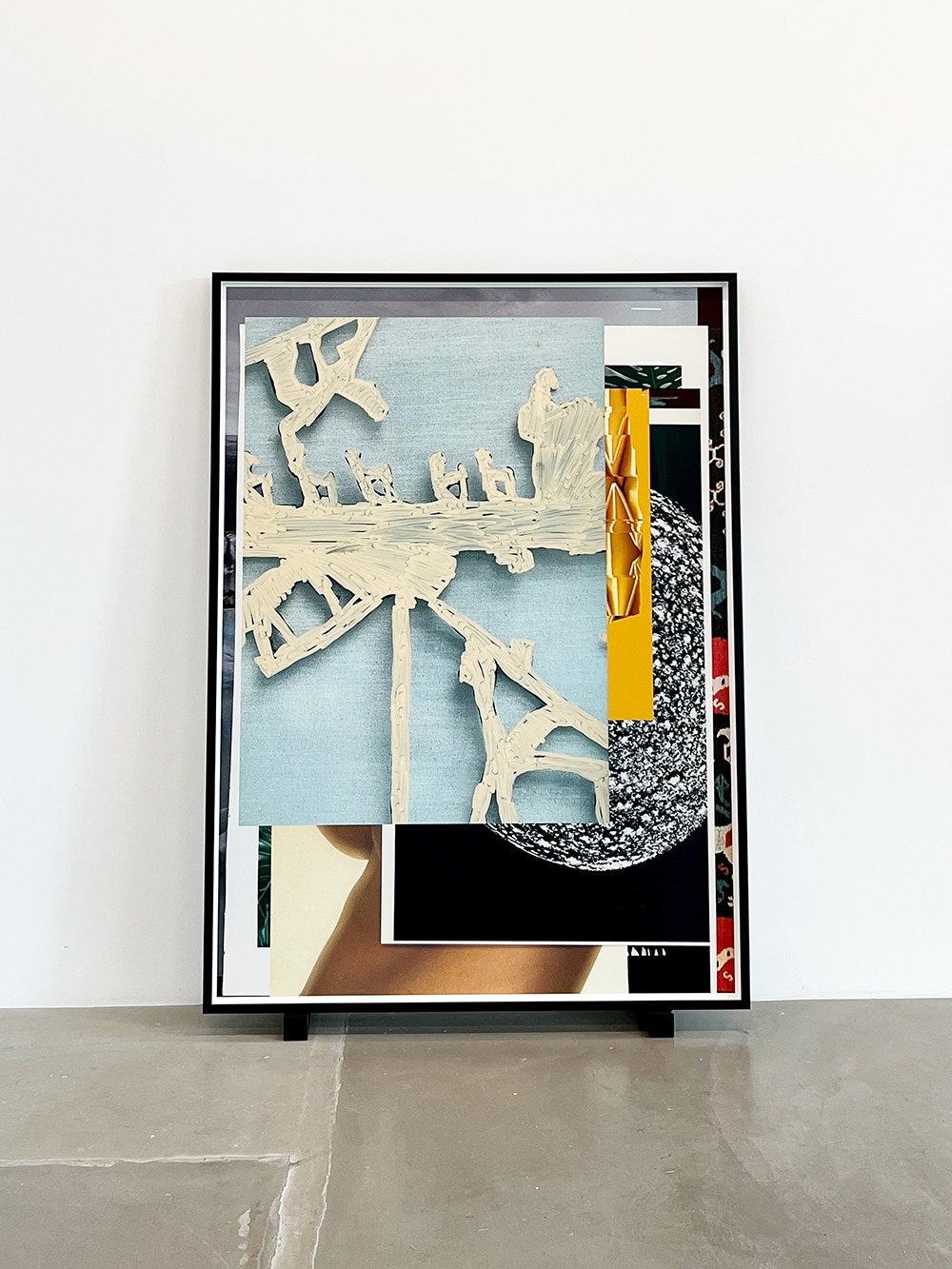

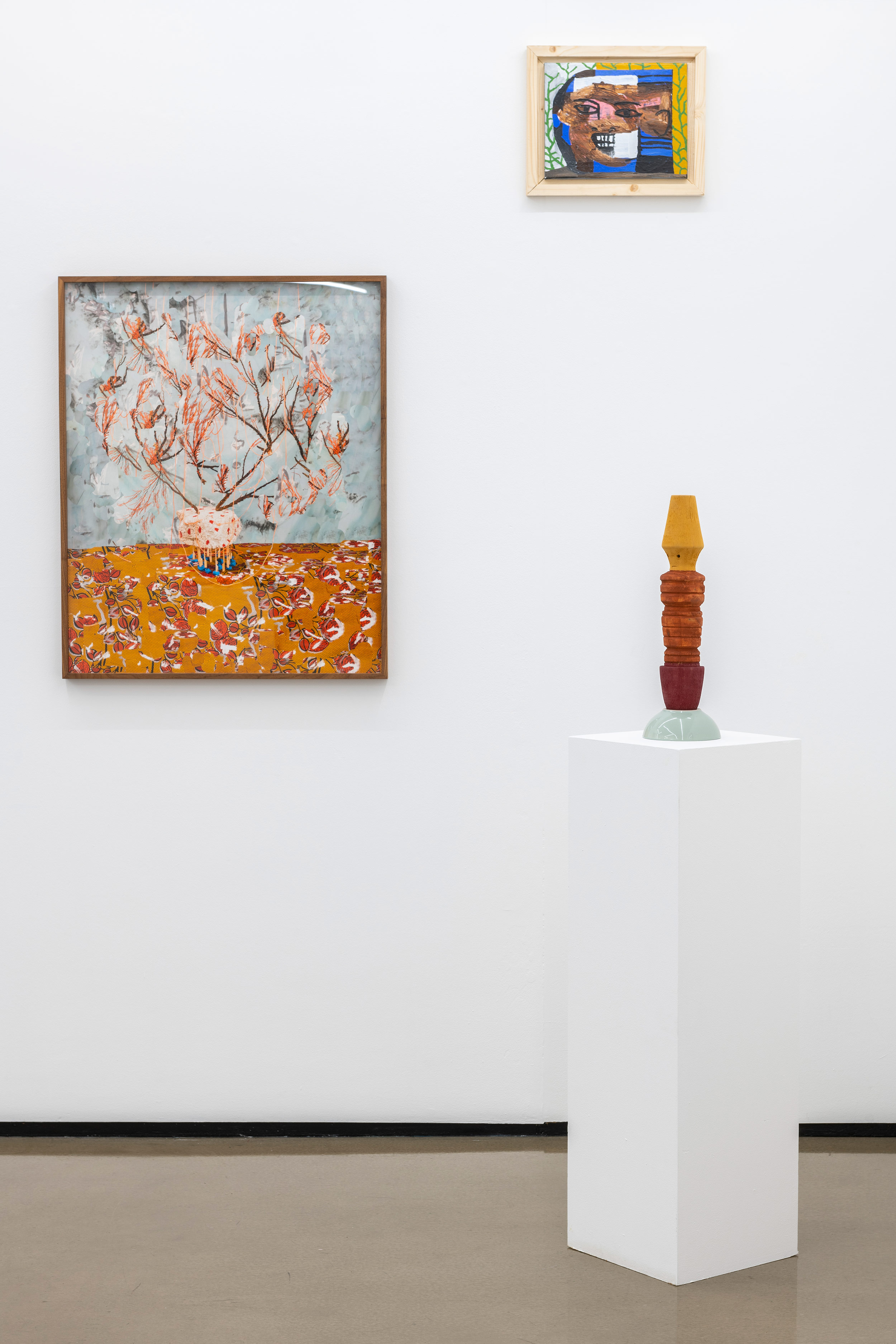


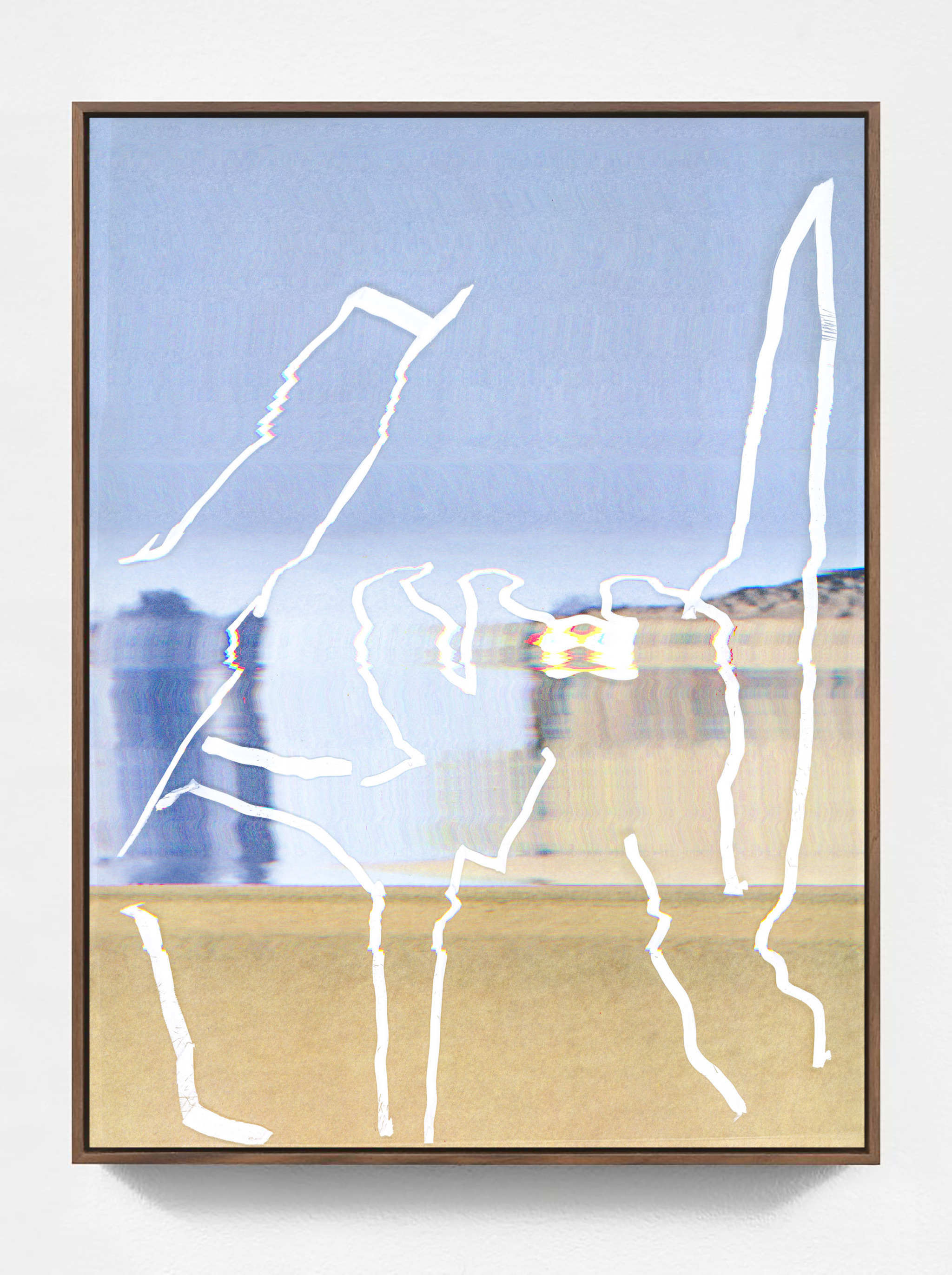


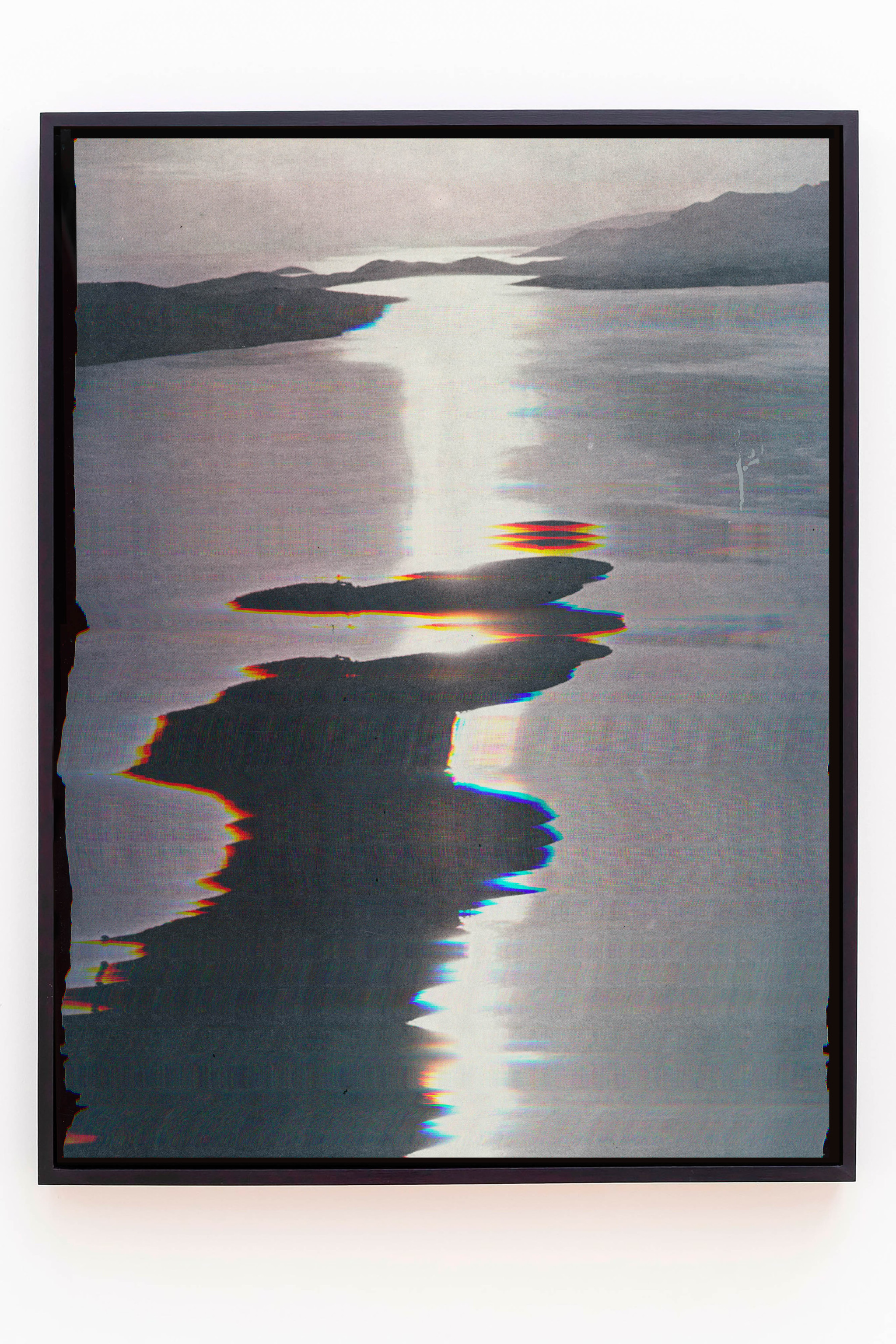
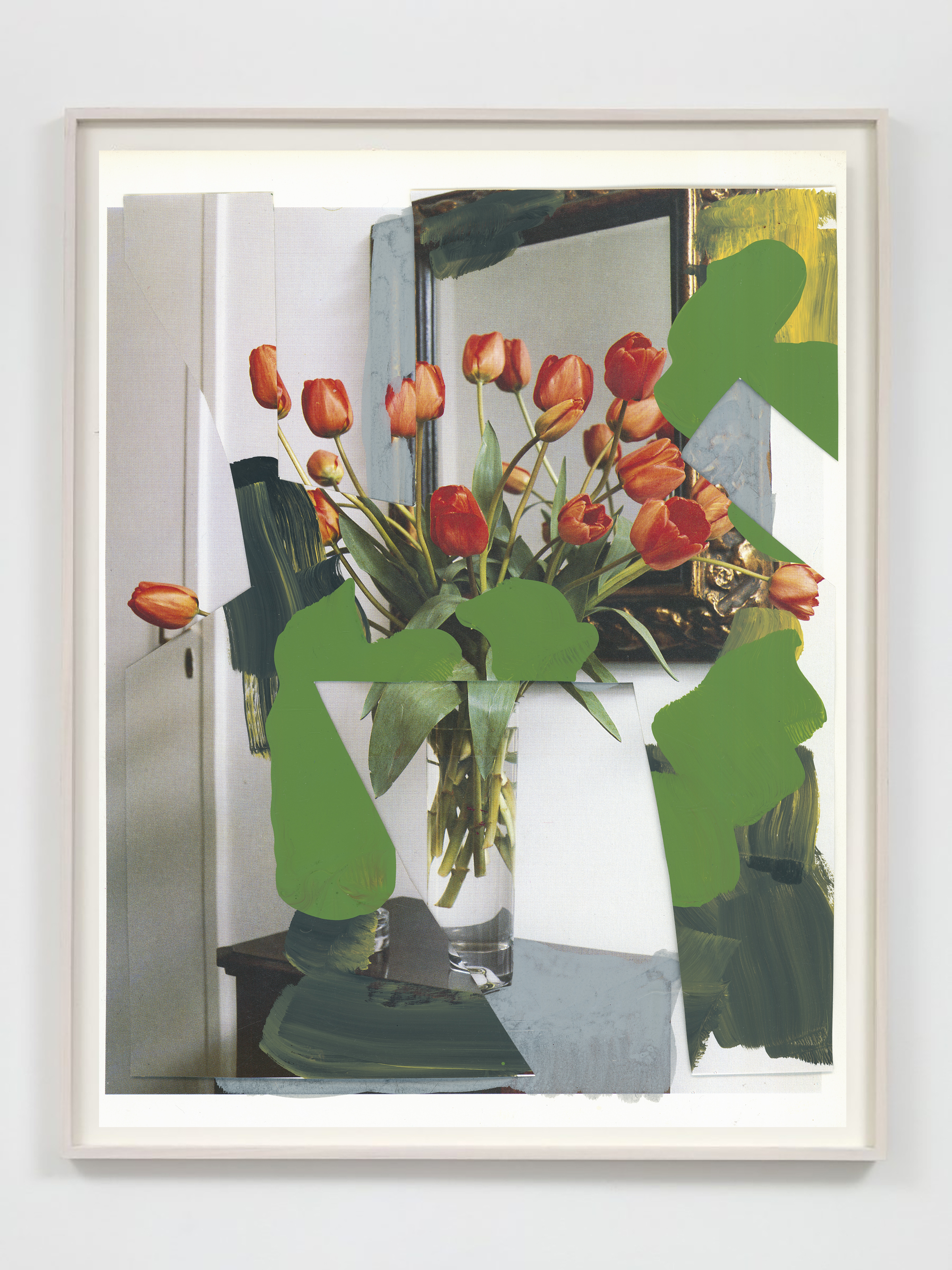
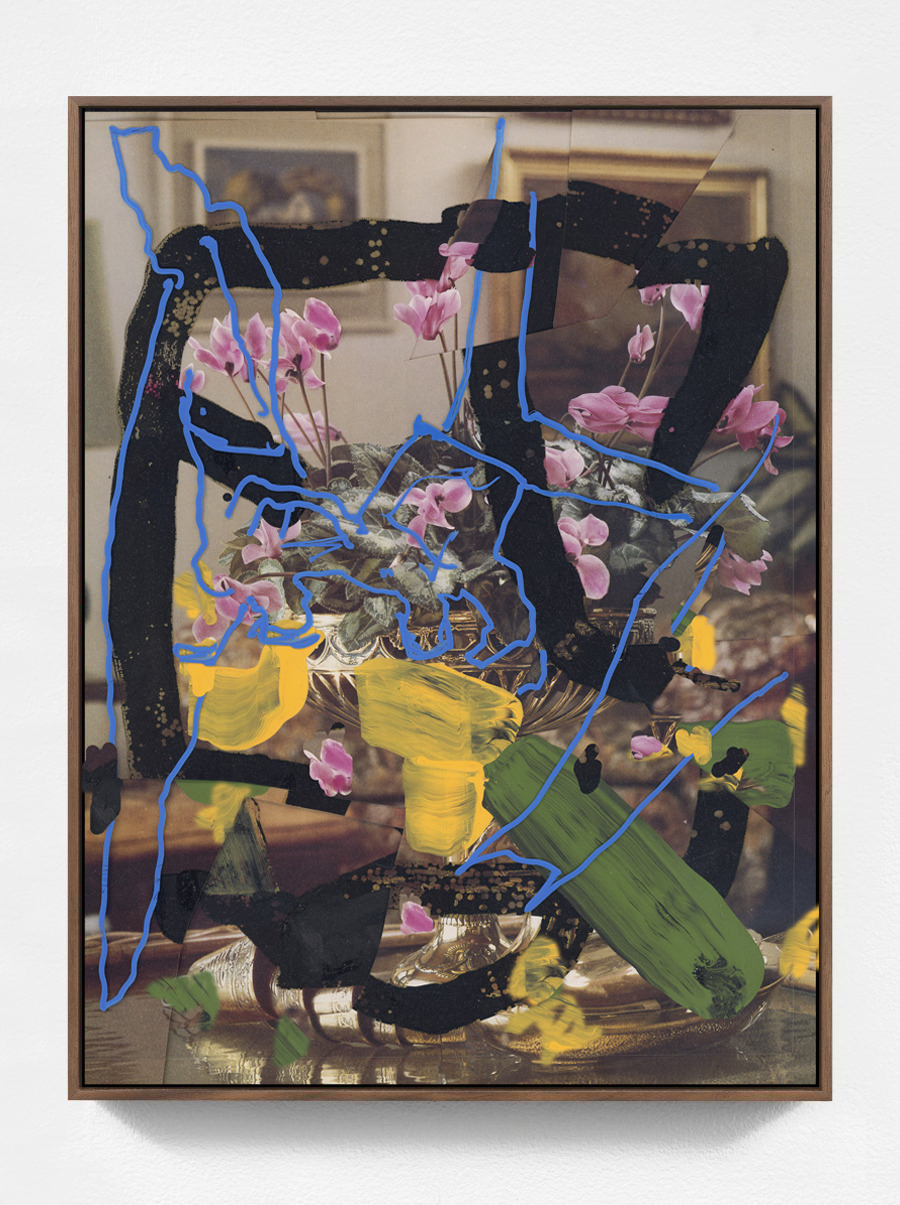
I’m interested in what Keats called negative capability
the ability to remain within uncertainty without forcing an answer
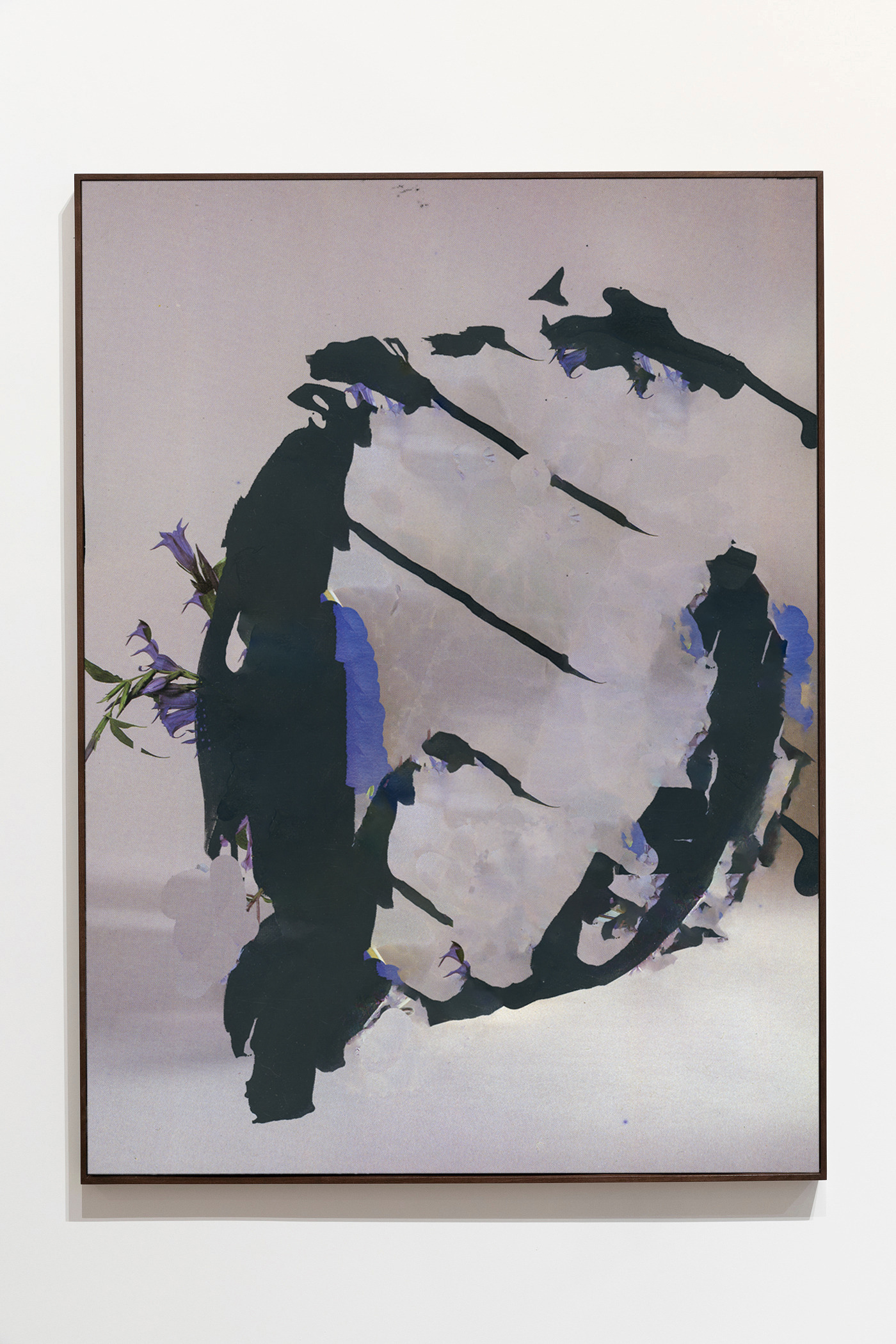
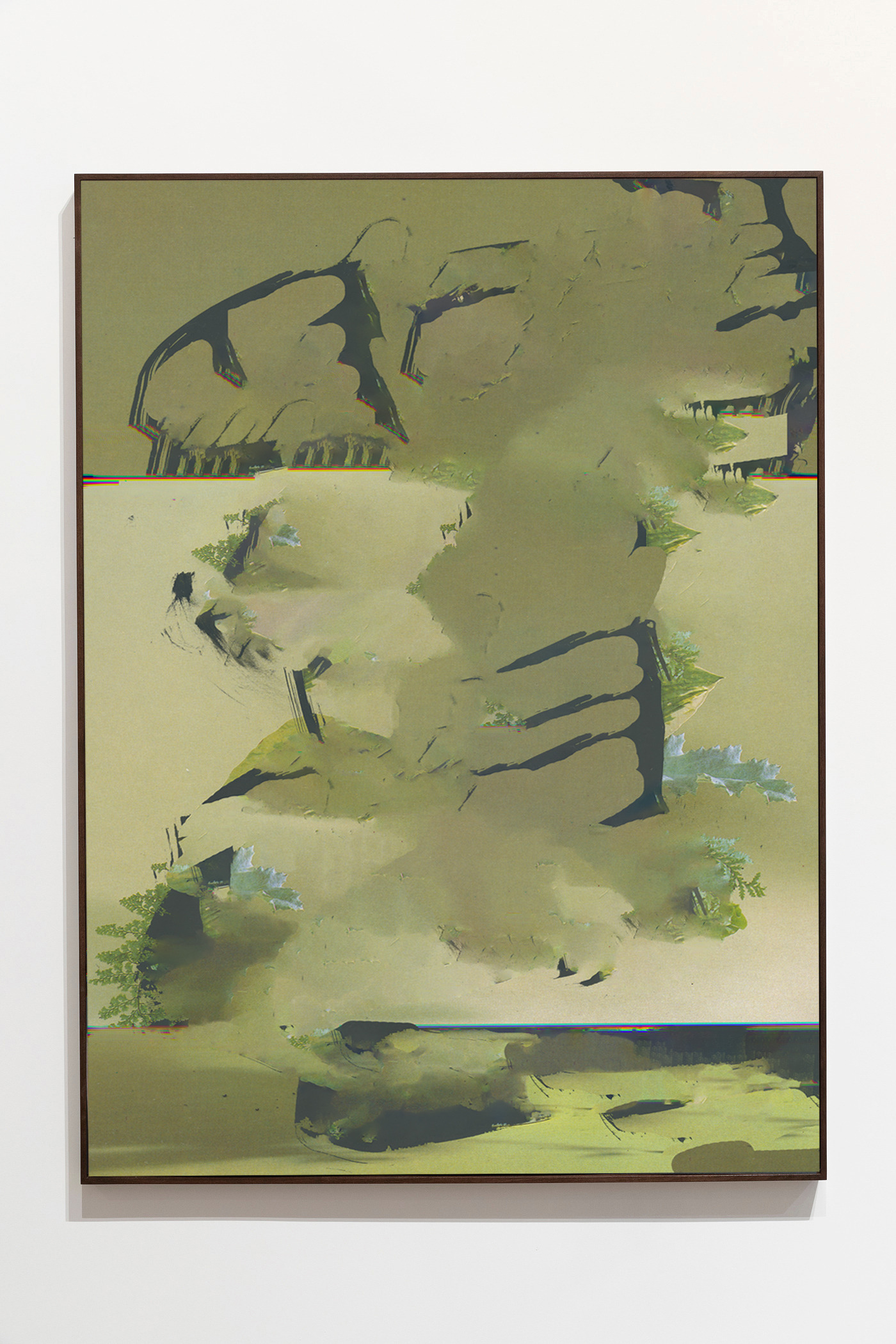
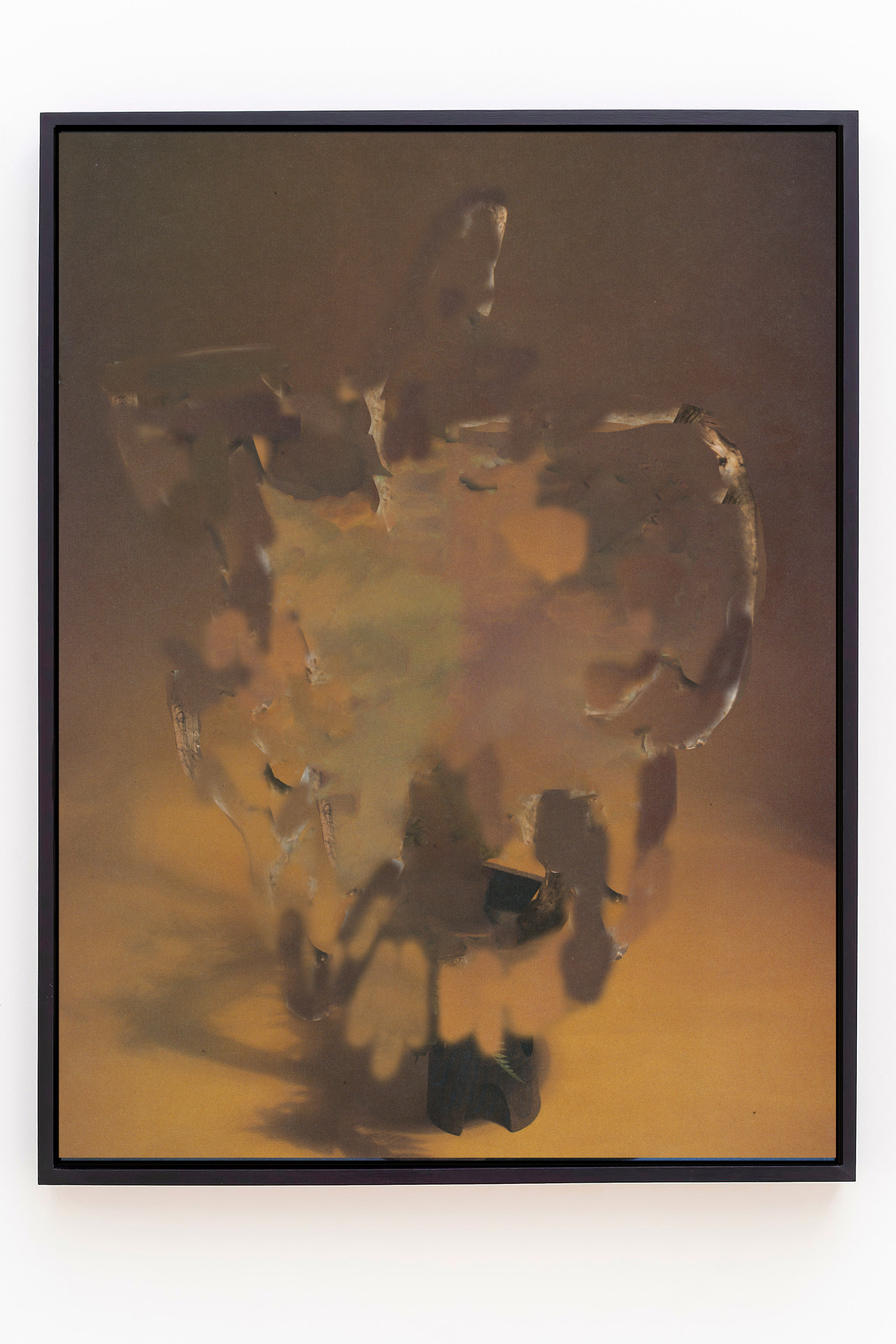
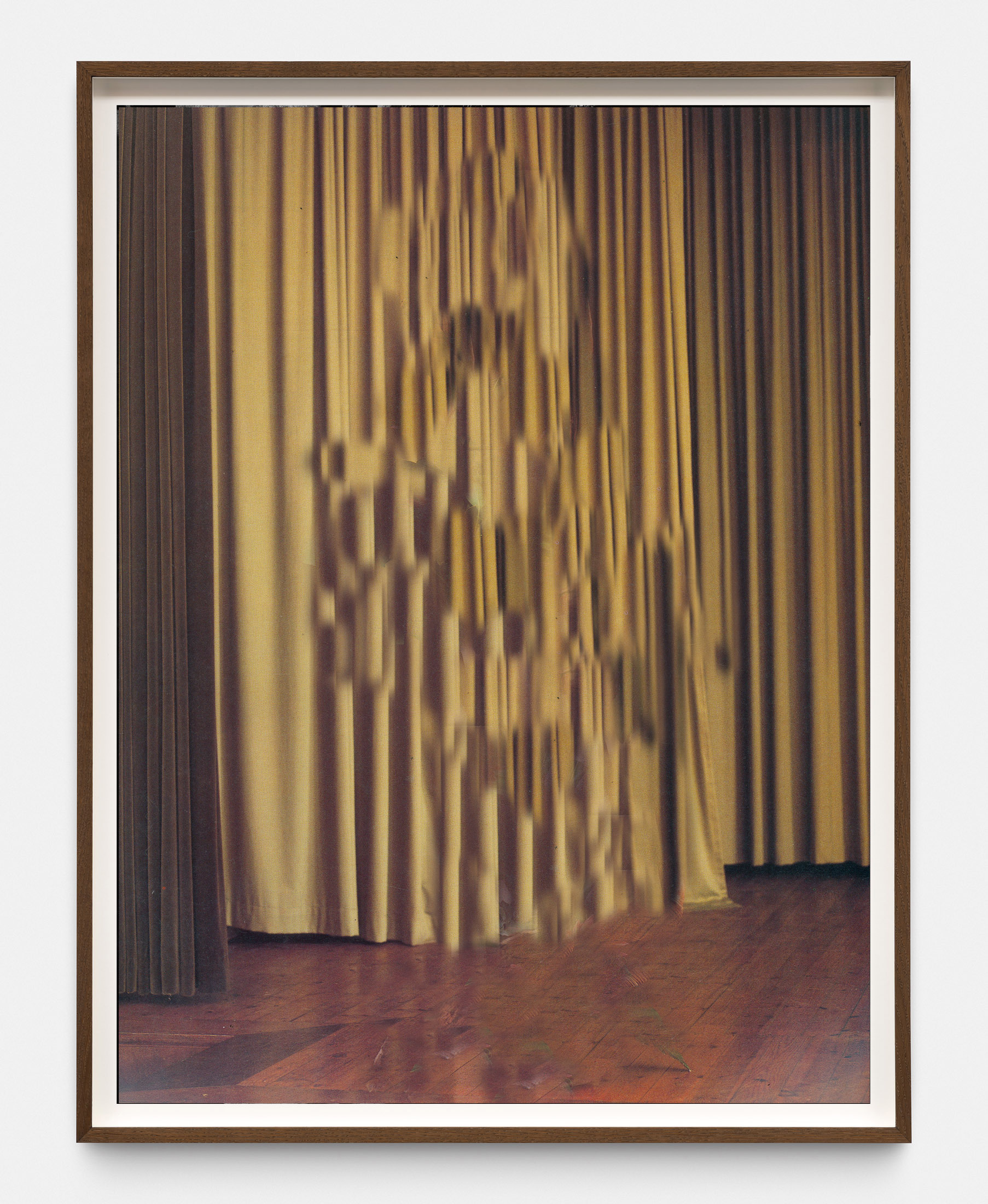
In my work, ambiguity and visual abstraction create a similar space
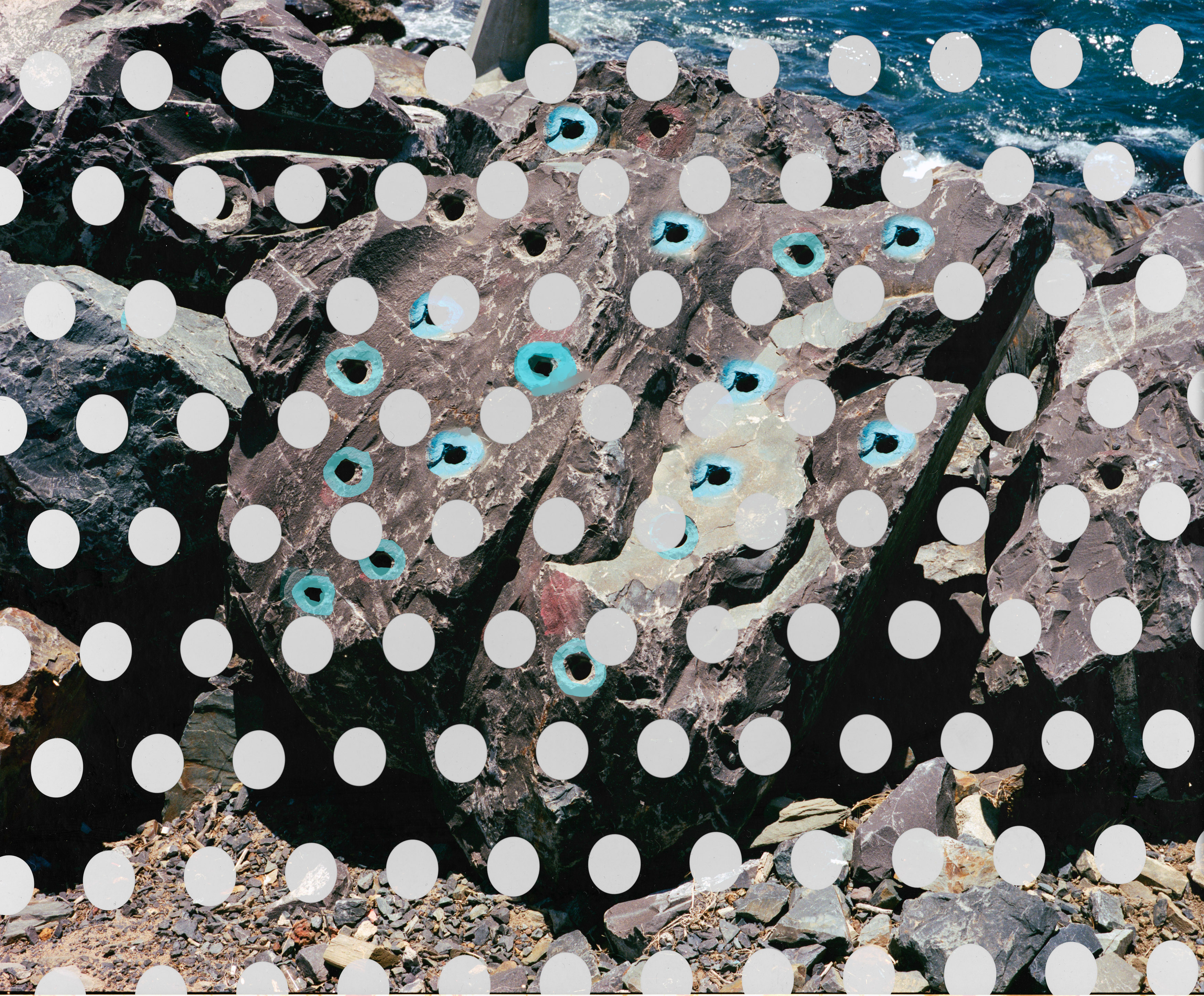
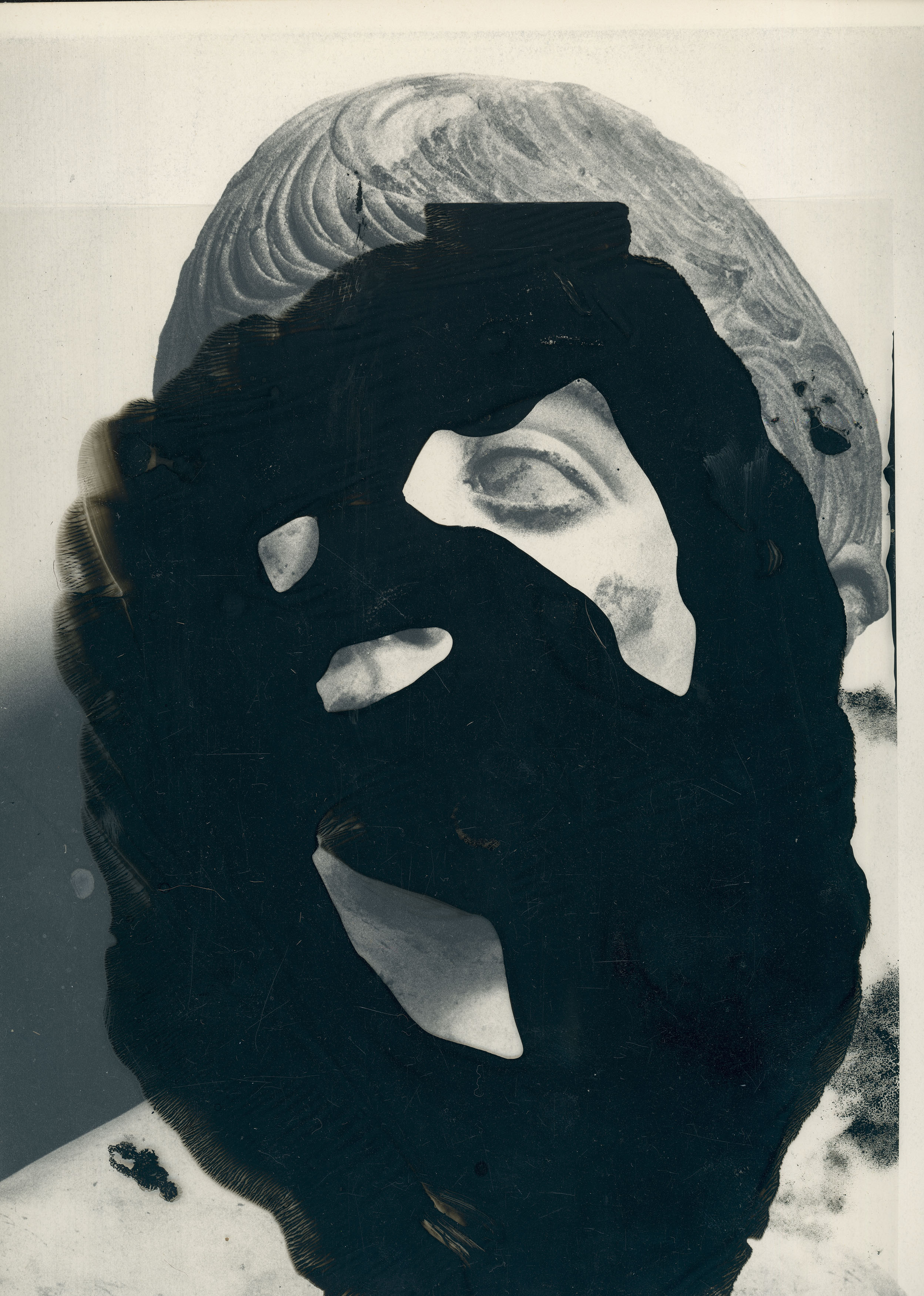
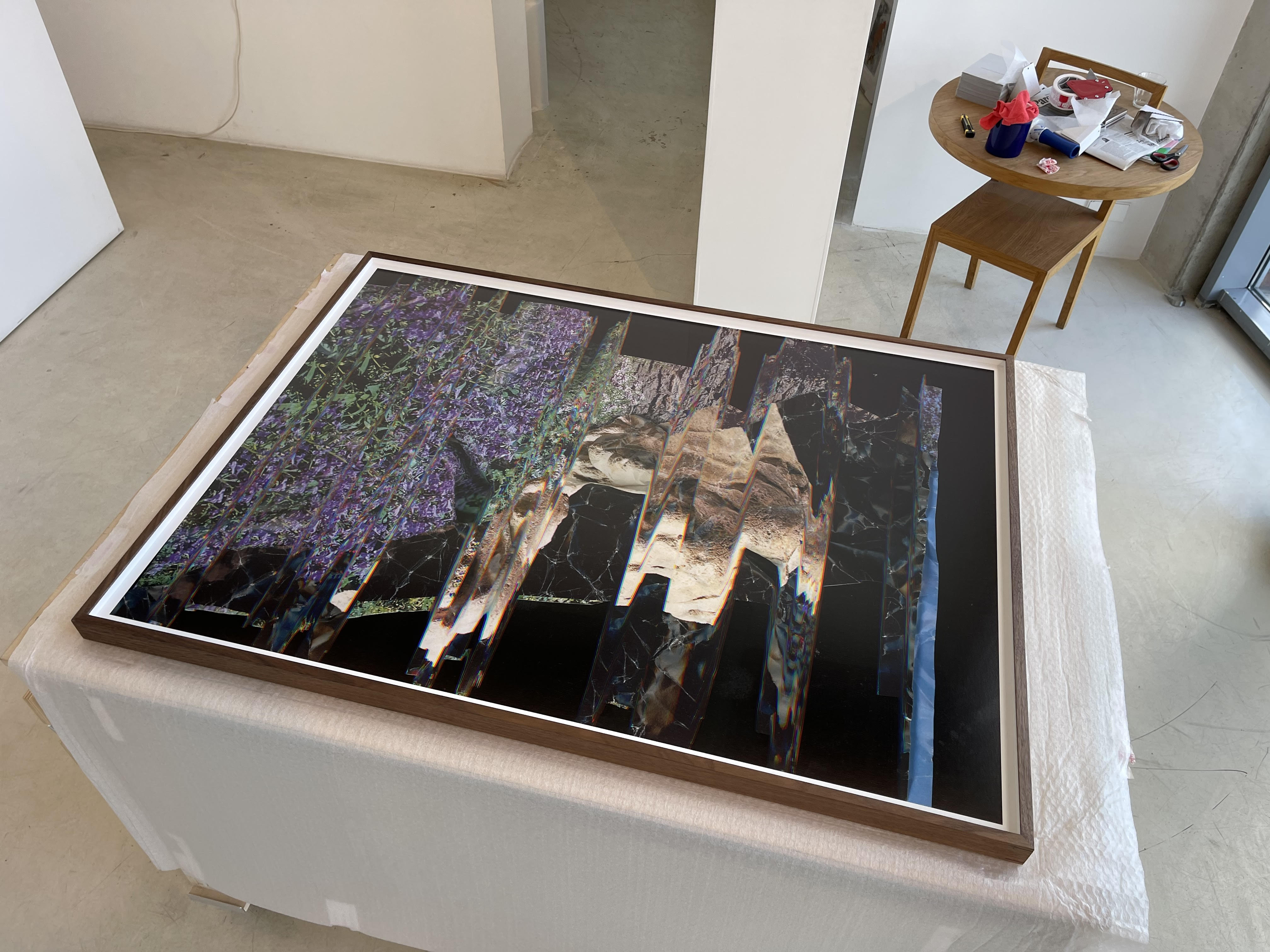
I use intentional imperfections, surface disruption and incomplete information
to resist a fixed reading of an image
Meaning can then move through associations rather than arriving as a single conclusion
An image might suggest one thing, then become something else when placed against another image
I’m interested in that instability, where uncertainty doesn’t weaken meaning, but pushes it deeper
the ability to remain within uncertainty without forcing an answer
In my work, ambiguity and visual abstraction create a similar space
I use intentional imperfections, surface disruption and incomplete information
to resist a fixed reading of an image
Meaning can then move through associations rather than arriving as a single conclusion
An image might suggest one thing, then become something else when placed against another image
I’m interested in that instability, where uncertainty doesn’t weaken meaning, but pushes it deeper
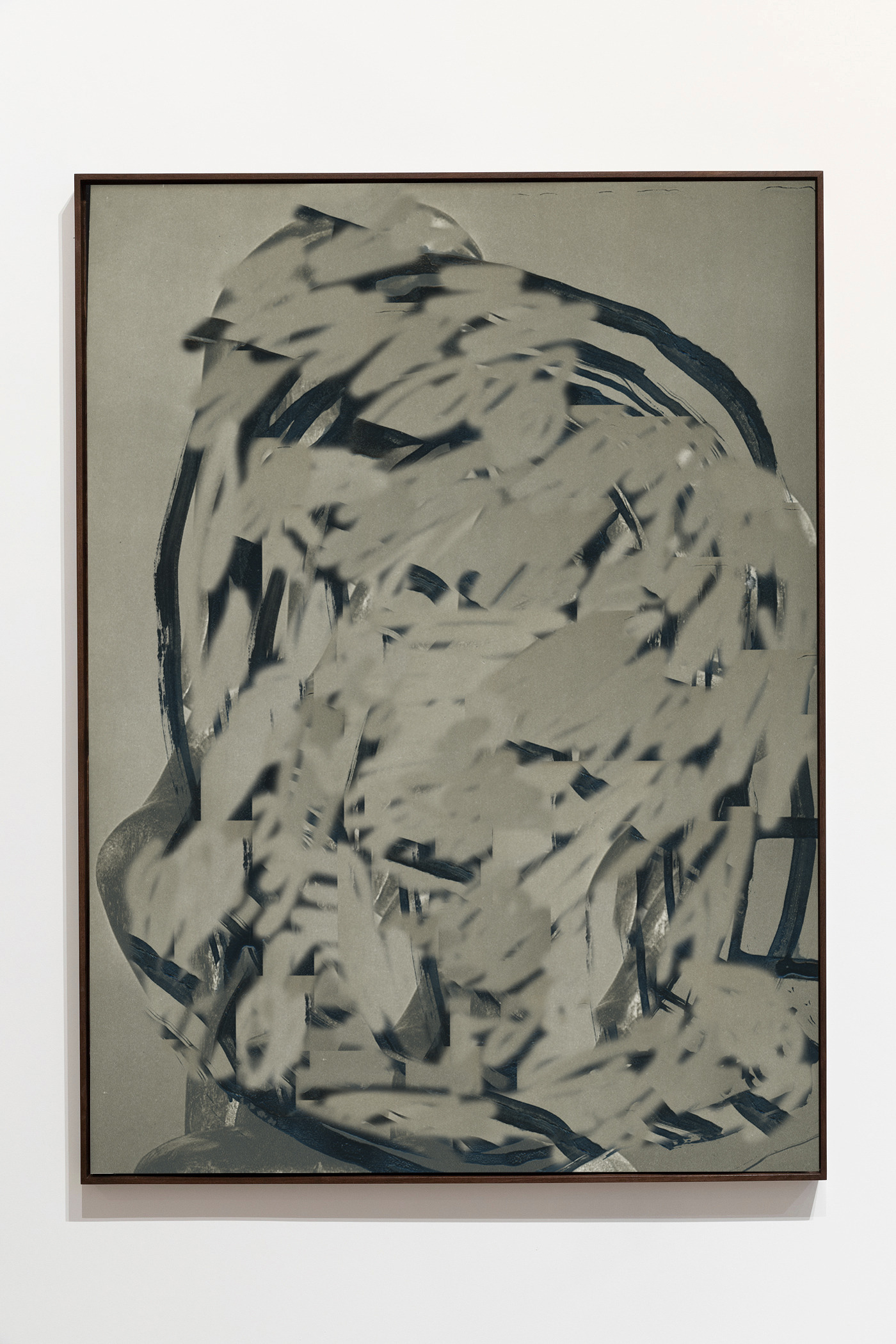
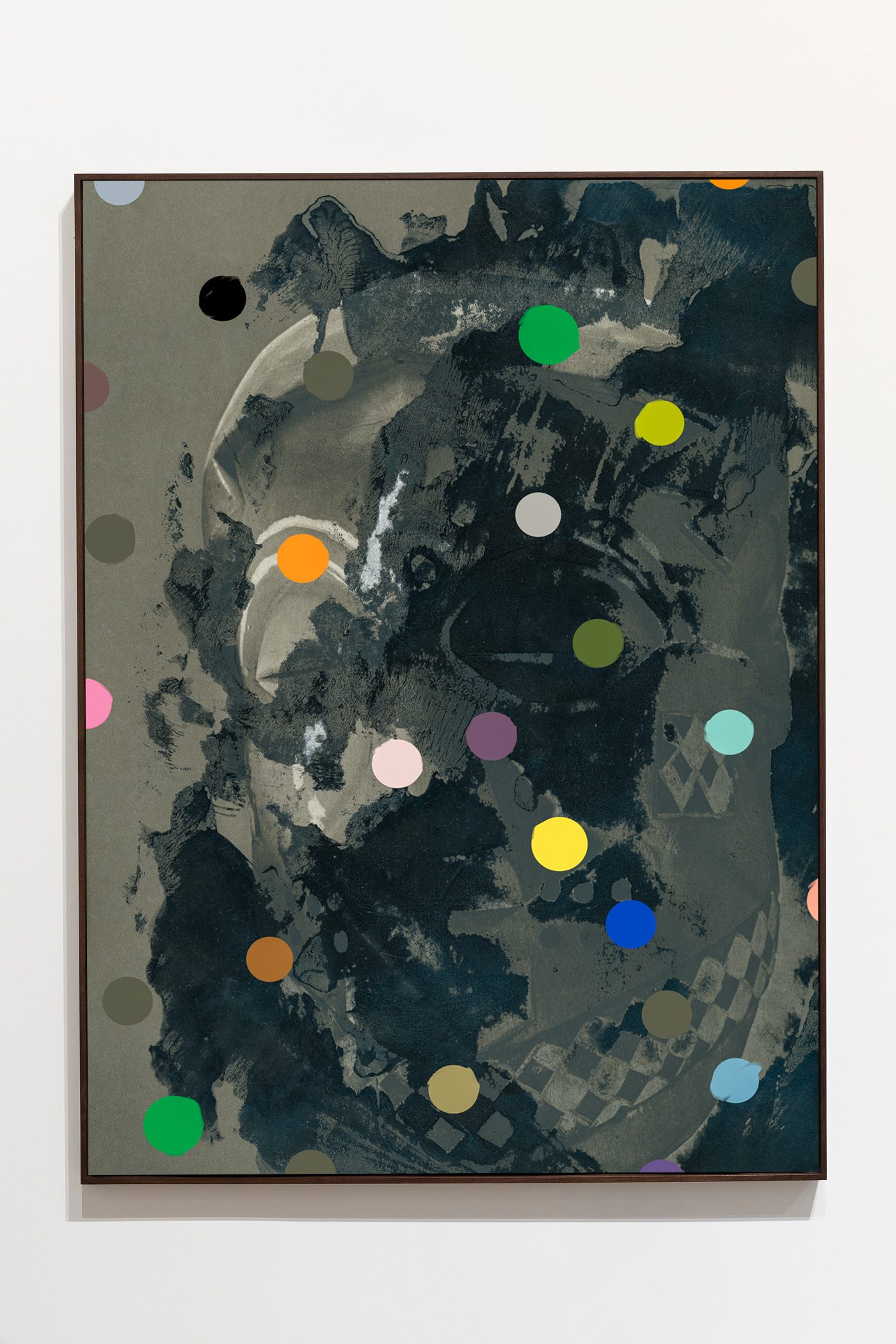


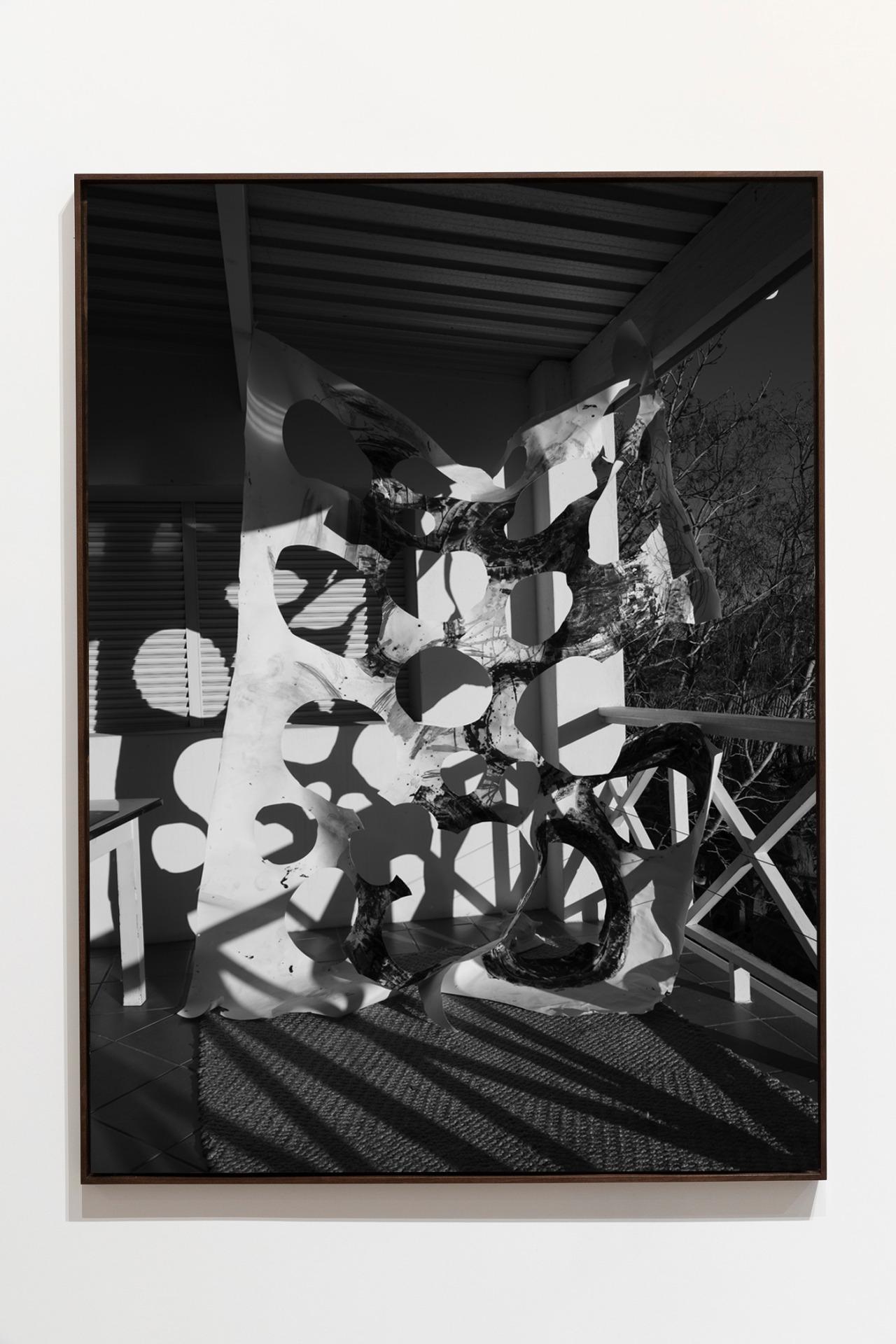

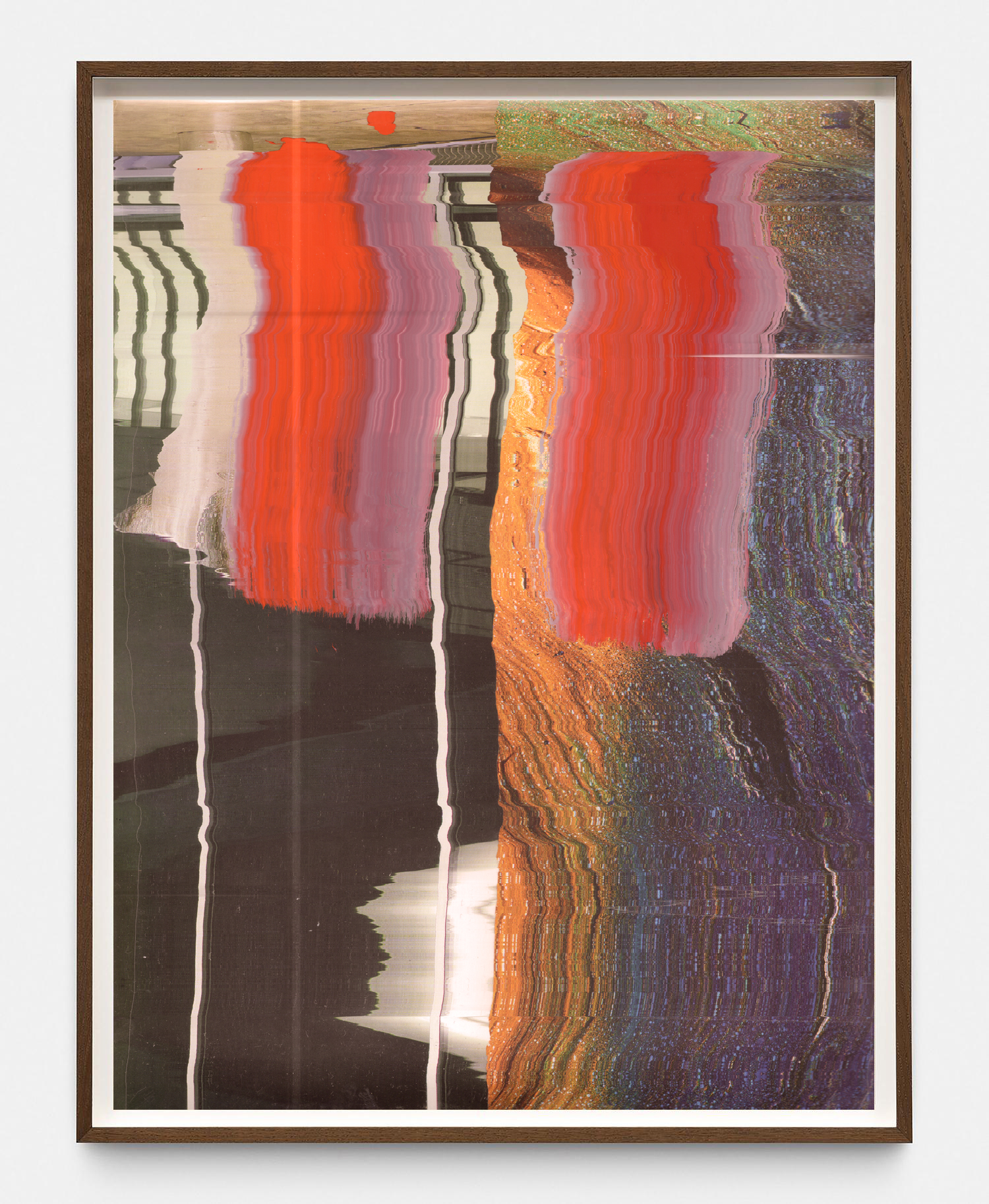
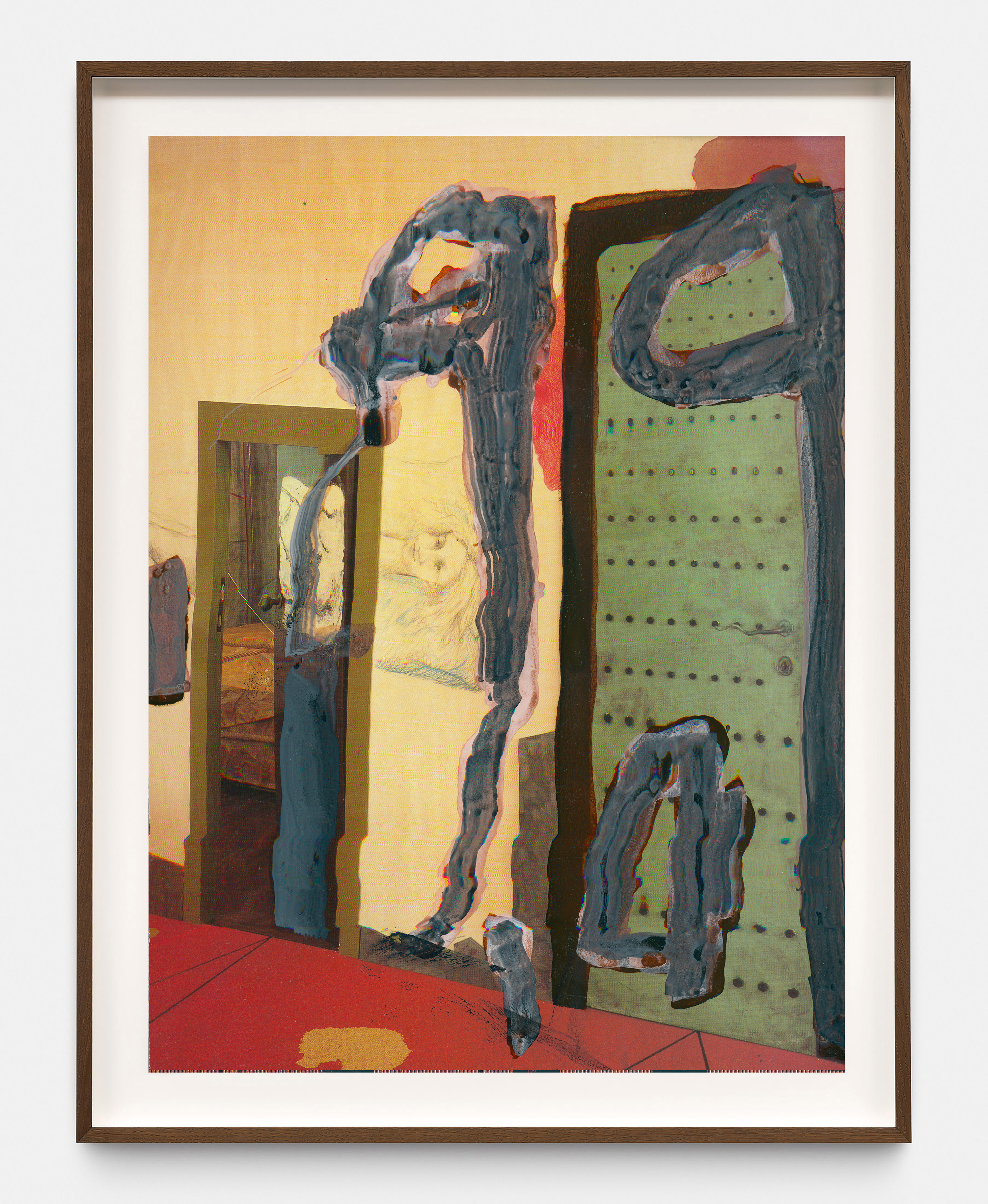


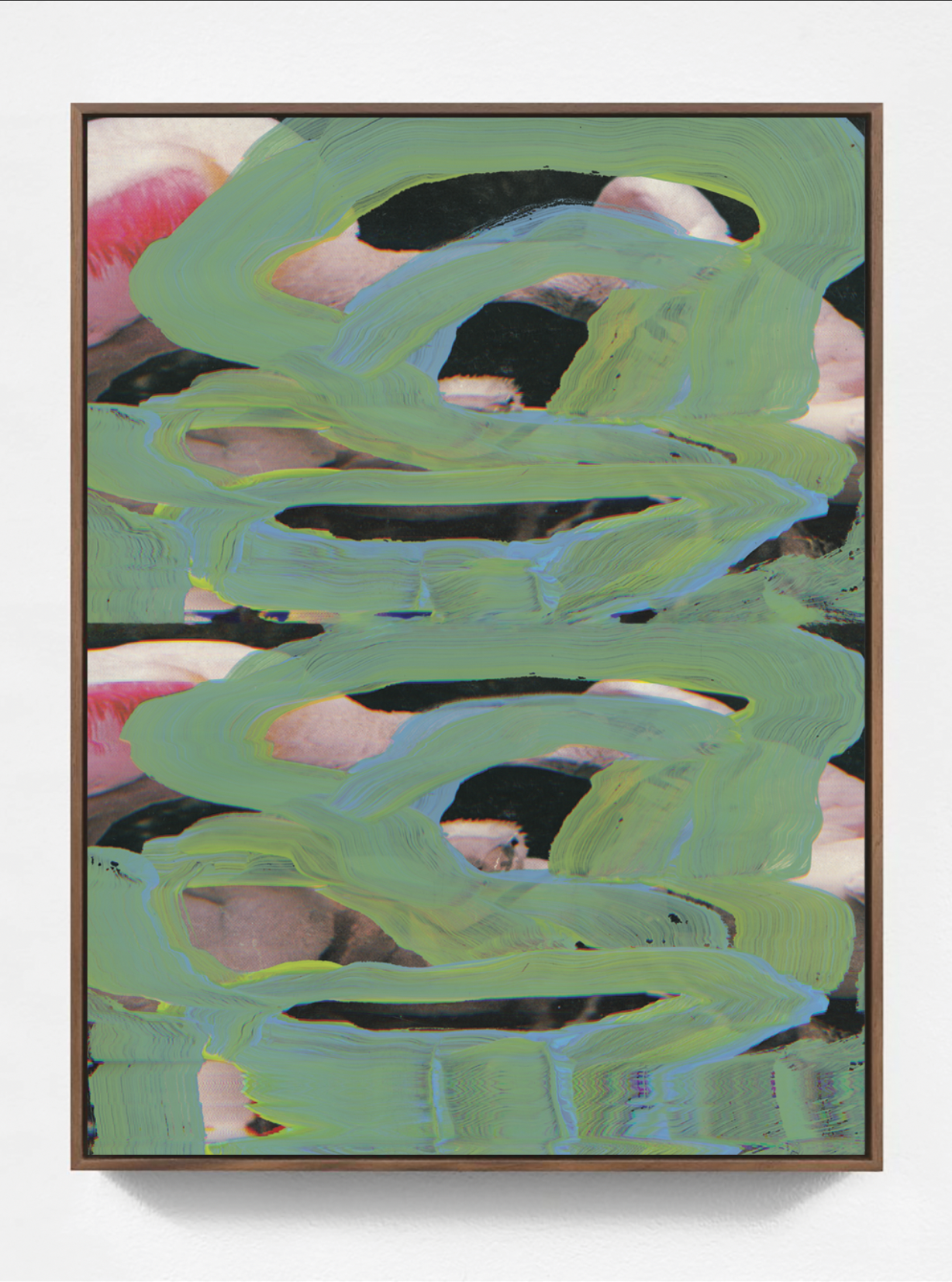


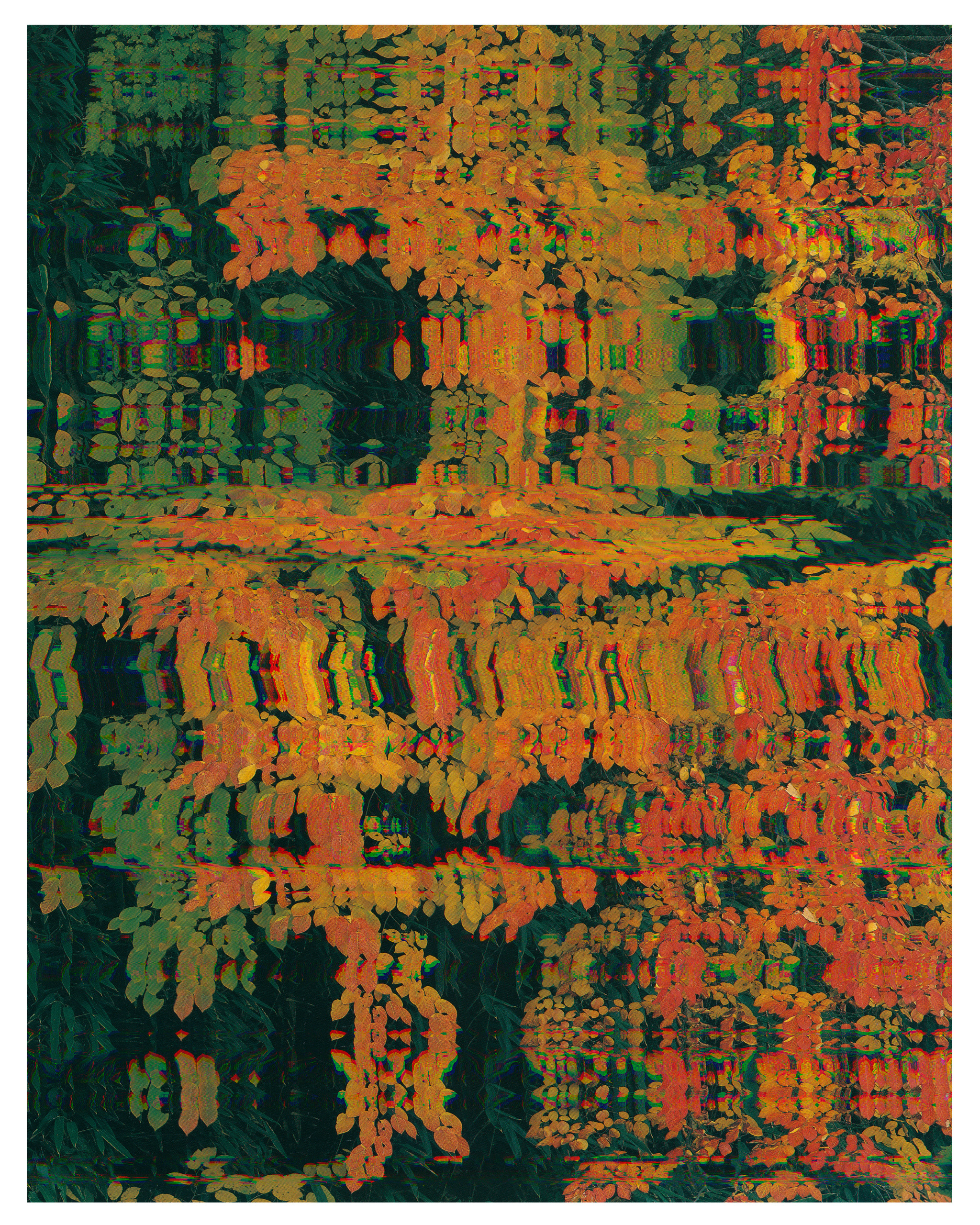

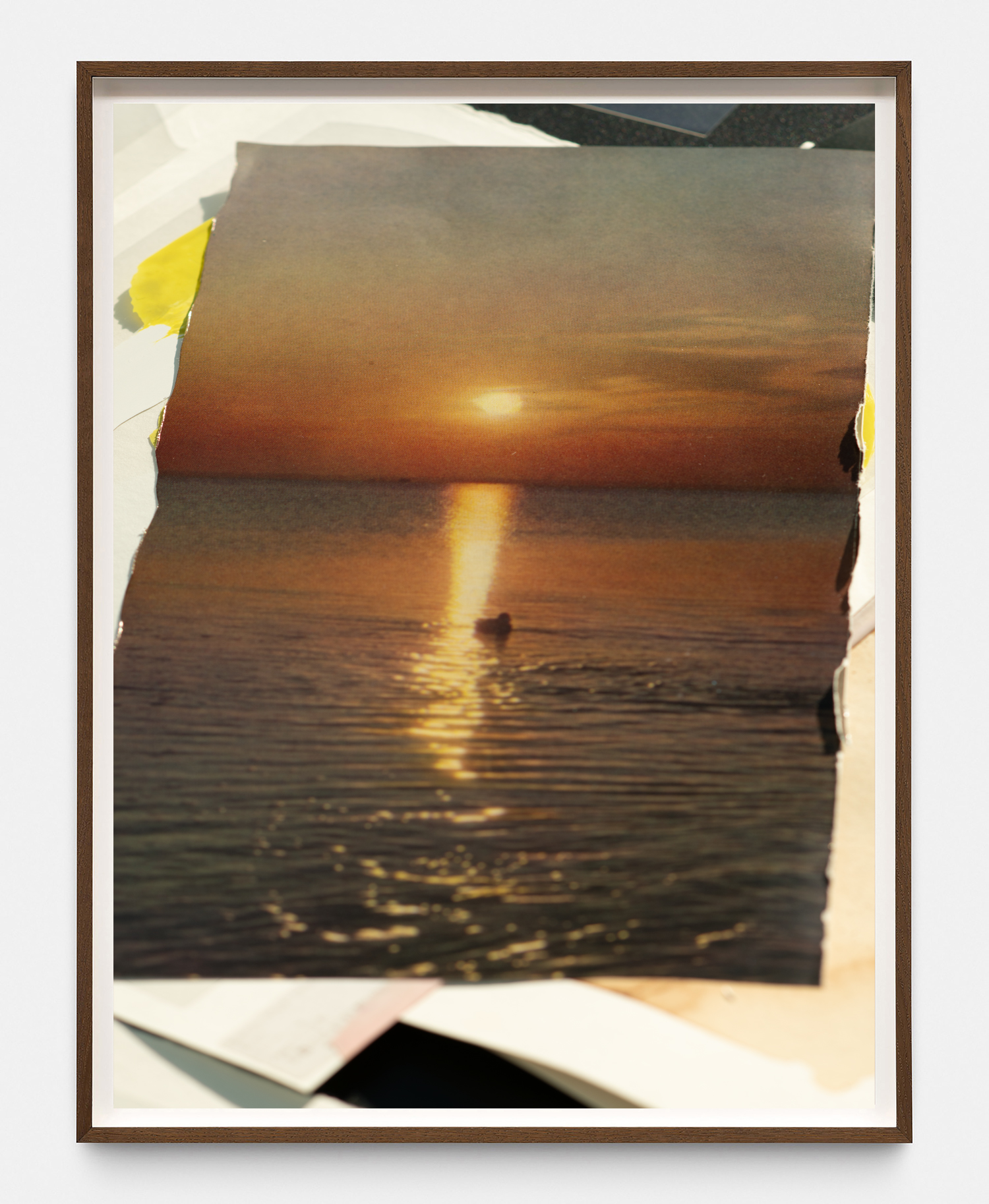








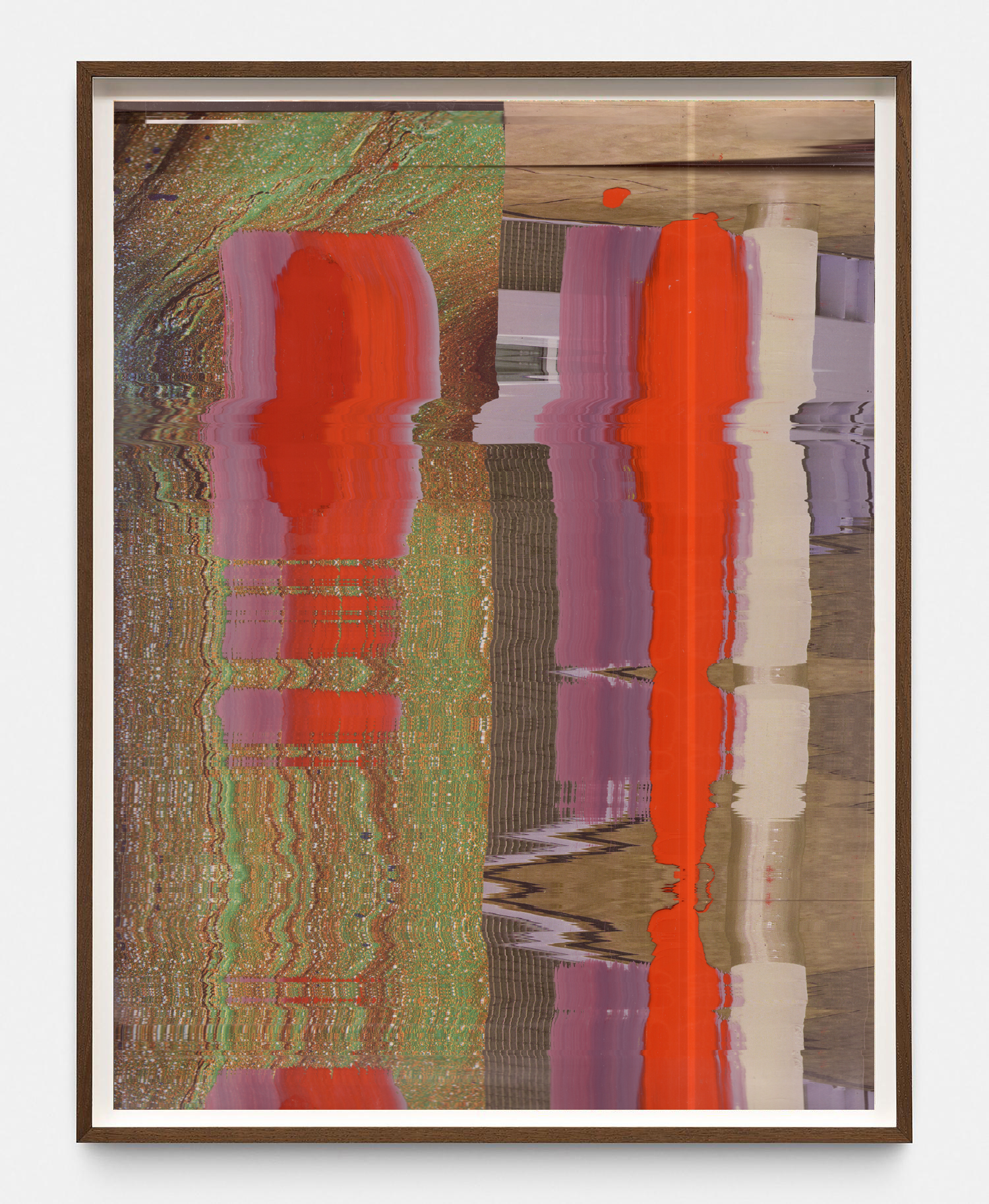
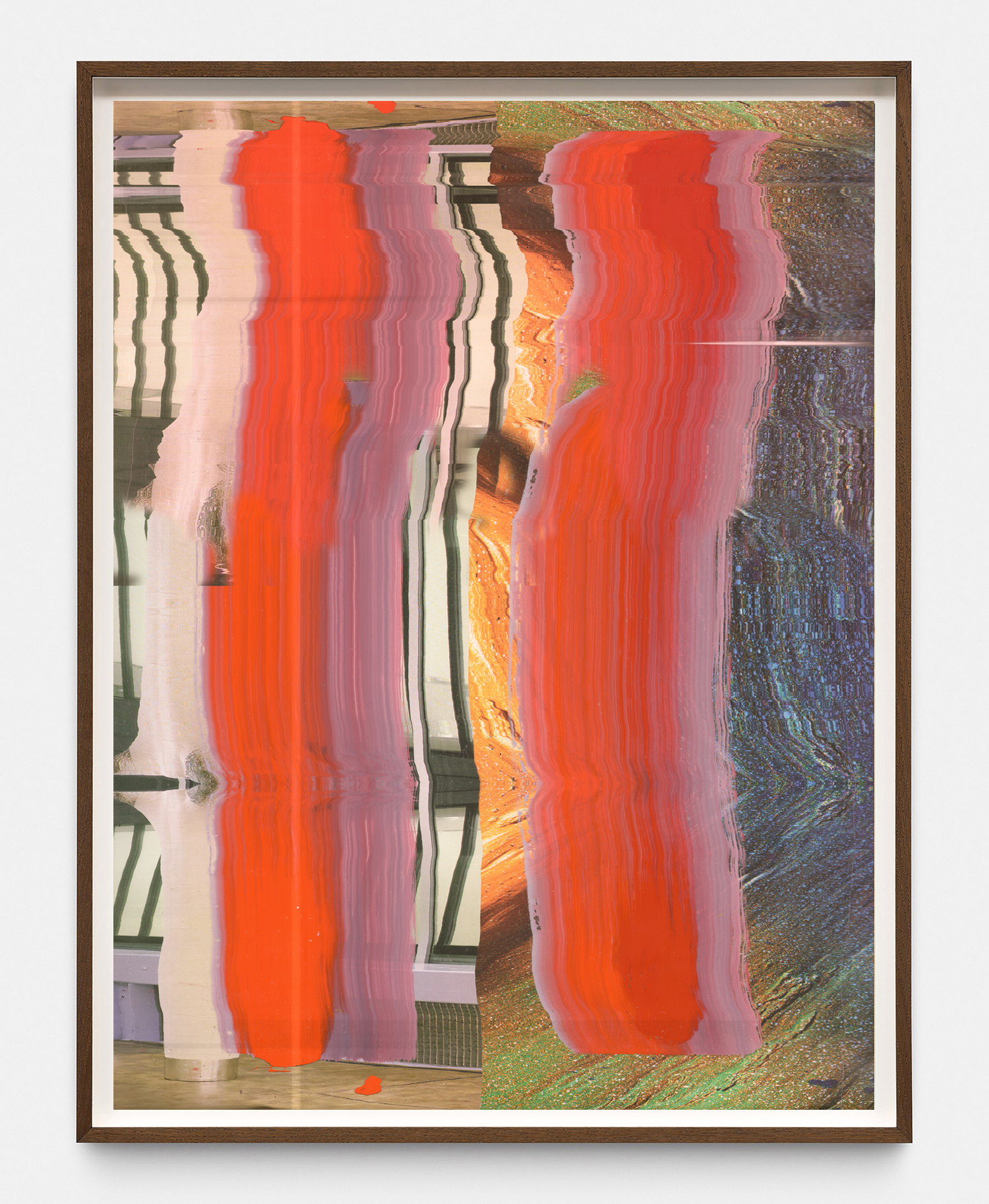


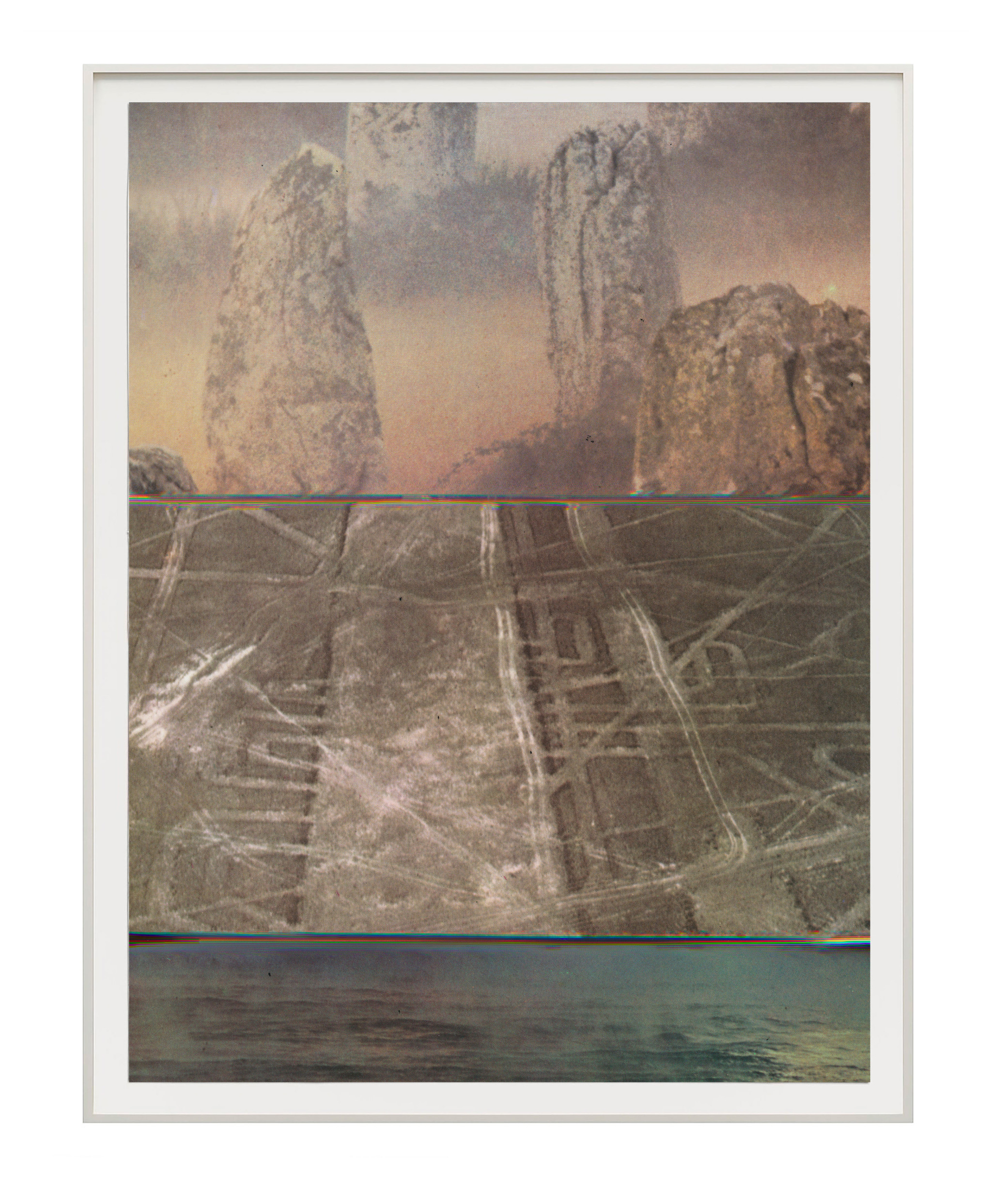


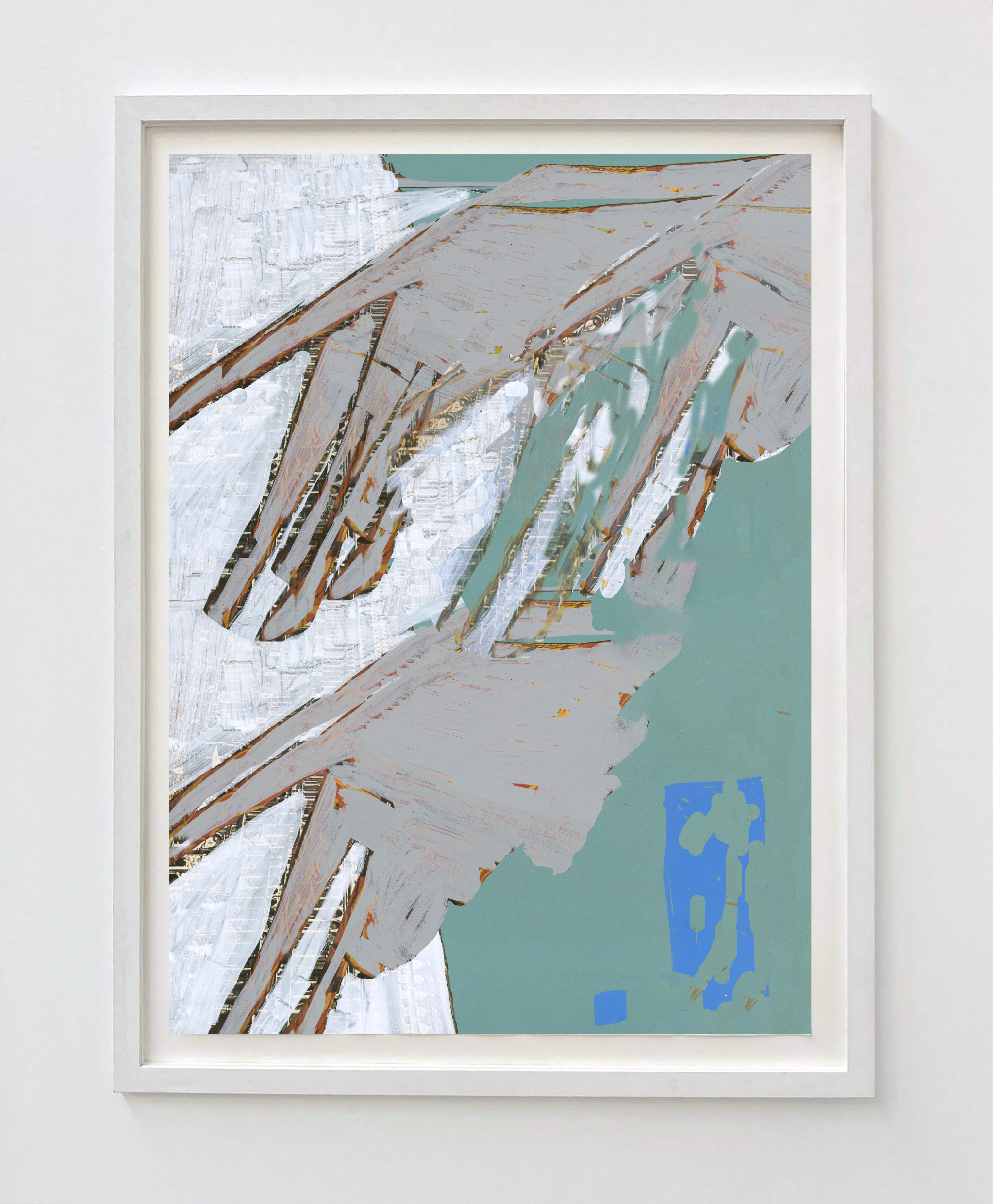
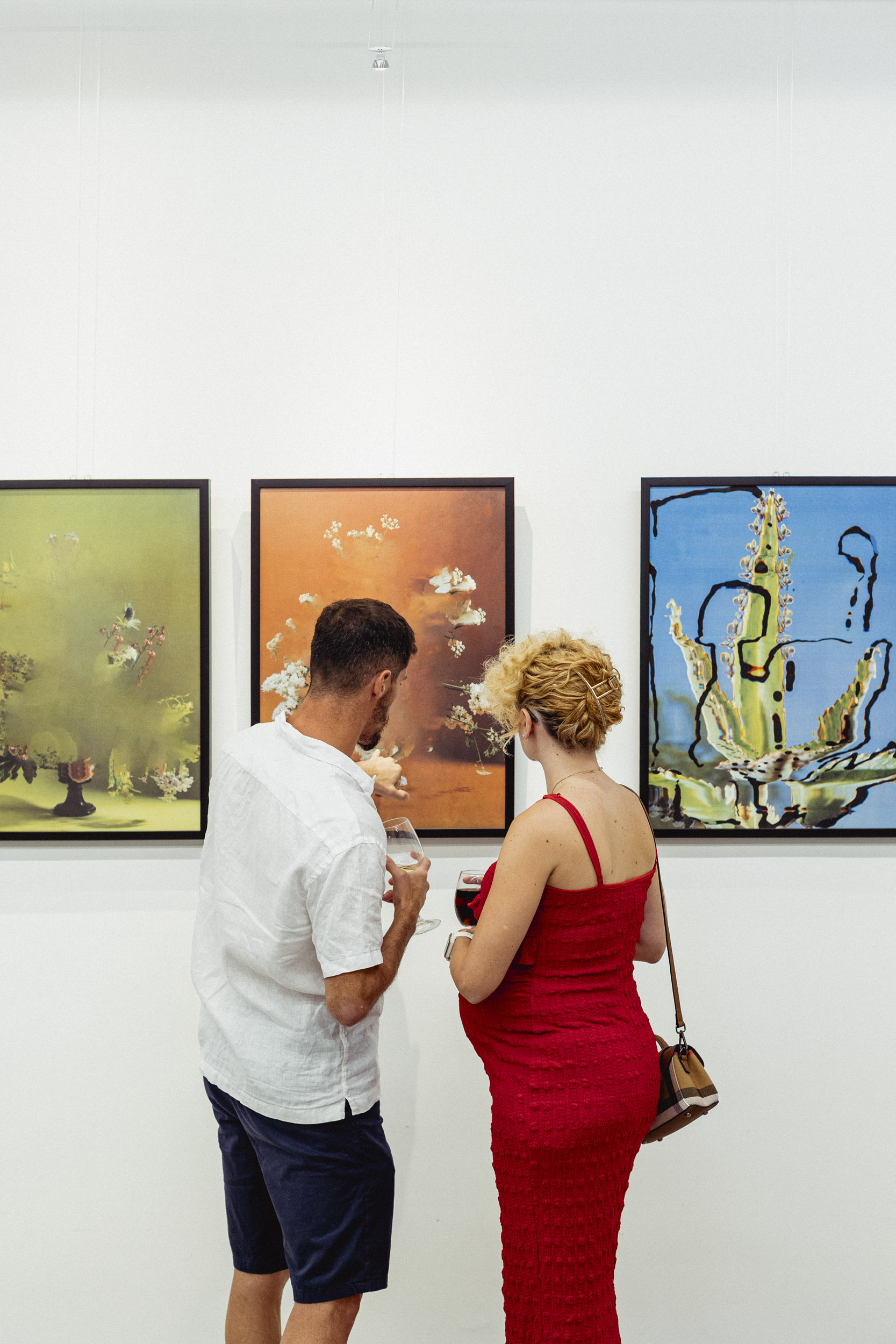
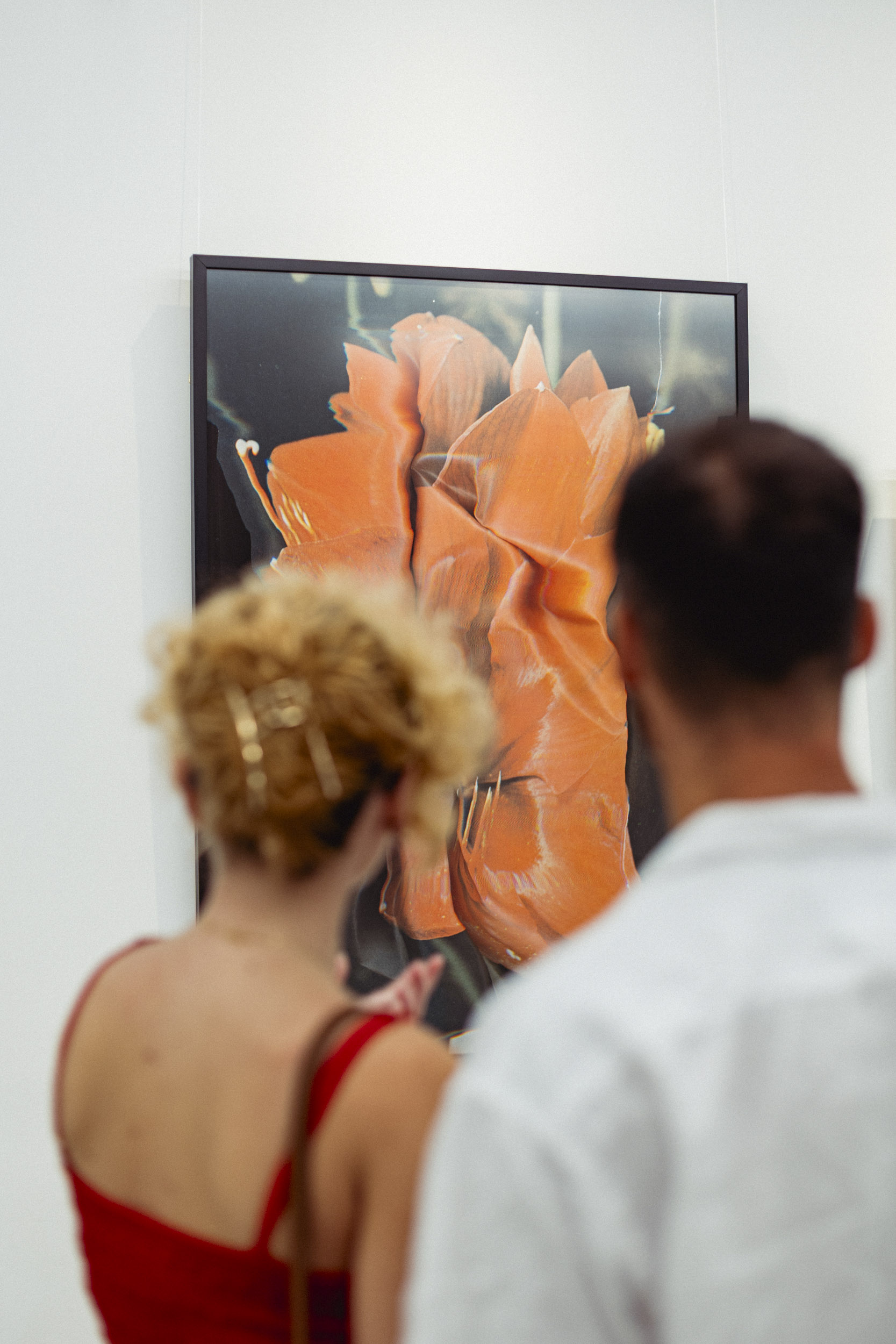
FAQ (Nature vs Culture)
I’m not interested in hunting for the perfect moment.
I use photography to create new worlds within my perceived reality, to ask questions about memory, photography and its (re)presentation.
I use analogue and digital tools to create my work, and to explain the world to myself.
I also use the clone stamp and the lasso tool.
Instead of capturing emotion, I would rather evoke an emotional response within the viewer that is strangely familiar.
Trompe-l’œil. Making strange. Verfremdung. Alchemy.
I don’t work in linear series, but instead in one continuous and interwoven body of work, like a conversation that never stops.
New ideas are constantly added, shifting over time, reprising old ideas and adding new ones.
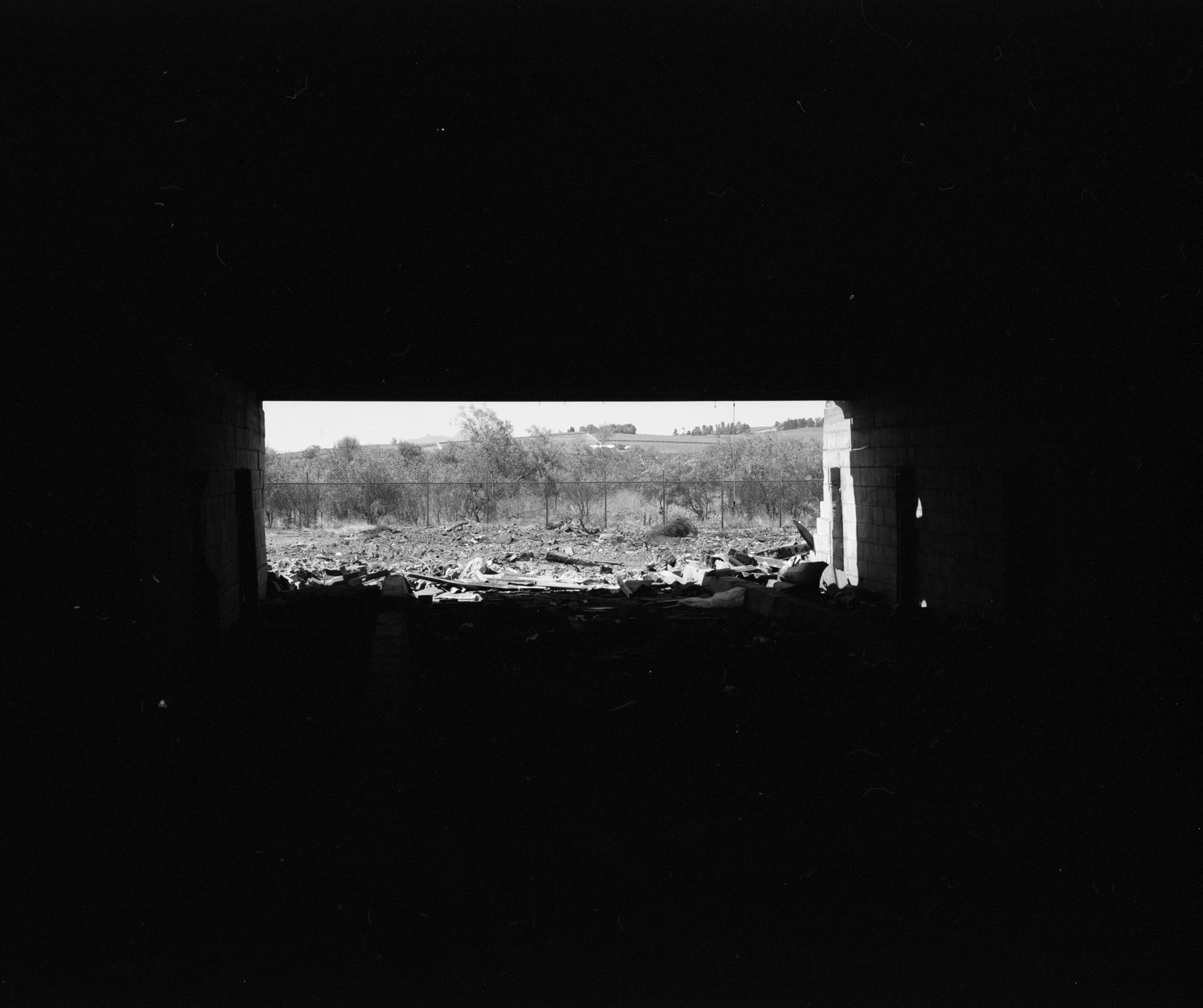
I’m not just interested in what is in front of the camera, but also what lies behind, underneath and just to the side of the frame.
Good ideas are more important than sharp and colourful pretty pictures.
Photographs should hardly ever be propped up with text.
This is also a lie.
The basic tenets of Gestalt Theory: Proximity. Similarity. Continuity. Closure. Connectedness.
Gut feelings through my one right eye.
I use the tools of video, photography and painting to create my art.
I can cite direct influences as coming from photographers Thomas Ruff, Michael Schmidt,
the legendary three John’s; Divola, Gossage and Baldessari, clearly Lucas Blalock and Robert Cumming.
definately John Hilliard, Also Richard Tuttle.
An image taken with a smartphone is just as important as an image taken with a large-format view camera or a potato pinhole camera.
I knew all of this before, but was unable to express it.
I’m interested in sculpture and form, but my main concern is the transformation created by the camera. The thing becoming something else.
Photography as theatre
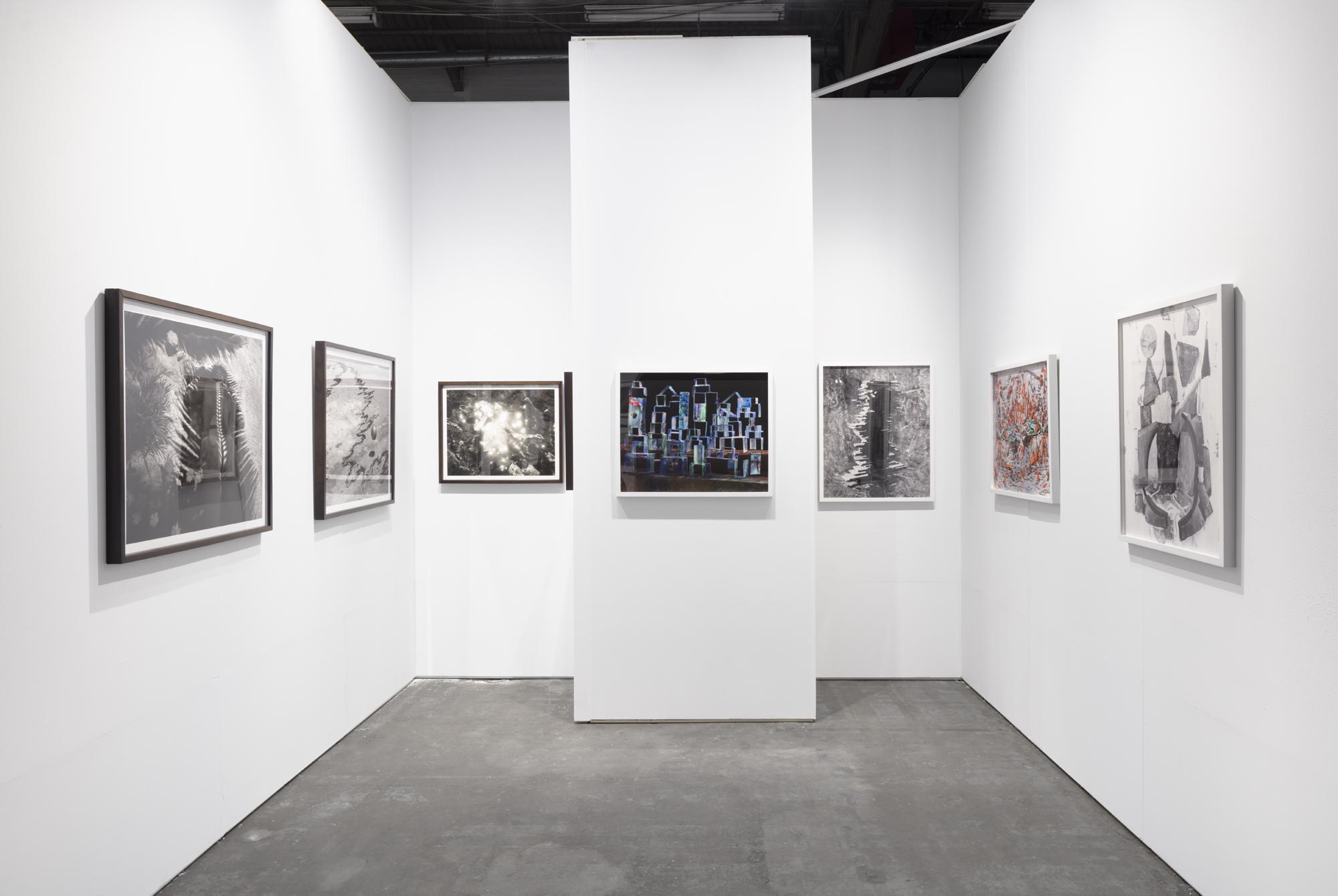
My work can be read as a sampler of photographic genres. Portrait, landscape, nude and still life images all sit next to each other to reveal and explore the medium and its limitations
The only aspect of my process that I value is my intellectual curiosity through experimentation.
Strategy vs. Goal. The day I start knowing where the work is going I will stop.
An ode to effort.
My work is inside my body. Mind. Body. Technology.
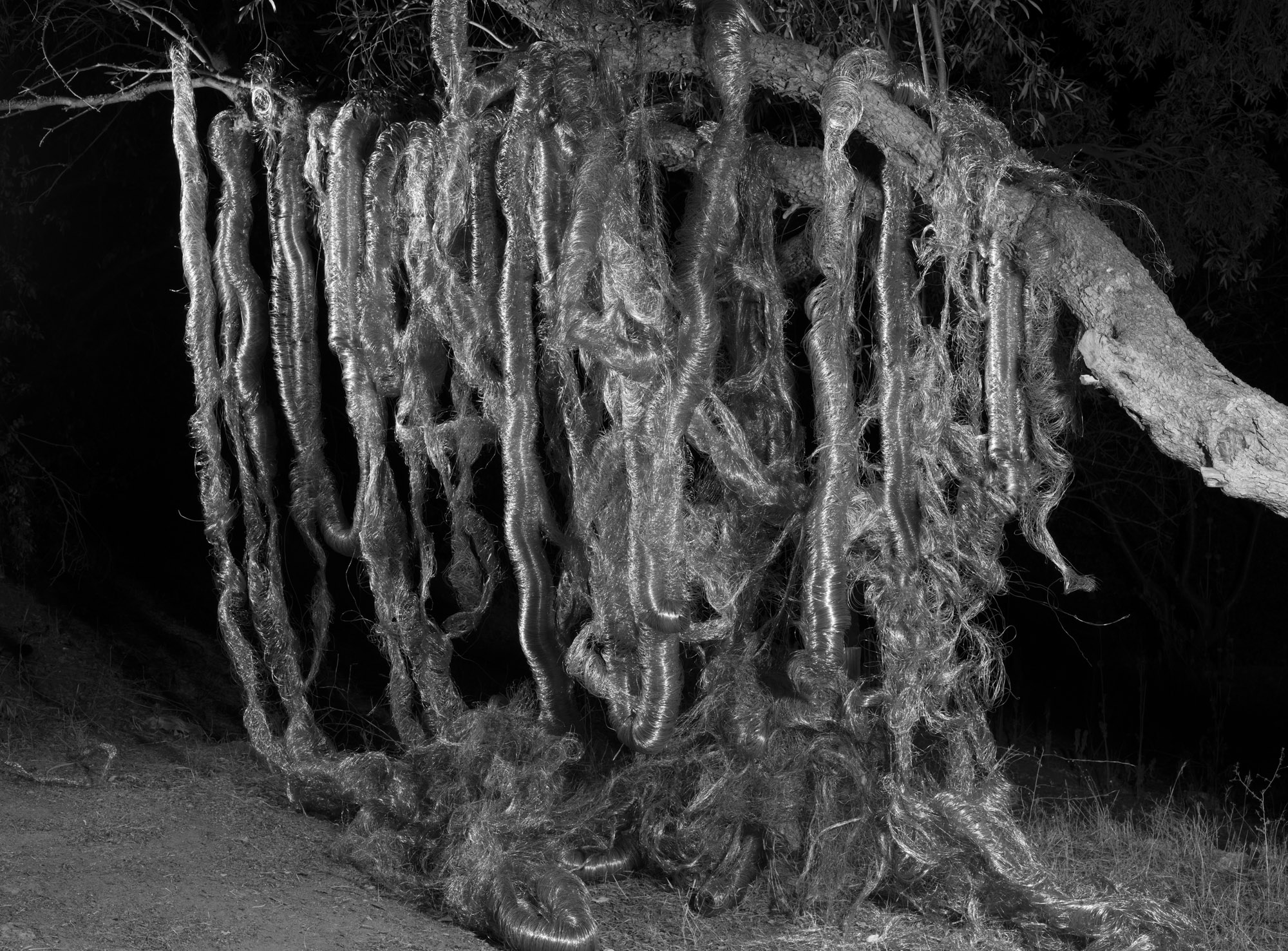
I use what I find lying ‘around’ and convert and transform this debris through a kind of creative alchemy into a theatrical mise en scène.
This urban jetsam and flotsam comes with its own knowledge, a built-in aesthetic which I unearth and explore in my constructions.
I’m always trying to surprise myself, and come up with unsolvable pictures I haven’t seen before, to get beneath the surface.
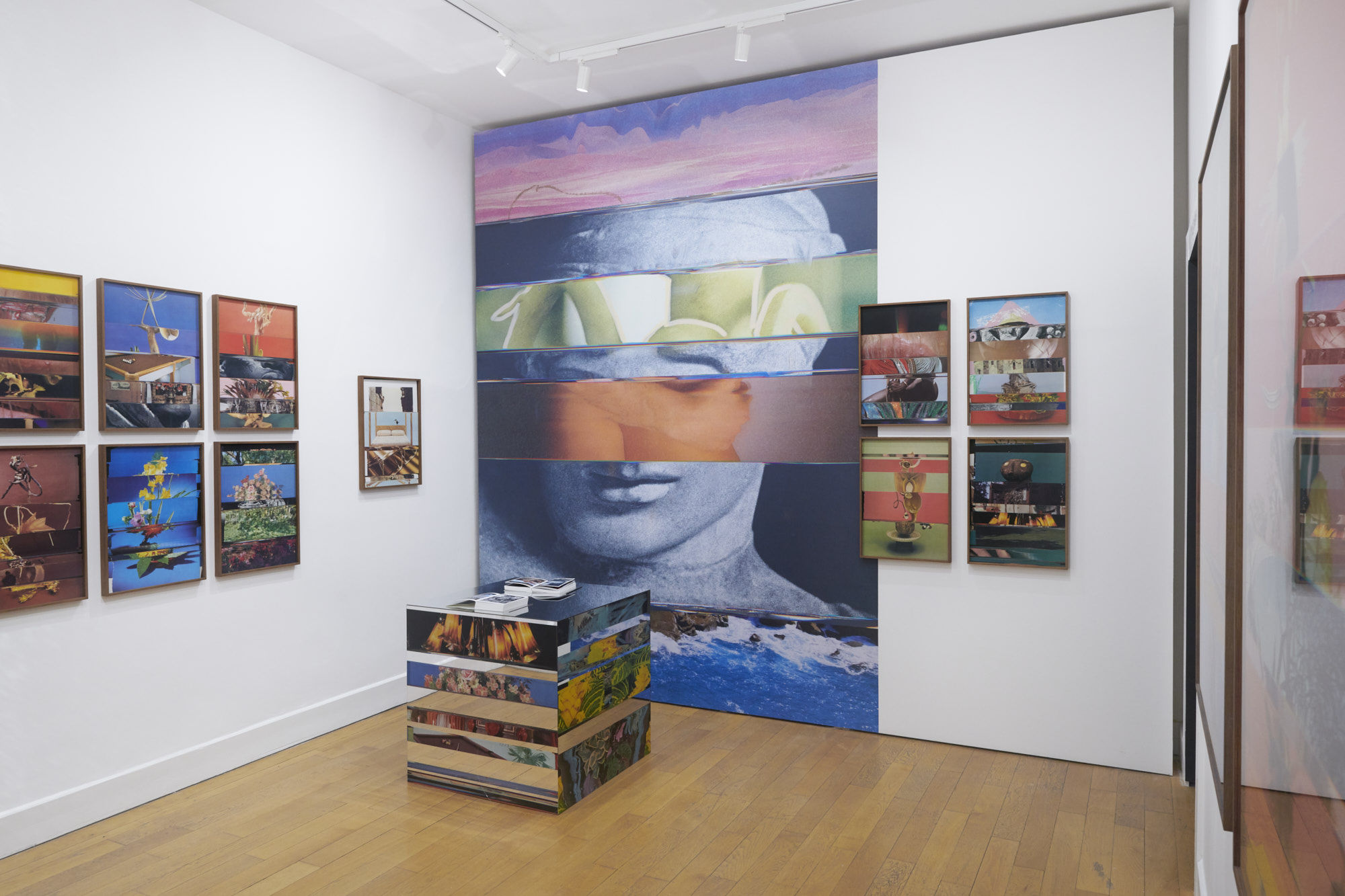
I believe in the power of the single image, but I’m currently more interested in the role of associative patterns and the contiguities of perception revealed when images are sequenced in a book or on a wall.
…︎This indecisive moment.
![]()


© 2026 Nico Krijno
All images and content copyright Nico Krijno.
BOOKS BOOKS BOOKS BOOKS BOOKS BOOKS BOOKS BOOKS

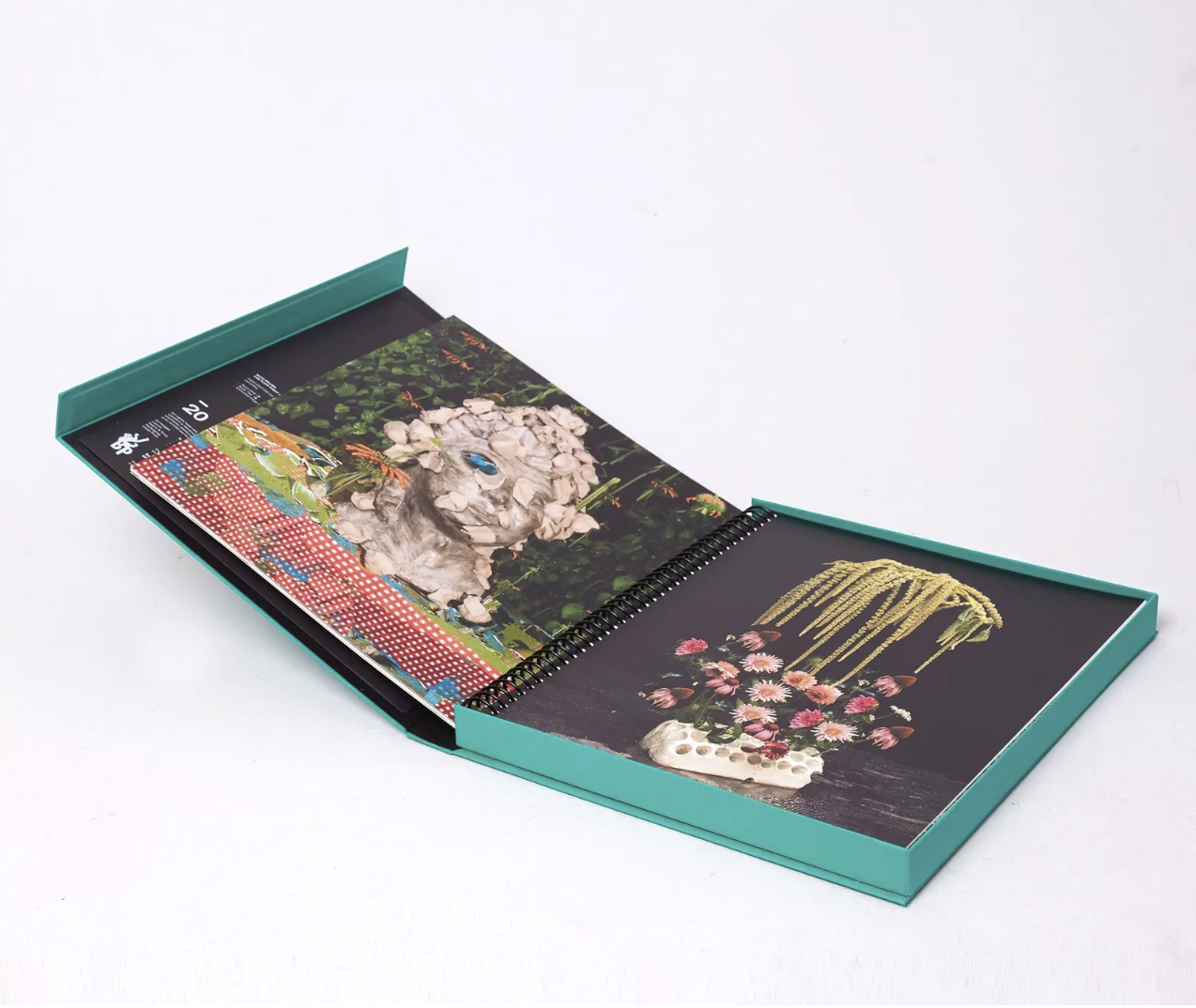
Murk
Nico Krijno, Witty Books
Nico Krijno24x30 cm
184pages
Soft cover
Editing and art direction by Tommaso Parrillo
Graphic design by Ilaria Miotto
Published in October 2026
ISBN 979-12-80177-76-6
Witty #123
35€
Pre-order here︎︎
Shipments expected mid November
First 50 copies at special price
︎︎︎︎︎︎︎︎︎︎︎︎︎︎︎︎︎︎︎︎︎︎︎︎︎︎︎︎︎︎︎︎︎ Go to the special edition
Nico Krijno is losing his sight.
This book came out of that fact, but it is not a document of loss, nor an elegy for vision. It is an
examination of looking itself, and what happens when seeing can no longer be taken for granted.
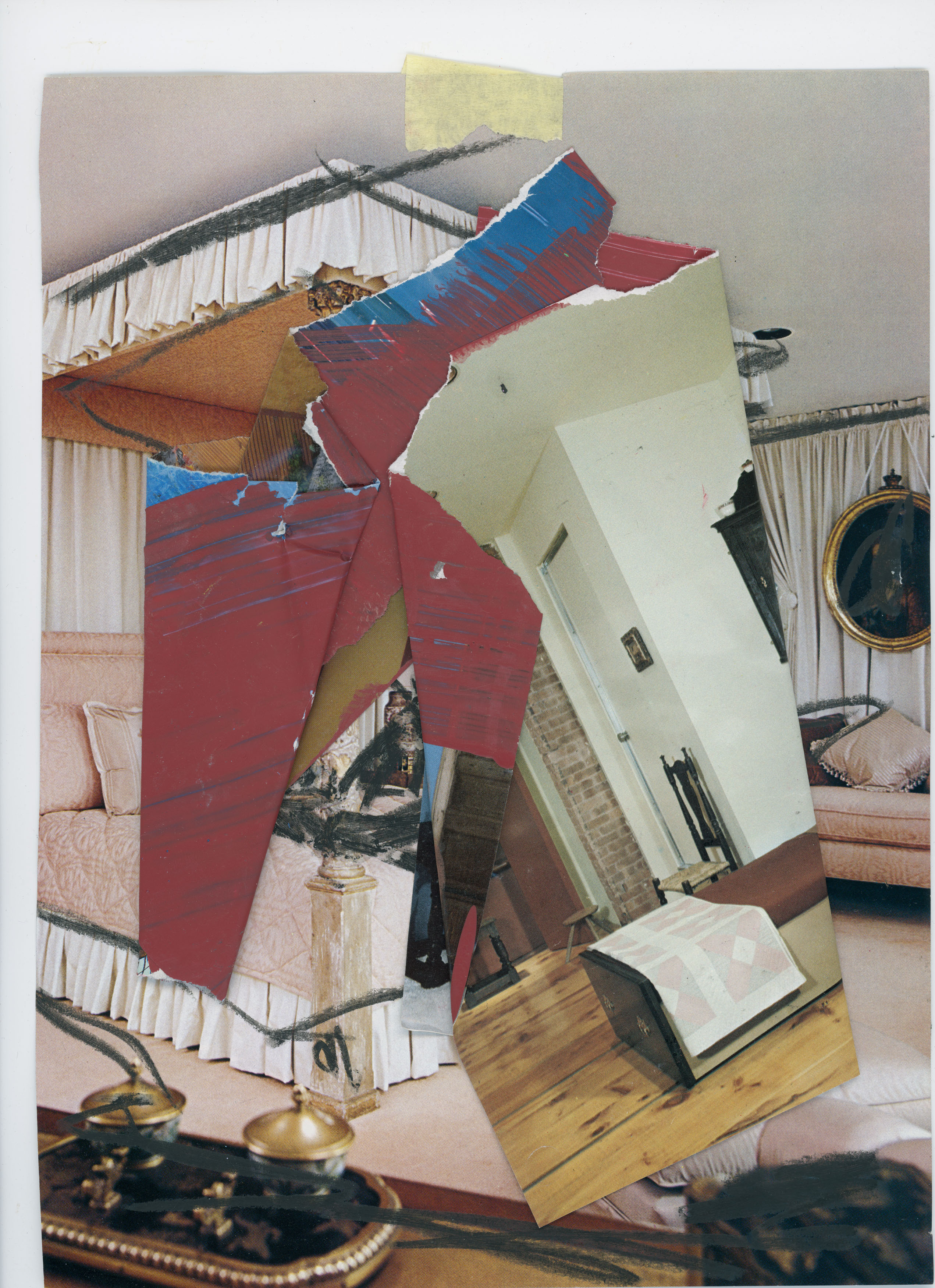
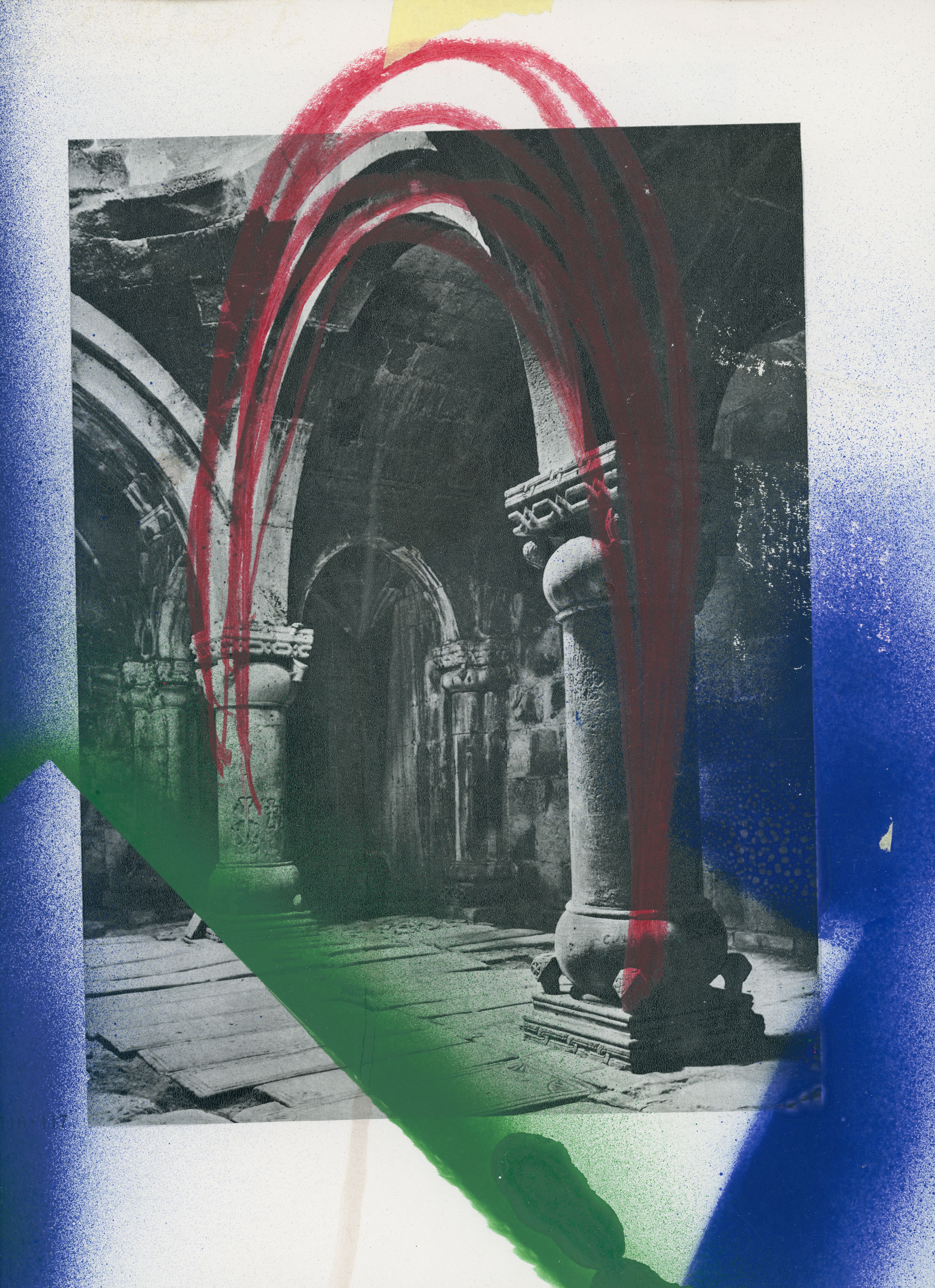
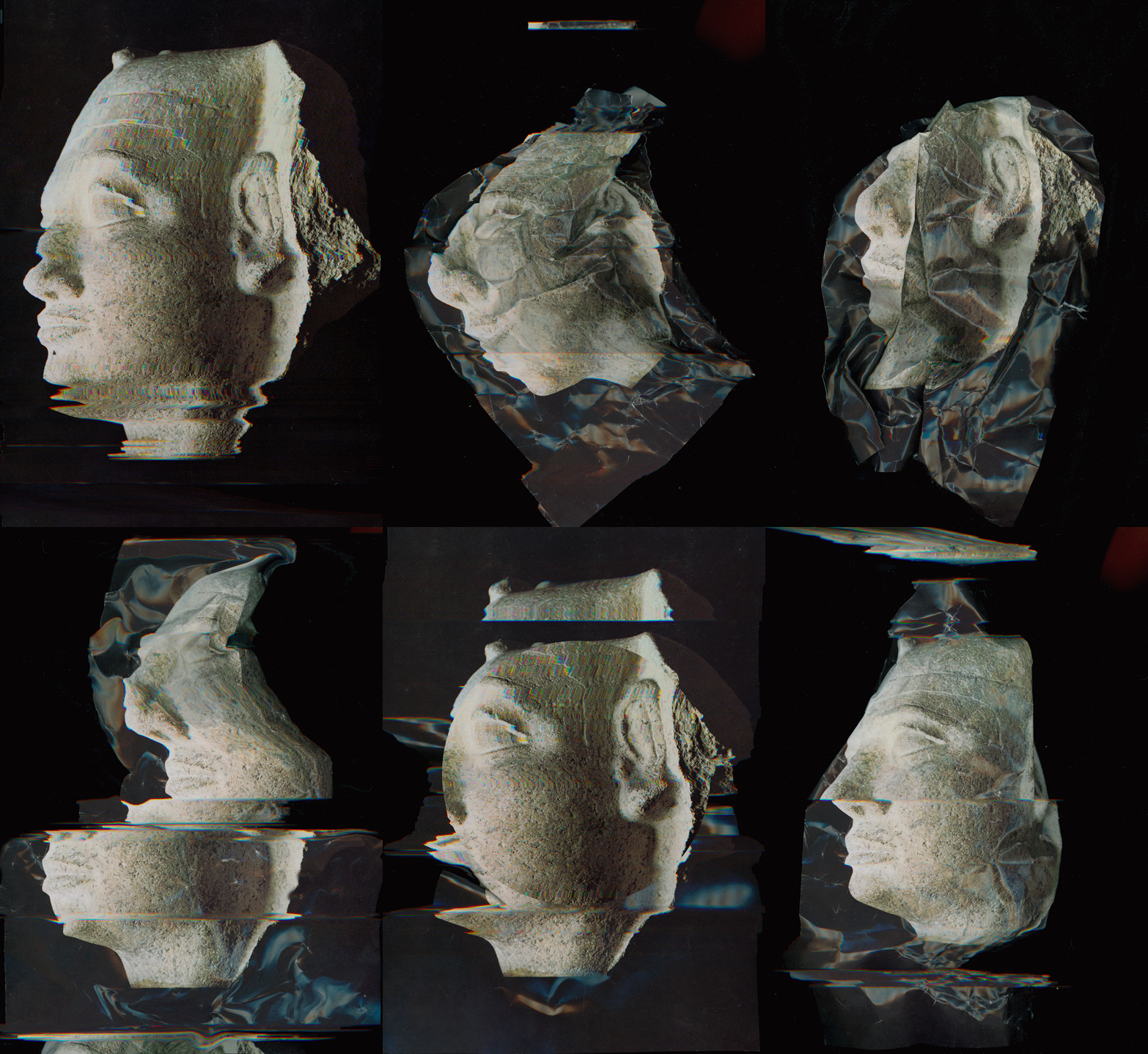
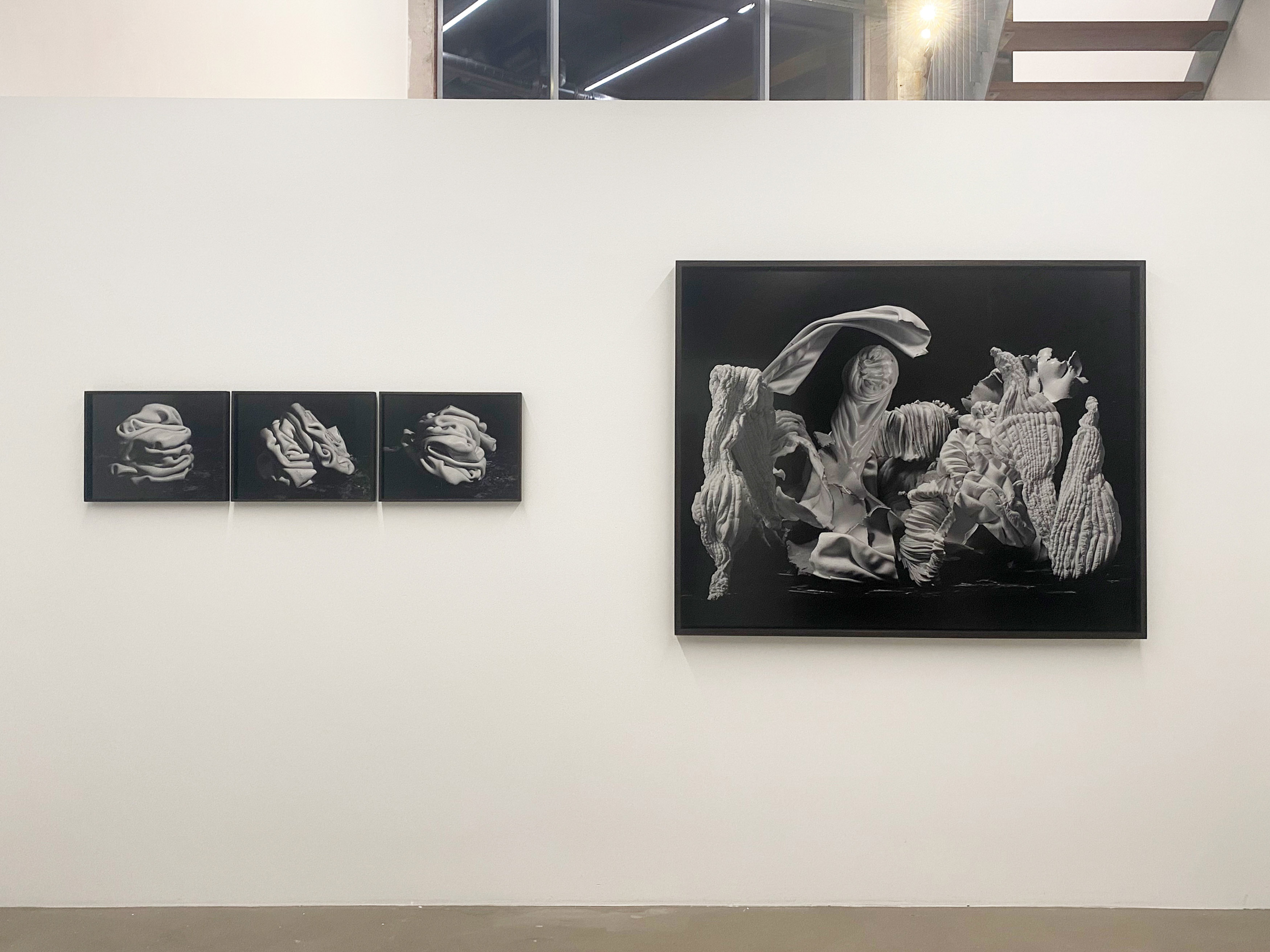
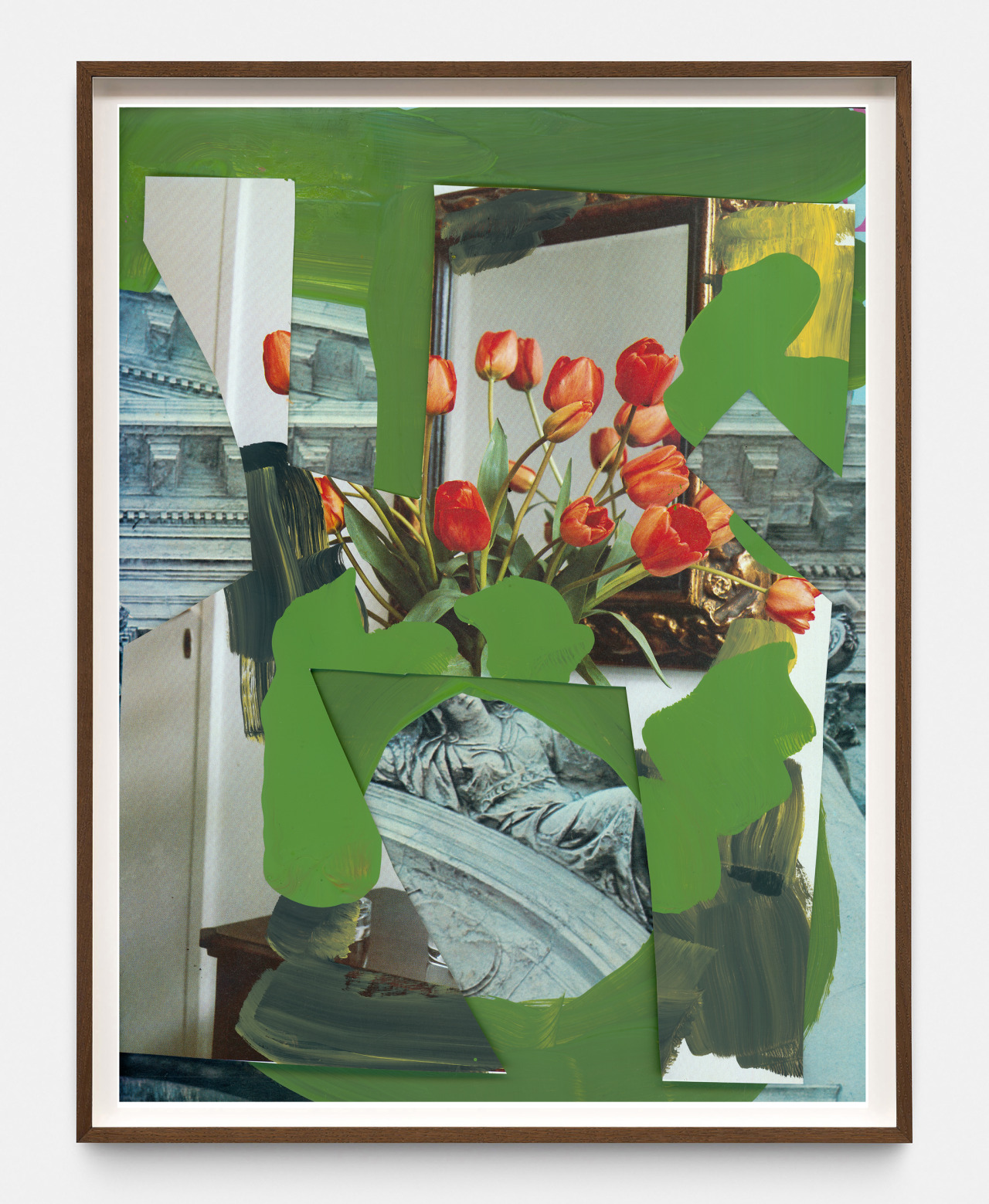
Krijno has never treated photography as a reliable window onto the world. His images are built, painted, cut, copied, obscured, rearranged and photographed again. A photograph becomes
an object. An object becomes an image. Something familiar becomes strange, then strangely familiar again.
We are living through a period of constant uncertainty and upheaval. Both nature and culture seem to be showing signs of disruption. Have we perhaps over-adapted to a world that cannot give us what we are looking for?
There is a growing need for images and symbols that remind us of the beauty and connections that still exist, however fractured things might appear.
MURK comes out of this uncertainty.
There is no straight line through the book, no single narrative. Images echo one another, return in altered forms and contradict themselves. The process is intuitive and physical. Krijno builds,
destroys and rebuilds, allowing things to go wrong. An image is pushed until it begins to lose its certainty.
A photograph has always carried the promise of evidence. But it can only ever give us a fragment. The rest is filled in by memory, imagination and expectation.
Krijno is interested in that gap between seeing something and knowing what it is. He describes image-making as a private, physical practice, closer to prayer than production. A way of paying attention, of trying to make sense of a world that cannot always be made sense of. There are no answers here. Only questions about photography, perception, the times we are living through, and what might still be possible.
The images are not trying to explain the world. They are trying to open it up.
︎
Nico Krijno
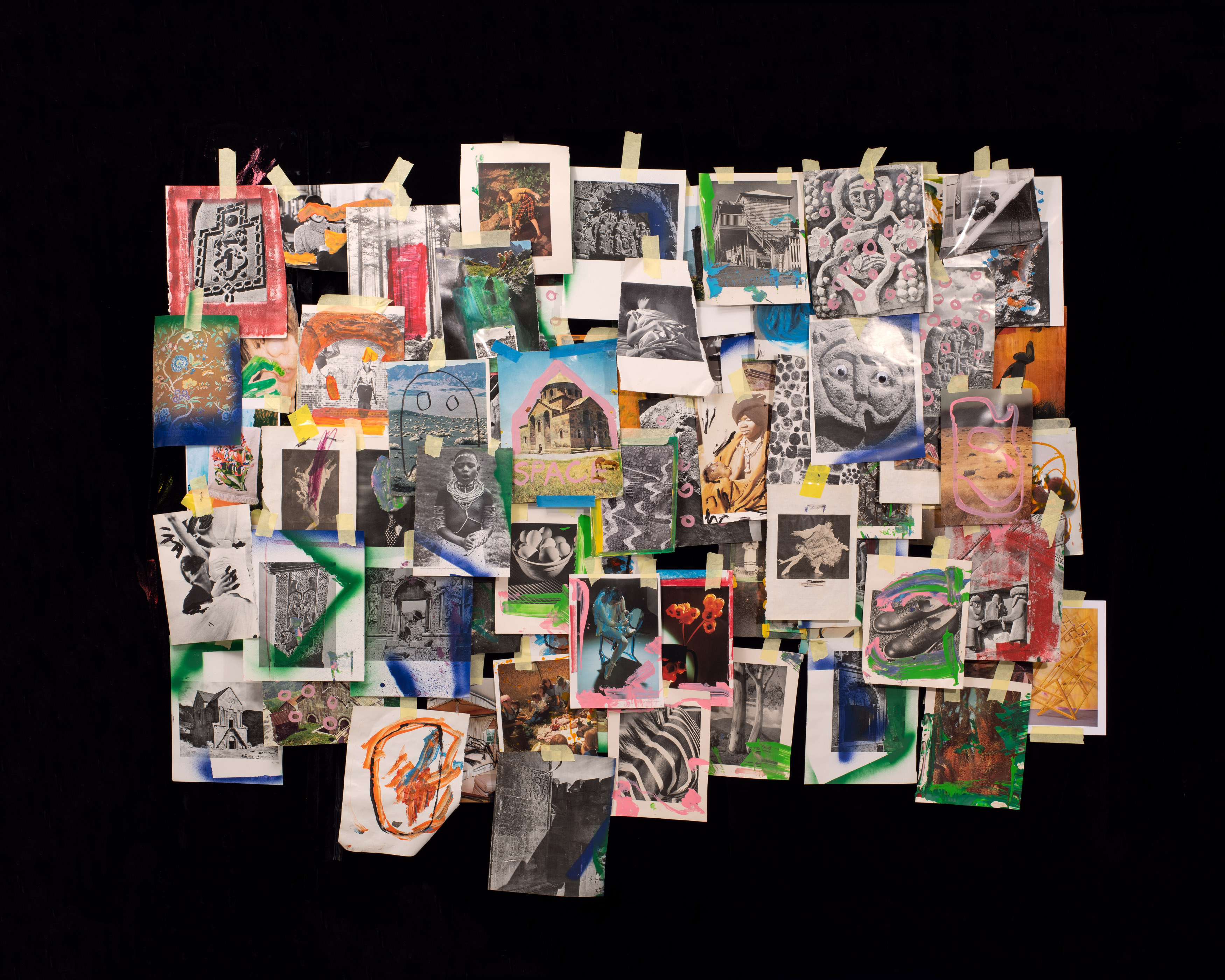
Collages 2020-2022
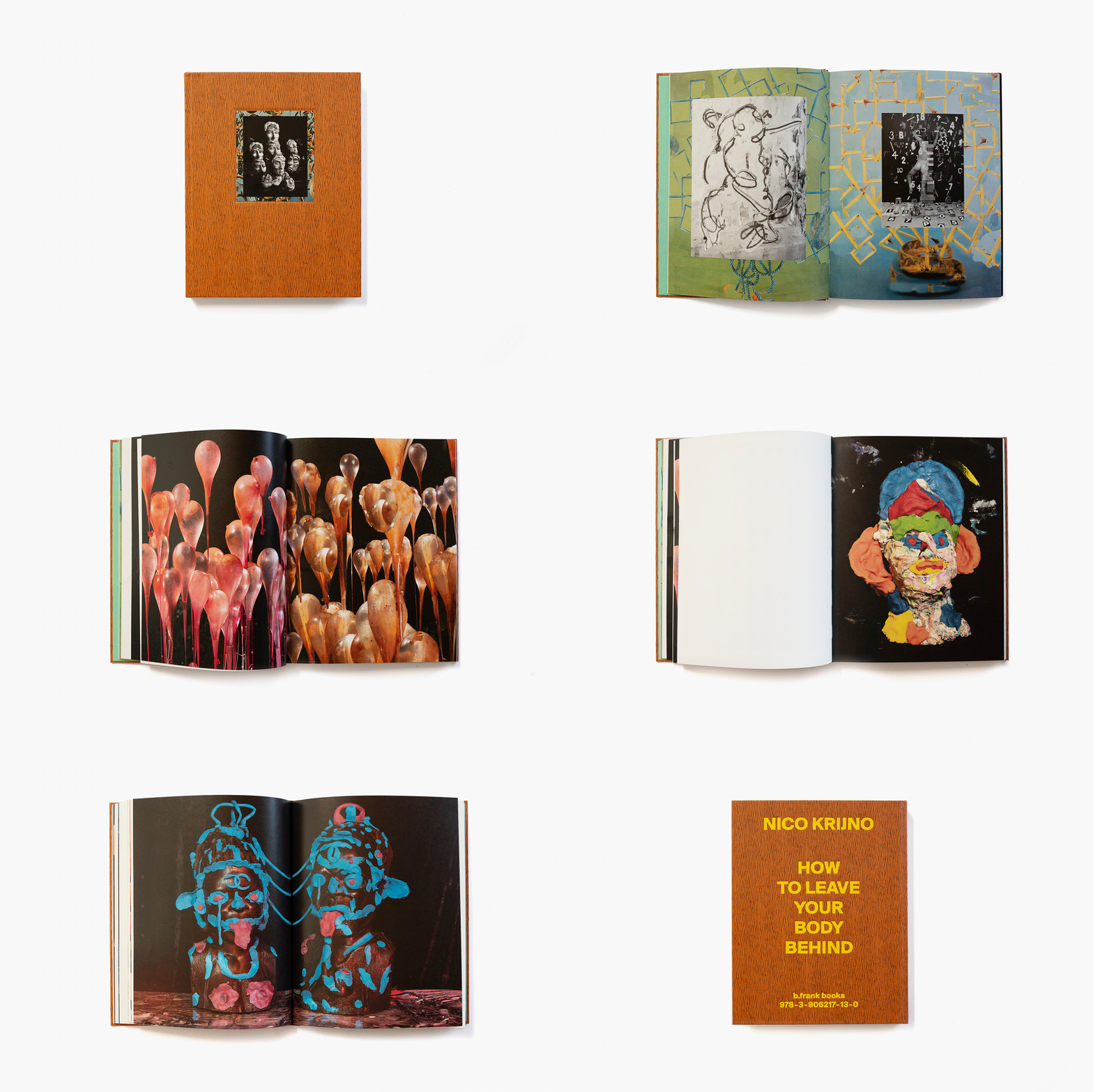
14,5 x 19,5 cm, 448 p, ills colours, paperback
ISBN 9789464660678
design and edit: Jurgen Maelfeyt
edition of 1000
November 2022
€45
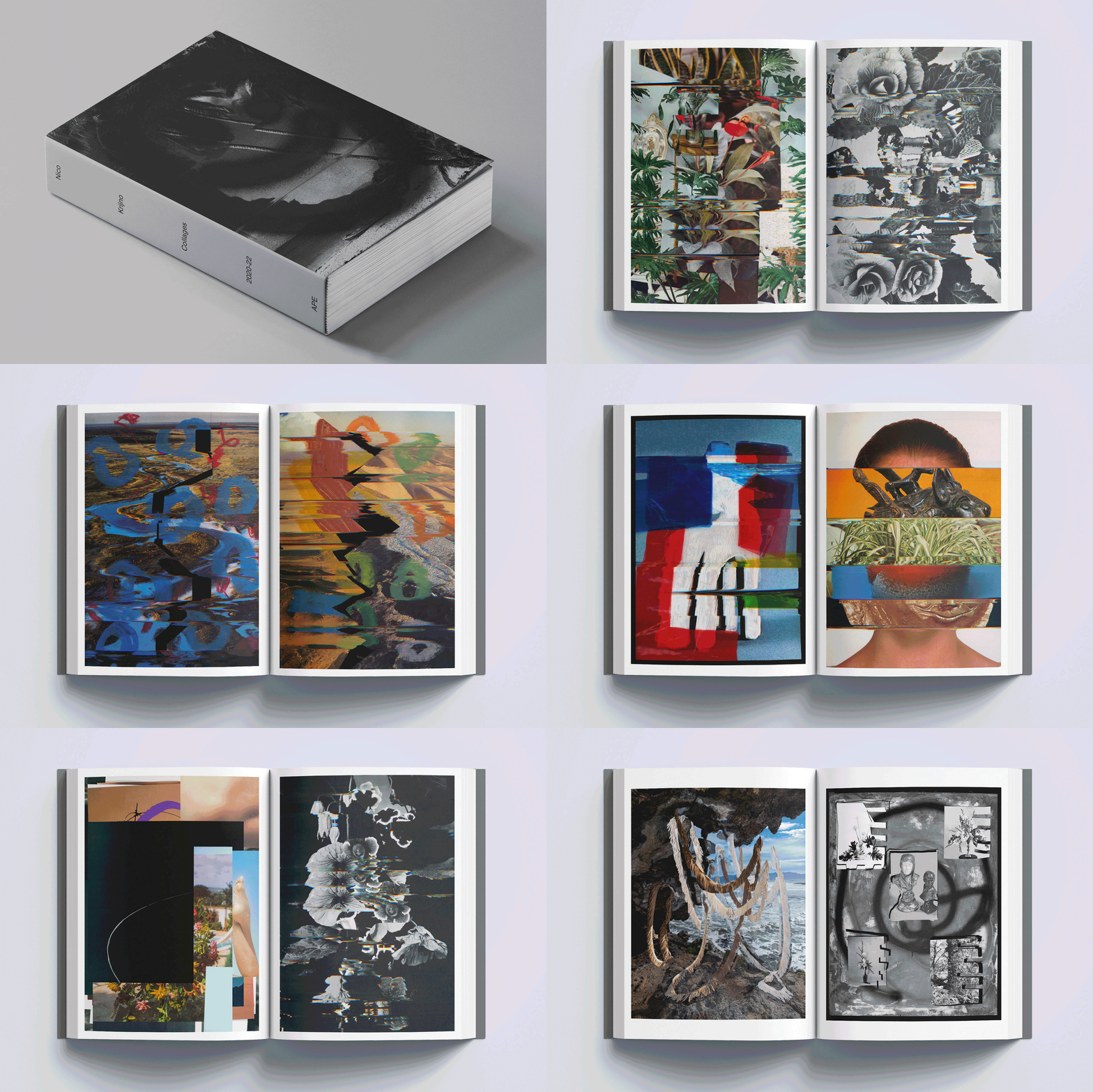
On paper, a book may seem a peculiar object to accommodate Nico Krijno’s work. By virtue of its form, a book is finite, a neat vessel that lends itself to those narratives with a beginning and end. Krijno’s work, however, is not finite; it has no resolution or discernible moments that can be easily pointed at, bound and labeled. And neither does it ebb or flow in tidy rhythms but accumulates, constantly and relentlessly. If anything, Krijno’s work feels — as it always has — more akin to some outpouring of seemingly blithe, childlike play: disorientating and fantastical, and at times almost absurd, but wondrous nevertheless. It is this outpouring though that puts Krijno’s work at odds with the book.
Yet for all of this, the book, of which Collages 2020-22 is the latest and most generous, feels a necessary endeavour. When seen in this way, en masse yet contained, it is arguably when we can best understand Krijno. Here we can understand the gravity of performance and process; understand how his work is always more than the sum of its parts; understand how he drifts in one direction to unravel new forms and ideas before returning to a more familiar albeit now different path. And we can understand that for all the similarities his work has with unbridled play, there is something more pointed, more intentional; a kind of persistence and eagerness to exhaust all possibilities that does not exist in the wholly innocent play of a child. Seen in an exhibition or online, one fragmented and the other truly endless, these characteristics and intentions feel more hidden, less tangible. It could be said then that Collages 2020-22 is necessary on two fronts. First, as a way to better understand Krijno, and second, as a way to hold onto something that otherwise is inevitably fleeting.
I

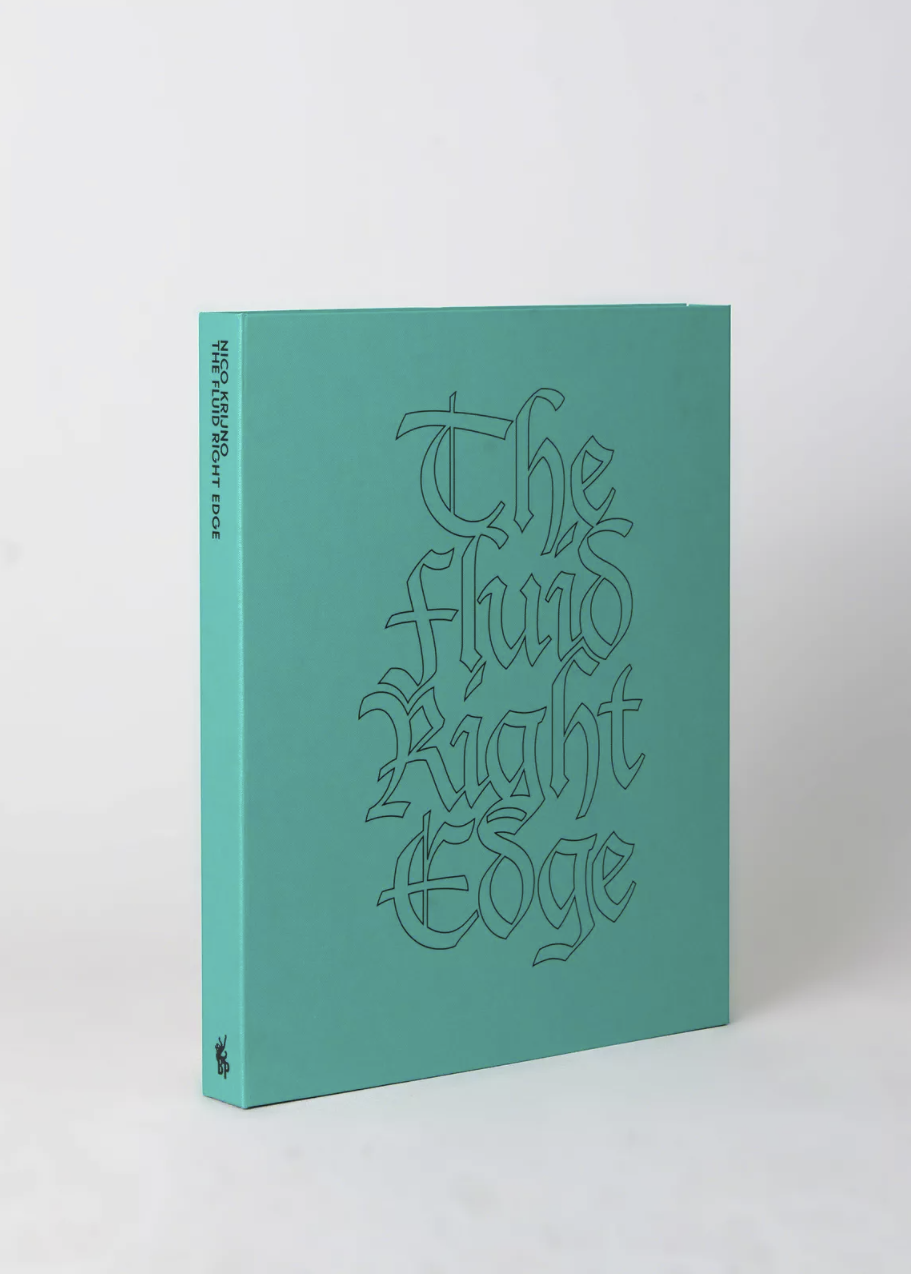


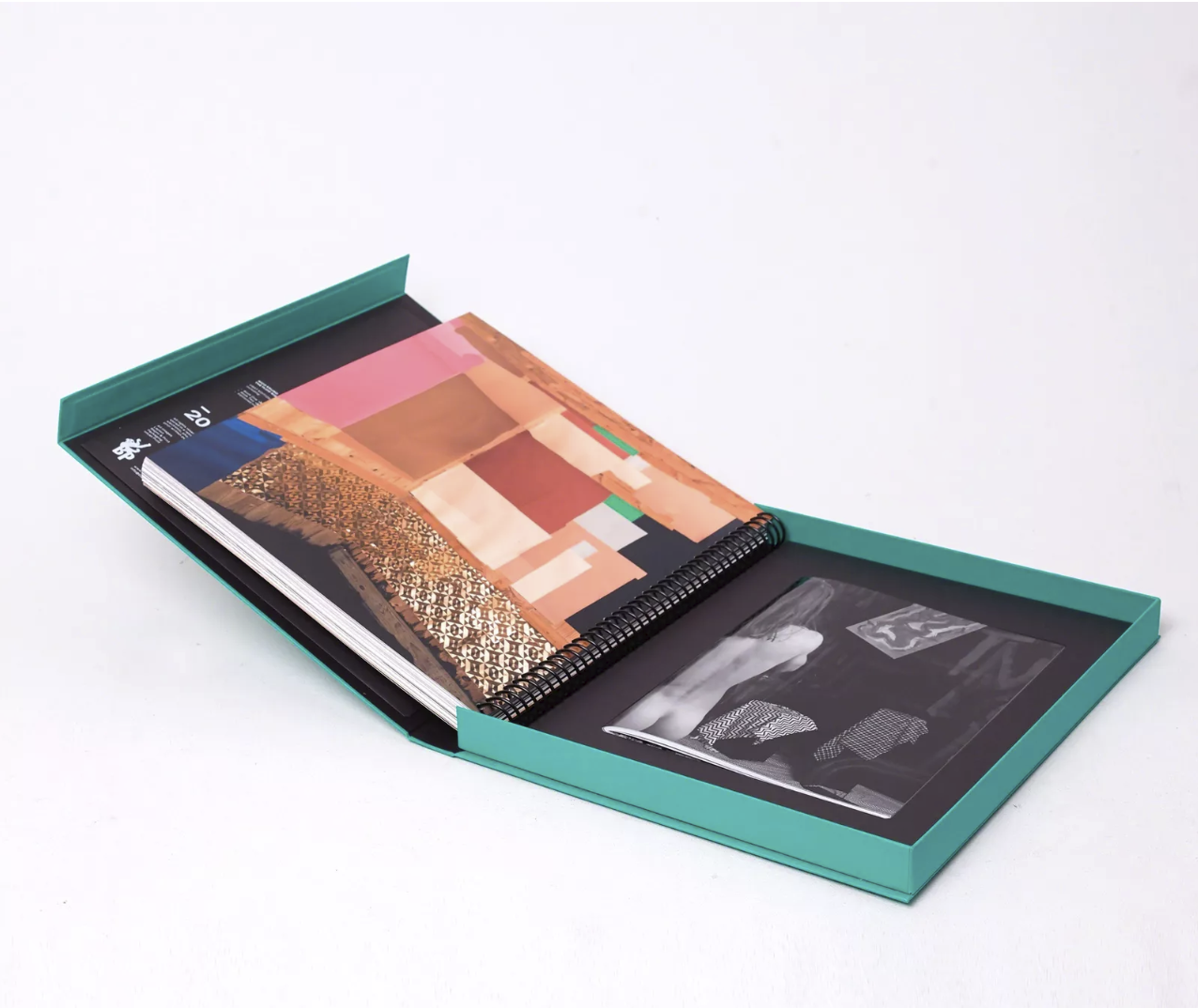

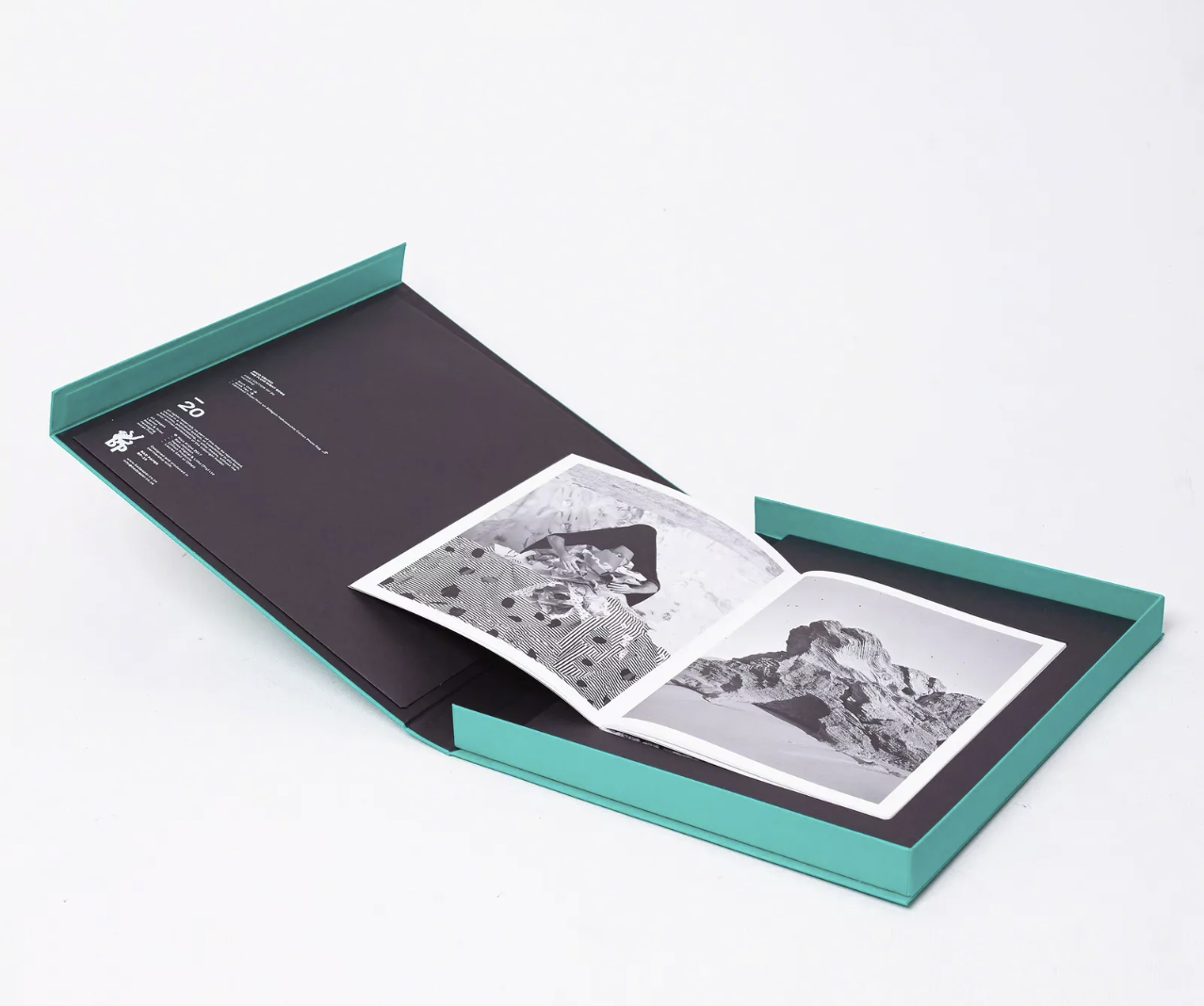


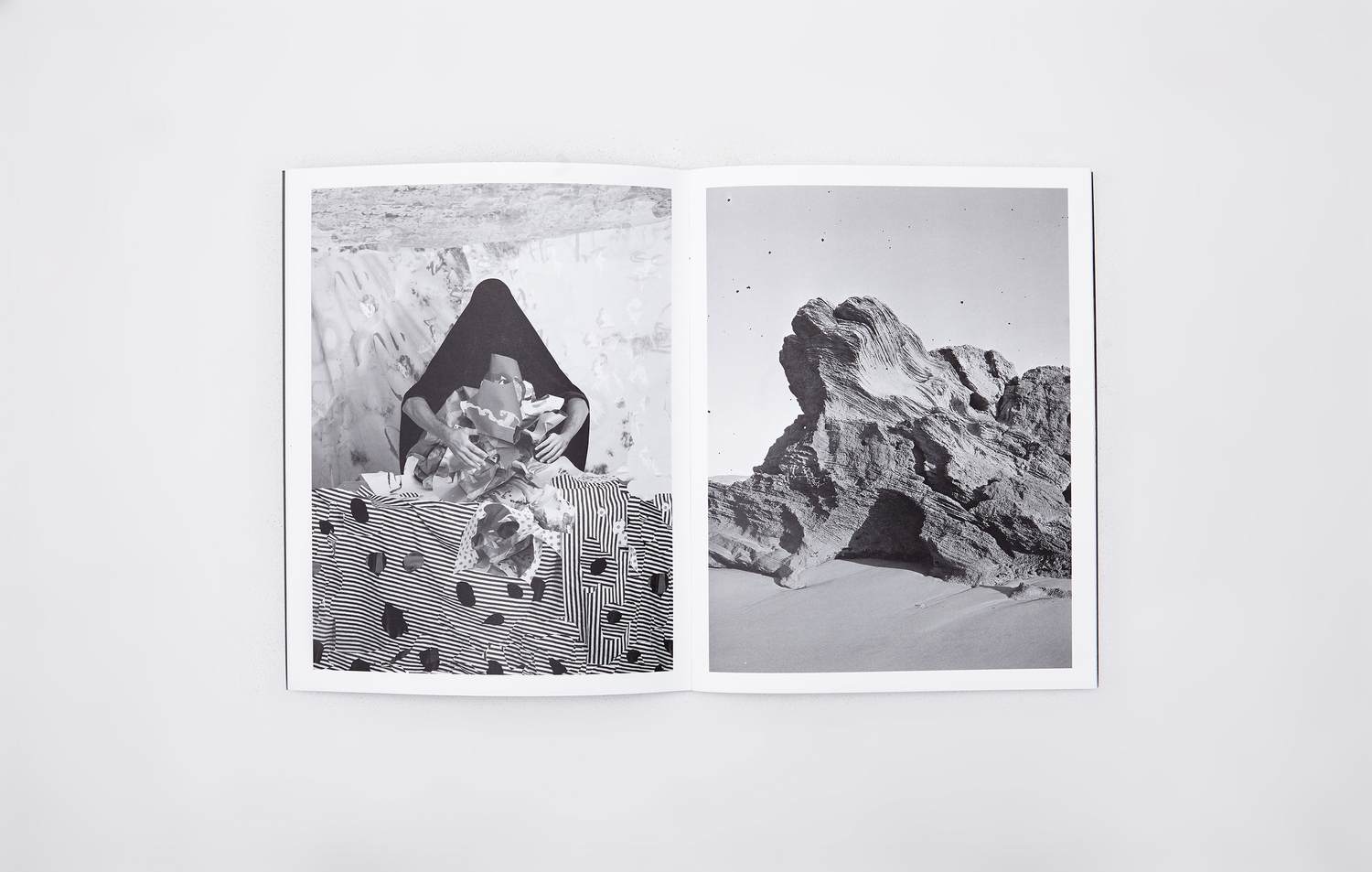
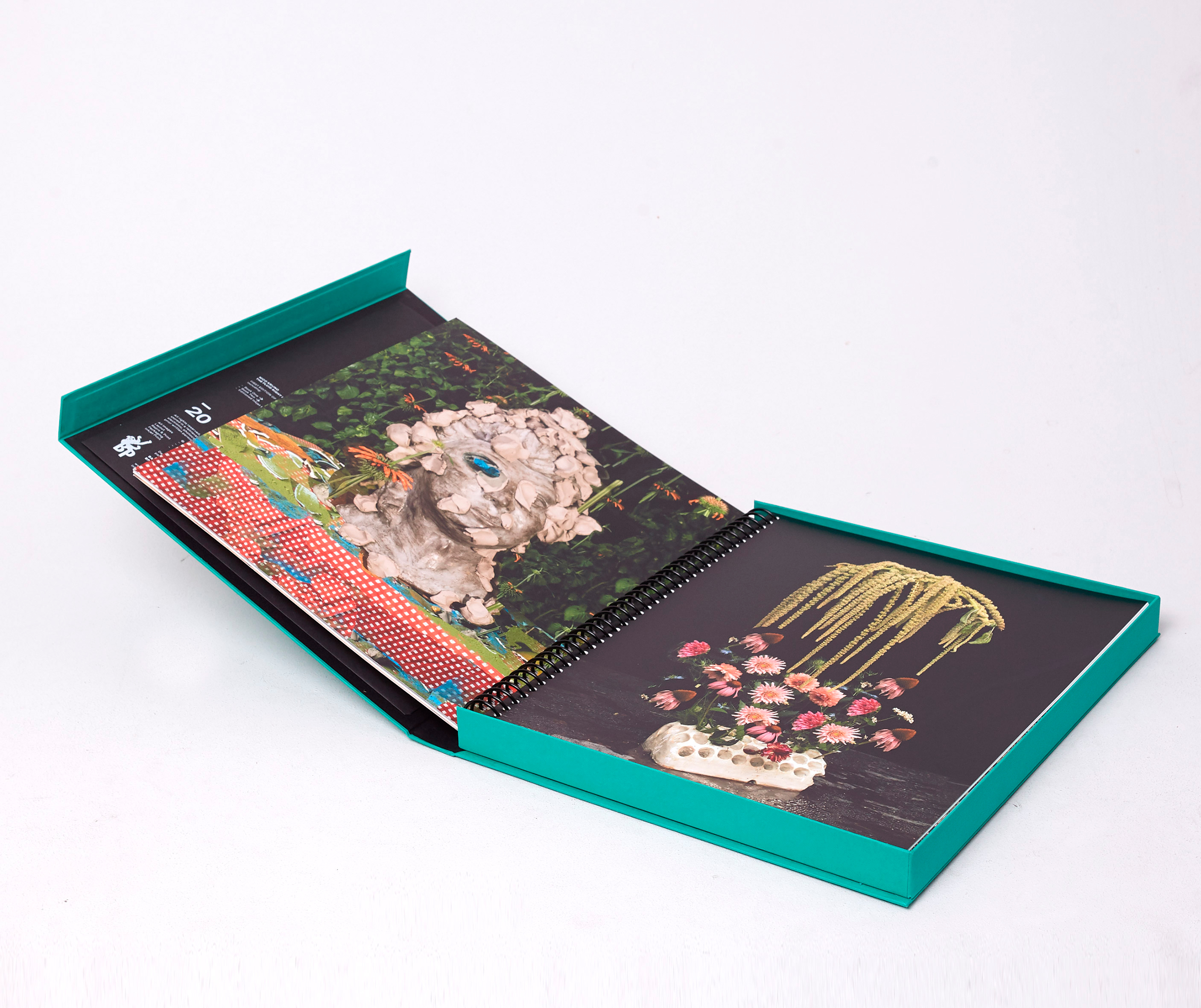


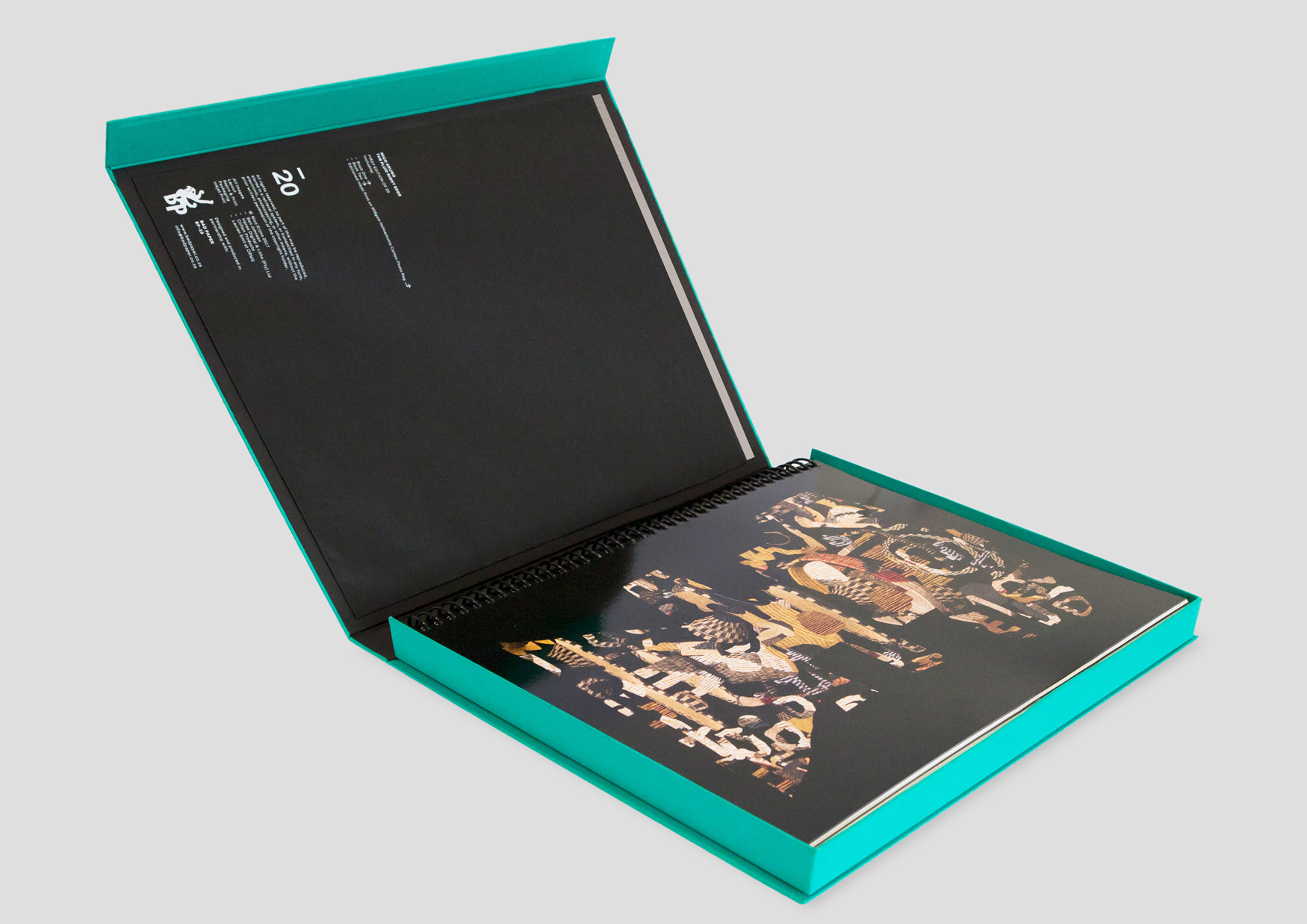


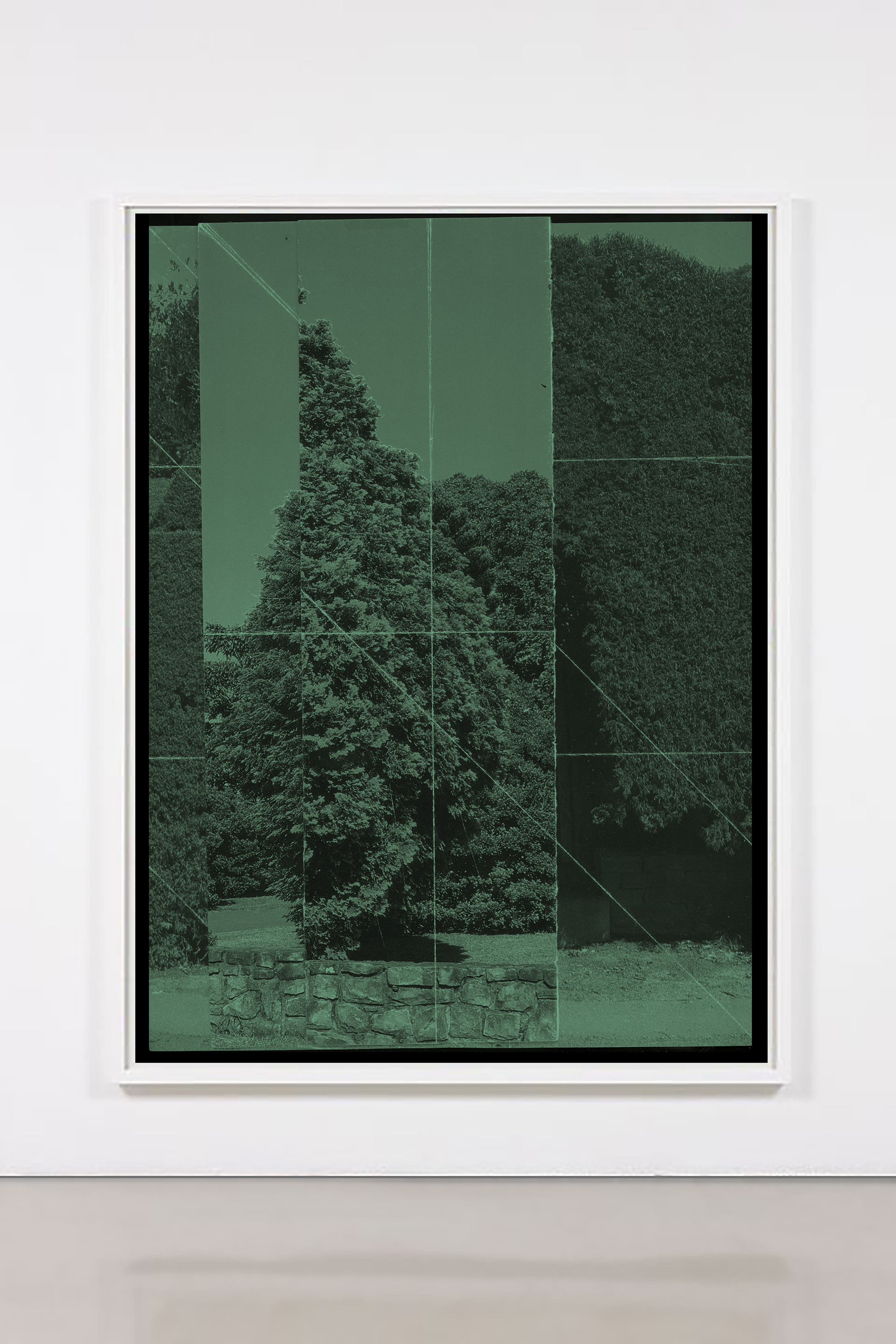
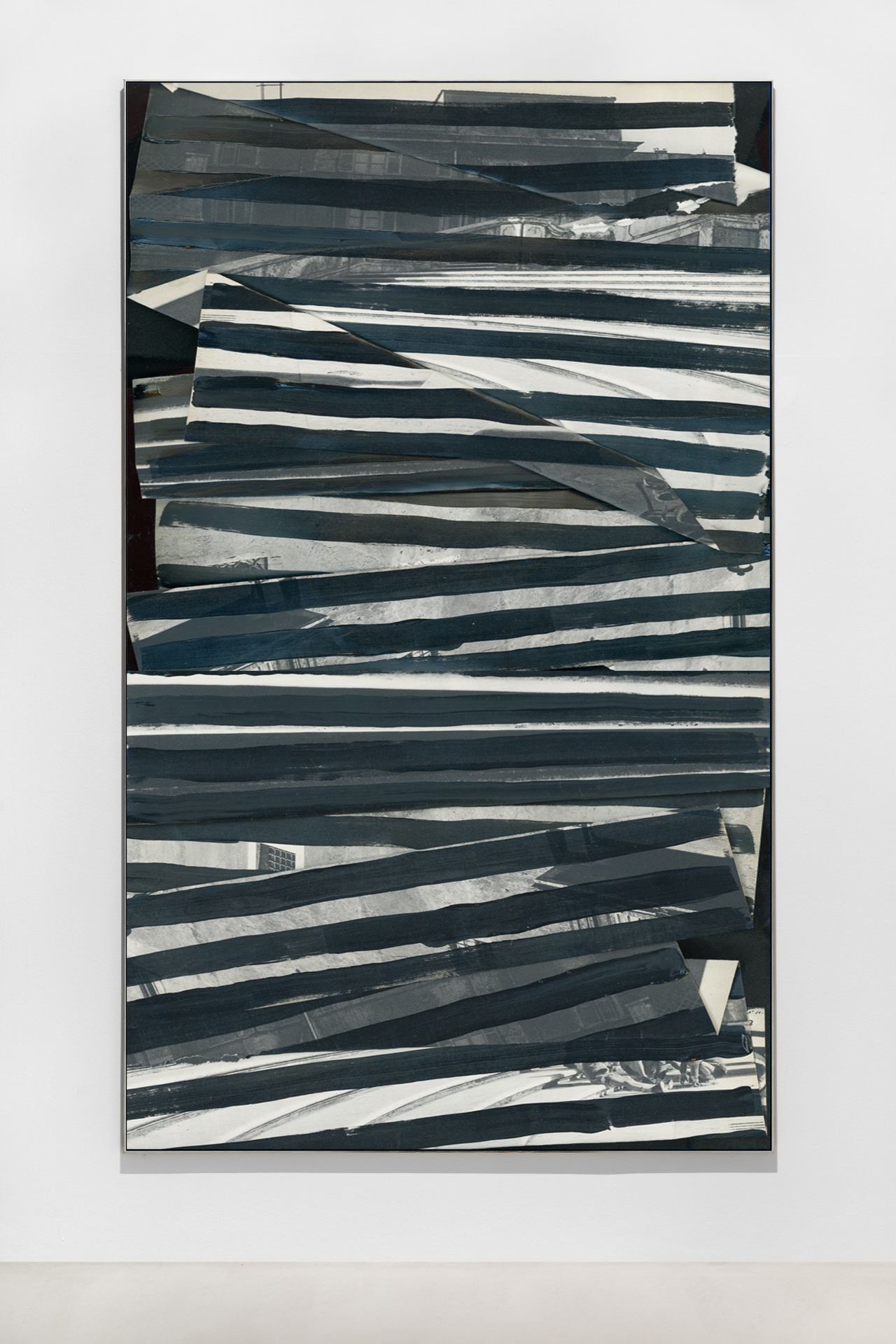
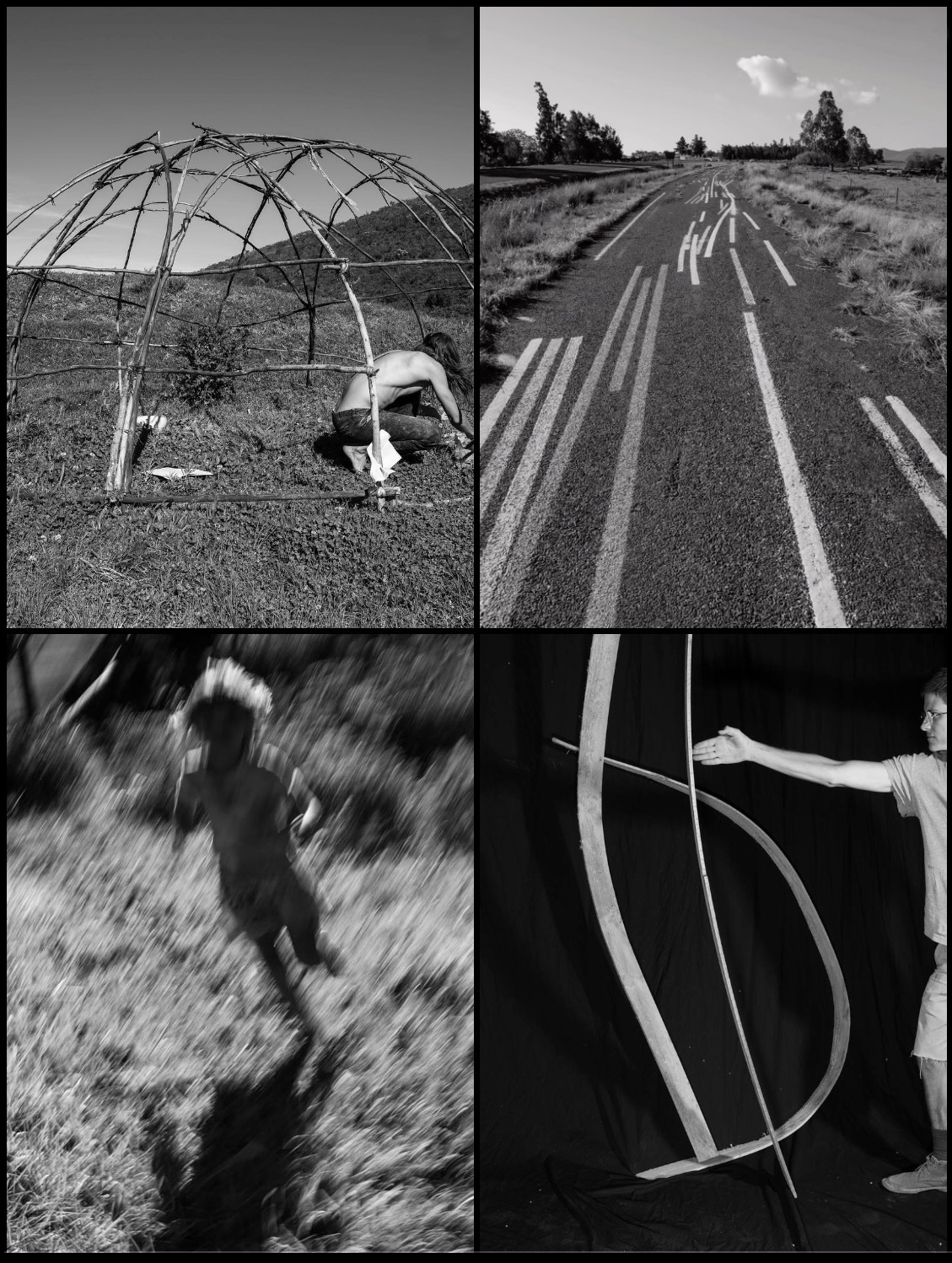
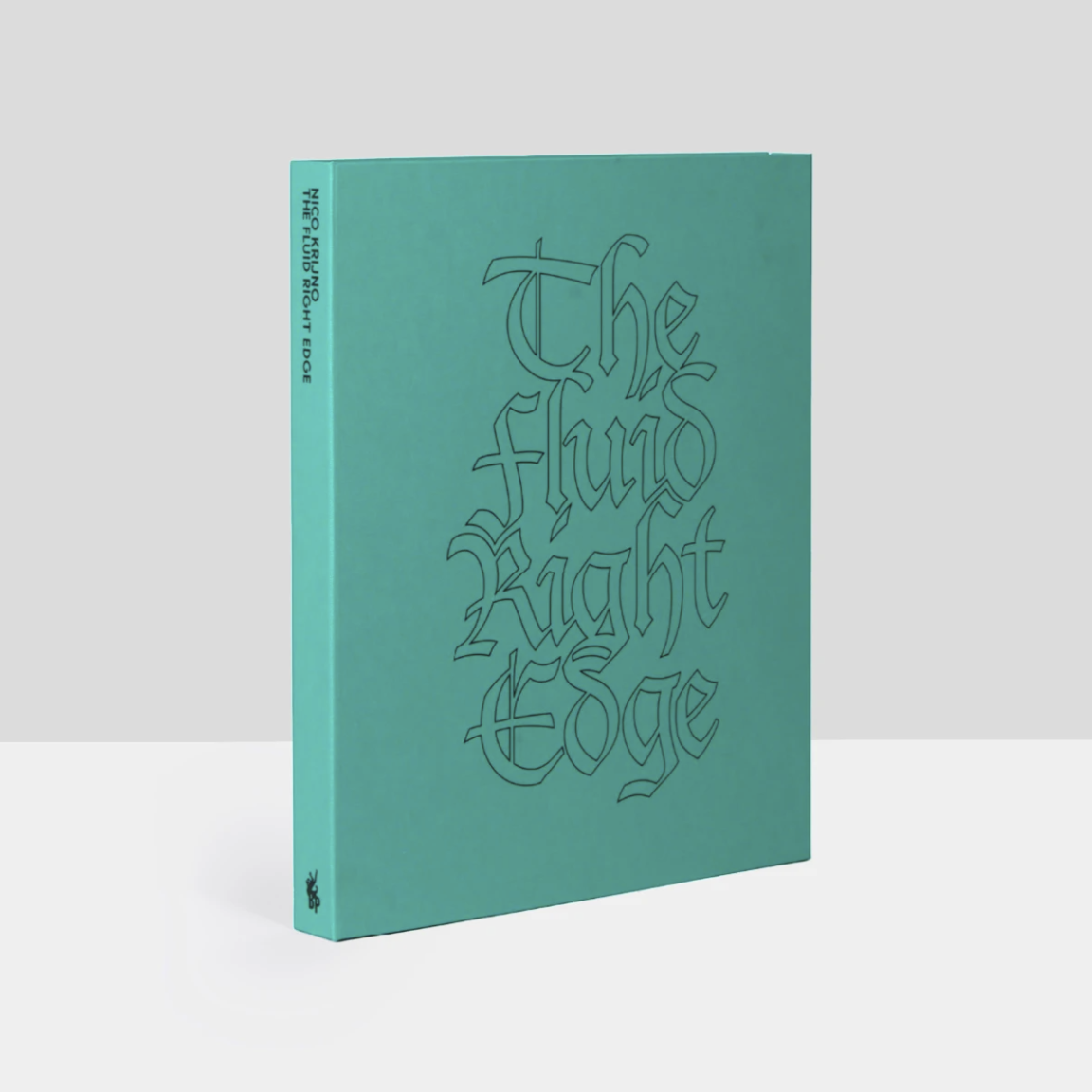
The Fluid Right Edge, 2017
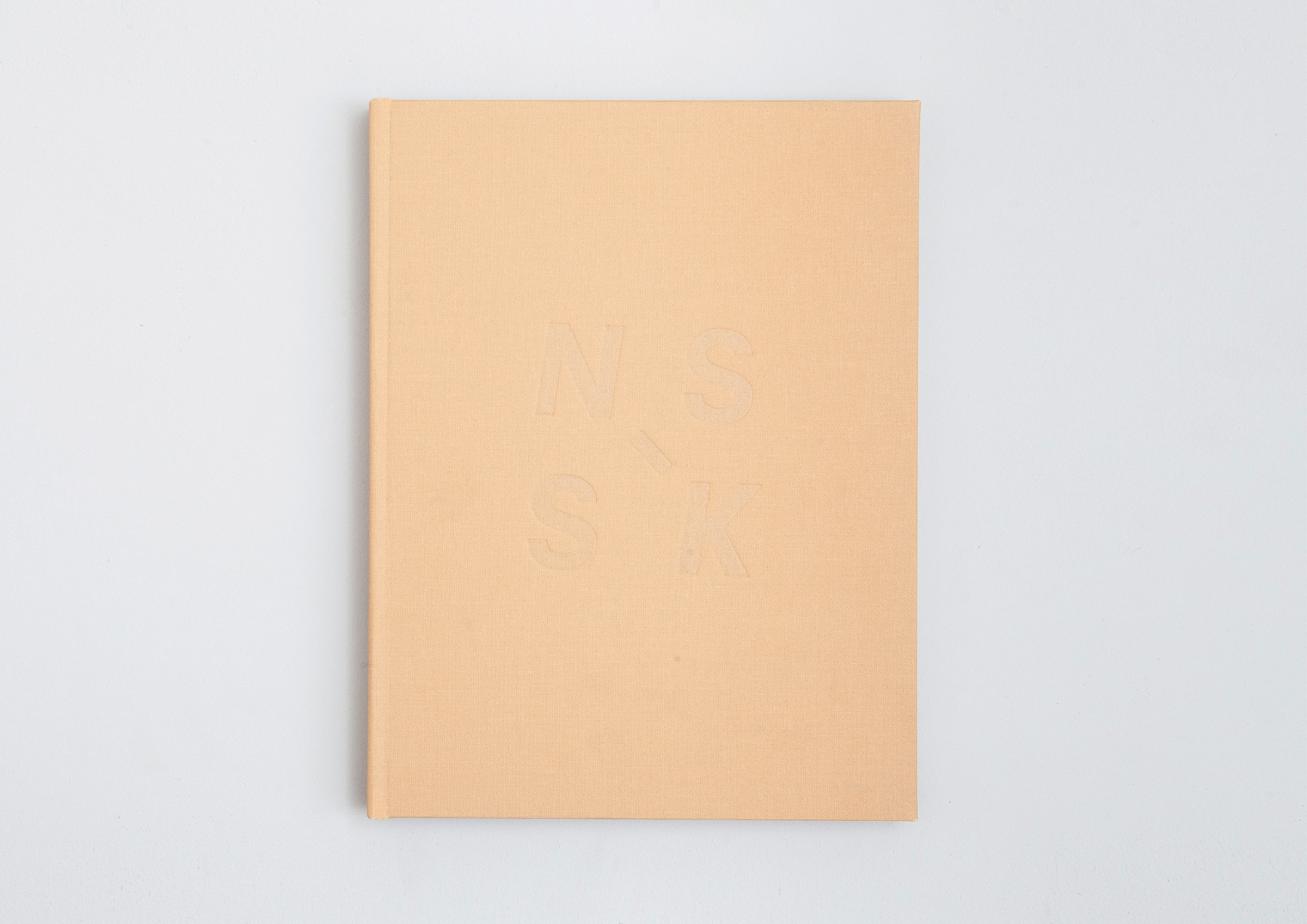

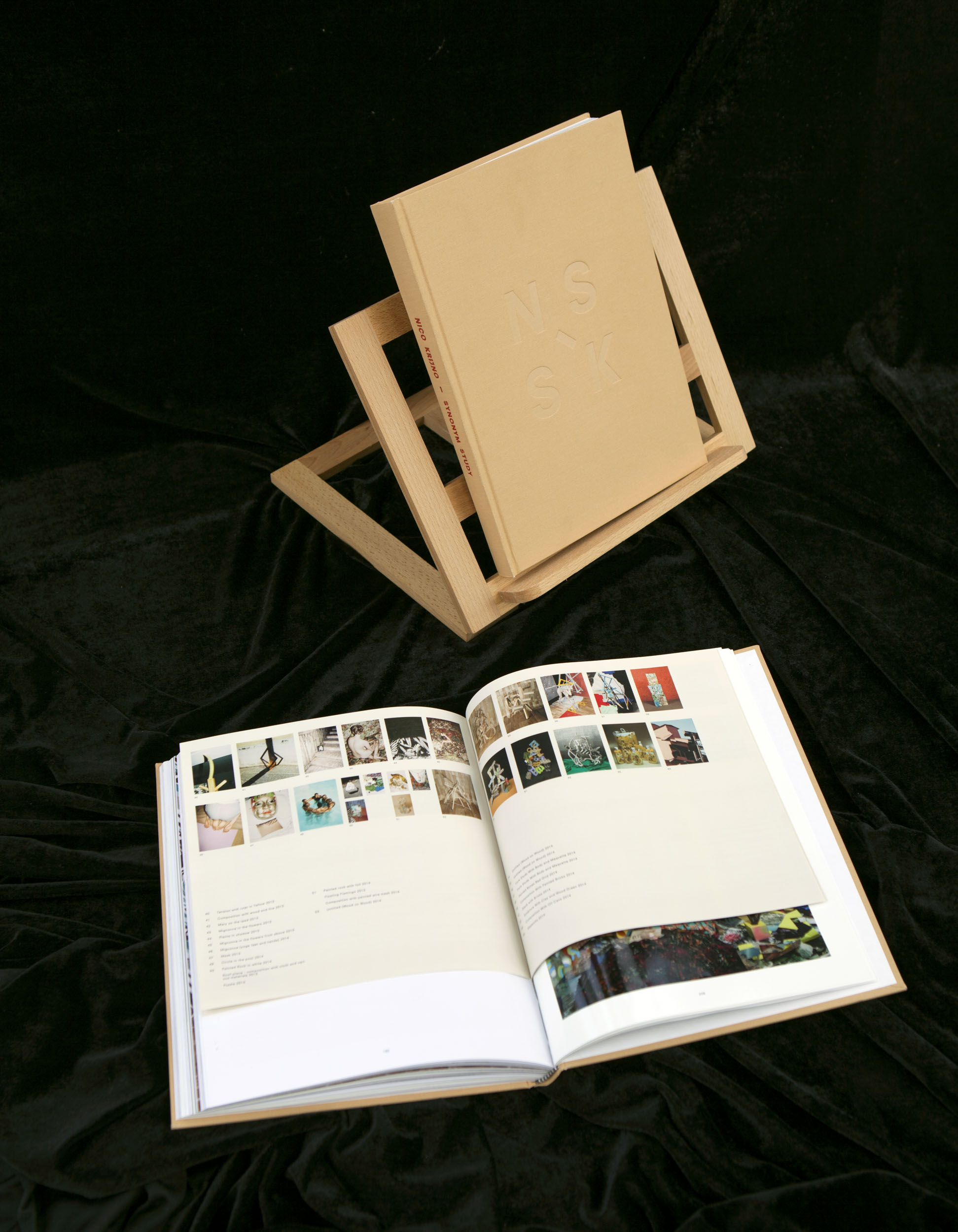

0+1 13.09.26.

NICO KRIJNO
Born 1981, Cape Town, South Africa
Lives and works just outside Cape Town, South Africa
x
OFF Bratislava Festival, Bratislava, Slovakia (NOV. 2026)
MURK (Monograph), Witty Books, Turin, Italy (NOV. 2026)
![]()
︎
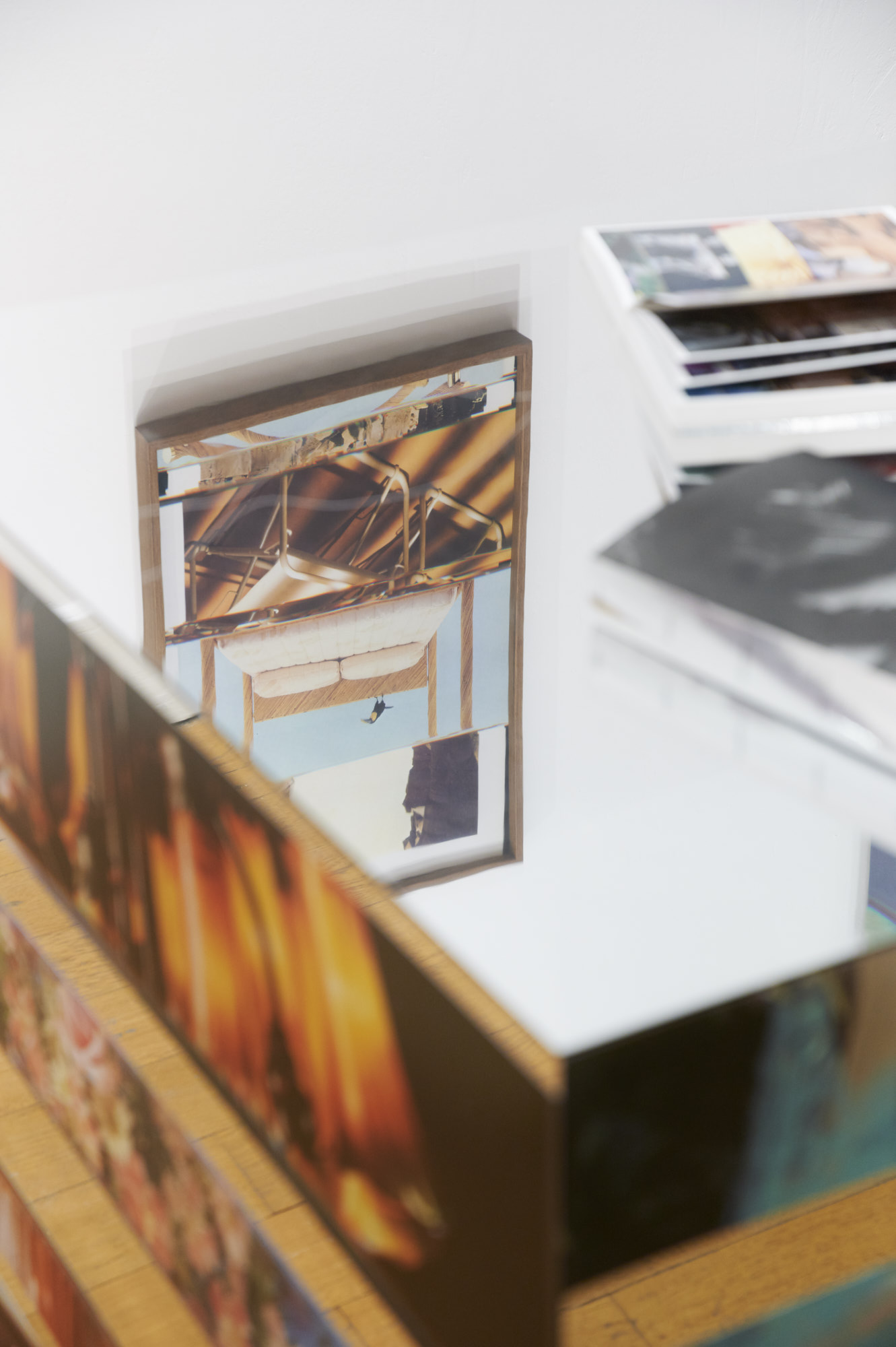
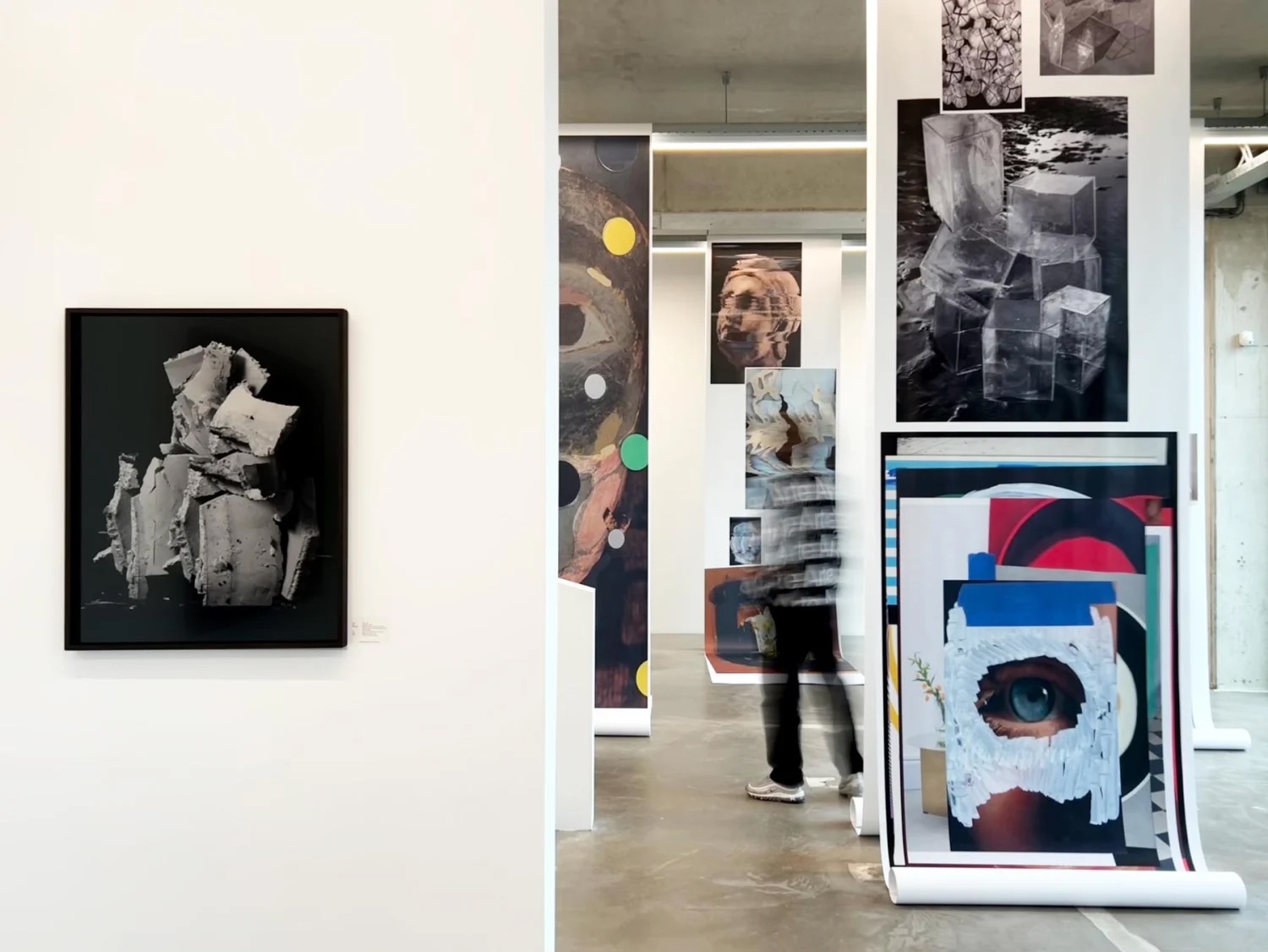
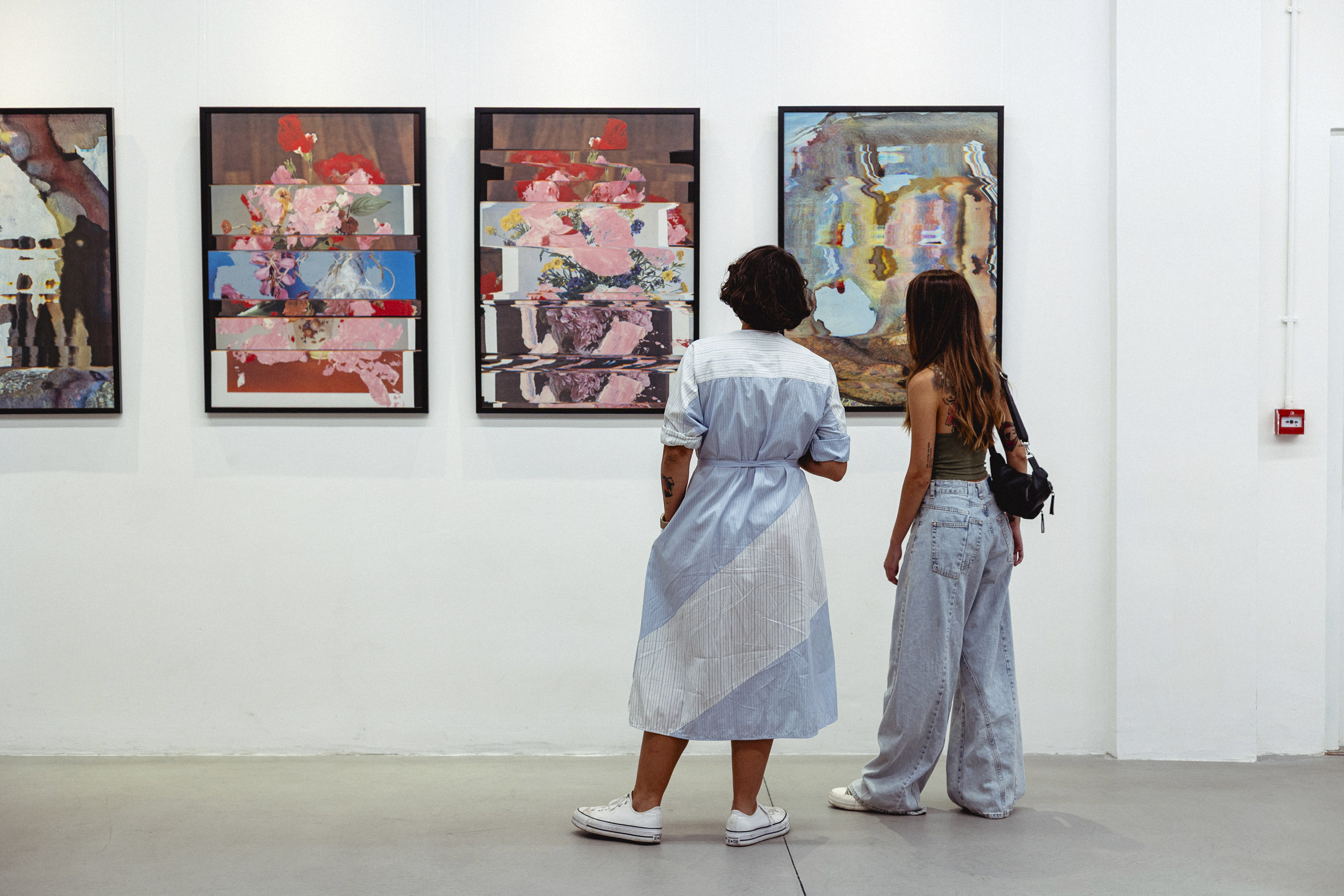
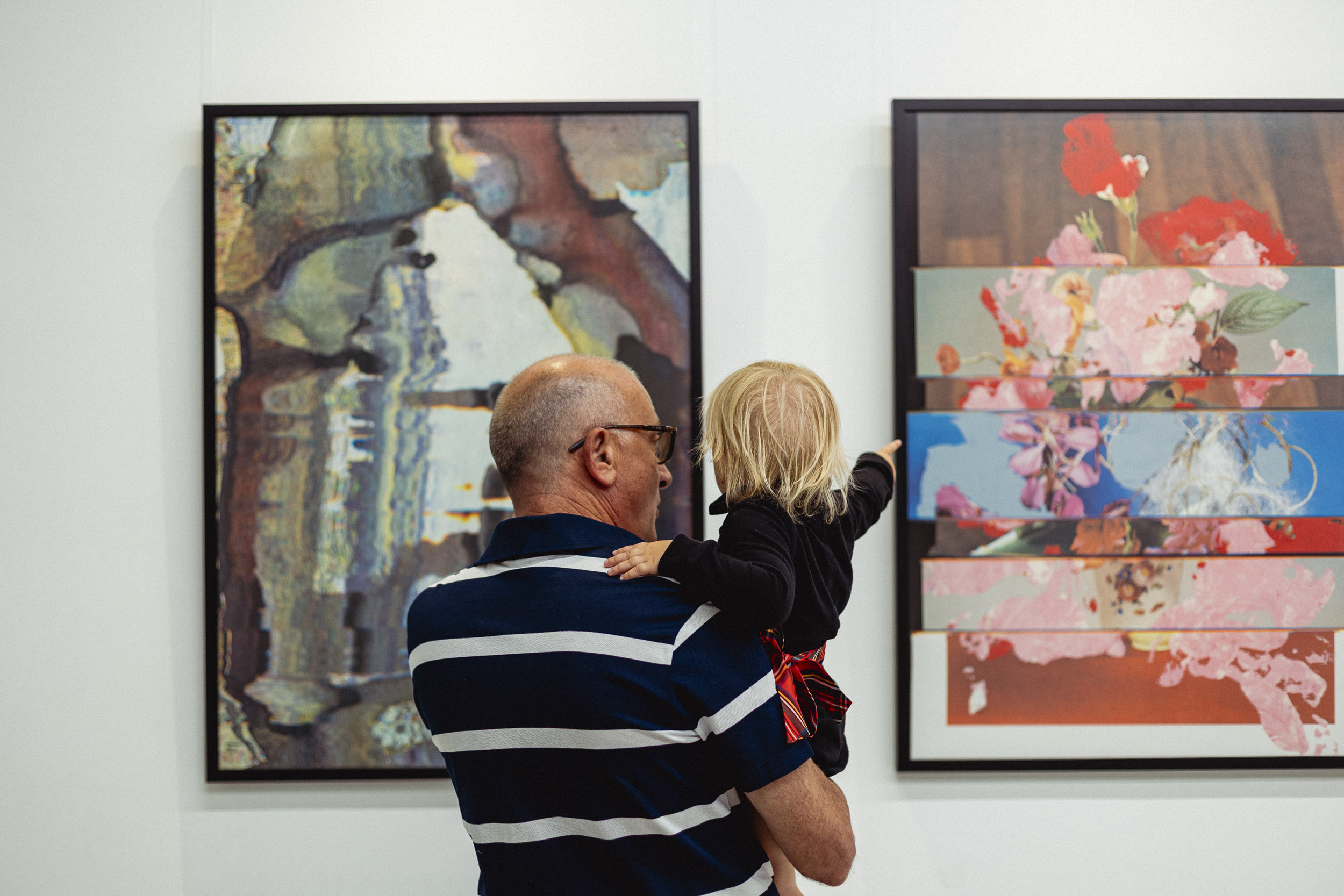
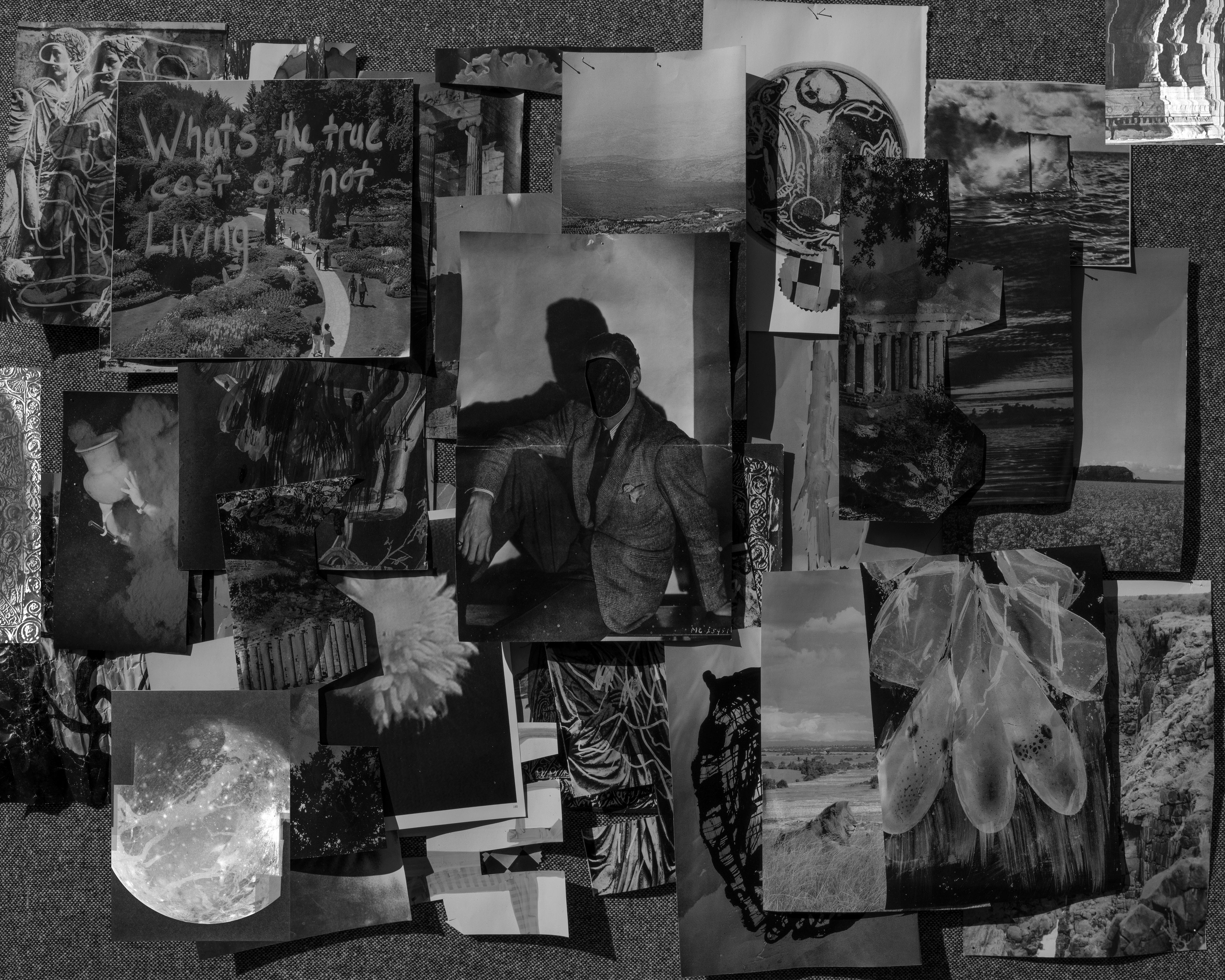
I keep coming back to what happens when images are placed against, beside, or opposite one another. An image can carry one meaning on its own, but when it meets another, something shifts. A relationship emerges, or perhaps a relationship that was already there becomes visible.

I’m drawn to these associations, to the new meanings that surface when images are brought together. One image can alter the way we read another. A photograph can suddenly become strange, funny, melancholic, threatening, or tender simply because of what sits next to it
For me, the space between images can be as important as the images themselves. Meaning is not fixed inside a single picture. It moves between pictures: it accumulates, contradicts itself, and transforms.
I follow these connections intuitively, without always knowing where they will lead. Sometimes there is a visual echo, a shared gesture, a strange coincidence, or an emotional recognition that links two images. They may come from completely different places, but when they meet, something clicks into place
In the studio, I move images around until a tension or a resonance appears. That’s often where the work begins. Slowly, the image becomes part of a larger constellation. Relationships reveal themselves through proximity, accident, and intuition. Sometimes two images together can say something that neither could say alone
![]()
Collections
The Olympic Museum, Lausanne, Switzerland
Foam Fotografiemuseum Archive, Amsterdam, The Netherlands
Private and corporate collections in the USA, UK, The Netherlands, Switzerland, and South Africa
Awards & Recognition
2016 — Foam Talent, Foam Fotografiemuseum Amsterdam
2015 — Nominated for the Paul Huf Award
2014 — Shortlisted for the Paris Photo–Aperture Foundation Photobook Award (First Photobook Prize) for Synonym Study
Solo Exhibitions
2025 — 11th Session at L’Appartement, Images Vevey, Vevey, Switzerland
2025 — New Arrangements, The Grist, Malta
- 2023 — The Constellation, The Ravestijn Gallery, Amsterdam, The Netherlands
2019 — Leave Your Body Behind, Elizabeth Houston Gallery, New York, USA
2017 — The Fluid Right Edge, The Ravestijn Gallery, Amsterdam, The Netherlands
2017 — The Fluid Right Edge, Beetles + Huxley, London, UK
2015 — New Gestures: Fabricated to be Photographed, WHATIFTHEWORLD, Cape Town, South Africa
2015 — Under Construction, The Ravestijn Gallery, Amsterdam, The Netherlands
2015 — Solo Booth, Rotterdam Art Fair, The Ravestijn Gallery, Rotterdam, The Netherlands
2014 — Construction – Residency Show, 133 Arts, Johannesburg, South Africa
2013 — Fulcrum Study, Blank Gallery, Cape Town, South Africa
2011 — On How To Fill Those Gaps, Museum Gallery, Cape Town, South Africa
Selected Group Exhibitions, Festivals & Art Fairs
2026 — Fashion: The Image, Inside Out Centre for the Arts, Johannesburg, South Africa
2026 — OFF Bratislava Festival, Bratislava, Slovakia
2025 — Against the Grain, The Ravestijn Gallery, Amsterdam, The Netherlands
2024 — On Archives, Thirdspace, Bärengasse , Zürich
2023 — Monochromatic, The Ravestijn Gallery, Amsterdam, The Netherlands
2022 — Exclamation Mark, The Ravestijn Gallery, Amsterdam, The Netherlands
2022 — One of a Kind, The Ravestijn Gallery, Amsterdam, The Netherlands
2021 — Art Rotterdam, The Ravestijn Gallery, Rotterdam, The Netherlands
2020 — New Visions, The Henie Onstad Triennial for Photography and New Media, Høvikodden, Norway
2020 — PHOTO 2020, Melbourne, Australia
2019 — The Photography Show by AIPAD, Elizabeth Houston Gallery, New York, USA
2019 — Contemporary Visions 2019, BEERS London, London, UK
2017 — Unseen Photo Fair, Amsterdam, The Netherlands
2017 — The Photography Show by AIPAD, Beetles + Huxley, New York, USA
2017 — Throwing Shapes, SMITH Gallery, Cape Town, South Africa
2017 — Hush Hush, SMITH Gallery, Cape Town, South Africa
2017 — 1:54 Contemporary African Art Fair, Aperture Platform Africa Booth, New York, USA
2016 — New Flesh, Rubber Factory, New York, USA
2016 — Photo London, Huxley-Parlour, London, UK
2016 — Rituals and Performance, LagosPhoto Festival, Lagos, Nigeria
2015 — Romantik, Produzentengalerie, Cologne, Germany
2014 — Uncertain Terms, WHATIFTHEWORLD, Cape Town, South Africa
2013 — Wish You Were Here, MOPLA, Los Angeles, USA
2013 — A Painter’s Eye, Sublime & Devine, MOPLA, Los Angeles, USA
2013 — LOW SUBJECT, The Popular Workshop, San Francisco, USA
2013 — Bazaar II, Fairweather House, Cape Town, South Africa
2013 — BLOG RE-BLOG, Signal Gallery, Brooklyn, New York, USA
2013 — New Research, MOPLA / Camera16 Gallery, Milan, Italy
2013 — Syn/Aesthesia, Summerhall, Edinburgh, UK
2013 — Data Gallery, Montreal, Canada
2013 — When Form Becomes Attitude, Blank Projects, Cape Town, South Africa
2012 — Across the Great Divide, White Gloss Gallery, Los Angeles, USA
2012 — Eyes Closed, Eyes Open, Studio 41, Glasgow, UK
2011 — Chain Mail, Shoshana Wayne Gallery, Los Angeles, USA
Publications / Artist Books
2026 — MURK, Witty Books, Turin (forthcoming)
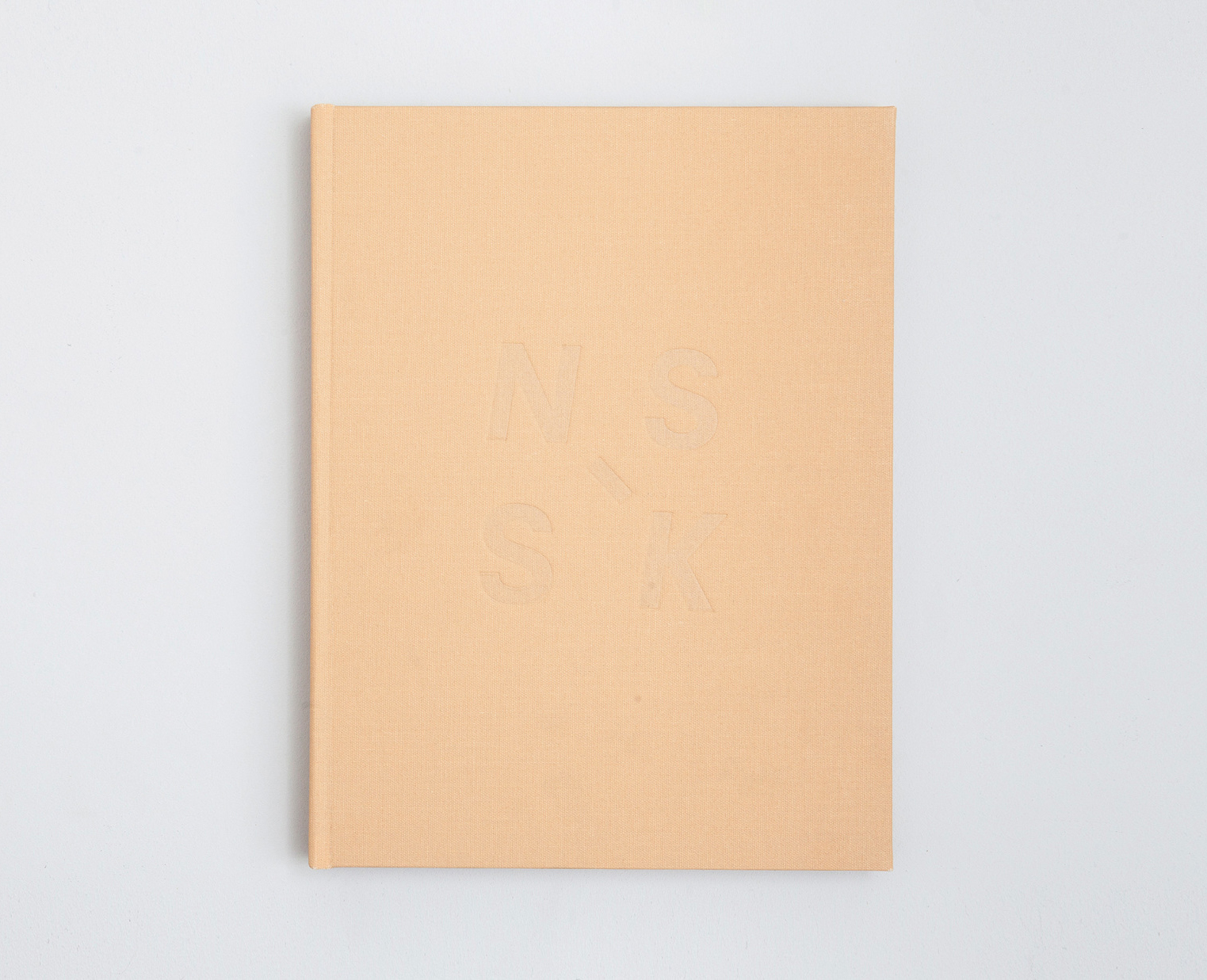
2022 — Collages, 2020-2022, Art Paper Editions, Gent
2019 — How to Leave Your Body Behind, Bfrank books
2017 — The Fluid Right Edge, Bad Paper
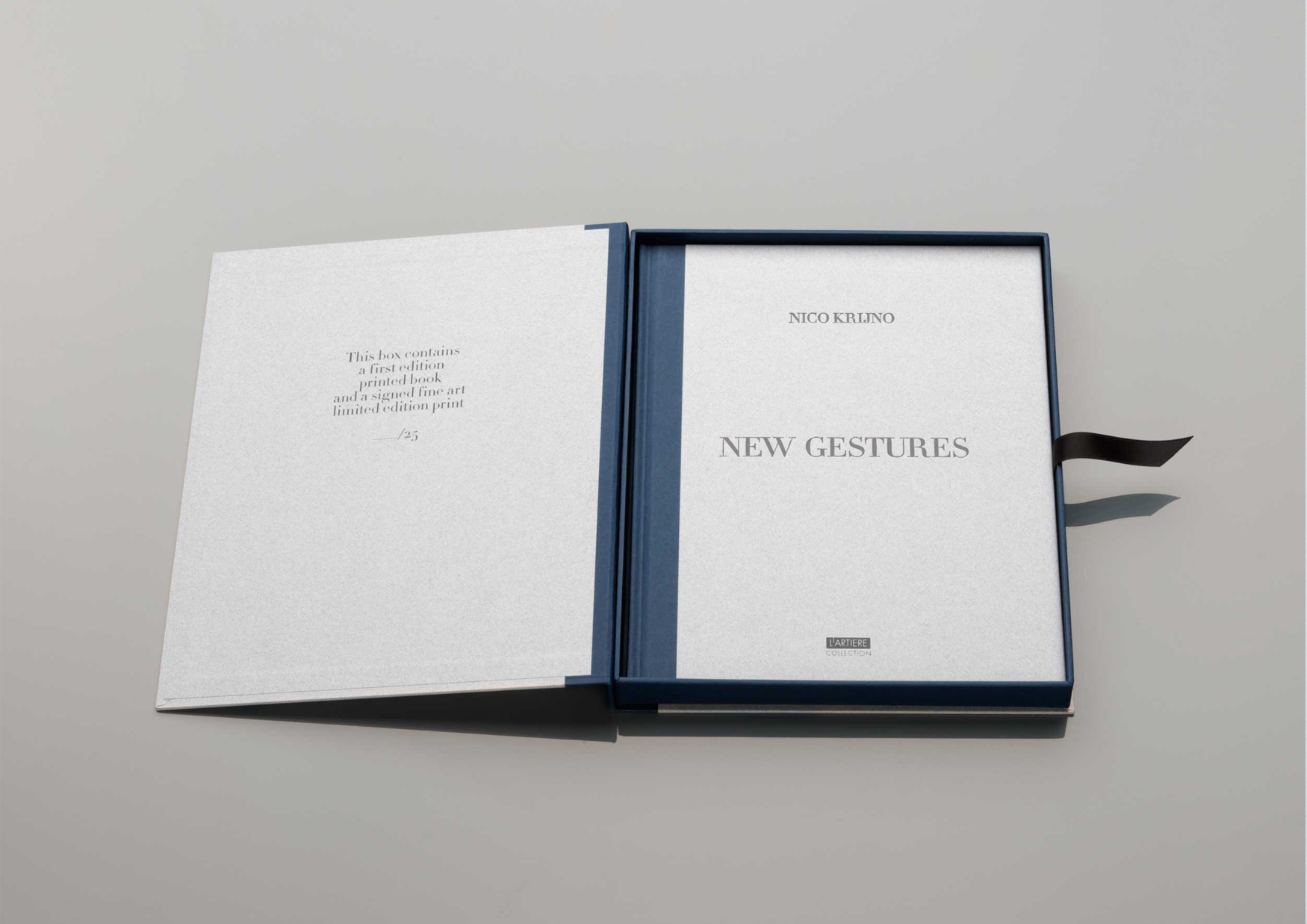
2016 — New Gestures, L’Artiere
2014 — Synonym Study, Self-published
Moving Image
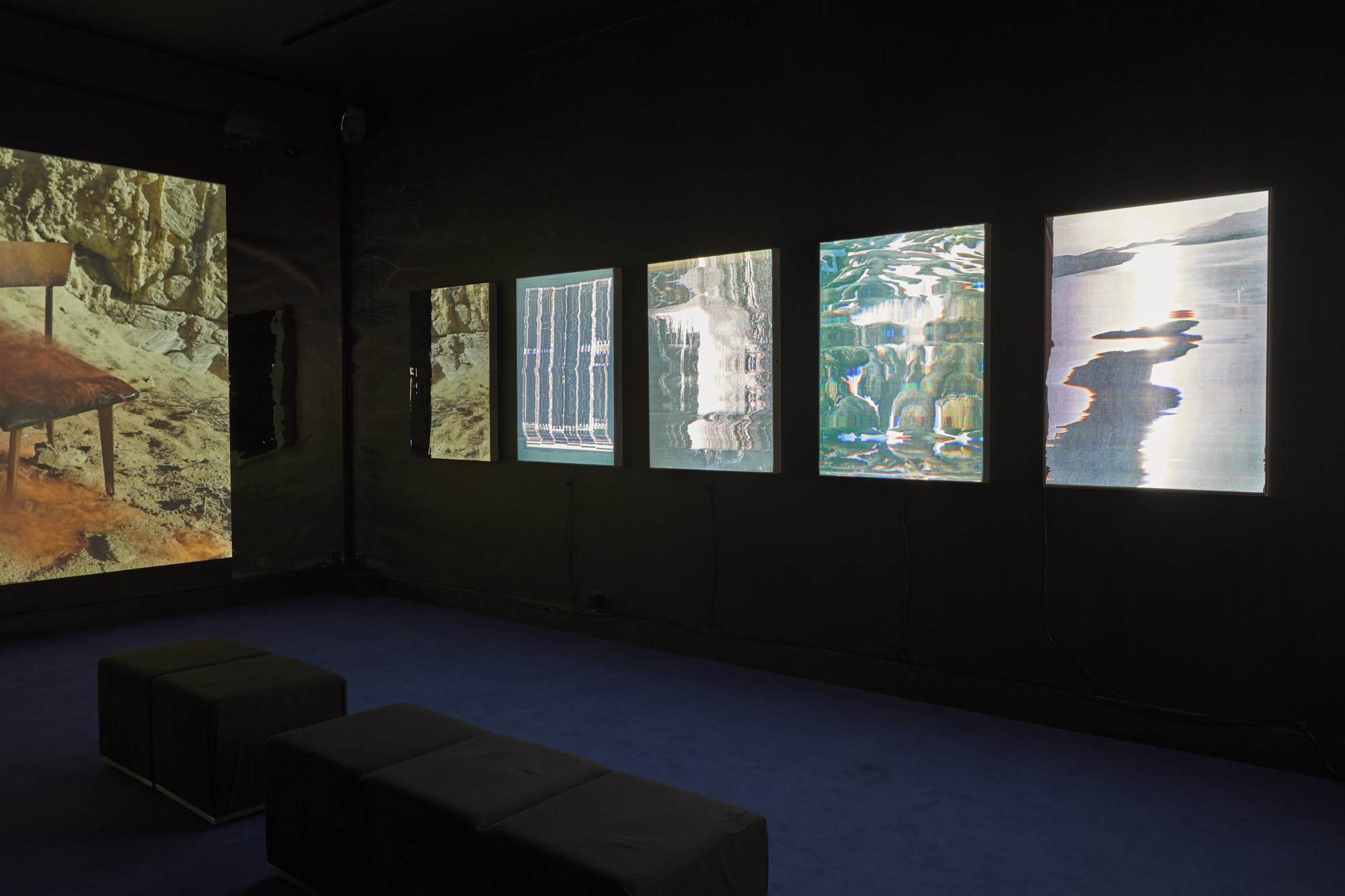
2025 — The Mouth of Time (15 min 24 sec), Images Vevey, Switzerland
2025 — In the Cave of the Lotus Eater (2 min 47 sec), Images Vevey, Switzerland
Residencies
2014 — 133 Arts Residency, Johannesburg, South Africa
2024 — Thirdspace, Sintra, Portugal
Awards & Recognition
2016 — Foam Talent, Foam Fotografiemuseum Amsterdam
2015 — Nominated for the Paul Huf Award
2014 — Shortlisted for the Paris Photo–Aperture Foundation Photobook Award (First Photobook Prize) for Synonym Study
Selected Interviews & Features
2025 — “In Conversation With: Nico Krijno,” The Ravestijn Gallery
2025 — “Six Questions: Nico Krijno,” Tique
2024 — “Nature vs Culture: A WIP Manifesto,” Impeached Magazine
2020 — “Evidence of Work: Nico Krijno’s Hypnotic Stills,” British Journal of Photography (1854)
2018 — “Nico Krijno’s New Work Steps into Energetic and Chaotic Set Design,” It’s Nice That
2017 — “On Show: Nico Krijno’s The Fluid Right Edge,” British Journal of Photography (1854)
Publications and Media
2025 — “Six Questions: Nico Krijno,” Tique
2025 — “In Conversation With: Nico Krijno,” The Ravestijn Gallery
2024 — “Nature vs Culture: A WIP Manifesto,” Impeached Magazine
2020 — “Evidence of Work: Nico Krijno’s Hypnotic Stills,” British Journal of Photography (1854)
2018 — “Nico Krijno’s New Work Steps into Energetic and Chaotic Set Design,” It’s Nice That
2017 — “On Show: Nico Krijno’s The Fluid Right Edge,” British Journal of Photography (1854)
2017 — The Fluid Right Edge, feature and interview, Beetles + Huxley / Huxley-Parlour
2016 — Featured artist, Foam Talent (Foam Fotografiemuseum Amsterdam)
2014 — Synonym Study, shortlisted publication, Paris Photo–Aperture Foundation Photobook Award
Selected Editorial Publications
Aperture
At Large
LensCulture
Dazed Digital
L’Officiel
Neon
Disturber
Another Magazine
The Light Observer
Apartamento


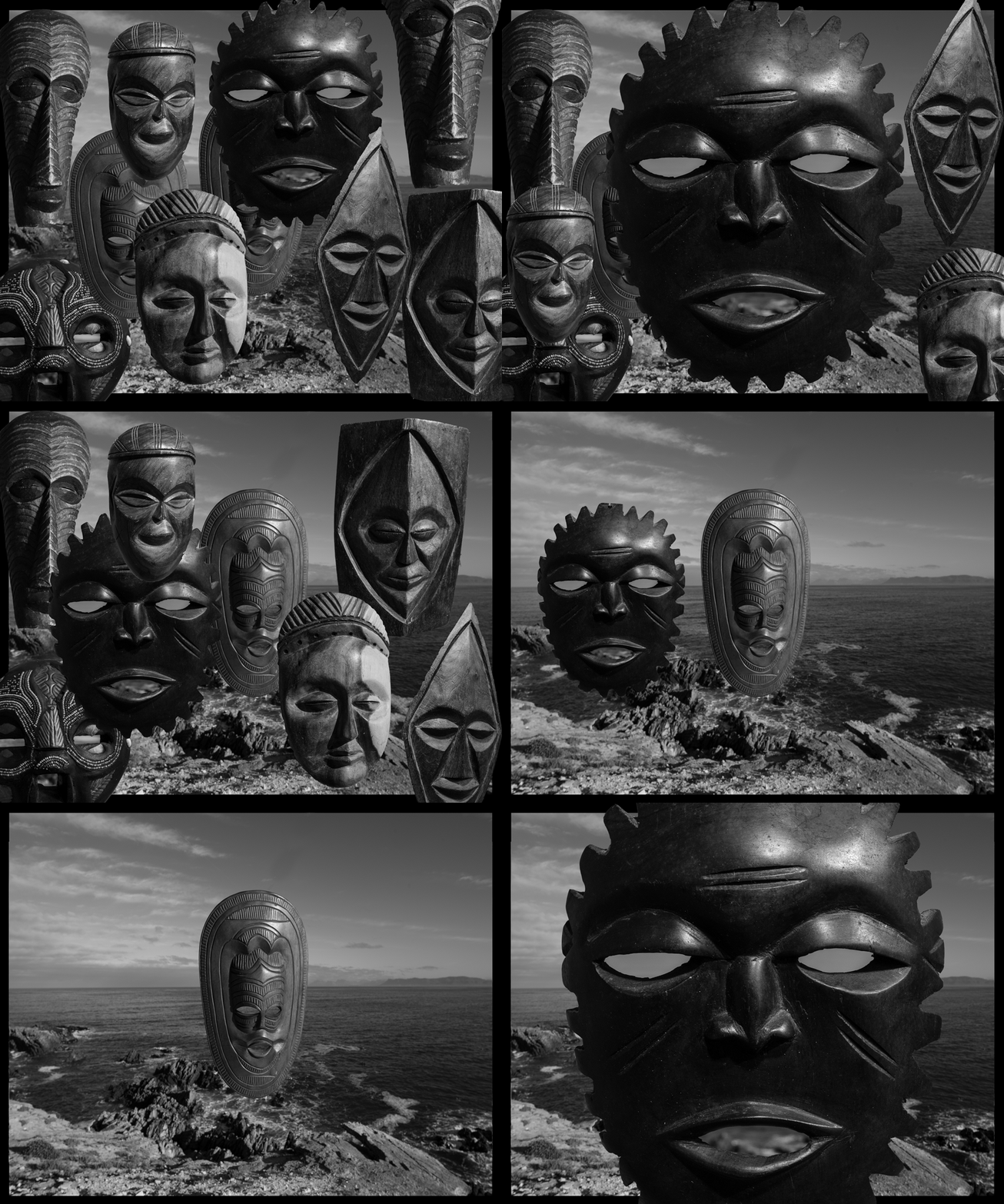

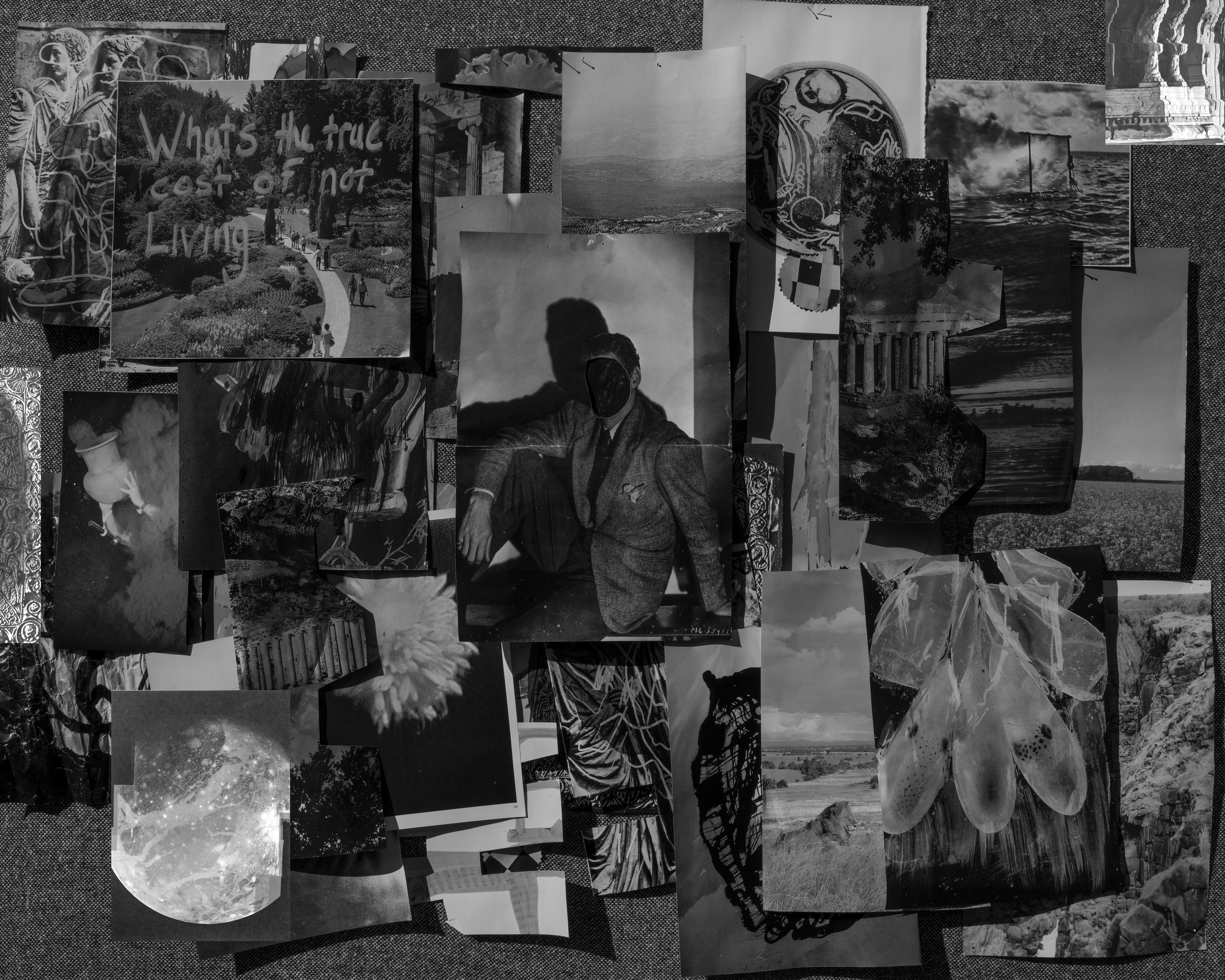



Nico Krijno (b. 1981, Cape Town, South Africa) is an artist working across photography, collage, sculpture, and moving image. With a background in theatre, experimental video, and filmmaking, he began developing his visual arts practice in the late 2000s, treating photography not as a recording device but as a material process through which objects, gestures, colour, and performance could be continually reconfigured.
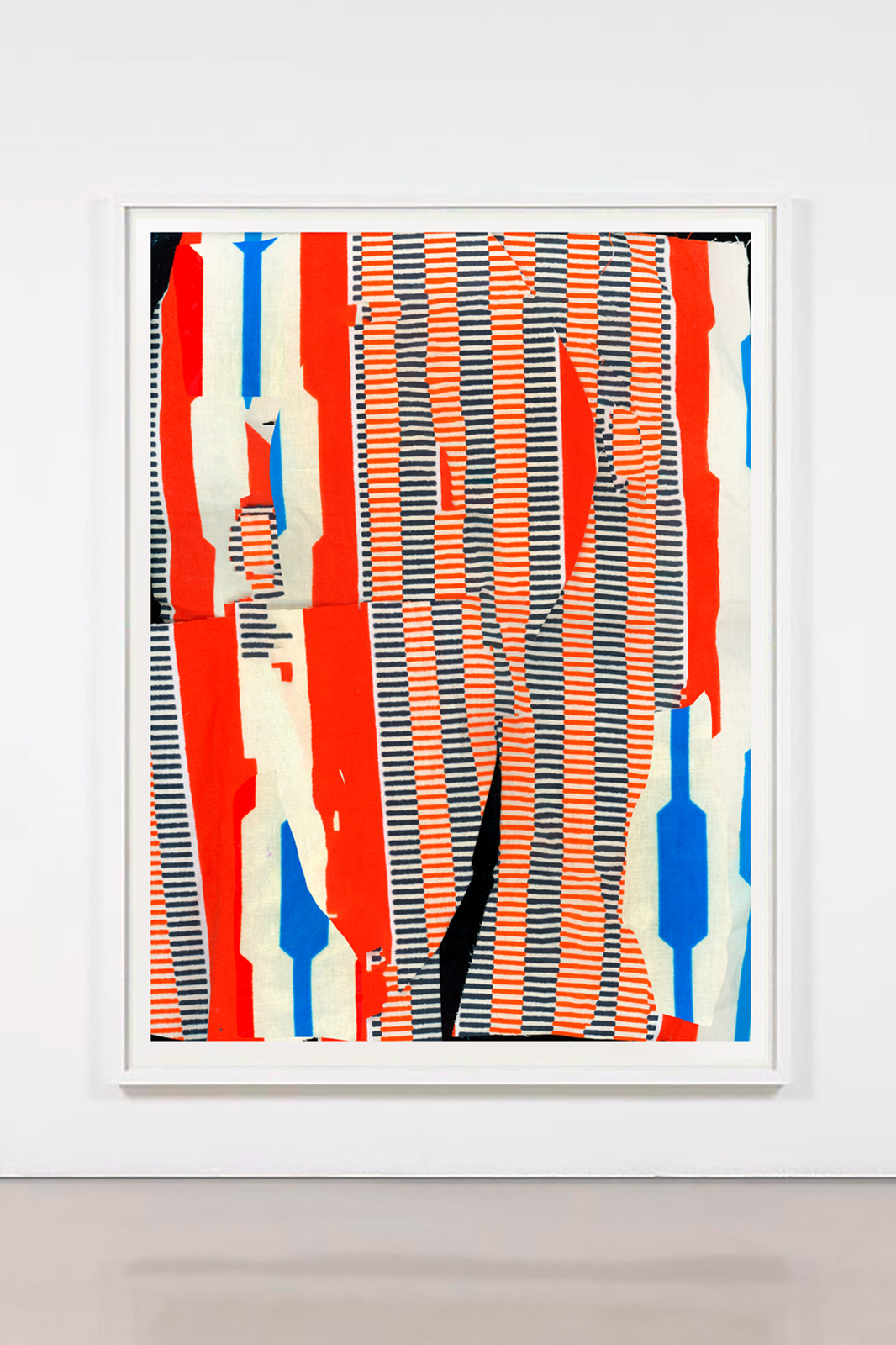
Working at the intersection of analogue and digital image-making, Krijno constructs ephemeral arrangements from found materials, domestic objects, natural forms, painted surfaces, and printed photographs, which are then photographed, manipulated, scanned, cropped, and reassembled. His practice resists fixed categories, moving fluidly between photography, collage, sculpture, installation, and film, and exploring how meaning emerges through accumulation, chance, repetition, and transformation.
His work has been presented internationally at venues including the Henie Onstad Triennial for Photography and New Media, PHOTO Melbourne, Images Vevey, and galleries in Amsterdam, London, New York, Los Angeles, and Cape Town. Solo exhibitions include The Constellation (The Ravestijn Gallery, Amsterdam), The Fluid Right Edge (The Ravestijn Gallery, Amsterdam; Beetles + Huxley, London), Leave Your Body Behind (Elizabeth Houston Gallery, New York), and New Gestures: Fabricated to be Photographed (WHATIFTHEWORLD, Cape Town).
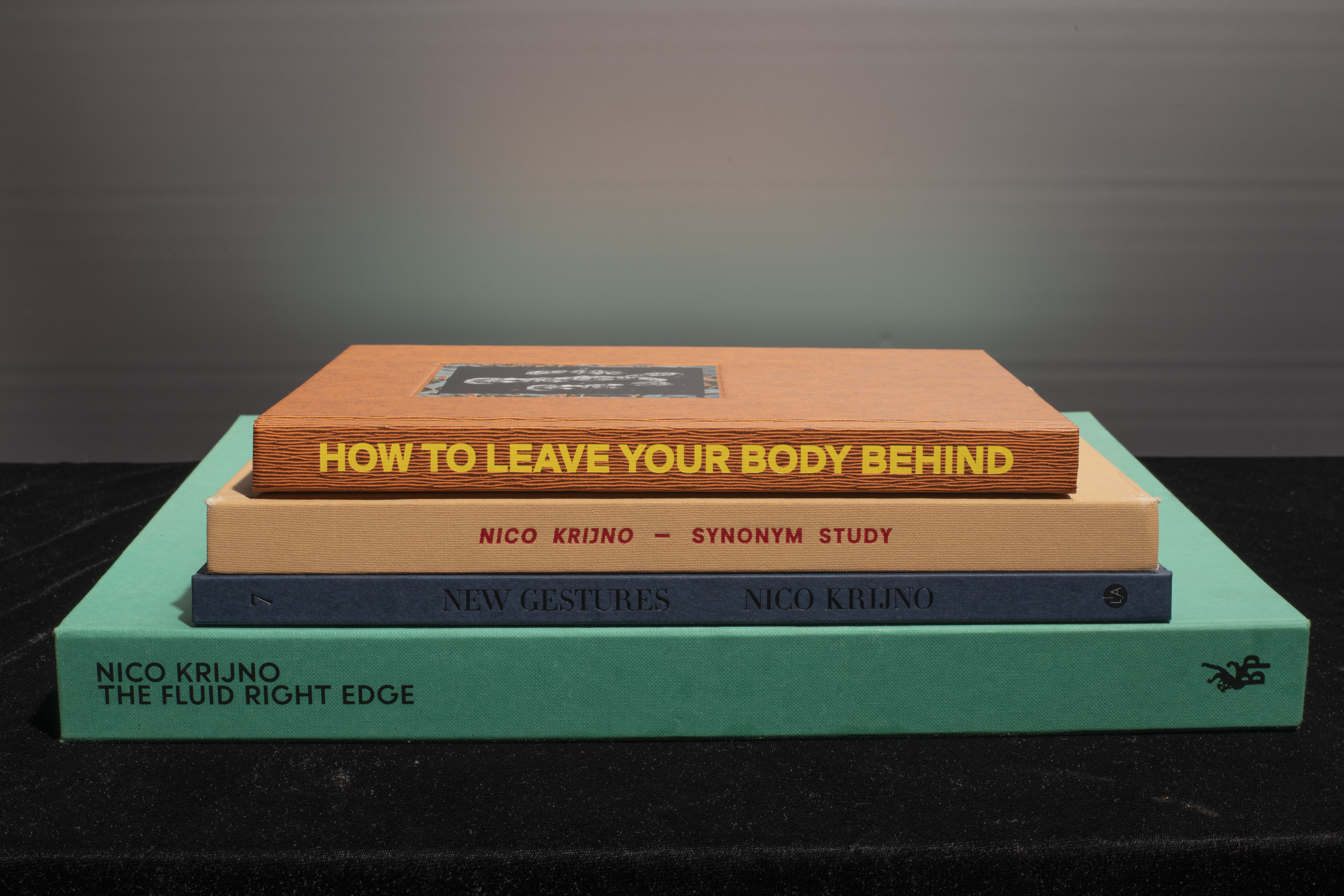
Krijno was selected for Foam Talent in 2016 and was nominated for the Paul Huf Award in 2015. His work has been featured by Aperture, British Journal of Photography, LensCulture, It’s Nice That, and other international publications. He has published the artist books New Gestures (2016), The Fluid Right Edge (2017), How to Leave Your Body Behind (2019), and the forthcoming monograph MURK (Witty Books, 2026).
He lives and works just outside Cape Town, South Africa.
Nature vs Culture:
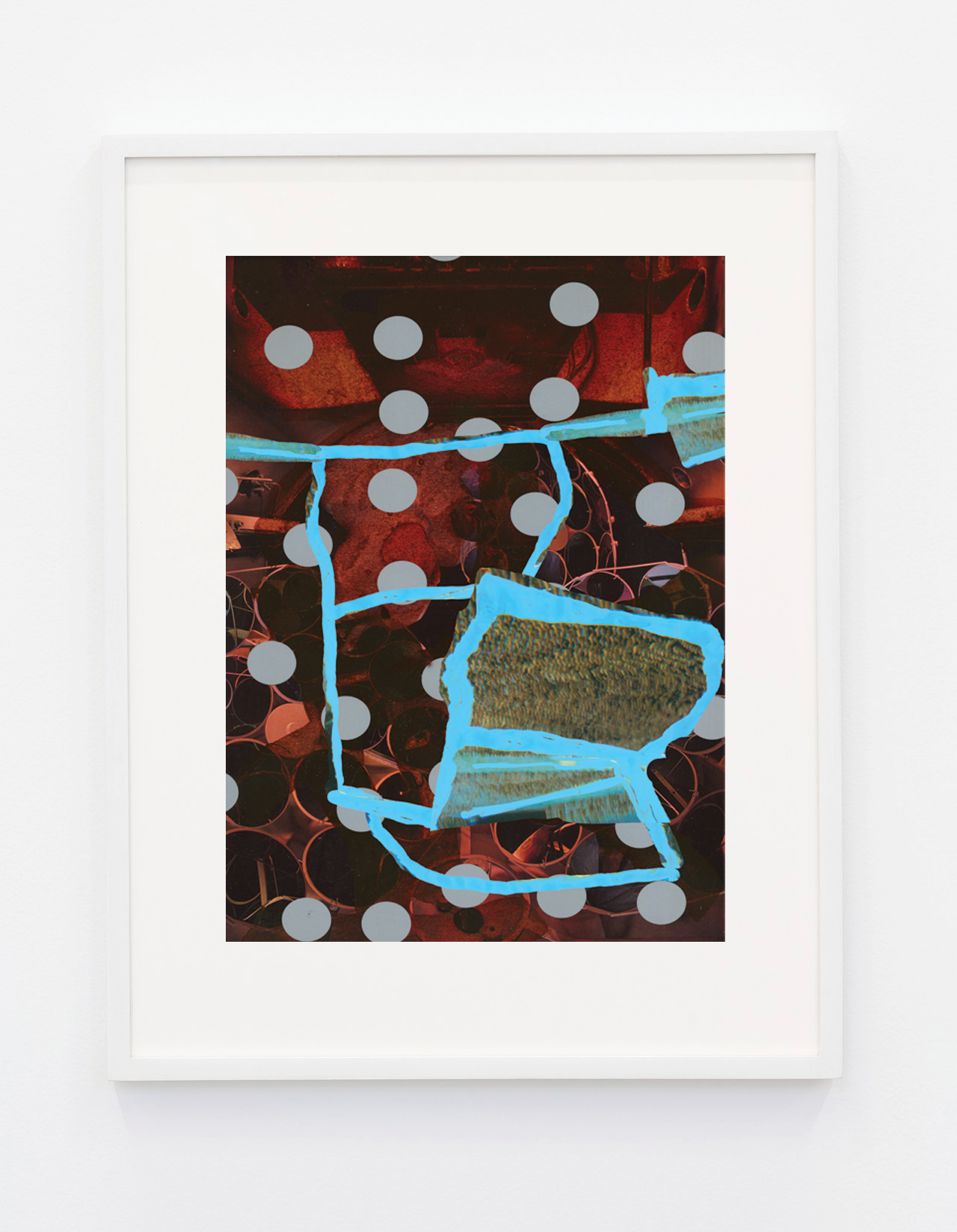
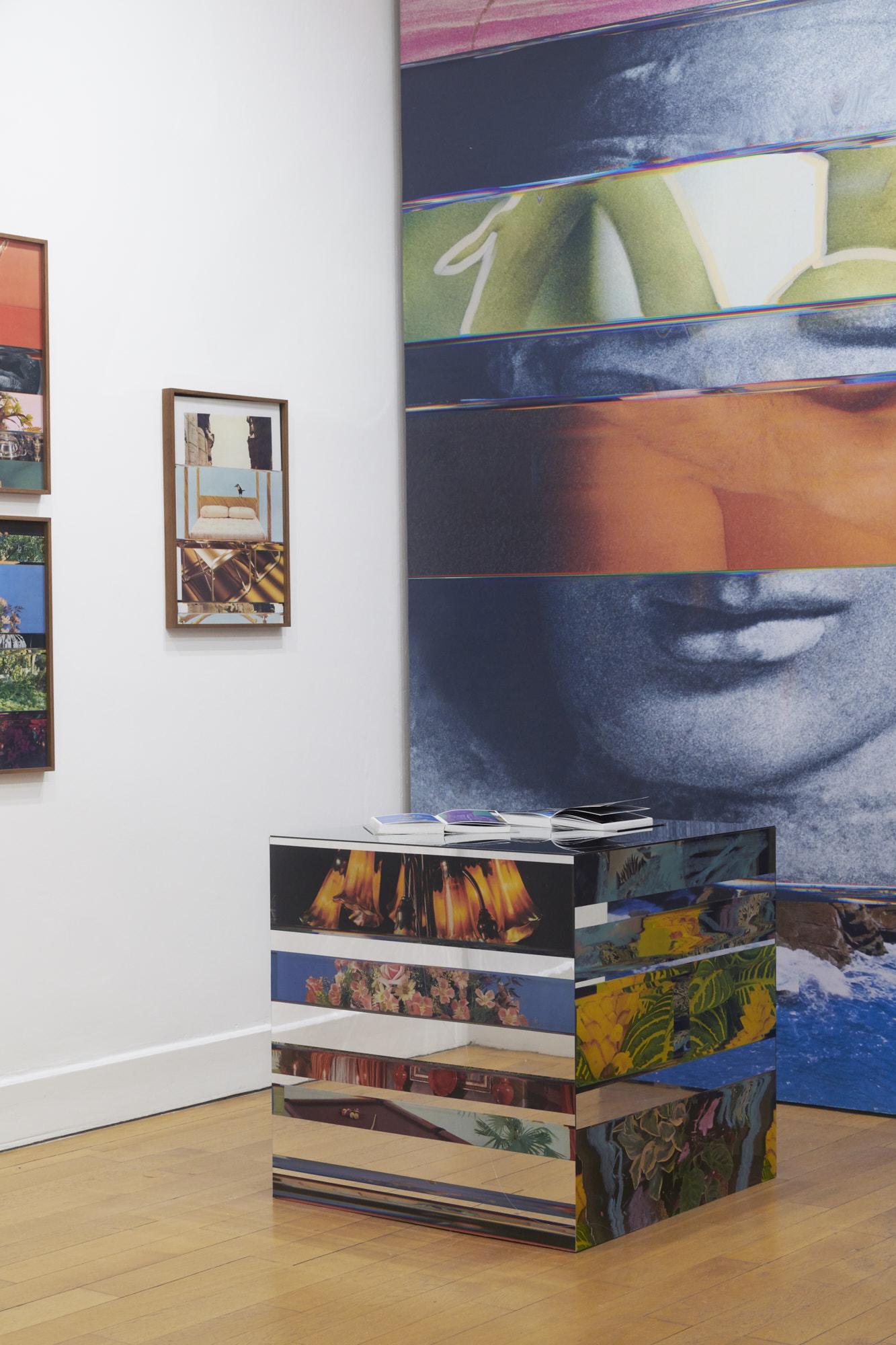
I work with photography as a space of uncertainty, transformation, and experiment. My practice moves between photography, collage, sculpture, painting, and moving image, using analogue and digital tools, found materials, staged forms, and improvisation to construct images that resist easy interpretation.
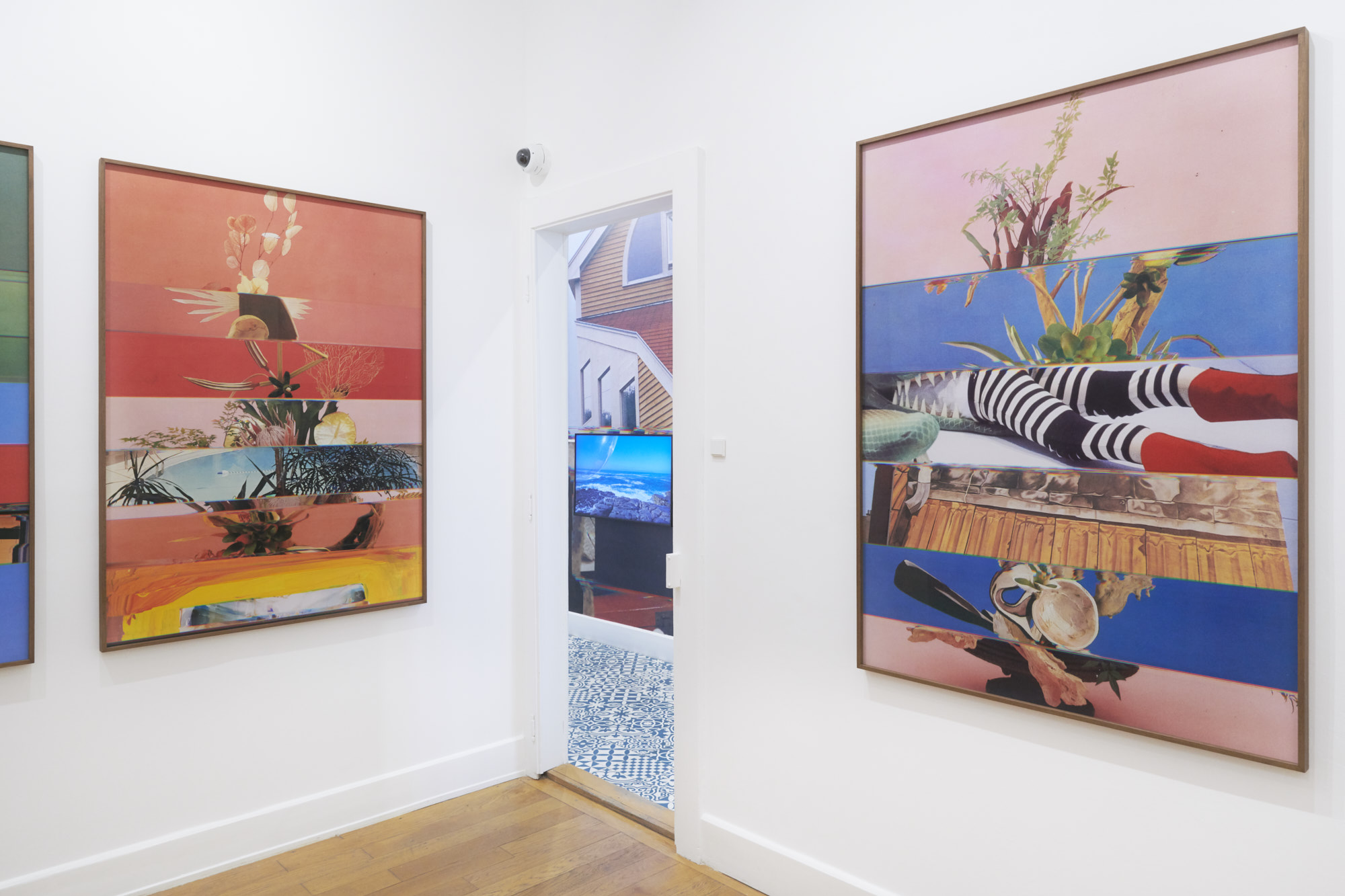
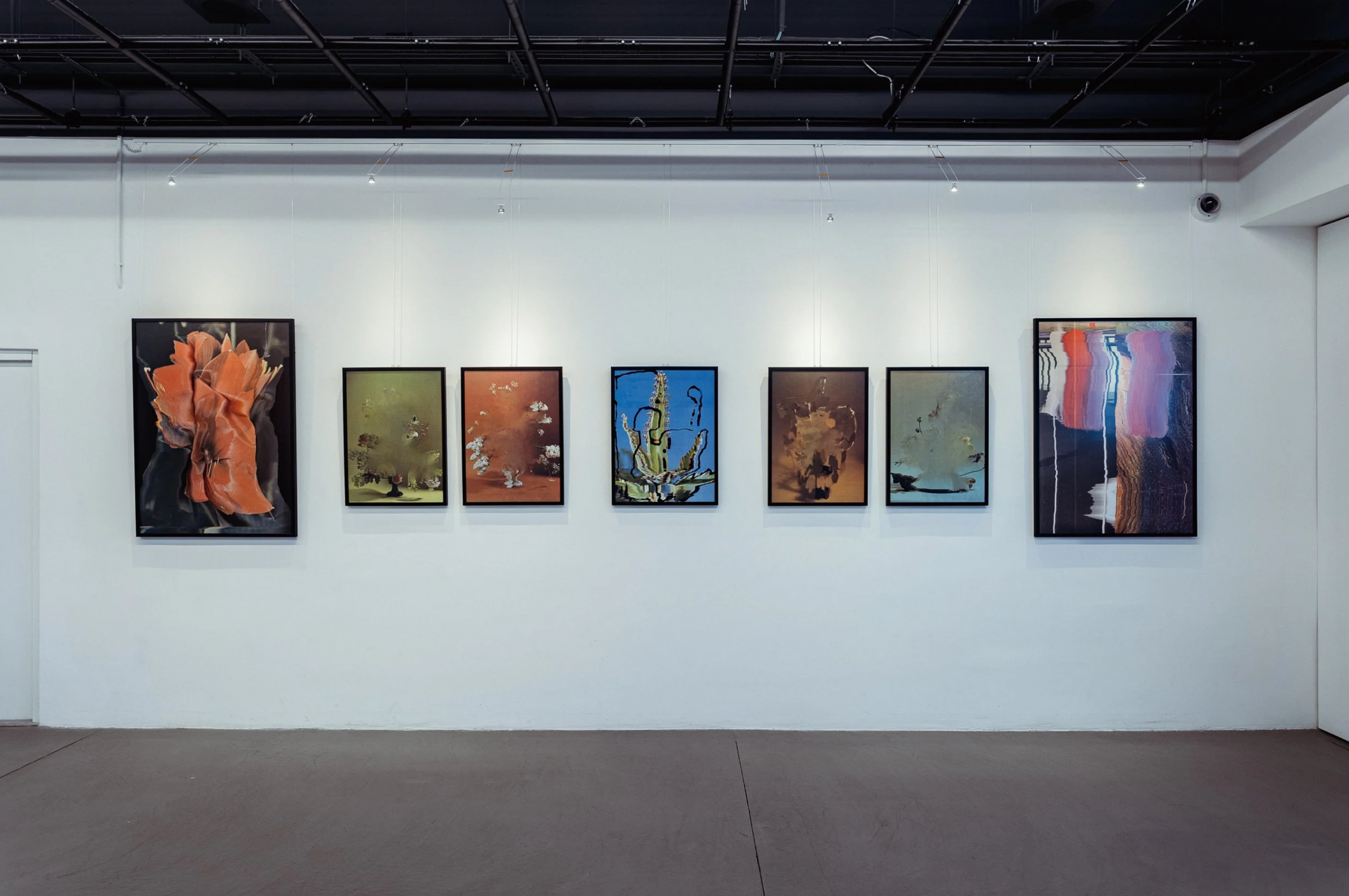
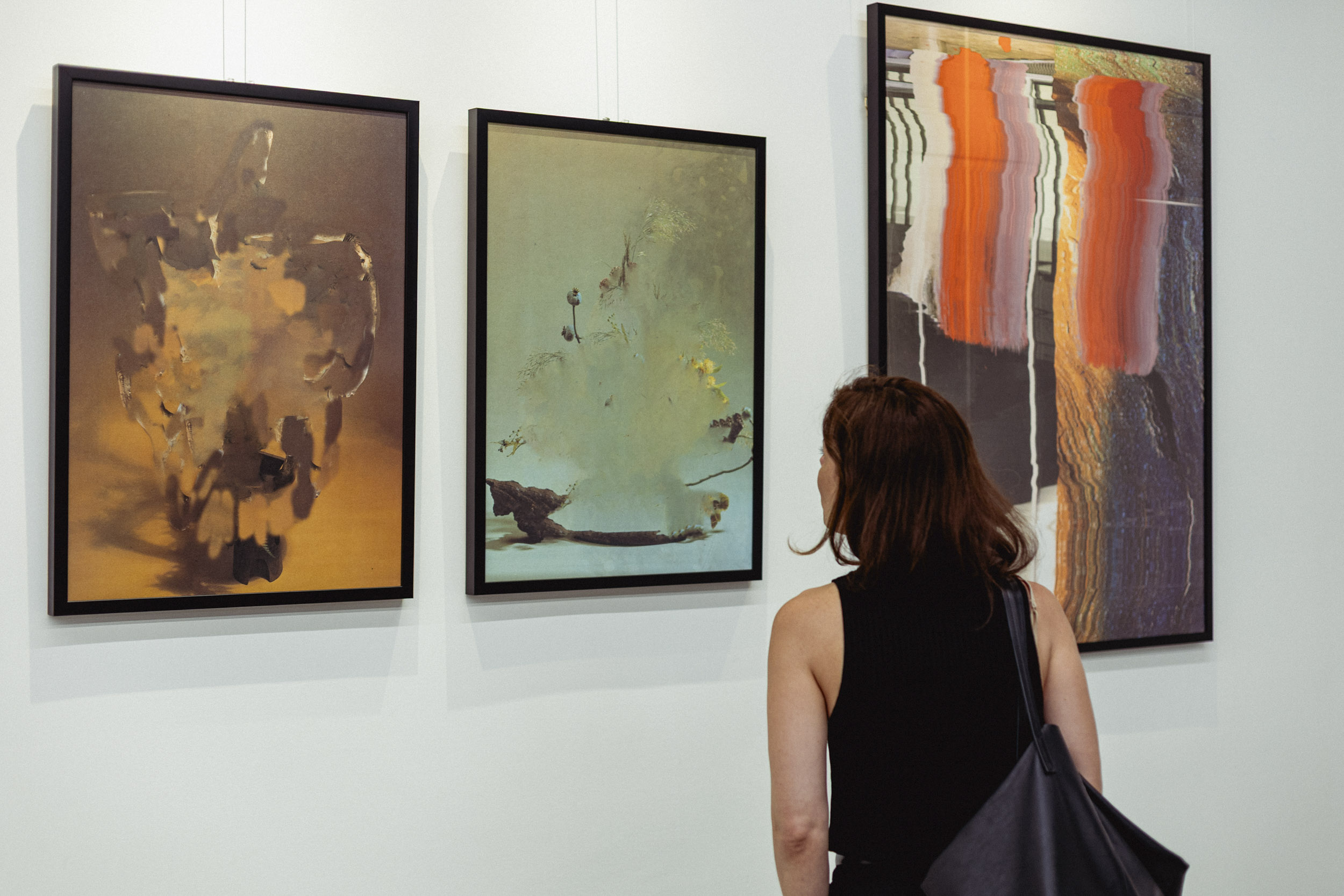
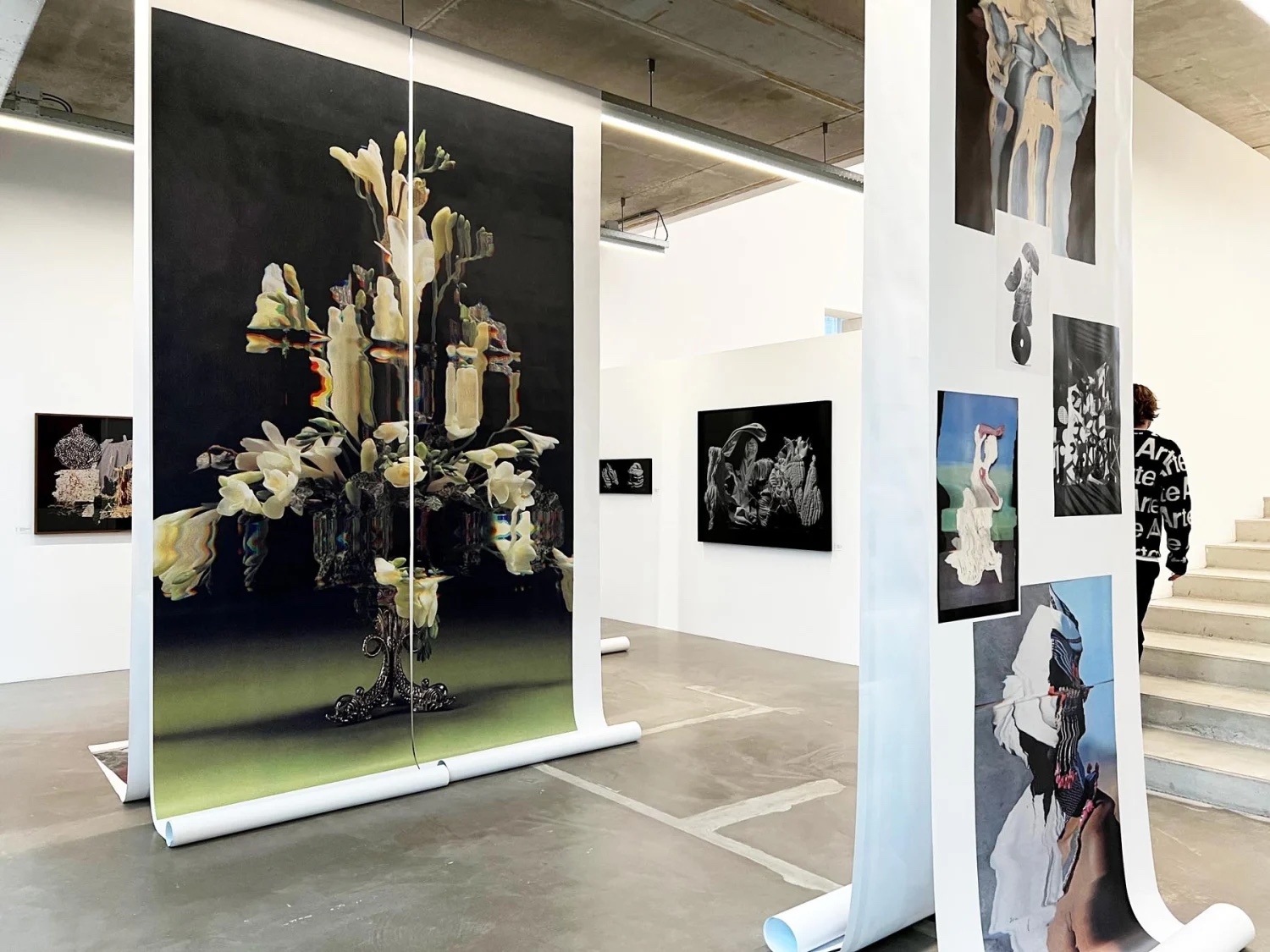
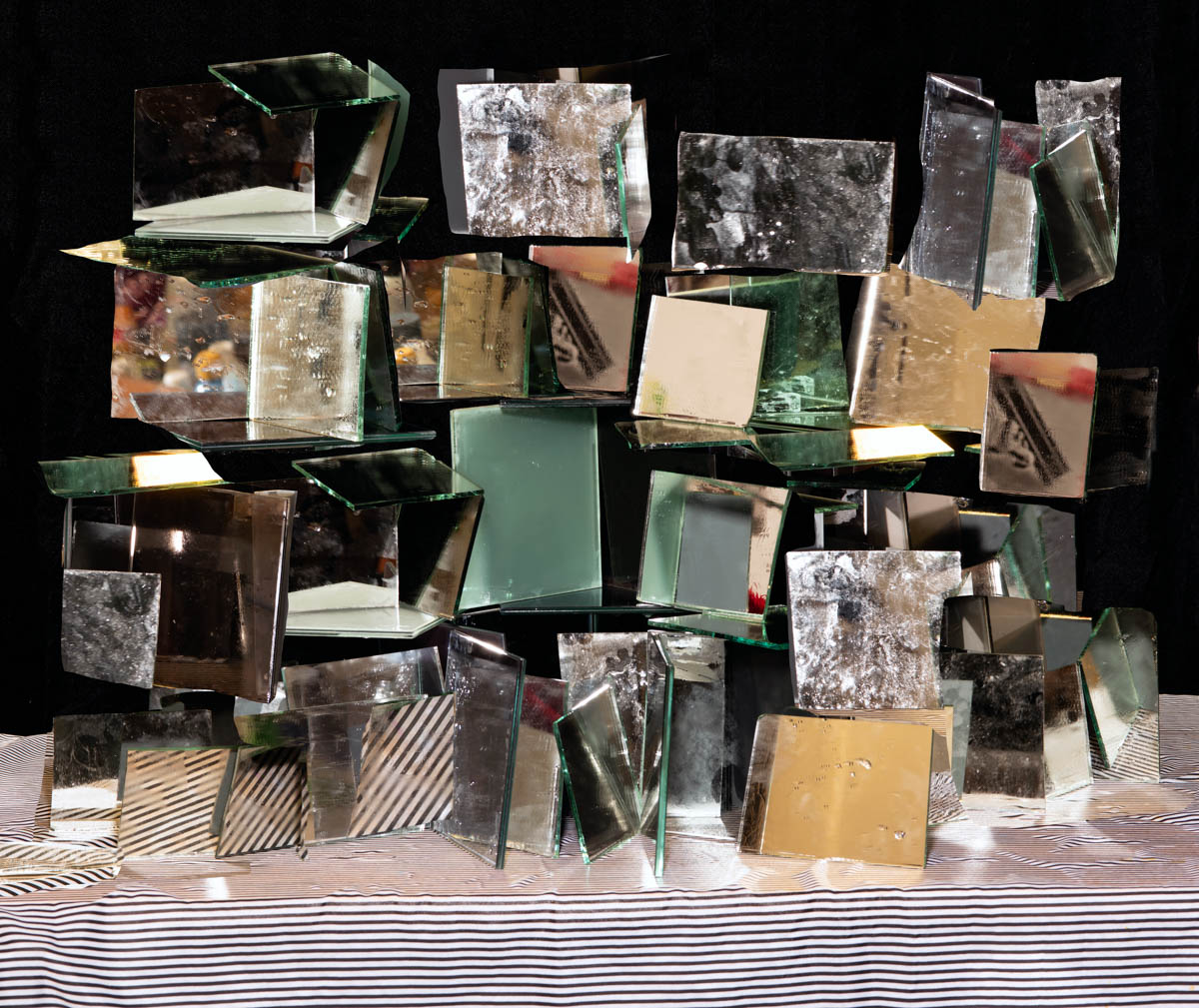
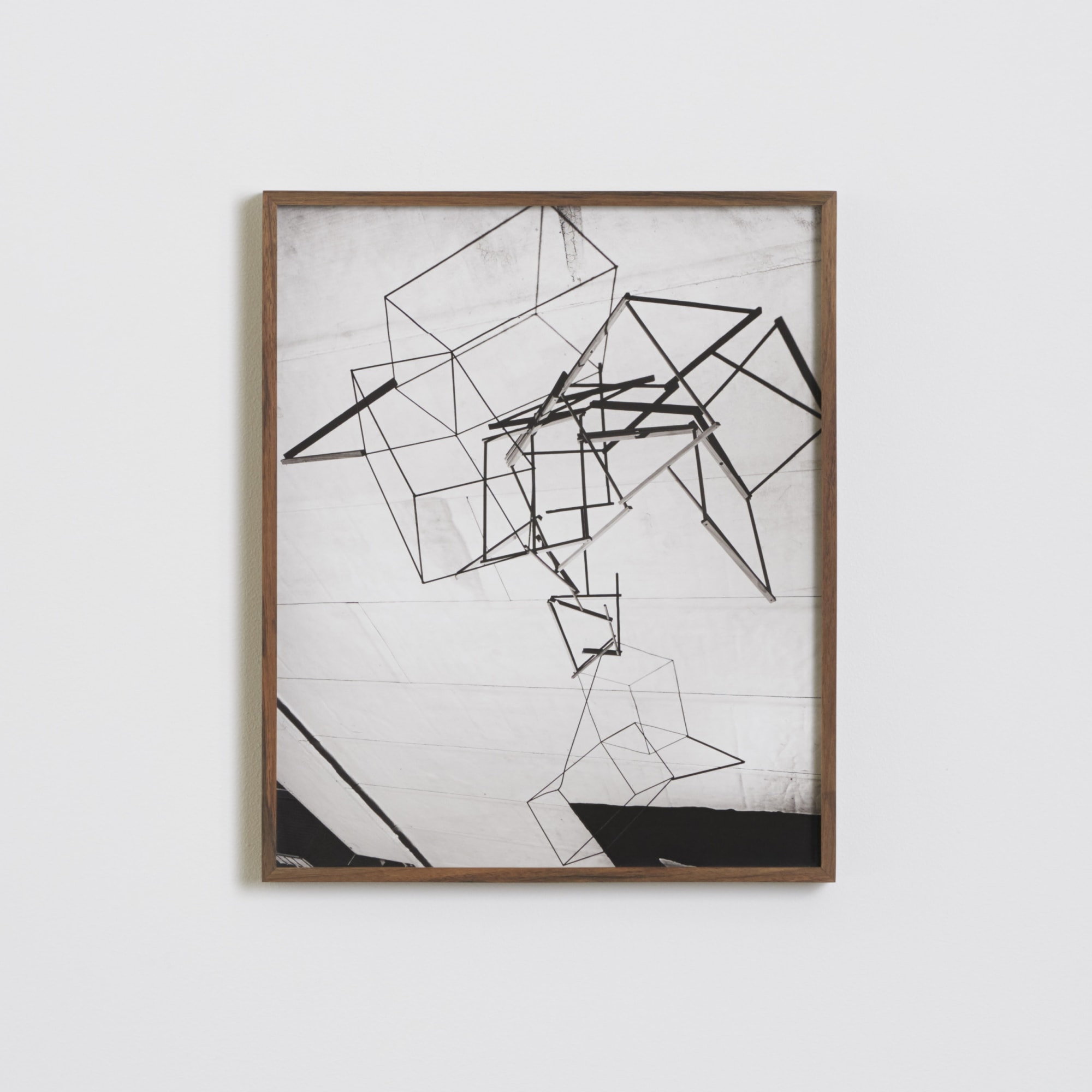
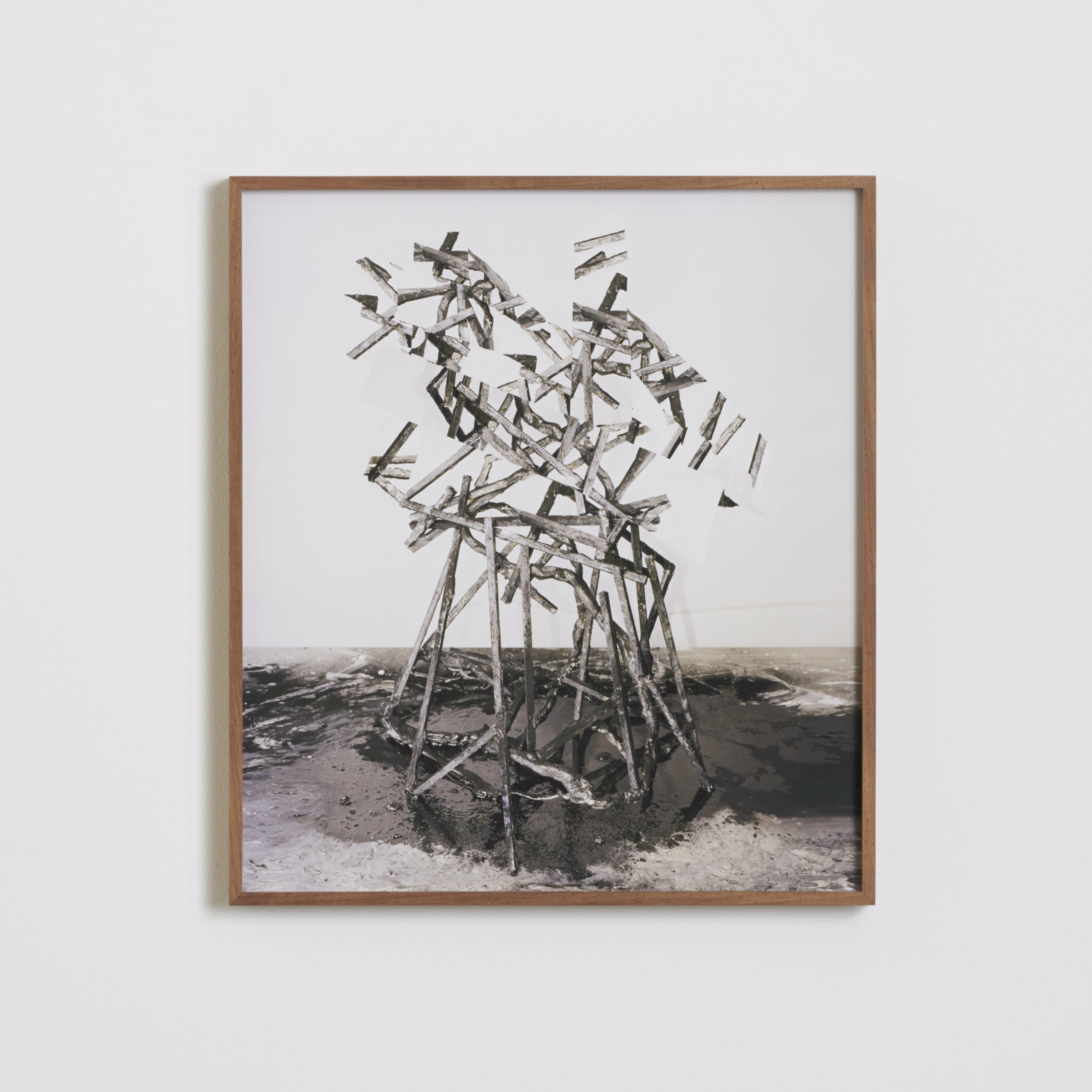
Rather than treating photography as a medium of description, I approach the image as a mutable object. I build temporary structures from discarded materials, domestic objects, plants, textiles, painted surfaces, and printed photographs, then photograph, manipulate, scan, crop, and reassemble them. The camera becomes less a witness than a participant in a physical performance. The resulting works occupy an unstable territory where abstraction and representation continually exchange places.
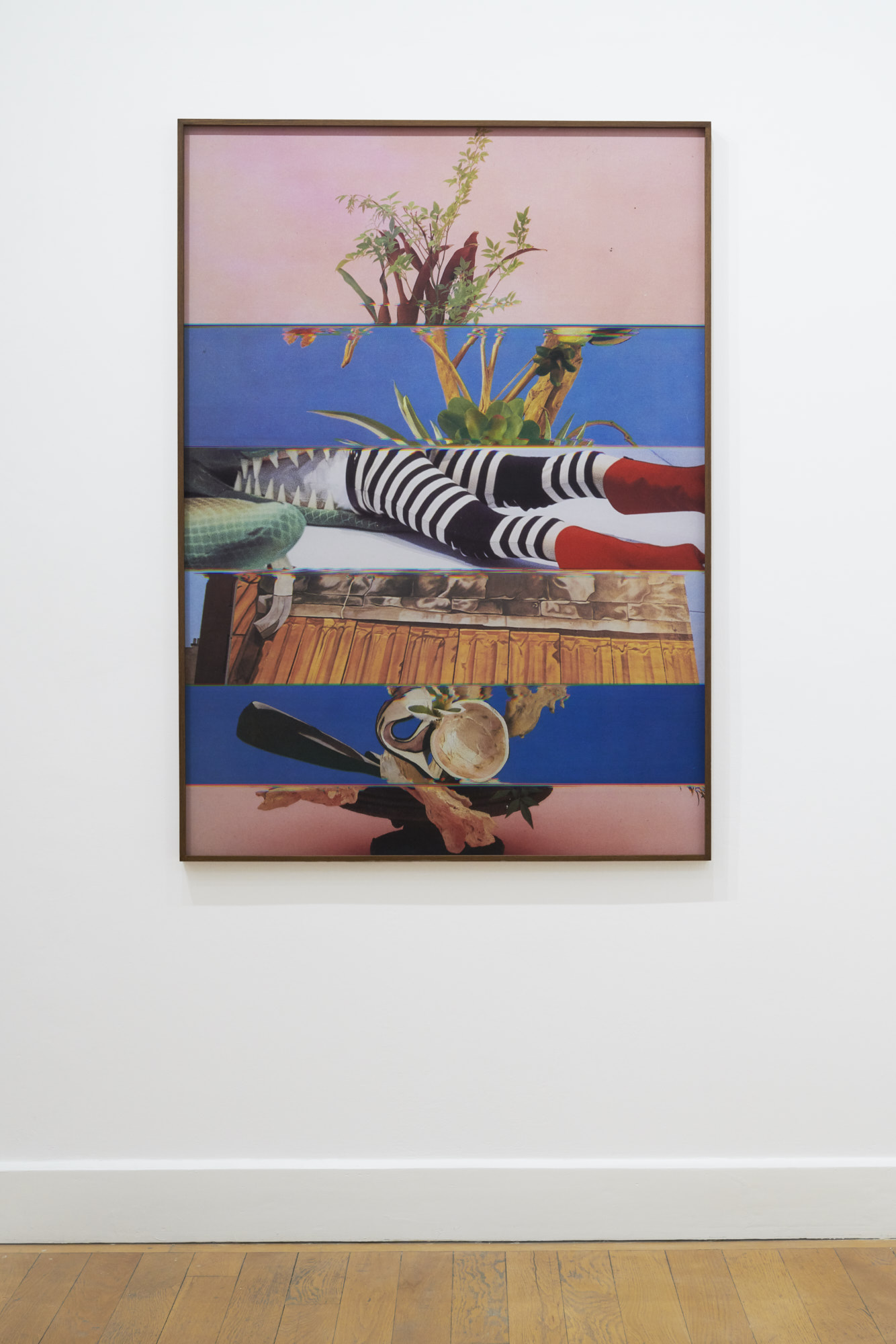
I have never been interested in the single decisive image. My work develops non-linearly, with photographs, collages, sculptures, videos, books, and installations feeding into one another over time. Images migrate across different forms and contexts, accumulating meaning through repetition, variation, and interruption. A photograph may become a sculpture, a sculpture may become a video, a video frame may return as a collage, and the cycle continues.
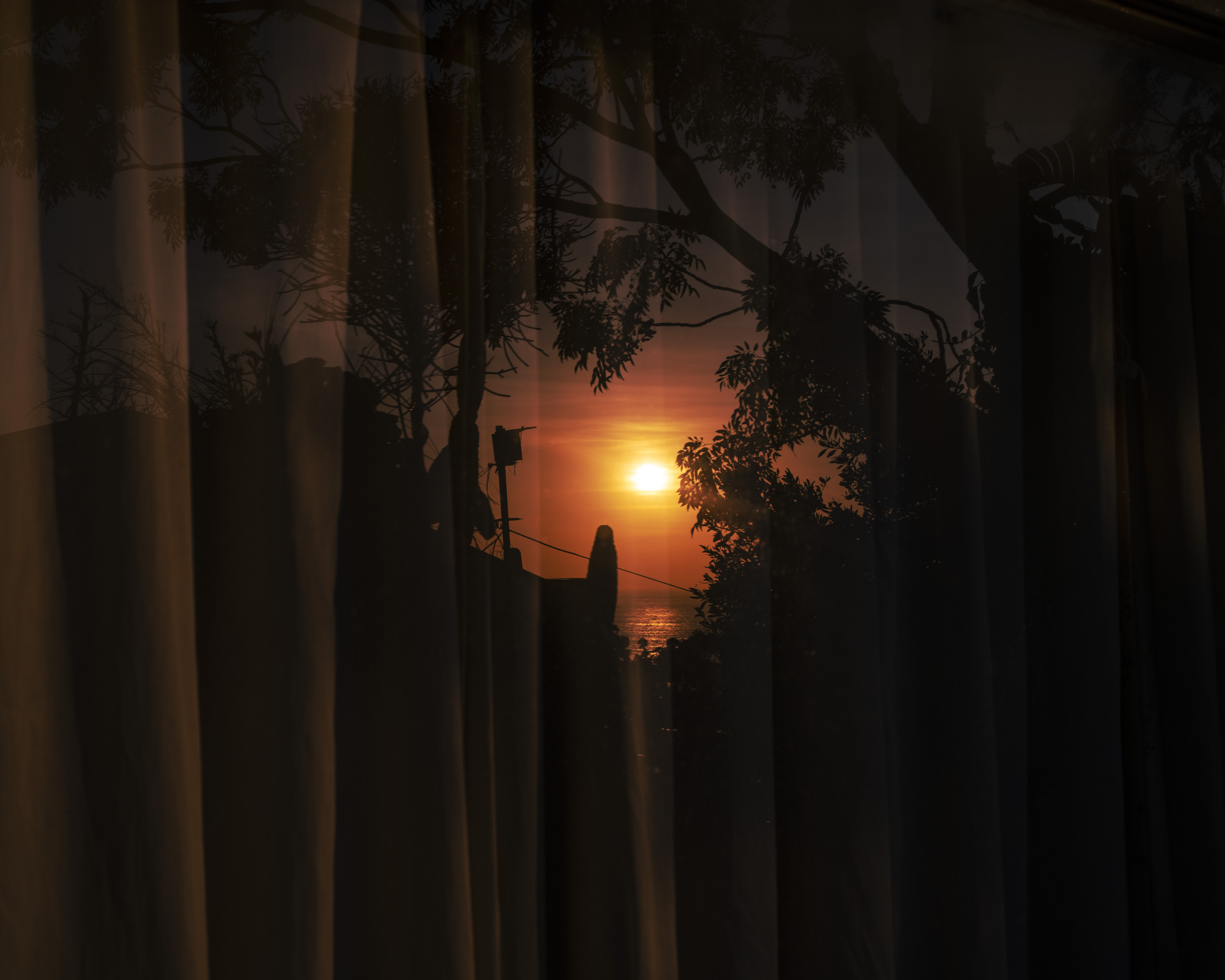
The central tension in my work is between nature and culture—between organic growth and human systems of order, manufacture, categorisation, and control. I am drawn to moments when ordinary things begin to lose their certainty: a flower becomes a gesture, a piece of plastic becomes a landscape, a curtain becomes a horizon, a photograph becomes an object among other objects. These transformations are not symbolic so much as experiential; they ask the viewer to remain with ambiguity rather than resolve it.
At a moment of visual fatigue, AI-generated perfection, and growing uncertainty about what an image can be trusted to show, I am interested in the opposite: error, materiality, friction, and play. I want images to retain the evidence of their making, their instability, and their capacity to become something other than themselves. Photography, for me, is not a fixed document of the world but a living surface through which perception, memory, performance, and imagination continually reorganise reality.
Rather than treating photography as a medium of description, I approach the image as a mutable object. I build temporary structures from discarded materials, domestic objects, plants, textiles, painted surfaces, and printed photographs, then photograph, manipulate, scan, crop, and reassemble them. The camera becomes less a witness than a participant in a physical performance. The resulting works occupy an unstable territory where abstraction and representation continually exchange places.
I have never been interested in the single decisive image. My work develops non-linearly, with photographs, collages, sculptures, videos, books, and installations feeding into one another over time. Images migrate across different forms and contexts, accumulating meaning through repetition, variation, and interruption. A photograph may become a sculpture, a sculpture may become a video, a video frame may return as a collage, and the cycle continues.
The central tension in my work is between nature and culture—between organic growth and human systems of order, manufacture, categorisation, and control. I am drawn to moments when ordinary things begin to lose their certainty: a flower becomes a gesture, a piece of plastic becomes a landscape, a curtain becomes a horizon, a photograph becomes an object among other objects. These transformations are not symbolic so much as experiential; they ask the viewer to remain with ambiguity rather than resolve it.
At a moment of visual fatigue, AI-generated perfection, and growing uncertainty about what an image can be trusted to show, I am interested in the opposite: error, materiality, friction, and play. I want images to retain the evidence of their making, their instability, and their capacity to become something other than themselves. Photography, for me, is not a fixed document of the world but a living surface through which perception, memory, performance, and imagination continually reorganise reality.